
What was the Smallest Dinosaur?
Dinosaurs have long captivated the imagination with their immense size and mysterious extinction, but not all were colossal giants. In fact, some of the most intriguing dinosaurs were remarkably small, offering fascinating insights into the diversity of prehistoric life. These miniature giants, such as the bee-sized Oculudentavis and the agile Compsognathus, challenge our perceptions of what it means to be a dinosaur. In this exploration, we’ll delve into the world of the smallest dinosaurs in history, uncovering their unique traits and the roles they played in their ecosystems. Discover how these tiny creatures contribute to our understanding of evolution and adaptation in the prehistoric world.

The Fascinating World of Tiny Dinosaurs
Discovering Miniature Giants
The discovery of miniature dinosaurs has revolutionized our understanding of prehistoric life. Fossils of these small creatures have been unearthed in various parts of the world, from the deserts of China to the limestone deposits of Germany. Notable among these is the Oculudentavis, a diminutive dinosaur that measured just a few centimeters long, resembling more of a bee than a typical dinosaur. Another fascinating example is the Compsognathus, about the size of a chicken, which roamed Europe during the late Jurassic period. These discoveries highlight the incredible diversity and adaptability of dinosaurs, showcasing how they thrived in different ecological niches. By studying these miniature giants, paleontologists gain valuable insights into evolutionary trends, such as miniaturization and its advantages. Understanding these patterns helps paint a more comprehensive picture of dinosaur ecosystems and their responses to environmental pressures.
Fossil Evidence and Findings
Fossil evidence plays a crucial role in uncovering the secrets of tiny dinosaurs. Paleontologists have discovered numerous fossils that reveal the existence of these small creatures. For instance, the discovery of Oculudentavis in amber provided a unique glimpse into the anatomy of one of the smallest known dinosaurs. This tiny skull, preserved in remarkable detail, offered insights into the creature’s vision and feeding habits. Similarly, fossils of Compsognathus show a well-preserved skeleton, allowing researchers to study its structure and lifestyle. These findings underscore the importance of fossils in understanding dinosaur diversity. They also highlight how advancements in technology, such as CT scanning, enable scientists to explore fossilized remains without damaging them. As new fossils are unearthed, they continue to challenge previous assumptions and offer fresh perspectives on the evolutionary pathways of dinosaurs. Each discovery adds a piece to the puzzle of how these miniature giants lived and thrived millions of years ago.
Insights from Paleontologists
Paleontologists offer invaluable insights into the lives of the smallest dinosaurs, deepening our understanding of their ecological roles and evolutionary significance. By studying fossilized remains and comparing them with modern animals, researchers can infer a lot about these ancient creatures. For instance, the study of small theropods like Compsognathus suggests that they were agile hunters, using speed and stealth to catch prey. Insights from Oculudentavis reveal adaptations for survival in dense forests, showcasing evolutionary traits like specialized teeth for feeding on insects. Paleontologists also examine bone structures to understand growth patterns and metabolic rates, which can indicate how these dinosaurs thrived in their respective environments. These insights emphasize the importance of small dinosaurs in diverse ecosystems, acting as both predators and prey. By piecing together these clues, paleontologists provide a clearer picture of how these miniature giants fit into the broader narrative of dinosaur evolution and their adaptive strategies.
Noteworthy Tiny Dinosaur Species
Compsognathus: The Elegant Predator
Compsognathus is often celebrated as one of the smallest and most agile predators of the Jurassic period. Measuring about the size of a modern chicken, this dinosaur was a swift and nimble hunter. Its slender build and long legs suggest it was capable of quick bursts of speed, allowing it to capture small prey efficiently. The fossilized remains of Compsognathus have been found with small lizards in their stomachs, providing direct evidence of their diet. This carnivorous behavior indicates a role as a predator within its ecosystem, helping to control the population of smaller animals. Its sharp teeth and dexterous limbs further highlight its predatory nature. Compsognathus is a prime example of how small dinosaurs could be just as formidable as their larger counterparts. By studying this elegant predator, paleontologists gain insights into the adaptive strategies that allowed it to thrive in a competitive prehistoric world.
Microraptor: The Four-Winged Wonder
Microraptor stands out among tiny dinosaurs due to its unique four-winged anatomy. This small theropod possessed feathers on both its arms and legs, resembling wings. Paleontologists believe this feature enabled Microraptor to glide between trees, an adaptation that was crucial for its survival in forested environments of the Early Cretaceous period. Measuring about two to three feet in length, it is considered one of the earliest flying dinosaurs, providing a fascinating link between non-avian dinosaurs and birds. The structure of its feathers suggests that it could achieve powered flight, albeit limited, allowing it to escape predators and hunt for small prey. Its diet likely consisted of insects, small mammals, and reptiles, indicating a versatile feeding strategy. The discovery of Microraptor has offered significant insights into the evolution of feathered flight and the diversity of locomotion strategies in dinosaurs, underscoring its importance in the evolutionary narrative of avian species.
Parvicursor: The Swift Runner
Parvicursor is another fascinating example of a tiny dinosaur, renowned for its speed and agility. Measuring just over a foot in length, this small theropod was adapted for swift running, thanks to its long legs and lightweight frame. Its name, which means “small runner,” aptly describes its physical characteristics. Parvicursor lived during the Late Cretaceous period and is primarily known from fossils found in Mongolia. Its skeletal structure suggests it was a fast and efficient predator, likely preying on insects and small vertebrates. The elongated limbs and streamlined body indicate it could cover ground quickly, evading larger predators and capturing prey with ease. Parvicursor’s adaptations for speed highlight the diverse survival strategies employed by tiny dinosaurs. Studying this swift runner provides paleontologists with deeper insights into the ecological roles these small dinosaurs played, enhancing our understanding of their contribution to prehistoric ecosystems.
Enjoy some interesting animal facts below!
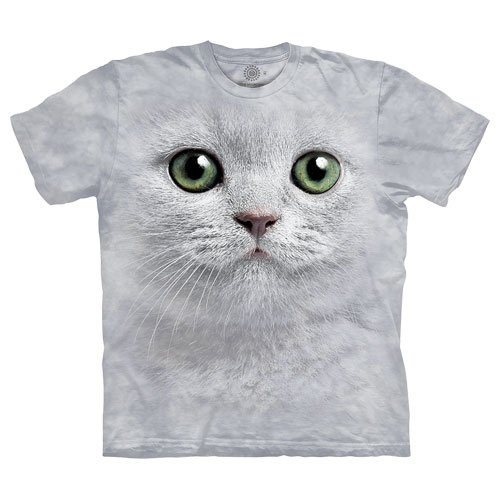
Best Animal T-Shirts for Men Who Love Wildlife
Best Animal T-Shirts for Men Who Love Wildlife Most animal t-shirts blend into the background, leaving your love for wildlife unnoticed. You want shirts that speak louder than words, showcasing majestic lions, soaring eagles, and vibrant marine life with style. This guide highlights the best animal t-shirts for men, combining bold graphics with comfort and […]
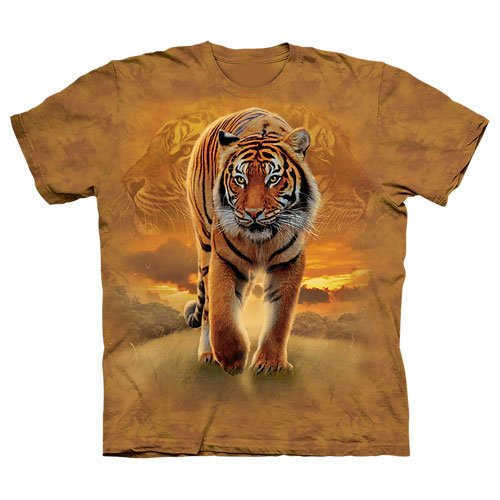
Best Tiger Shirts for Tiger Lovers
Best Tiger Shirts for Tiger Lovers Tiger shirts often miss the mark, leaving fans with dull prints that don’t capture the wild spirit of these majestic cats. If you’ve been hunting for the best tiger apparel that blends bold artistry with comfort, your search ends here. This post highlights tiger print t-shirts and stylish tiger […]
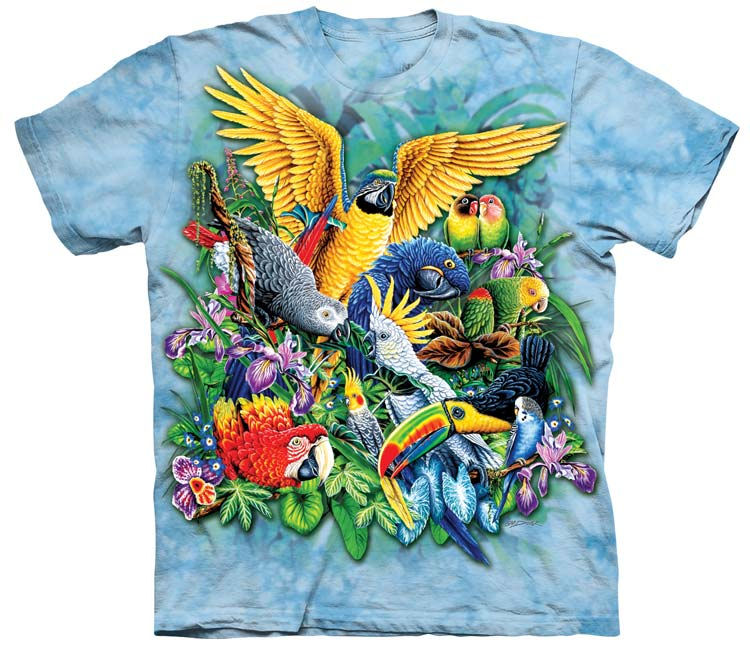
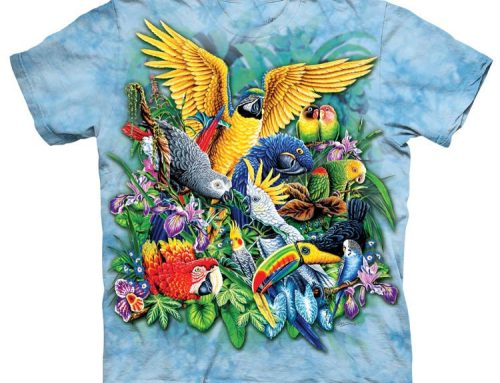
Best Bird Shirts for Bird Lovers
Best Bird Shirts for Bird Lovers Bird shirts aren’t just for casual wear anymore—they’ve become a statement for anyone who loves the colors and charm of feathered friends. If you want bird lover apparel that stands out, you’ll want to see the styles blending art and nature in fresh ways. This post highlights bird-themed t-shirts […]

Best Eagle Shirts for Eagle Lovers
Best Eagle Shirts for Eagle Lovers Eagle shirts don’t have to be ordinary. If you want to wear your passion for these powerful birds with style, the options out there can surprise you. From bold graphic eagle tees to subtle nature inspired clothing, the right eagle apparel makes a statement without sacrificing comfort. Keep reading […]

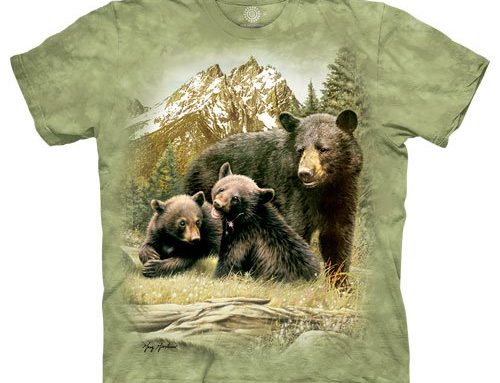
Best Bear Shirts for Wildlife Lovers
Best Bear Shirts for Wildlife Lovers Most bear shirts out there miss the mark between style and comfort. You want wildlife clothing that feels as good as it looks and truly captures the spirit of these powerful creatures. In this post, you’ll find bear graphic tees that balance charming artwork with bold designs, perfect for […]

Best Animal Shirts for Nature Lovers
Best Animal Shirts for Nature Lovers Forget plain tees that don’t say much about who you are. If you love the wild, your wardrobe should shout it loud and clear with the best animal shirts out there. These nature lover apparel pieces mix eye-catching wildlife graphic tees with comfort and style, perfect for anyone who […]
Follow us on Social Media
Instagram – YouTube – Pinterest – Twitter – Facebook
Alligators – Aquatic – Bears – Big Cats – Birds – Buffalo – Cats – Deer – Dinosaurs – Dogs – Dragons – Eagles – Elephants – Elk – Frogs – Gecko – Giraffes – Horses – Kittens – Moose – Pandas – Snakes – Tigers – Unicorns – Wolves – Cat Shirts – Celtic – Dog Shirts – Dolphins – Dragons – Eagles – Fairies – Horse Shirts – Misc – Native American Indians – Patriotic – Peace – Primates – Religion – Scary – Sci Fi – Skeletons – Tie Dye – Tigers – Wolf Shirts
Interesting Animal Facts and Information
Bald Eagles – Cheetahs – Dolphins – Dinosaurs – Tigers – Lions – Cats – Dogs


Leave A Comment
You must be logged in to post a comment.