
Were all Dinosaurs Carnivores?
The world of dinosaurs is as diverse and fascinating as the prehistoric creatures themselves, sparking the curiosity of paleontology enthusiasts and students alike. While some might assume that all dinosaurs were fierce carnivores, the truth is that their diets were as varied as their sizes and shapes, ranging from meat-eating predators to gentle herbivores that munched on plants. Understanding dinosaur diets not only helps us classify these ancient animals but also offers insights into the ecosystems they inhabited millions of years ago. In this exploration, we dive into the intriguing aspects of dinosaur classification, examining the different dietary habits and their evolutionary significance. Join us as we unravel the mysteries of the dinosaur diet and discover what these ancient giants really ate.

Understanding Dinosaur Diets
The Diversity of Dinosaur Diets
Dinosaur diets were remarkably diverse, reflecting the wide range of habitats these prehistoric creatures occupied. Some were indeed carnivores, preying on other dinosaurs and smaller animals. These meat-eaters, such as the ferocious Tyrannosaurus rex, had sharp teeth designed for tearing flesh. On the other hand, many dinosaurs were herbivores, feeding on the lush vegetation of the time. Species like the Brachiosaurus had long necks ideal for reaching high branches, showcasing their adaptation to a plant-based diet. Additionally, omnivorous dinosaurs existed, consuming a mix of plants and meat when available. This dietary flexibility helped them survive in various environments. Understanding these feeding habits is crucial for paleontology, as it aids in reconstructing the ecosystems of the past. By studying the fossilized remains of dinosaurs, scientists can infer their diet and, in turn, the ecological roles they played millions of years ago.
Exploring Herbivorous Dinosaurs
Herbivorous dinosaurs represent some of the most intriguing and diverse groups in paleontology. These plant-eating giants adapted to various environments, evolving unique features to thrive on vegetation. For instance, the Stegosaurus, with its spiked tail and plated back, likely used its tail for defense while grazing on low-lying plants. Meanwhile, the Diplodocus, with its elongated neck, could reach vegetation that other dinosaurs couldn’t access, suggesting a specialization in feeding habits. Herbivores like the Triceratops developed robust jaws and teeth suitable for shredding tough plant material. These adaptations were essential for processing fibrous plants and extracting necessary nutrients. Studying herbivorous dinosaur fossils reveals much about prehistoric ecosystems and their plant life. By examining tooth wear patterns and fossilized stomach contents, scientists can reconstruct ancient food webs. This understanding of the dinosaur diet helps clarify the complex interactions within ecosystems millions of years ago, highlighting the ecological significance of herbivorous dinosaurs.
Carnivores vs. Herbivores
Identifying Dinosaur Carnivores
Carnivorous dinosaurs were distinct, marked by physical features that suited their predatory lifestyle. These meat-eaters, like the fearsome Velociraptor, possessed sharp, serrated teeth designed for slicing through flesh, providing a clear indication of their diet. Additionally, the claws of carnivores were often curved and sharp, aiding in capturing and holding prey. The skeletal structure of carnivorous dinosaurs was typically more agile, allowing for swift movements necessary for hunting. Paleontologists also examine fossilized remains for bite marks and tooth impressions left on the bones of their prey. Such evidence confirms their role as predators within the prehistoric ecosystem. The study of these carnivorous traits gives insight into the hunting strategies and behaviors of these ancient creatures. Understanding these aspects of the dinosaur diet is crucial for deciphering the balance within ancient food chains, highlighting the dynamic interactions between species millions of years ago.
Characteristics of Herbivorous Dinosaurs
Herbivorous dinosaurs displayed a range of distinctive features that facilitated their plant-based diet. Many had flat, grinding teeth ideal for breaking down fibrous plant material. For example, the Hadrosaurus, often called the “duck-billed dinosaur,” had hundreds of teeth perfect for grinding vegetation. Some herbivores, like the Ankylosaurus, were heavily armored, providing protection from predators while they fed. Another notable feature was the presence of beaks in dinosaurs such as the Ceratopsians, which were effective for clipping leaves and branches. The large, barrel-shaped bodies of many herbivores accommodated extensive digestive systems necessary for processing a high-fiber diet. Fossil evidence, including wear patterns on teeth and gastroliths (stomach stones), supports the understanding of their dietary habits. These physiological traits are crucial for understanding the ecological niches herbivorous dinosaurs occupied. Exploring these characteristics helps reconstruct the vast and varied ecosystems where these prehistoric creatures thrived millions of years ago.
Insights from Paleontology
Fossil Evidence of Diets
Fossil evidence plays a crucial role in understanding the dinosaur diet. Teeth and jaw structures are primary indicators, revealing whether a dinosaur was a carnivore, herbivore, or omnivore. Sharp, pointed teeth suggest a meat-eating diet, while flat, grinding teeth indicate plant consumption. Bite marks on bones and tooth impressions further confirm predatory behavior. Additionally, coprolites, or fossilized feces, provide direct evidence of a dinosaur’s last meals. Analyzing these remains helps paleontologists reconstruct ancient food webs and understand dietary habits. Gastroliths, which are stones found in the stomachs of some herbivorous dinosaurs, offer insights into their digestion process. These stones aided in grinding plant material, a common practice among plant-eating species. By examining these fossilized clues, scientists can piece together the dietary patterns and ecological roles of dinosaurs. This evidence enriches our understanding of how these prehistoric creatures interacted with their environments millions of years ago.
Implications for Dinosaur Classification
The study of dinosaur diets significantly impacts how these prehistoric creatures are classified. By analyzing dental structures, jaw mechanics, and other fossil evidence, paleontologists can categorize dinosaurs into different dietary groups: carnivores, herbivores, and omnivores. This classification not only aids in identifying species but also helps in understanding their evolutionary relationships. For instance, similarities in dental and skeletal features can indicate shared ancestry or convergent evolutionary paths among different groups. These insights help refine the dinosaur classification system, revealing new connections or distinctions between species. Moreover, understanding dietary habits allows scientists to infer the ecological niches dinosaurs occupied, which informs the broader picture of prehistoric ecosystems. This knowledge is fundamental for piecing together the vast biodiversity of the Mesozoic Era. As new fossil discoveries continue to emerge, they may challenge existing classifications, prompting revisions and a deeper understanding of dinosaur evolution and ecology.
Enjoy some interesting animal facts below!

Best Animal T-Shirts for Men Who Love Wildlife
Best Animal T-Shirts for Men Who Love Wildlife Most animal t-shirts blend into the background, leaving your love for wildlife unnoticed. You want shirts that speak louder than words, showcasing majestic lions, soaring eagles, and vibrant marine life with style. This guide highlights the best animal t-shirts for men, combining bold graphics with comfort and […]
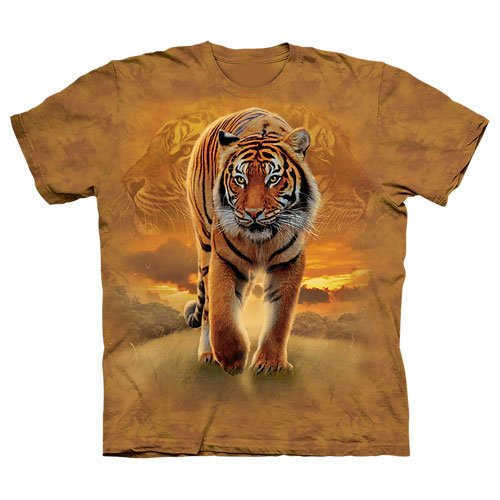
Best Tiger Shirts for Tiger Lovers
Best Tiger Shirts for Tiger Lovers Tiger shirts often miss the mark, leaving fans with dull prints that don’t capture the wild spirit of these majestic cats. If you’ve been hunting for the best tiger apparel that blends bold artistry with comfort, your search ends here. This post highlights tiger print t-shirts and stylish tiger […]
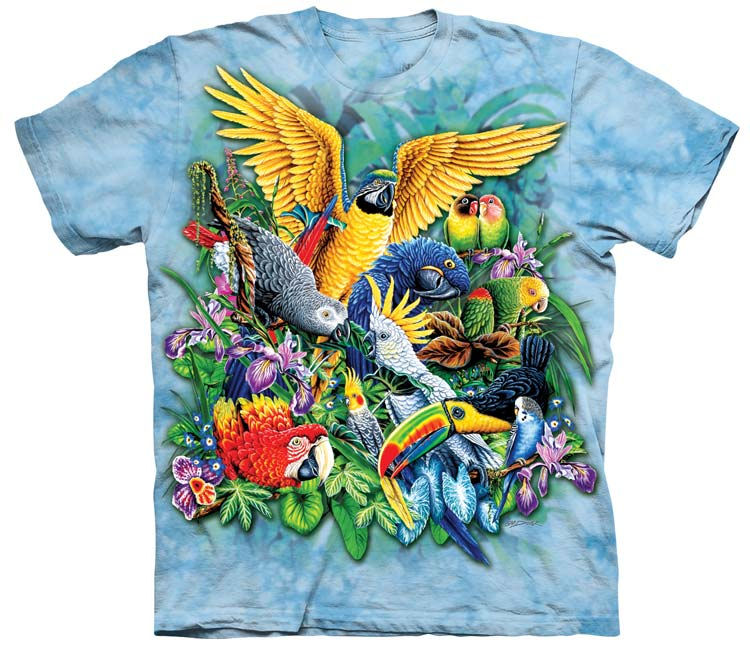
Best Bird Shirts for Bird Lovers
Best Bird Shirts for Bird Lovers Bird shirts aren’t just for casual wear anymore—they’ve become a statement for anyone who loves the colors and charm of feathered friends. If you want bird lover apparel that stands out, you’ll want to see the styles blending art and nature in fresh ways. This post highlights bird-themed t-shirts […]

Best Eagle Shirts for Eagle Lovers
Best Eagle Shirts for Eagle Lovers Eagle shirts don’t have to be ordinary. If you want to wear your passion for these powerful birds with style, the options out there can surprise you. From bold graphic eagle tees to subtle nature inspired clothing, the right eagle apparel makes a statement without sacrificing comfort. Keep reading […]

Best Bear Shirts for Wildlife Lovers
Best Bear Shirts for Wildlife Lovers Most bear shirts out there miss the mark between style and comfort. You want wildlife clothing that feels as good as it looks and truly captures the spirit of these powerful creatures. In this post, you’ll find bear graphic tees that balance charming artwork with bold designs, perfect for […]

Best Animal Shirts for Nature Lovers
Best Animal Shirts for Nature Lovers Forget plain tees that don’t say much about who you are. If you love the wild, your wardrobe should shout it loud and clear with the best animal shirts out there. These nature lover apparel pieces mix eye-catching wildlife graphic tees with comfort and style, perfect for anyone who […]
Follow us on Social Media
Instagram – YouTube – Pinterest – Twitter – Facebook
Alligators – Aquatic – Bears – Big Cats – Birds – Buffalo – Cats – Deer – Dinosaurs – Dogs – Dragons – Eagles – Elephants – Elk – Frogs – Gecko – Giraffes – Horses – Kittens – Moose – Pandas – Snakes – Tigers – Unicorns – Wolves – Cat Shirts – Celtic – Dog Shirts – Dolphins – Dragons – Eagles – Fairies – Horse Shirts – Misc – Native American Indians – Patriotic – Peace – Primates – Religion – Scary – Sci Fi – Skeletons – Tie Dye – Tigers – Wolf Shirts
Interesting Animal Facts and Information
Bald Eagles – Cheetahs – Dolphins – Dinosaurs – Tigers – Lions – Cats – Dogs



Leave A Comment
You must be logged in to post a comment.