
What was the Largest Dinosaur?
The largest dinosaur to have roamed the Earth during the Mesozoic era remains a subject of fascination and awe for dinosaur enthusiasts and educators alike. With an array of massive species like the Titanosaurus and Brachiosaurus, the debate over which was truly the largest dinosaur continues to inspire curiosity and discovery. Dinosaur sizes varied drastically, yet these colossal creatures shared the stage in a world much different from today. Dive into the world of dinosaur facts as we explore the contenders for the title of the largest dinosaur, and uncover the mysteries that continue to captivate the imagination of many.
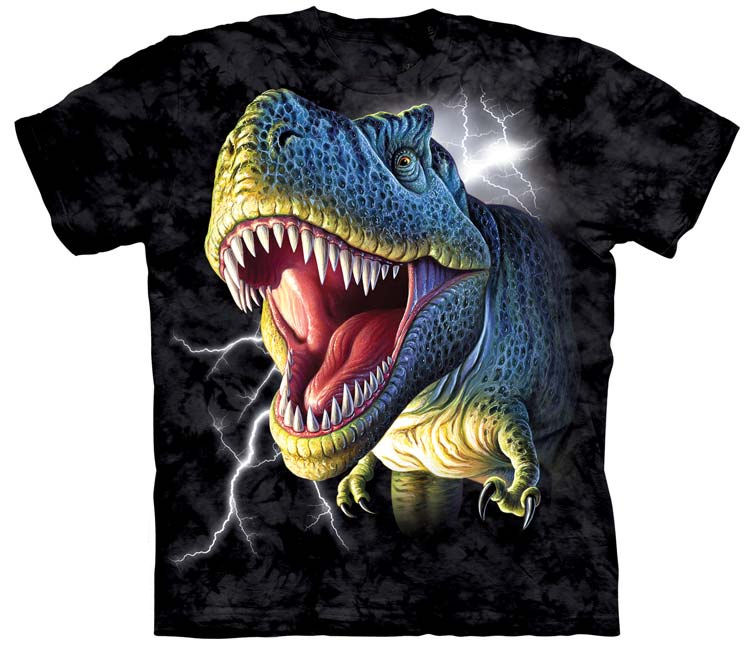
Introduction to Dinosaur Sizes
The Vastness of the Mesozoic Era
The Mesozoic era, spanning approximately 180 million years, was a time of immense ecological diversity. This era is divided into three periods: Triassic, Jurassic, and Cretaceous. Each period hosted an array of dinosaur sizes, from small, agile predators to immense herbivores. The vastness of this era provided a varied environment for dinosaurs to adapt and evolve. Conditions varied greatly, with shifting climates and continental drifts shaping their habitats. Within this timeframe, dinosaurs like the Titanosaurus and Brachiosaurus emerged, showcasing the incredible range of sizes that characterized the era. This period of Earth’s history laid the foundation for diverse evolutionary paths, resulting in the impressive sizes of these prehistoric giants. Understanding the Mesozoic era’s vastness helps us appreciate the evolutionary marvels that allowed dinosaurs to become some of the largest creatures to ever walk the planet.
Understanding Dinosaur Measurements
Measuring dinosaurs is a complex task that involves piecing together fossil fragments and using modern technology to estimate their true size. Paleontologists rely on skeletal remains to calculate dimensions such as length, height, and weight. However, these measurements can be challenging due to incomplete fossils. For instance, scientists often compare bones from different species to make educated guesses about a dinosaur’s overall size. Techniques like 3D modeling and computer simulations have enhanced accuracy, allowing for more precise reconstructions. Additionally, comparisons with modern animals can provide insights into how these ancient giants might have lived and moved. Understanding dinosaur measurements is crucial for appreciating the scale of creatures like the Titanosaurus and Brachiosaurus. These methods help us visualize the sheer magnitude of the largest dinosaurs, offering a glimpse into the remarkable biodiversity of the Mesozoic era.
The Titans of the Dinosaur World
Exploring Titanosaurus
Titanosaurus, a name that evokes images of enormous strength and size, represents a group of sauropod dinosaurs that dominated the Late Cretaceous period. As one of the largest dinosaurs, the Titanosaurus continues to fascinate scientists and enthusiasts alike. Estimated to have reached lengths of up to 40 feet or more, these giants were characterized by their long necks and tails, massive bodies, and pillar-like legs. Fossils have been found in regions that were once part of the ancient supercontinent Gondwana, including South America, Africa, and Asia. Despite their size, much about Titanosaurus remains a mystery due to fragmented fossil records. However, they are believed to have been herbivorous, feeding on vast quantities of vegetation. Studying Titanosaurus offers insights into the adaptability and evolution of sauropods, as well as the ecosystems that supported such massive creatures during the Mesozoic era.
The Enormity of Brachiosaurus
Brachiosaurus stands out as one of the quintessential giants of the Jurassic period, renowned for its unique body structure and immense size. Unlike many other sauropods, Brachiosaurus had longer front legs than its hind legs, giving it an elevated posture that allowed it to graze on vegetation well above the reach of other herbivores. With an estimated length of up to 85 feet and a height reaching 40 feet, Brachiosaurus exemplifies the grandeur of dinosaur sizes during the Mesozoic era. Its long neck and massive body required a highly efficient circulatory system, which is a topic of ongoing research among paleontologists. Fossils of Brachiosaurus have been discovered in North America and Africa, indicating a wide geographical range. This giant’s sheer enormity and distinctive features continue to captivate scientists, offering a glimpse into the diverse and dynamic ecosystems that characterized its era. Understanding Brachiosaurus helps illuminate the evolutionary pathways that enabled such impressive growth.
Fascinating Dinosaur Facts
Comparing Dinosaur Sizes
The vast differences in dinosaur sizes spark intrigue and curiosity, illustrating the remarkable diversity of these prehistoric creatures. While giants like Titanosaurus and Brachiosaurus dominated the landscape with their colossal frames, other dinosaurs, such as the chicken-sized Compsognathus, reveal the staggering range of sizes within the dinosaur kingdom. Comparing these sizes helps to highlight the adaptability and specialization that occurred over millions of years. Larger dinosaurs like sauropods thrived on abundant plant materials, while smaller species often filled niches that required agility and speed. This variety in size also influenced their survival strategies, interactions, and habitats. The continuous discovery of new species and fossils further enriches our understanding of how dinosaur sizes played a role in their evolutionary success and ecological balance. By examining these differences, scientists can piece together a broader picture of life during the Mesozoic era, deepening our appreciation for these extraordinary creatures.
The Legacy of the Largest Dinosaur
The legacy of the largest dinosaurs extends far beyond their physical remnants; it is etched into the very fabric of Earth’s history. These giants, like the Titanosaurus and Brachiosaurus, represent the pinnacle of evolutionary adaptation during the Mesozoic era. Their immense sizes not only demonstrate the potential of life under favorable environmental conditions but also highlight the intricate balance of ecosystems that supported such growth. These colossal creatures have left a lasting impact on scientific research, inspiring both paleontologists and the public to explore deeper into Earth’s prehistoric past. The awe they inspire continues to fuel educational endeavors and cultural depictions, keeping the fascination with dinosaurs alive. As new discoveries arise and technologies advance, the understanding of these giants evolves, ensuring their place in both scientific study and popular imagination. The legacy of the largest dinosaurs is a testament to the dynamic and ever-changing nature of life on our planet.
Enjoy some interesting animal facts below!

Best Animal T-Shirts for Men Who Love Wildlife
Best Animal T-Shirts for Men Who Love Wildlife Most animal t-shirts blend into the background, leaving your love for wildlife unnoticed. You want shirts that speak louder than words, showcasing majestic lions, soaring eagles, and vibrant marine life with style. This guide highlights the best animal t-shirts for men, combining bold graphics with comfort and […]
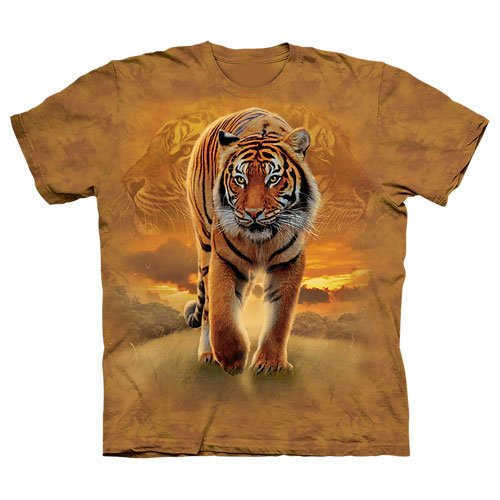
Best Tiger Shirts for Tiger Lovers
Best Tiger Shirts for Tiger Lovers Tiger shirts often miss the mark, leaving fans with dull prints that don’t capture the wild spirit of these majestic cats. If you’ve been hunting for the best tiger apparel that blends bold artistry with comfort, your search ends here. This post highlights tiger print t-shirts and stylish tiger […]
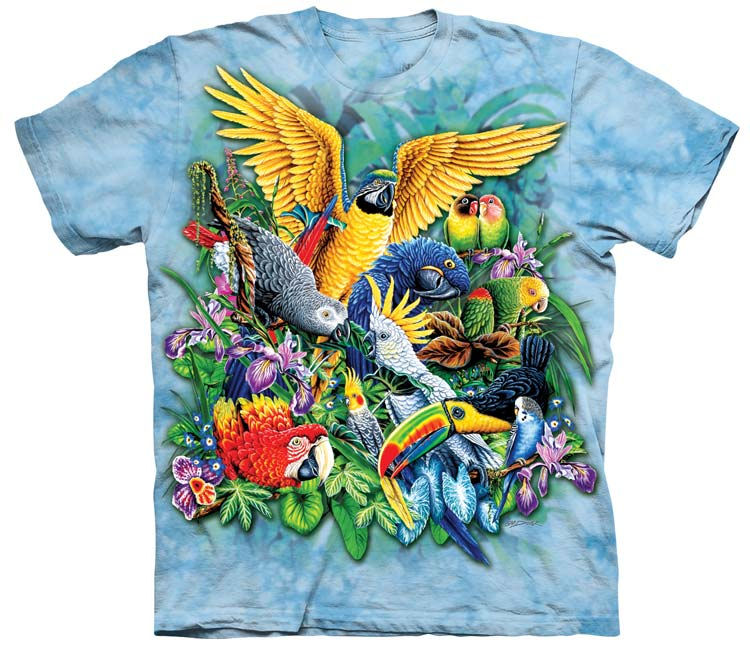
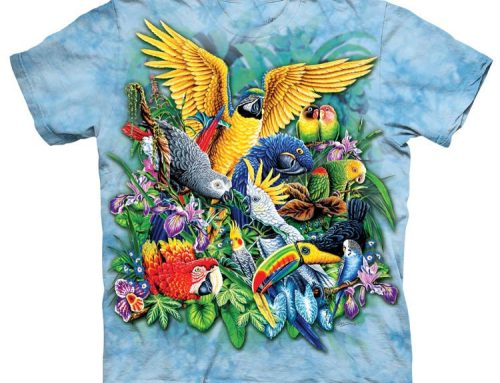
Best Bird Shirts for Bird Lovers
Best Bird Shirts for Bird Lovers Bird shirts aren’t just for casual wear anymore—they’ve become a statement for anyone who loves the colors and charm of feathered friends. If you want bird lover apparel that stands out, you’ll want to see the styles blending art and nature in fresh ways. This post highlights bird-themed t-shirts […]

Best Eagle Shirts for Eagle Lovers
Best Eagle Shirts for Eagle Lovers Eagle shirts don’t have to be ordinary. If you want to wear your passion for these powerful birds with style, the options out there can surprise you. From bold graphic eagle tees to subtle nature inspired clothing, the right eagle apparel makes a statement without sacrificing comfort. Keep reading […]

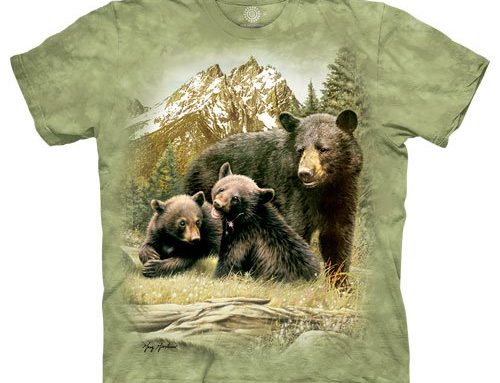
Best Bear Shirts for Wildlife Lovers
Best Bear Shirts for Wildlife Lovers Most bear shirts out there miss the mark between style and comfort. You want wildlife clothing that feels as good as it looks and truly captures the spirit of these powerful creatures. In this post, you’ll find bear graphic tees that balance charming artwork with bold designs, perfect for […]
Best Animal Shirts for Nature Lovers
Best Animal Shirts for Nature Lovers Forget plain tees that don’t say much about who you are. If you love the wild, your wardrobe should shout it loud and clear with the best animal shirts out there. These nature lover apparel pieces mix eye-catching wildlife graphic tees with comfort and style, perfect for anyone who […]
Follow us on Social Media
Instagram – YouTube – Pinterest – Twitter – Facebook
Alligators – Aquatic – Bears – Big Cats – Birds – Buffalo – Cats – Deer – Dinosaurs – Dogs – Dragons – Eagles – Elephants – Elk – Frogs – Gecko – Giraffes – Horses – Kittens – Moose – Pandas – Snakes – Tigers – Unicorns – Wolves – Cat Shirts – Celtic – Dog Shirts – Dolphins – Dragons – Eagles – Fairies – Horse Shirts – Misc – Native American Indians – Patriotic – Peace – Primates – Religion – Scary – Sci Fi – Skeletons – Tie Dye – Tigers – Wolf Shirts
Interesting Animal Facts and Information
Bald Eagles – Cheetahs – Dolphins – Dinosaurs – Tigers – Lions – Cats – Dogs



Leave A Comment
You must be logged in to post a comment.