
Did Dinosaurs have Feathers?
The question of whether dinosaurs had feathers has intrigued paleontologists and dinosaur enthusiasts alike, sparking a revolution in our understanding of these ancient creatures. Recent fossil evidence has brought forth fascinating discoveries, revealing that many dinosaurs, particularly those closely related to modern birds, likely sported feathers. This breakthrough in paleontology not only reshapes our perception of dinosaur evolution but also highlights the intricate connections between avian dinosaurs and their prehistoric counterparts. As we delve into these findings, we’ll explore how feathers may have played a role in the lives of dinosaurs, transforming our vision of these majestic giants and inspiring a deeper appreciation for the natural history that continues to unfold.
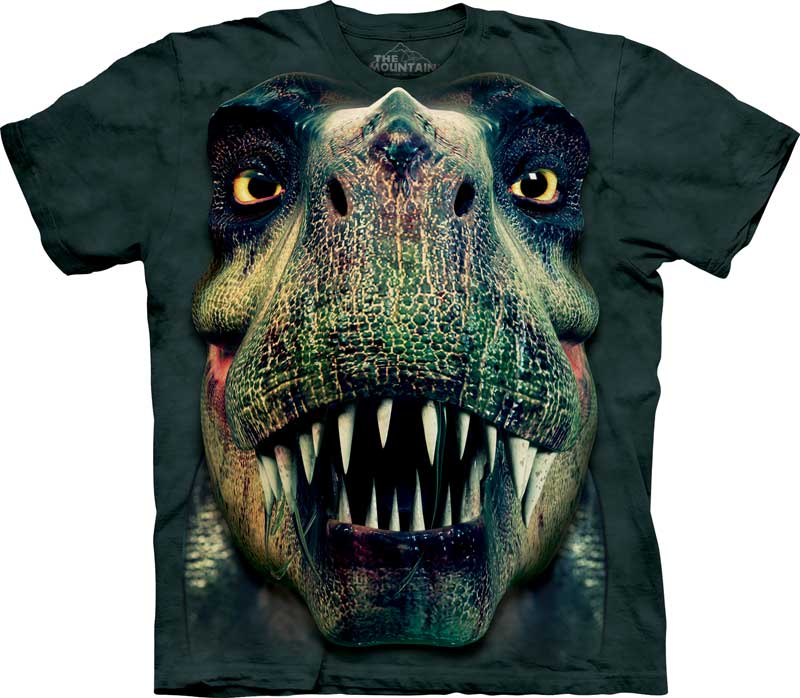
Uncovering Dinosaur Feathers
Early Fossil Evidence
The first indications of dinosaurs with feathers emerged from fossil evidence discovered in the 1990s. These groundbreaking findings came from the Liaoning Province in China, where well-preserved fossils of small theropod dinosaurs displayed feather-like structures. Among these, the Sinosauropteryx was pivotal, showcasing simple filamentous structures akin to hair. As more fossils were unearthed, scientists identified complex feathers on other species like the famous Archaeopteryx. These discoveries highlighted that feathers were not exclusive to avian dinosaurs but were also present in non-avian species. This early evidence suggests that feathers may have initially evolved for purposes other than flight, such as insulation or display. These insights into the past underscore the dynamic and multifaceted nature of dinosaur evolution, prompting a reevaluation of how these ancient creatures lived and interacted with their environments. Such revelations continue to captivate those fascinated by the deep history of life on Earth.
Role in Evolution
Feathers likely played a crucial role in the evolutionary journey of dinosaurs, particularly in shaping the transition from non-avian to avian dinosaurs. As fossil evidence suggests, feathers might have served multiple purposes beyond flight. Initially, they could have provided insulation, helping dinosaurs regulate their body temperatures in varying climates. This advantage would have been significant for survival, especially in cooler periods. Feathers might also have been used for display, aiding in mating rituals or territorial disputes, thus influencing social dynamics and natural selection. Over time, as the structure of feathers became more complex, they may have facilitated gliding and eventual powered flight in certain dinosaur lineages. This gradual adaptation underscores the versatility and evolutionary significance of feathers, marking a key development in the diversification of species. Understanding these roles helps scientists trace the intricate paths of evolution and how life on Earth has continually adapted to ecological challenges.
Avian Dinosaurs and Their Traits
Comparing Birds and Dinosaurs
The similarities between birds and dinosaurs provide compelling evidence of their evolutionary link. Modern birds are widely accepted as direct descendants of theropod dinosaurs, sharing numerous traits with their ancient relatives. Key similarities include skeletal structures like hollow bones, which are advantageous for flight due to their lightweight nature. Additionally, both groups exhibit a similar arrangement of hips and limbs, supporting the hypothesis of their shared lineage. The presence of feathers in both birds and many dinosaur species further strengthens this connection. These feathers range from simple filaments to complex flight feathers, suggesting a continuum of evolutionary development. Moreover, nesting behavior and brooding of eggs, observed in both birds and some dinosaur fossils, highlight shared reproductive strategies. This comparison not only enriches our understanding of avian dinosaurs but also emphasizes the continuity of evolutionary processes that have shaped the diversity of life we see today.
Discoveries of Dinosaurs with Feathers
The discovery of dinosaurs with feathers has been one of the most thrilling aspects of paleontology in recent decades. These findings began in the late 20th century and have since transformed our understanding of dinosaur biology. Notably, the Yixian Formation in China has been a treasure trove for such discoveries, revealing species like the Velociraptor and Microraptor, which exhibited feathers remarkably similar to those of modern birds. These fossils provide compelling evidence that feathers were widespread among theropods, the group most closely related to birds. In addition to the Chinese discoveries, feathered dinosaur fossils have been found in other parts of the world, including North America and Europe, suggesting a broad geographic spread. These revelations challenge the classic perception of dinosaurs as solely scaly reptiles, offering a more nuanced view that aligns them with avian species. This ongoing research continues to inspire and redefine our understanding of these fascinating prehistoric creatures.
Impact on Paleontology
Shifting Views in Science
The discovery of feathered dinosaurs has significantly shifted scientific views in paleontology, challenging long-held assumptions about these ancient creatures. Prior to these findings, dinosaurs were predominantly pictured as colossal reptiles with scaly skins. Fossil evidence of feathers has prompted a reevaluation of this image, revealing a more diverse and complex array of dinosaur species. This shift has led to new hypotheses about the behavior, ecology, and evolution of dinosaurs. For instance, the presence of feathers has spurred discussions about thermoregulation, suggesting some dinosaurs were warm-blooded. Additionally, it has led to a reconsideration of dinosaur color and patterns, as feather pigmentation can offer clues about their appearance. These revelations have also bridged gaps in the evolutionary lineage between non-avian dinosaurs and birds, underscoring the continuity of life from prehistoric times to the present. This paradigm shift in paleontology continues to inspire further research and enrich our understanding of Earth’s biological history.
Future Research Directions
The revelation of feathered dinosaurs opens numerous avenues for future research in paleontology. Scientists are keen to uncover more detailed fossil evidence that can further elucidate the evolutionary trajectory of feathers. Advanced imaging technologies, such as CT scanning, allow for non-destructive examination of fossilized specimens, revealing hidden structures and providing new insights into soft tissue preservation. Additionally, molecular studies aim to identify remnants of original proteins and pigments in fossils, offering clues about dinosaur coloration and physiology. Comparative analysis between feathered dinosaurs and modern birds can also shed light on functional adaptations and behaviors that have persisted through millions of years. Fieldwork in unexplored regions holds the promise of discovering new species, potentially expanding our understanding of feather evolution and diversity. These research directions not only deepen our knowledge of dinosaurs but also enhance our grasp of evolutionary biology and the intricate history of life on our planet.
Enjoy some interesting animal facts below!

Best Animal T-Shirts for Men Who Love Wildlife
Best Animal T-Shirts for Men Who Love Wildlife Most animal t-shirts blend into the background, leaving your love for wildlife unnoticed. You want shirts that speak louder than words, showcasing majestic lions, soaring eagles, and vibrant marine life with style. This guide highlights the best animal t-shirts for men, combining bold graphics with comfort and […]
Best Tiger Shirts for Tiger Lovers
Best Tiger Shirts for Tiger Lovers Tiger shirts often miss the mark, leaving fans with dull prints that don’t capture the wild spirit of these majestic cats. If you’ve been hunting for the best tiger apparel that blends bold artistry with comfort, your search ends here. This post highlights tiger print t-shirts and stylish tiger […]
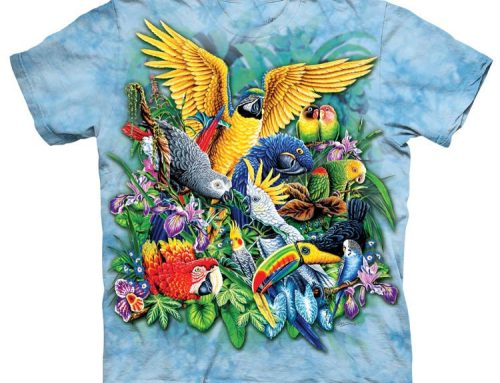
Best Bird Shirts for Bird Lovers
Best Bird Shirts for Bird Lovers Bird shirts aren’t just for casual wear anymore—they’ve become a statement for anyone who loves the colors and charm of feathered friends. If you want bird lover apparel that stands out, you’ll want to see the styles blending art and nature in fresh ways. This post highlights bird-themed t-shirts […]

Best Eagle Shirts for Eagle Lovers
Best Eagle Shirts for Eagle Lovers Eagle shirts don’t have to be ordinary. If you want to wear your passion for these powerful birds with style, the options out there can surprise you. From bold graphic eagle tees to subtle nature inspired clothing, the right eagle apparel makes a statement without sacrificing comfort. Keep reading […]

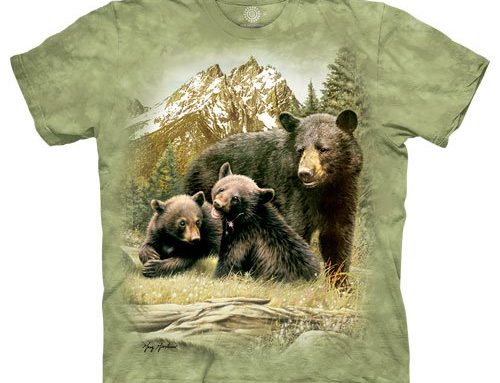
Best Bear Shirts for Wildlife Lovers
Best Bear Shirts for Wildlife Lovers Most bear shirts out there miss the mark between style and comfort. You want wildlife clothing that feels as good as it looks and truly captures the spirit of these powerful creatures. In this post, you’ll find bear graphic tees that balance charming artwork with bold designs, perfect for […]

Best Animal Shirts for Nature Lovers
Best Animal Shirts for Nature Lovers Forget plain tees that don’t say much about who you are. If you love the wild, your wardrobe should shout it loud and clear with the best animal shirts out there. These nature lover apparel pieces mix eye-catching wildlife graphic tees with comfort and style, perfect for anyone who […]
Follow us on Social Media
Instagram – YouTube – Pinterest – Twitter – Facebook
Alligators – Aquatic – Bears – Big Cats – Birds – Buffalo – Cats – Deer – Dinosaurs – Dogs – Dragons – Eagles – Elephants – Elk – Frogs – Gecko – Giraffes – Horses – Kittens – Moose – Pandas – Snakes – Tigers – Unicorns – Wolves – Cat Shirts – Celtic – Dog Shirts – Dolphins – Dragons – Eagles – Fairies – Horse Shirts – Misc – Native American Indians – Patriotic – Peace – Primates – Religion – Scary – Sci Fi – Skeletons – Tie Dye – Tigers – Wolf Shirts
Interesting Animal Facts and Information
Bald Eagles – Cheetahs – Dolphins – Dinosaurs – Tigers – Lions – Cats – Dogs


Leave A Comment
You must be logged in to post a comment.