
What is the difference between a dinosaur and other prehistoric reptiles?
Understanding the difference between dinosaurs and other prehistoric reptiles is crucial for students, educators, and dinosaur enthusiasts alike. Dinosaurs, a specific group of reptiles that dominated the Mesozoic era, have unique characteristics that set them apart from other prehistoric reptiles such as pterosaurs and marine reptiles. By delving into the history of dinosaurs and examining the distinct types of reptiles that roamed the earth millions of years ago, we can gain a clearer picture of our planet’s ancient past. In this piece, we will explore the fascinating distinctions and uncover what truly makes dinosaurs stand out.

Defining Dinosaurs
Characteristics of Dinosaurs
Dinosaurs are distinguished from other prehistoric reptiles by several unique characteristics. Unlike modern reptiles, dinosaurs had an upright stance with legs positioned directly beneath their bodies. This anatomical feature contributed to their ability to support large body sizes and enabled efficient locomotion. Additionally, dinosaurs typically had a specialized hip structure that differentiated them into two groups: the saurischians and ornithischians.
Another key characteristic is their growth patterns. Dinosaurs generally exhibited faster growth rates compared to other reptiles, thanks to their highly vascularized bones. Furthermore, they laid eggs, and many species showed evidence of parental care. These traits illustrate the adaptability and evolution of dinosaurs over millions of years. Understanding these characteristics helps clarify the difference between dinosaurs and other prehistoric reptiles, providing insight into the vast diversity among ancient creatures. Studying how these features contributed to their dominance offers a glimpse into the history of dinosaurs.
Types of Dinosaurs
Dinosaurs are broadly classified into two primary types based on their hip structures: saurischians and ornithischians. Saurischians, known as “lizard-hipped” dinosaurs, include the iconic theropods and sauropodomorphs. Theropods were typically bipedal and carnivorous, with the famous Tyrannosaurus rex and Velociraptor among their ranks. Sauropodomorphs, on the other hand, were mainly herbivorous and included massive, long-necked dinosaurs like Brachiosaurus and Diplodocus.
Ornithischians, or “bird-hipped” dinosaurs, were primarily herbivores and boasted a variety of body shapes and sizes. This group includes stegosaurs, with their distinct back plates; ankylosaurs, known for their armored bodies; and ceratopsians, which sported elaborate horns and frills, like Triceratops. Each type of dinosaur reflects the rich diversity and adaptability that allowed these prehistoric reptiles to thrive across different environments. Understanding these types provides insight into the evolutionary success and history of dinosaurs.
Prehistoric Reptiles Overview
Key Traits of Prehistoric Reptiles
Prehistoric reptiles encompass a wide range of species beyond dinosaurs, each with unique traits that suited their environments. Unlike dinosaurs, many prehistoric reptiles had sprawling postures, with limbs extended to the sides. This group includes pterosaurs, the first vertebrates to achieve powered flight, characterized by their membranous wings and often elongated beaks. Marine reptiles, such as ichthyosaurs, plesiosaurs, and mosasaurs, adapted to life in water with streamlined bodies, flippers, and in some cases, tail fins for propulsion.
Moreover, prehistoric reptiles displayed varying scales, body armor, and teeth structures, reflecting their diverse diets and habitats. Some were herbivorous, while others were formidable predators. These differences highlight the evolutionary adaptations that allowed these reptiles to occupy diverse ecological niches. Understanding the key traits of prehistoric reptiles helps clarify their roles and interactions within ancient ecosystems, further distinguishing them in the broader context of the history of dinosaurs and reptiles.
Types of Reptiles in Prehistory
Prehistoric reptiles are categorized into several major groups, each with distinct characteristics and evolutionary paths. Pterosaurs, often mistaken for dinosaurs, were flying reptiles with wingspans that ranged from a few feet to over thirty feet. These reptiles were well-adapted for flight, with lightweight bones and specialized wing structures.
In the oceans, marine reptiles like ichthyosaurs, plesiosaurs, and mosasaurs dominated. Ichthyosaurs resembled modern dolphins and were adept swimmers with streamlined bodies and powerful tails. Plesiosaurs, on the other hand, had long necks and broad, paddle-like limbs, ideal for maneuvering through water. Mosasaurs were formidable predators with elongated bodies and strong, snake-like movements.
Additionally, terrestrial reptiles such as early crocodilians and various lizard-like species inhabited diverse environments. These reptiles showcased a range of adaptations, from armored bodies to specialized teeth, enabling them to thrive in different ecological niches. Understanding the types of reptiles in prehistory provides a comprehensive view of the diversity and complexity of ancient ecosystems.
Differences Between Dinosaurs and Reptiles
Evolutionary Divergence
The evolutionary divergence between dinosaurs and other prehistoric reptiles is rooted in their distinct anatomical and physiological developments. Dinosaurs emerged during the Triassic period, evolving unique features such as upright legs and specific hip structures, which set them apart from their reptilian relatives. This divergence allowed dinosaurs to occupy a variety of ecological niches, leading to an explosion in diversity throughout the Mesozoic era.
In contrast, other prehistoric reptiles like pterosaurs and marine reptiles followed separate evolutionary paths. Pterosaurs adapted to aerial environments with their winged flight capabilities, while marine reptiles evolved for aquatic life with streamlined bodies and specialized limbs for swimming. These adaptations reflect their distinct evolutionary pressures and environmental demands.
The divergence between dinosaurs and other reptiles highlights the specialized evolutionary paths each group took, driven by varying ecological niches and survival strategies. This understanding underscores the complexity of prehistoric life and the rich tapestry of adaptations that evolved over millions of years.
Fossil Evidence and Interpretations
Fossil evidence plays a crucial role in distinguishing dinosaurs from other prehistoric reptiles. Dinosaur fossils often reveal unique skeletal structures, such as their hip formations and upright leg postures, which are not present in other reptilian fossils. Additionally, the presence of certain bone microstructures, including vascularized bone tissues, provides insights into the growth patterns and metabolic rates of dinosaurs.
In contrast, the fossilized remains of pterosaurs, marine reptiles, and other prehistoric reptiles display different adaptations. Pterosaur fossils show evidence of wing membranes and elongated finger bones, essential for flight. Marine reptile fossils, like those of ichthyosaurs and plesiosaurs, exhibit streamlined bodies and limb modifications suited for swimming.
Interpretations of these fossils have evolved over time as new discoveries are made and technologies improve. Advanced imaging techniques and detailed fossil analyses continue to refine our understanding of these ancient creatures. This ongoing research helps clarify the differences between dinosaurs and other prehistoric reptiles, enriching our knowledge of the history of dinosaurs and the broader spectrum of prehistoric life.
Enjoy some interesting animal facts below!
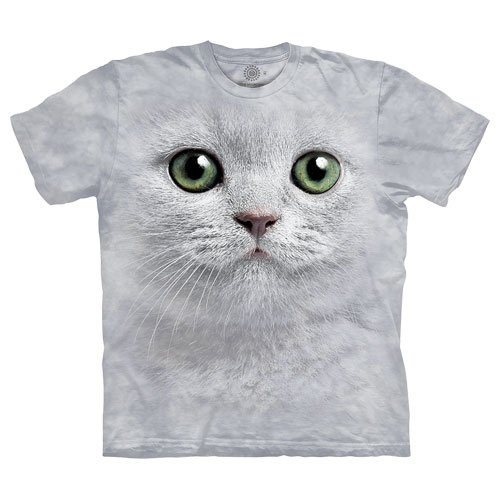
Best Animal T-Shirts for Men Who Love Wildlife
Best Animal T-Shirts for Men Who Love Wildlife Most animal t-shirts blend into the background, leaving your love for wildlife unnoticed. You want shirts that speak louder than words, showcasing majestic lions, soaring eagles, and vibrant marine life with style. This guide highlights the best animal t-shirts for men, combining bold graphics with comfort and […]
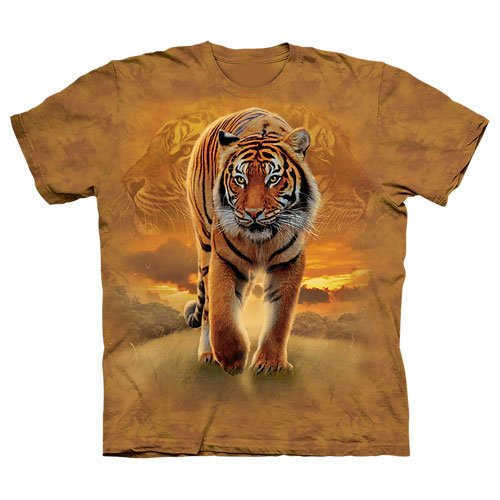
Best Tiger Shirts for Tiger Lovers
Best Tiger Shirts for Tiger Lovers Tiger shirts often miss the mark, leaving fans with dull prints that don’t capture the wild spirit of these majestic cats. If you’ve been hunting for the best tiger apparel that blends bold artistry with comfort, your search ends here. This post highlights tiger print t-shirts and stylish tiger […]
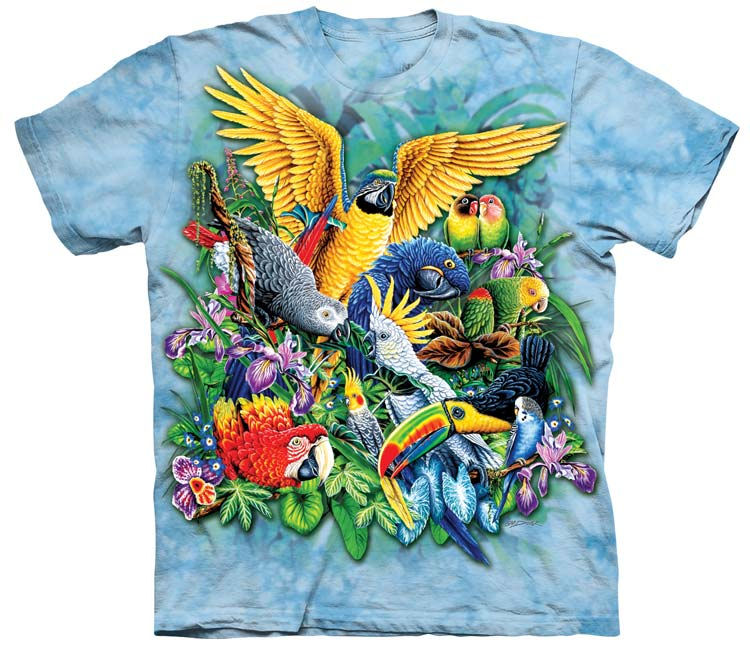
Best Bird Shirts for Bird Lovers
Best Bird Shirts for Bird Lovers Bird shirts aren’t just for casual wear anymore—they’ve become a statement for anyone who loves the colors and charm of feathered friends. If you want bird lover apparel that stands out, you’ll want to see the styles blending art and nature in fresh ways. This post highlights bird-themed t-shirts […]
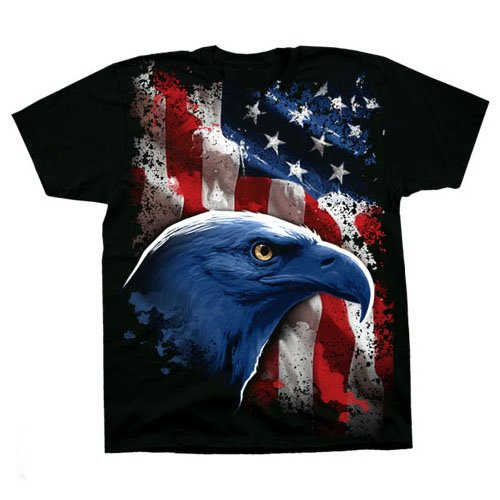
Best Eagle Shirts for Eagle Lovers
Best Eagle Shirts for Eagle Lovers Eagle shirts don’t have to be ordinary. If you want to wear your passion for these powerful birds with style, the options out there can surprise you. From bold graphic eagle tees to subtle nature inspired clothing, the right eagle apparel makes a statement without sacrificing comfort. Keep reading […]

Best Bear Shirts for Wildlife Lovers
Best Bear Shirts for Wildlife Lovers Most bear shirts out there miss the mark between style and comfort. You want wildlife clothing that feels as good as it looks and truly captures the spirit of these powerful creatures. In this post, you’ll find bear graphic tees that balance charming artwork with bold designs, perfect for […]
Best Animal Shirts for Nature Lovers
Best Animal Shirts for Nature Lovers Forget plain tees that don’t say much about who you are. If you love the wild, your wardrobe should shout it loud and clear with the best animal shirts out there. These nature lover apparel pieces mix eye-catching wildlife graphic tees with comfort and style, perfect for anyone who […]
Follow us on Social Media
Instagram – YouTube – Pinterest – Twitter – Facebook
Alligators – Aquatic – Bears – Big Cats – Birds – Buffalo – Cats – Deer – Dinosaurs – Dogs – Dragons – Eagles – Elephants – Elk – Frogs – Gecko – Giraffes – Horses – Kittens – Moose – Pandas – Snakes – Tigers – Unicorns – Wolves – Cat Shirts – Celtic – Dog Shirts – Dolphins – Dragons – Eagles – Fairies – Horse Shirts – Misc – Native American Indians – Patriotic – Peace – Primates – Religion – Scary – Sci Fi – Skeletons – Tie Dye – Tigers – Wolf Shirts
Interesting Animal Facts and Information
Bald Eagles – Cheetahs – Dolphins – Dinosaurs – Tigers – Lions – Cats – Dogs


Leave A Comment
You must be logged in to post a comment.