
How were dinosaurs discovered?
The discovery of dinosaurs has captivated human imagination and fueled scientific inquiry for centuries. The journey from fossil excavation to scientific discoveries unfolds a fascinating tale of how dinosaurs were discovered, transforming our understanding of Earth’s history. For history enthusiasts, paleontology students, and curious readers, this exploration into paleontology history offers a unique glimpse into the past, showcasing the thrilling fossil finds that have shaped our knowledge. By delving into the meticulous process of unearthing these ancient giants, we can appreciate the profound impact of these discoveries on science and education. Join us as we embark on this extraordinary journey through time, unraveling the secrets of the prehistoric world.

Early Fossil Excavations
First Major Fossil Finds
In the early 19th century, the first major fossil finds marked a turning point in paleontology history. These discoveries were pivotal in understanding how dinosaurs were discovered and recognized as unique prehistoric creatures. One of the earliest significant finds was that of the Megalosaurus in England, unearthed during the 1820s. William Buckland, a pioneering geologist, first described it scientifically, making it the first dinosaur to be named. Around the same time, Mary Anning, a renowned fossil collector, discovered the first complete Ichthyosaurus skeleton, further igniting scientific interest. In the following decades, more fossil finds, such as the Iguanodon, were unearthed in Europe and North America. These early excavations laid the groundwork for future scientific discoveries, shaping the field of paleontology and deepening our understanding of Earth’s ancient history through fossil excavation.
Early Paleontologists’ Contributions
The contributions of early paleontologists were instrumental in shaping the understanding of dinosaur discovery. These scientists laid the foundation for modern paleontology through their meticulous work and groundbreaking ideas. Richard Owen, a prominent figure in the field, is credited with coining the term “Dinosauria” in 1842, classifying these prehistoric creatures as a distinct group. His work brought clarity to the chaotic collection of fossil finds at the time. Gideon Mantell, another key figure, played a crucial role by discovering and describing the Iguanodon, one of the first dinosaurs to be scientifically recognized. These pioneers, along with others like Joseph Leidy in America, who described the first dinosaur fossils in North America, advanced the scientific discoveries of the era. Their endeavors in fossil excavation opened new avenues for research, ushering in a transformative period in paleontology history and providing invaluable insights into how dinosaurs were discovered.
Initial Skepticism and Acceptance
The journey to understanding how dinosaurs were discovered was not without skepticism. Initially, the idea of enormous reptiles roaming prehistoric Earth seemed far-fetched to many. Early fossil finds were often misinterpreted or dismissed as myth. Some even suggested that the large bones belonged to biblical giants or mythical creatures. It took time and rigorous scientific inquiry to shift these perceptions. The work of early paleontologists, who meticulously documented and categorized dinosaur fossils, gradually persuaded the scientific community. As more fossil excavation sites yielded consistent findings, evidence mounted in favor of the existence of these ancient creatures. Public exhibitions and detailed illustrations further helped sway public opinion. By the late 19th century, the acceptance of dinosaurs as a significant part of Earth’s history was solidified. This transition from skepticism to acceptance marked a pivotal moment in paleontology history, leading to deeper scientific discoveries and a broader understanding of our planet’s past.
Revolutionary Scientific Discoveries
Identifying Dinosaur Species
The identification of dinosaur species marked a revolutionary period in scientific discoveries. As fossil finds became more frequent and diverse, paleontologists began to classify these ancient creatures into distinct species. This process involved meticulously comparing fossilized bones and teeth, and identifying unique morphological features. In the late 19th and early 20th centuries, pioneering scientists like Edward Drinker Cope and Othniel Charles Marsh were at the forefront of this endeavor. Their fierce competition, known as the “Bone Wars,” led to the discovery and identification of numerous dinosaur species, including the Triceratops and Stegosaurus. These efforts expanded the scientific understanding of dinosaur biodiversity and their evolutionary relationships. The development of more sophisticated tools and techniques, such as radiometric dating and computerized tomography (CT) scans, further refined species identification. This progress not only enriched paleontology history but also answered fundamental questions about how dinosaurs were discovered and classified, providing a clearer picture of Earth’s ancient ecosystems.
Advances in Paleontology Techniques
The advancement of paleontology techniques has been crucial in deepening our understanding of how dinosaurs were discovered and studied. Over the years, technological innovations have transformed the field, making fossil excavation and analysis more precise and informative. Early techniques relied heavily on manual excavation and visual inspection, limiting the scope of discoveries. However, the introduction of radiometric dating allowed scientists to determine the age of fossils with greater accuracy, providing essential context for dinosaur discoveries. Additionally, the use of computerized tomography (CT) scans has enabled researchers to examine fossilized remains non-destructively, revealing intricate details of bone structures and internal features. Advances in 3D modeling and digital reconstruction have also facilitated the study of dinosaur morphology and behavior. These cutting-edge methods have not only accelerated the pace of scientific discoveries but also enriched our understanding of paleontology history, ensuring a more comprehensive exploration of the prehistoric world.
Public Fascination with Dinosaurs
Public fascination with dinosaurs has been a driving force behind the widespread interest in paleontology and scientific discoveries. This fascination began in the 19th century when the first major fossil finds were displayed in museums, captivating audiences with their sheer size and mystery. As paleontologists unearthed more about how dinosaurs were discovered and lived, the public’s curiosity only intensified. Dinosaurs became a symbol of the prehistoric world, sparking imaginations and inspiring countless works of art, literature, and film. Iconic movies like “Jurassic Park” have played a significant role in popularizing dinosaurs, blending scientific realism with entertainment. Educational programs and exhibits have further engaged audiences, making paleontology accessible to all ages. This widespread interest has supported ongoing fossil excavation efforts and funded research initiatives, enabling further scientific breakthroughs. Ultimately, the public’s enduring fascination with these ancient giants continues to fuel exploration in paleontology history, bridging the gap between science and popular culture.
Enjoy some interesting animal facts below!

Best Animal T-Shirts for Men Who Love Wildlife
Best Animal T-Shirts for Men Who Love Wildlife Most animal t-shirts blend into the background, leaving your love for wildlife unnoticed. You want shirts that speak louder than words, showcasing majestic lions, soaring eagles, and vibrant marine life with style. This guide highlights the best animal t-shirts for men, combining bold graphics with comfort and […]

Best Tiger Shirts for Tiger Lovers
Best Tiger Shirts for Tiger Lovers Tiger shirts often miss the mark, leaving fans with dull prints that don’t capture the wild spirit of these majestic cats. If you’ve been hunting for the best tiger apparel that blends bold artistry with comfort, your search ends here. This post highlights tiger print t-shirts and stylish tiger […]
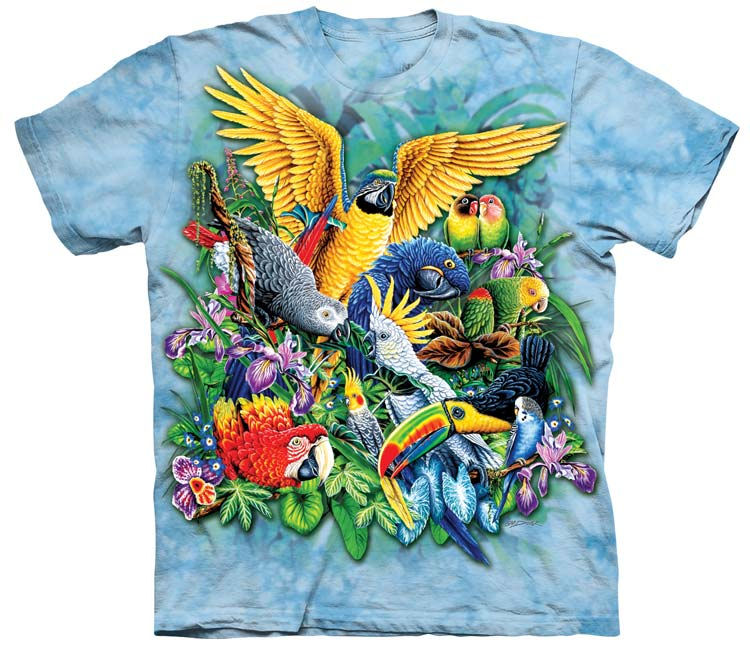
Best Bird Shirts for Bird Lovers
Best Bird Shirts for Bird Lovers Bird shirts aren’t just for casual wear anymore—they’ve become a statement for anyone who loves the colors and charm of feathered friends. If you want bird lover apparel that stands out, you’ll want to see the styles blending art and nature in fresh ways. This post highlights bird-themed t-shirts […]

Best Eagle Shirts for Eagle Lovers
Best Eagle Shirts for Eagle Lovers Eagle shirts don’t have to be ordinary. If you want to wear your passion for these powerful birds with style, the options out there can surprise you. From bold graphic eagle tees to subtle nature inspired clothing, the right eagle apparel makes a statement without sacrificing comfort. Keep reading […]

Best Bear Shirts for Wildlife Lovers
Best Bear Shirts for Wildlife Lovers Most bear shirts out there miss the mark between style and comfort. You want wildlife clothing that feels as good as it looks and truly captures the spirit of these powerful creatures. In this post, you’ll find bear graphic tees that balance charming artwork with bold designs, perfect for […]

Best Animal Shirts for Nature Lovers
Best Animal Shirts for Nature Lovers Forget plain tees that don’t say much about who you are. If you love the wild, your wardrobe should shout it loud and clear with the best animal shirts out there. These nature lover apparel pieces mix eye-catching wildlife graphic tees with comfort and style, perfect for anyone who […]
Follow us on Social Media
Instagram – YouTube – Pinterest – Twitter – Facebook
Alligators – Aquatic – Bears – Big Cats – Birds – Buffalo – Cats – Deer – Dinosaurs – Dogs – Dragons – Eagles – Elephants – Elk – Frogs – Gecko – Giraffes – Horses – Kittens – Moose – Pandas – Snakes – Tigers – Unicorns – Wolves – Cat Shirts – Celtic – Dog Shirts – Dolphins – Dragons – Eagles – Fairies – Horse Shirts – Misc – Native American Indians – Patriotic – Peace – Primates – Religion – Scary – Sci Fi – Skeletons – Tie Dye – Tigers – Wolf Shirts
Interesting Animal Facts and Information
Bald Eagles – Cheetahs – Dolphins – Dinosaurs – Tigers – Lions – Cats – Dogs



Leave A Comment
You must be logged in to post a comment.