
Did Dinosaurs Live at the Same Time as Humans?
The fascinating relationship between dinosaurs and humans has long intrigued paleontologists and history enthusiasts alike. One of the most captivating questions is whether these creatures of prehistoric life ever shared the ancient timeline with humans. Through the study of fossils and the principles of paleontology, we gain insights into the evolution of life on Earth and the extinction events that shaped it. In this document, we aim to unravel the timeline of dinosaurs and humans, exploring the evidence and debunking myths about their coexistence. Join us as we delve into the depths of ancient history to better understand the world that once was.

The Prehistoric Life Timeline
Dinosaurs: Kings of the Mesozoic
Dinosaurs ruled the Earth during the Mesozoic Era, which spanned approximately 180 million years. This era is divided into three periods: Triassic, Jurassic, and Cretaceous. During this time, these magnificent creatures evolved and diversified into a myriad of species. From the towering Brachiosaurus to the fierce Tyrannosaurus Rex, dinosaurs dominated the land, sea, and air. Their reign came to an abrupt end around 66 million years ago due to a mass extinction event, likely triggered by an asteroid impact. This event wiped out approximately 75% of Earth’s species, including all non-avian dinosaurs. Fossil records from this era provide invaluable insights into their existence, helping paleontologists piece together the puzzle of prehistoric life. Understanding the timeline of dinosaurs is critical to grasping the broader picture of evolution and extinction on our planet.
Humans: A Much Later Arrival
Humans emerged long after the dinosaurs had vanished from the Earth. Our species, Homo sapiens, appeared approximately 300,000 years ago during the Pleistocene Epoch. This significant gap in the ancient timeline means that humans and dinosaurs never coexisted. The evolution of humans began with earlier hominids, who gradually adapted to changing environments over millions of years. Fossil evidence traces the progression from these early ancestors to modern humans, revealing changes in brain size, tool use, and social structures. During this time, humans not only adapted to their surroundings but also began altering them, marking the dawn of agriculture and civilization. Understanding the timeline of human evolution provides a clearer picture of our place in Earth’s history, highlighting the unique path that led us to dominate the planet in ways the dinosaurs never did. This perspective emphasizes the distinct evolutionary journey of humans in the prehistoric life timeline.
The Gap Between Dinosaurs and Humans
The gap between the extinction of dinosaurs and the emergence of humans is vast, spanning approximately 65 million years. Following the mass extinction event that ended the reign of dinosaurs, the Earth underwent significant changes. This period, known as the Cenozoic Era, saw the rise of mammals and birds, which filled the ecological niches left vacant by the dinosaurs. During this time, diverse species flourished, evolving into the complex forms we see today. The fossil record from this era shows the gradual development of life forms leading up to the arrival of primates and eventually humans. This extensive gap underscores the distinct phases of Earth’s history, where each era was shaped by different dominant species and environmental conditions. By studying this timeline, paleontologists gain a deeper understanding of how life on Earth has evolved through various epochs, highlighting the separate evolutionary paths of dinosaurs and humans.
Fossils and What They Tell Us
Fossil Evidence of Dinosaurs
Fossil evidence is crucial for understanding the lives of dinosaurs. These remains, preserved in sedimentary rock, provide a window into the distant past. Fossils include bones, teeth, footprints, and even skin impressions, each offering unique insights. For instance, the discovery of a nearly complete Tyrannosaurus Rex skeleton helped scientists understand its massive size and predatory nature. Fossilized nests and eggs reveal aspects of dinosaur reproduction and social behavior. Additionally, trace fossils, like footprints, can indicate the movement patterns and interactions of these ancient creatures. Paleontologists use these clues to reconstruct the environments in which dinosaurs lived, from lush forests to arid deserts. Advanced technologies, such as CT scanning, allow for detailed analysis without damaging the fossils. This growing body of evidence continually refines our understanding of dinosaur evolution, ecology, and ultimately, their extinction, painting a vivid picture of prehistoric life.
Human Fossils and Their Timeline
Human fossils are pivotal in tracing the evolutionary journey of Homo sapiens. These fossils, including bones and artifacts, provide clear markers of our development over millennia. Key discoveries such as the Australopithecus afarensis skeleton, famously known as “Lucy,” highlight early hominid life around 3.2 million years ago. These fossils indicate bipedal movement, a crucial step in human evolution. As we move along the timeline, fossils of Homo habilis and Homo erectus show advancements in tool use and brain size. The Neanderthals, another significant find, offer insights into our closest extinct relatives, revealing interactions and interbreeding with early modern humans. Fossilized remains found in various regions help map the migration patterns of early humans as they spread worldwide. By examining these fossils, scientists piece together the story of human evolution, detailing the physical and cultural adaptations that have shaped our species over hundreds of thousands of years.
Misconceptions About Coexistence
A common misconception is that dinosaurs and humans coexisted. This idea often stems from popular culture, which sometimes depicts them living together. However, fossil evidence firmly debunks this myth. Dinosaurs became extinct approximately 66 million years ago, while the earliest human ancestors appeared only around 6 million years ago. This vast temporal gap highlights the distinct eras in which each lived. Misunderstandings can also arise from the discovery of fossilized remains in similar regions but from different time periods. Such findings are often misinterpreted, leading to the erroneous belief in coexistence. Additionally, fictional portrayals in movies and literature further blur the lines between fact and fiction. Educating on the scientific evidence and emphasizing the importance of the fossil record can help dispel these myths. By understanding the actual timeline, we appreciate the unique evolutionary paths that led to the dominance of dinosaurs in the Mesozoic Era and humans in the Cenozoic Era.
The Evolution and Extinction Puzzle
Evolutionary Paths of Dinosaurs
Dinosaurs followed diverse evolutionary paths, resulting in a wide array of species adapted to various environments. The earliest dinosaurs appeared in the Triassic period, approximately 230 million years ago. These early forms were relatively small and bipedal, but over millions of years, they evolved into the colossal giants of the Jurassic and Cretaceous periods. Evolutionary pressures, such as climate changes and competition for resources, drove the development of different physical traits. Herbivorous dinosaurs like the long-necked Diplodocus developed massive bodies to reach high vegetation, while carnivorous species like the Velociraptor evolved agility and sharp claws for hunting. Some dinosaurs, such as the Archaeopteryx, even showed early signs of feather development, linking them to modern birds. This evolutionary diversity underscores the adaptability and resilience of dinosaurs. Understanding these evolutionary paths provides insight into how life adapts and thrives across changing environments, highlighting the dynamic nature of prehistoric life on Earth.
Human Evolution: A Separate Journey
Human evolution represents a distinct evolutionary path that diverged significantly from the age of dinosaurs. Originating in Africa, early hominids began their journey around 6 million years ago. This separate journey is marked by key developments such as bipedalism, which freed hands for tool use and manipulation. Over time, the human brain expanded, enabling complex thought, language, and social structures. Fossils like Homo habilis and Homo erectus show the gradual refinement of tool-making skills and the ability to harness fire, setting the stage for cultural evolution. As Homo sapiens emerged, they spread across the globe, adapting to diverse climates and ecosystems. This adaptability led to agricultural advancements and the formation of civilizations. Unlike dinosaurs, whose evolution ended in extinction, humans have continued to evolve culturally and technologically. Understanding this distinct path highlights the unique aspects of human evolution, emphasizing how separate evolutionary pressures have shaped the development of our species in the prehistoric life timeline.
The Extinction Events and Their Impact
Extinction events have played a pivotal role in shaping the course of life on Earth. The most famous of these is the Cretaceous-Paleogene (K-Pg) extinction event approximately 66 million years ago, which led to the demise of the dinosaurs. Likely caused by a massive asteroid impact, this event triggered drastic climate changes, including a “nuclear winter” effect that disrupted photosynthesis. The loss of vegetation cascaded through the food chain, resulting in the extinction of about 75% of Earth’s species. These extinction events, although devastating, cleared ecological niches and paved the way for the rise of mammals and eventually humans. Other significant extinctions, such as the Permian-Triassic event, reshaped life by eliminating dominant species and allowing new ones to emerge. Understanding these events helps scientists predict potential future extinctions and their impacts. The study of past extinctions underscores the dynamic nature of evolution and the resilience of life in adapting to catastrophic changes.
Enjoy some interesting animal facts below!

Best Animal T-Shirts for Men Who Love Wildlife
Best Animal T-Shirts for Men Who Love Wildlife Most animal t-shirts blend into the background, leaving your love for wildlife unnoticed. You want shirts that speak louder than words, showcasing majestic lions, soaring eagles, and vibrant marine life with style. This guide highlights the best animal t-shirts for men, combining bold graphics with comfort and […]
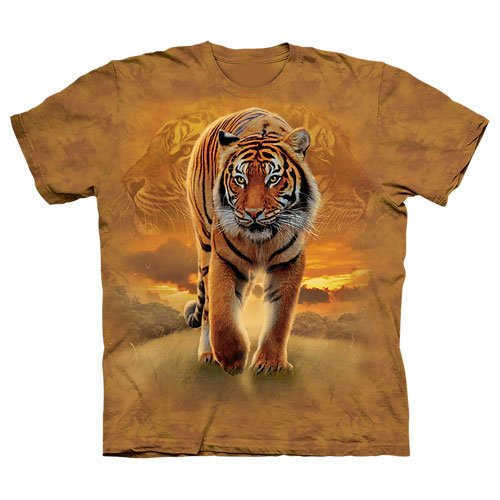
Best Tiger Shirts for Tiger Lovers
Best Tiger Shirts for Tiger Lovers Tiger shirts often miss the mark, leaving fans with dull prints that don’t capture the wild spirit of these majestic cats. If you’ve been hunting for the best tiger apparel that blends bold artistry with comfort, your search ends here. This post highlights tiger print t-shirts and stylish tiger […]
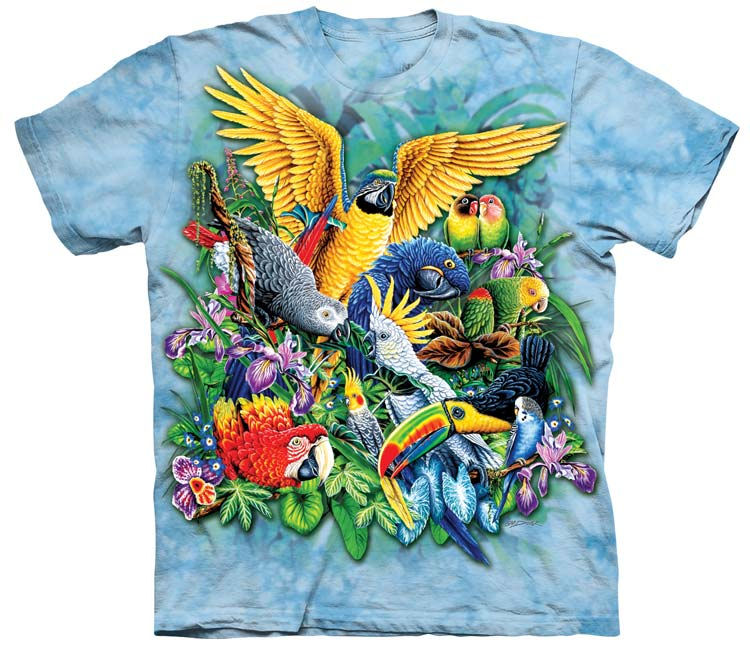
Best Bird Shirts for Bird Lovers
Best Bird Shirts for Bird Lovers Bird shirts aren’t just for casual wear anymore—they’ve become a statement for anyone who loves the colors and charm of feathered friends. If you want bird lover apparel that stands out, you’ll want to see the styles blending art and nature in fresh ways. This post highlights bird-themed t-shirts […]

Best Eagle Shirts for Eagle Lovers
Best Eagle Shirts for Eagle Lovers Eagle shirts don’t have to be ordinary. If you want to wear your passion for these powerful birds with style, the options out there can surprise you. From bold graphic eagle tees to subtle nature inspired clothing, the right eagle apparel makes a statement without sacrificing comfort. Keep reading […]

Best Bear Shirts for Wildlife Lovers
Best Bear Shirts for Wildlife Lovers Most bear shirts out there miss the mark between style and comfort. You want wildlife clothing that feels as good as it looks and truly captures the spirit of these powerful creatures. In this post, you’ll find bear graphic tees that balance charming artwork with bold designs, perfect for […]

Best Animal Shirts for Nature Lovers
Best Animal Shirts for Nature Lovers Forget plain tees that don’t say much about who you are. If you love the wild, your wardrobe should shout it loud and clear with the best animal shirts out there. These nature lover apparel pieces mix eye-catching wildlife graphic tees with comfort and style, perfect for anyone who […]
Follow us on Social Media
Instagram – YouTube – Pinterest – Twitter – Facebook
Alligators – Aquatic – Bears – Big Cats – Birds – Buffalo – Cats – Deer – Dinosaurs – Dogs – Dragons – Eagles – Elephants – Elk – Frogs – Gecko – Giraffes – Horses – Kittens – Moose – Pandas – Snakes – Tigers – Unicorns – Wolves – Cat Shirts – Celtic – Dog Shirts – Dolphins – Dragons – Eagles – Fairies – Horse Shirts – Misc – Native American Indians – Patriotic – Peace – Primates – Religion – Scary – Sci Fi – Skeletons – Tie Dye – Tigers – Wolf Shirts
Interesting Animal Facts and Information
Bald Eagles – Cheetahs – Dolphins – Dinosaurs – Tigers – Lions – Cats – Dogs



Leave A Comment
You must be logged in to post a comment.