

From Solitude to Solidarity: Understanding Wolf Pack Behavior
Wolves have long captured human imagination, often depicted as solitary figures prowling through moonlit forests. However, the reality of wolf pack behavior challenges this myth, revealing a complex social structure built on deep family bonds. In the wild, wolves are rarely alone by choice; a solitary wolf typically results from unusual circumstances. This article will delve into the intricate dynamics of wolf family bonds, offering insights into their cooperative nature and the rare moments that lead to solitude. Whether you’re a wildlife enthusiast or a researcher seeking to understand animal social structures, this exploration will redefine your perception of these fascinating creatures. Learn more about wolf pack behavior.
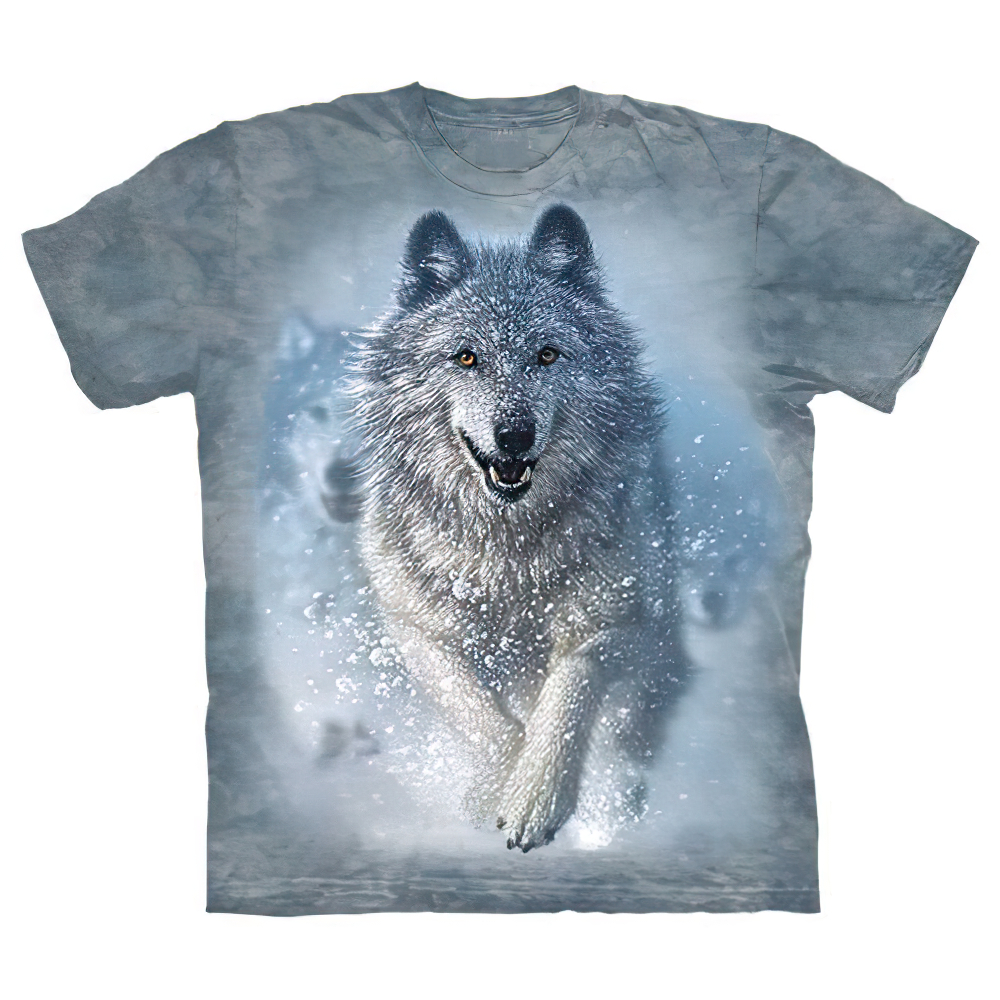
Debunking the Lone Wolf Myth
The idea of the lone wolf has persisted in popular culture, often symbolizing independence and strength. However, this stereotype does not accurately reflect the reality of wolf behavior. Here we explore the origins of this myth, the influence of wolf mythology, and whether solitary wolves truly exist in the wild.
Origins of the Lone Wolf Stereotype
The lone wolf stereotype likely emerged from a misunderstanding of wolf behavior. Historically, wolves have been depicted as solitary hunters, roaming vast wildernesses alone. This image has been perpetuated by stories and films, embedding the notion into our collective consciousness.
In reality, wolves are social animals that thrive in packs. The idea of the solitary wolf ignores the complex social structures these animals maintain. The rare instances of a wolf being alone are usually due to unique circumstances, not a natural preference. Explore more about wolf pack dynamics here.
Understanding the true nature of wolves can change our perception of these creatures, emphasizing the importance of family bonds and social cooperation. This shift in understanding is crucial for conservation efforts.
Examining Wolf Mythology
Wolf mythology varies across cultures but often highlights the dual nature of the animal as a symbol of both fear and reverence. In many Native American traditions, wolves are seen as teachers and guides. They embody loyalty and family, contrary to the lone wolf image.
In contrast, European folklore often portrays wolves as cunning and dangerous, reinforcing fears of the wild. This portrayal has contributed to the negative perceptions surrounding wolves, influencing how they are viewed and treated.
These mythologies have shaped human-wolf relationships, underscoring the need to reassess our cultural narratives. Learn why everything you know about wolf packs might be wrong.
Solitary Wolf: Fact or Fiction?
Wolves are rarely solitary by choice. Instances of a solitary wolf often result from expulsion from a pack, the death of pack members, or during the search for a mate. These moments of solitude are usually temporary as the wolf seeks to join or form a new pack.
The lone wolf myth does a disservice to the true nature of wolves, overshadowing their social tendencies. Discover the reality of the alpha wolf myth here.
Understanding the conditions that lead to temporary solitude can help researchers and conservationists develop strategies to support wolf populations more effectively.
The Dynamics of Wolf Pack Behavior
Wolf packs are fascinating social structures, characterized by complex hierarchies and communication systems. This section explores how packs are organized, the crucial role of communication, and how cooperation ensures survival.
Understanding Pack Hierarchies
Wolf pack hierarchies are often misunderstood. Typically, a pack consists of an alpha pair leading the group, though the term “alpha” has been debated in scientific circles. Explore more about the alpha wolf idea here.
Usually, the pack is a family unit, including offspring from multiple years. These hierarchies ensure order and minimize conflict within the pack. Leadership is based on experience and ability rather than mere dominance.
In-depth understanding of these social structures can provide insights into animal behavior and inform conservation strategies.
Role of Communication in Packs
Communication is vital for maintaining pack cohesion. Wolves use vocalizations, body language, and scent marking to convey messages. Howls serve multiple purposes, from rallying the pack to warding off intruders.
Vocalizations: Howls, growls, and barks communicate different messages.
Body Language: Tail positions, ear movements, and facial expressions convey emotions.
Scent Marking: Wolves mark territory and communicate reproductive status.
Effective communication is crucial for coordinating hunting strategies and maintaining pack structure.
Cooperation and Survival Strategies
Cooperation is a cornerstone of wolf survival. Hunting in packs allows wolves to tackle larger prey, increasing success rates. Wolves rely on coordinated strategies, leveraging each member’s strengths for maximum efficiency.
Cooperative Hunting: Wolves work in teams, utilizing strategies based on prey type and terrain.
Sharing Resources: Pack members share food, ensuring weaker members also survive.
Defensive Strategies: Packs defend territory collectively, deterring potential threats.
These strategies highlight the importance of teamwork in wolf survival, offering lessons for understanding other animal social structures.
The Strength of Wolf Family Bonds
Wolf packs are rooted in strong family bonds, emphasizing kinship and collective efforts in raising the young. This section delves into the importance of family within wolf packs and the insights we can gain from their social structure.
The Importance of Kinship
Kinship is central to wolf pack dynamics. Packs usually consist of parents and their offspring across different generations. This family structure ensures continuity and stability within the group.
Strong family bonds are essential for survival. Wolves support each other, sharing resources and responsibilities. This cooperation ensures the well-being of the entire pack, demonstrating the strength of familial ties.
Understanding kinship in wolves can offer valuable insights into the evolution of social structures in other species, including humans.
Raising the Young: A Collective Effort
Raising wolf pups is a collective effort involving all pack members. Pups are born blind and helpless, relying on the pack for survival. The entire pack contributes to feeding, protecting, and teaching the young.
-
Feeding: Adults regurgitate food for pups until they can eat solid food.
-
Protection: Pack members guard the den, ensuring the safety of the young.
-
Learning: Older wolves teach pups essential survival skills.
This collective effort underscores the importance of community in raising the young, offering parallels to human social structures.
Lessons from Wolf Family Bonds
Wolf family bonds teach us about cooperation and the importance of social connections. These bonds are not merely for survival but also for emotional support and learning.
-
Cooperation: Working together strengthens the pack.
-
Learning: Knowledge is passed down through generations.
-
Emotional Support: Strong bonds provide security and comfort.
These lessons from wolves can inspire human communities to foster stronger social bonds and cooperation, enhancing social cohesion.
Rare Instances of Solitary Wolves
Solitude in wolves is uncommon and usually stems from specific circumstances. This section explores the reasons behind a wolf’s solitude, their adaptations, and how they reintegrate into packs.
Circumstances Leading to Solitude
Solitude in wolves typically arises from factors such as:
-
Dispersal: Young wolves leave to find mates and establish new packs.
-
Pack Disbandment: Loss of pack members can force a wolf into solitude.
-
Expulsion: Wolves may be expelled due to pack dynamics or conflicts.
These circumstances highlight the adaptability and resilience of wolves, as they navigate the challenges of being alone.
Adaptations of a Solitary Wolf
Solitary wolves must adapt to survive. They rely on their skills and knowledge to hunt and protect themselves. These wolves demonstrate remarkable resilience and ingenuity.
-
Hunting Skills: They must be adept hunters to secure food alone.
-
Territorial Awareness: Understanding of territory boundaries is crucial.
-
Stealth and Cunning: Avoiding detection by larger packs is necessary for survival.
These adaptations underscore the solitary wolf’s ability to thrive, even in challenging conditions.
Reintegrating into a Pack
Reintegration into a pack is often a goal for solitary wolves. Joining or forming a new pack increases their chances of survival. This process requires diplomacy and the ability to navigate social dynamics.
-
Finding a Mate: Solitary wolves often seek partners to start new packs.
-
Integration: They must establish their role within the new pack.
-
Contribution: Demonstrating value through skills and cooperation is essential.
Reintegration highlights the social nature of wolves and their preference for community over isolation.
Wolf Behavior and Animal Social Structures
Understanding wolf behavior offers insights into broader animal social structures. This section examines comparisons, wolves as a model for teamwork, and implications for conservation efforts.
Comparing Social Structures in Nature
Animal social structures vary widely, offering fascinating comparisons. Wolves, elephants, and primates all exhibit complex social behaviors, demonstrating the diversity and adaptability of animal societies.
|
Species |
Structure |
Key Features |
|---|---|---|
|
Wolves |
Pack |
Family bonds, hierarchical roles |
|
Elephants |
Matriarchal Herds |
Strong female leadership |
|
Primates |
Troops |
Complex social hierarchies |
These comparisons highlight the evolutionary benefits of social living.
Wolves as a Model for Teamwork
Wolves exemplify teamwork through their cooperative hunting strategies and social cohesion. Their success in the wild relies on collective efforts, offering valuable lessons for human teamwork.
-
Cooperative Hunting: Wolves coordinate roles during hunts.
-
Resource Sharing: Ensures survival of all pack members.
-
Social Cohesion: Maintains order and reduces conflicts.
These aspects of wolf behavior can inspire effective teamwork and collaboration in human contexts.
Implications for Conservation Efforts
Understanding wolf behavior is crucial for conservation. Protecting wolf habitats and ensuring their survival requires knowledge of their social structures and needs.
-
Habitat Preservation: Ensures wolves have space to thrive.
-
Social Understanding: Helps create effective conservation policies.
-
Public Education: Changing perceptions can garner support for conservation.
These efforts are essential for maintaining healthy wolf populations and preserving biodiversity.
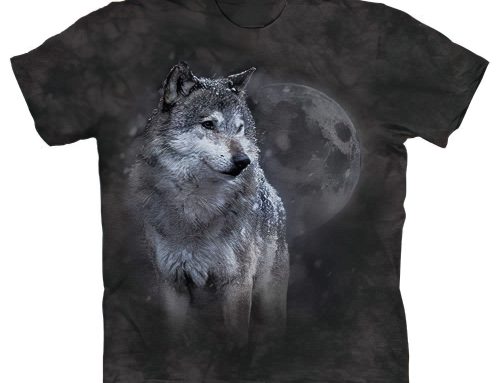
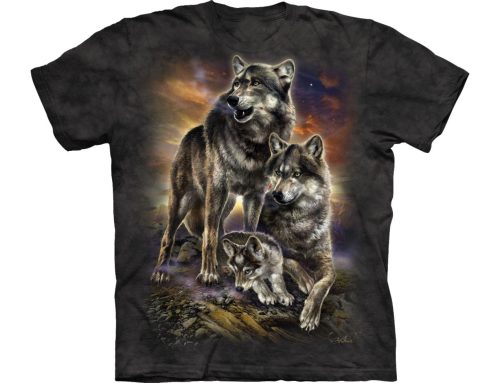
For more insights or to support wildlife conservation, check out unique wolf-themed apparel options.

Leave A Comment
You must be logged in to post a comment.