
The DNA Journey: Exploring the Genetic Bridge Between Wolves and Dogs
Wolves and dogs share a fascinating genetic journey, tracing back to a common ancestor that roamed the wild thousands of years ago. Through the intricate process of selective breeding, humans have transformed these formidable hunters into the loyal companions we cherish today. This evolutionary tale of canine genetics provides a captivating glimpse into how wolf ancestry has shaped the diverse world of domestic dogs. As you delve into this genetic exploration, you’ll uncover the remarkable role of dog breeding in the evolution of man’s best friend, unraveling the secrets of how animal genetics have bridged the gap between wild and domestic. Prepare to embark on an enlightening journey that celebrates the enduring bond between wolves and their domesticated descendants. For a deeper dive, check out this Scientific American article on how wolves became dogs.

The Genetic Bridge: Wolves and Dogs
Wolves and dogs share a unique genetic connection that goes beyond their physical appearances. This section delves into the ancestry and evolutionary path that links these canines, highlighting the intricate science that explains their shared traits and differences.
Understanding Wolf Ancestry
The ancestry of wolves offers a fascinating insight into the evolutionary history of dogs. Wolves, known for their intelligence and adaptability, have roamed the earth for thousands of years. Their genetic makeup provides the foundation for understanding how dogs evolved.
Wolf ancestry plays a significant role in the genetic diversity of domestic dogs. By examining wolf DNA, scientists can trace back traits such as hunting instincts and social behavior.
Key discoveries show that wolves and dogs share a common ancestor from which they diverged thousands of years ago. This genetic bridge highlights the importance of wolf ancestry in canine evolution.
Tracing Canine Evolution
Canine evolution has been a gradual process influenced by both natural and artificial selection. Understanding this evolution helps explain the diversity among dog breeds today.
-
Natural Selection: Wolves adapted to their environments, leading to varied subspecies.
-
Artificial Selection: Humans began selectively breeding dogs for specific traits, such as size and temperament.
This evolutionary path shows how animal genetics have shaped the development of domestic dogs from their wild ancestors.
Animal Genetics in Action
The study of animal genetics involves examining the DNA of wolves and dogs to understand their similarities and differences. This field provides insights into how genetic traits are passed down.
-
Genetic Mapping: Scientists map canine genomes to identify shared traits.
-
Trait Analysis: Analyzing genetic traits helps understand behaviors and physical characteristics.
These genetic studies reveal how dog breeding has utilized animal genetics to refine and diversify breeds.
The Science of DNA: Wolves vs. Dogs
DNA plays a crucial role in distinguishing wolves from dogs. This section explores the genetic similarities and differences, offering a scientific perspective on how genetic codes determine traits and behaviors.
Genetic Similarities and Differences
Wolves and dogs share about 99.9% of their DNA, yet the subtle differences account for the vast diversity among breeds.
|
Feature |
Wolves |
Domestic Dogs |
|---|---|---|
|
Social Structure |
Pack-oriented |
Varies by breed |
|
Hunting Instinct |
Highly developed |
Varies significantly |
|
Genetic Markers |
Few breed-specific |
Many breed-specific |
These genetic markers explain why certain breeds have more wolf-like traits than others.
Role of Dog Breeding in Evolution
Dog breeding has played a pivotal role in the evolution of domestic dogs. This practice involves selecting specific traits to enhance or diminish certain characteristics.
-
Selection: Choose dogs with desirable traits.
-
Pairing: Breed selected dogs to pass on traits.
-
Evaluation: Assess offspring for desired outcomes.
This scientific approach to breeding has led to the development of diverse dog breeds, each with unique qualities. For further exploration, visit Nature’s genetics page.
Insights into Domestic Dogs
Domestic dogs have evolved into highly diverse species thanks to selective breeding and environmental influences. These insights help understand their adaptability and varied roles.
Real-world observations show that domestic dogs have developed traits that make them ideal companions. These include:
-
Adaptability to various climates
-
Varied temperaments suited to different human needs
-
Enhanced physical attributes for specific tasks
The Journey from Wild to Domestic
The journey from wolves to domestic dogs is a testament to human influence on animal evolution. This section examines the practices that have transformed wild hunters into loyal companions.
Selective Breeding Practices
Selective breeding involves choosing specific animals to reproduce based on desired traits. This practice has been instrumental in domesticating wolves into dogs.
-
Early Practices: Ancient civilizations bred dogs for hunting and guarding.
-
Modern Practices: Today, selective breeding focuses on aesthetics and temperament.
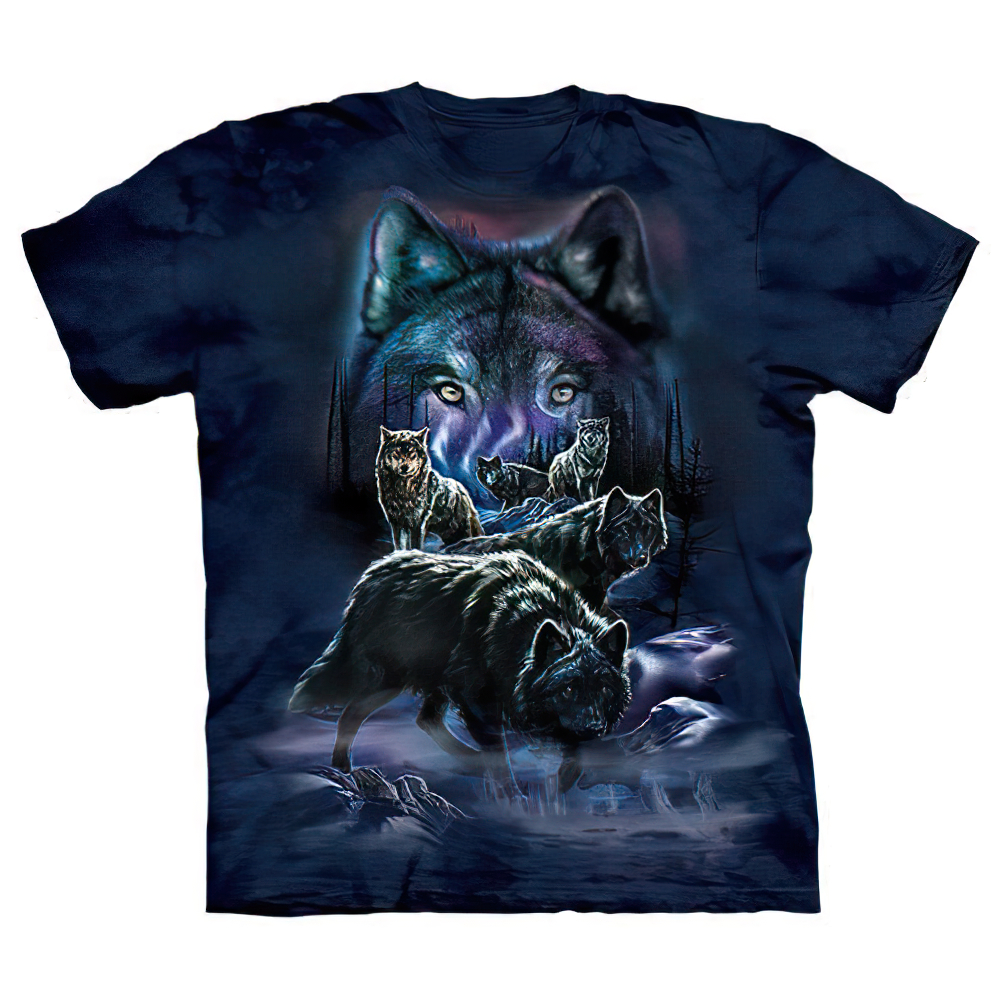
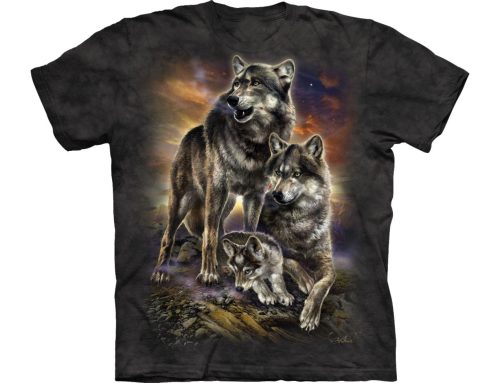
Selective breeding ensures the continuation of traits that align with human needs and preferences. Check out these adventure wolf shirts that celebrate this journey.
Transforming Hunters to Companions
The transformation from hunters to companions involved significant changes in behavior and physiology. Dogs evolved to be more social and less aggressive than their wolf ancestors.
This transformation is evident in their:
-
Ability to follow human commands
-
Reduced predatory instincts
-
Enhanced social skills
Such changes highlight the dynamic interplay between genetics and environment in shaping domestic dogs.
Key Milestones in Dog Breeding
Throughout history, key milestones have marked the evolution of dog breeding. These moments have significantly impacted the development of various breeds.
-
Victorian Era: Breed standards were established.
-
20th Century: Genetic research advanced breeding techniques.
-
21st Century: Ethical breeding practices became a focus.
Each milestone has contributed to the current diversity of dog breeds, shaping the future of canine genetics.
Exploring Canine Evolution
The evolution of dogs is an ongoing process influenced by various factors. This section explores how environmental changes and genetic adaptations have shaped canine evolution.
Evolutionary Changes Over Time
Canine evolution is marked by a series of changes driven by both natural and human-induced factors. Understanding these changes helps in predicting future trends in dog development.
-
Size Variation: Different breeds have evolved to suit specific environments.
-
Behavioral Adaptations: Dogs have developed behaviors that enhance their survival alongside humans.
These evolutionary changes reflect the adaptability of domestic dogs to diverse environments.
Impact of Environment on Genetics
The environment plays a crucial role in shaping the genetics of dogs. Environmental factors can influence the expression of certain genetic traits, leading to variations within breeds.
-
Climate: Affects coat thickness and body size.
-
Diet: Influences digestive adaptations.
Understanding these environmental impacts is essential for responsible dog breeding practices.
Modern Implications for Animal Genetics
The study of animal genetics has modern implications for the future of dog breeding. Advances in genetic research provide new tools for understanding and manipulating canine traits.
-
Gene Editing: Potential for enhancing desirable traits.
-
Genetic Testing: Identifies inherited disorders early.
These innovations offer new possibilities for optimizing the health and traits of future dog generations. Explore more about these advancements here.
Future of Dog Breeding
The future of dog breeding holds exciting possibilities with emerging technologies and ethical considerations. This section explores the innovations shaping the next generation of domestic dogs.
Innovations in Genetic Research
Genetic research continues to revolutionize the field of dog breeding. Innovations in this area are paving the way for healthier and more diverse dog breeds.
-
CRISPR Technology: Enables precise genetic modifications.
-
Genomic Sequencing: Provides insights into breed-specific traits.
-
Bioinformatics: Enhances understanding of complex genetic interactions.
These technological advances are critical for the next era of dog breeding.
Ethical Considerations in Breeding
As breeding technologies advance, ethical considerations become increasingly important. Responsible breeding ensures the welfare of dogs and maintains genetic diversity.
-
Avoid inbreeding to prevent genetic disorders.
-
Prioritize the health and temperament of breeds over aesthetics.
Ethical breeding practices protect the integrity of canine evolution and ensure sustainable development. For more insights, visit Animal Shirt.
Vision for Domestic Dogs’ Future
The future of domestic dogs is shaped by a combination of genetic research and ethical breeding practices. A vision for this future includes:
-
Healthier breeds with enhanced longevity
-
Increased focus on behavioral traits
-
Preservation of genetic diversity
These aspirations guide the ongoing journey of canine evolution, ensuring that domestic dogs continue to thrive alongside humans.

Leave A Comment
You must be logged in to post a comment.