
Exploring the Giant: How Spinosaurus Became the Largest Meat-Eating Dinosaur
In the vast, prehistoric world where giants roamed, the Spinosaurus stood out as a colossal testament to nature’s ingenuity. As the largest meat-eating dinosaur, it captures the imagination with its immense size and unique physical traits. Unlike its famous counterpart, the Tyrannosaurus rex, the Spinosaurus boasted distinct adaptations that made it a formidable aquatic hunter. Through the examination of dinosaur fossils, we can uncover the secrets of its hunting strategies and survival tactics. Join us as we delve into the fascinating realm of paleontology, where these prehistoric predators reveal their stories, offering insights into a world dominated by awe-inspiring giants. For more on this topic, visit National Geographic.

Discovering Spinosaurus
The discovery of Spinosaurus has been a monumental chapter in paleontology, offering rare insights into the lives of these prehistoric giants. By examining the fossil evidence, scientists have pieced together an understanding of its size, scale, and unique physical features.
Unveiling Fossil Evidence
Fossil discoveries of Spinosaurus have illuminated much about this giant predator. Initially found in Egypt in the early 20th century, these fossils were unfortunately destroyed during World War II. However, subsequent discoveries have helped reconstruct Spinosaurus’s image.
In recent years, new fossil findings have been crucial. These have included parts of its skull, vertebrae, and even its unique sail-like structure. Each discovery adds to our understanding of this dinosaur’s anatomy and lifestyle.
Spinosaurus fossils have shown distinct features, such as elongated neural spines, which scientists believe supported its sail. These adaptations suggest a life more adapted to aquatic environments, setting Spinosaurus apart from other theropods.
Spinosaurus Size and Scale
Spinosaurus holds the title as the largest meat-eating dinosaur. Estimates suggest it measured up to 59 feet long, surpassing even the mighty Tyrannosaurus rex. This immense size is a focal point in discussions about its lifestyle and hunting prowess.
The scale of Spinosaurus is depicted in various exhibitions worldwide, showcasing its towering presence over other dinosaurs. Its elongated body and unique sail contribute to its formidable appearance.
Comparative analysis with other dinosaurs often highlights Spinosaurus’s size. Such comparisons are not just intriguing but help in understanding the ecological niches these predators occupied.
Unique Physical Features
The distinct physical traits of Spinosaurus make it a subject of fascination. Its elongated jaw, conical teeth, and long, narrow body indicate adaptations for a semi-aquatic lifestyle.
Studies have shown that Spinosaurus had a crocodile-like snout, ideal for catching fish. This feature, along with its dense bones, suggests it was an adept swimmer, unlike most other theropods.
The unique sail on its back is another topic of intrigue. Scientists speculate it could have been used for thermoregulation, display, or storage of fat reserves. Its true purpose remains a topic of ongoing research and debate.
Comparing Prehistoric Predators
Exploring how Spinosaurus compares with other prehistoric predators offers insights into their evolutionary paths. Particularly, its comparison with the iconic Tyrannosaurus rex and other large meat-eaters reveals much about its unique adaptations.
Spinosaurus and Tyrannosaurus Rex
Spinosaurus and T. rex have long been subjects of comparison. While both were apex predators, they occupied different ecological roles.
|
Feature |
Spinosaurus |
Tyrannosaurus Rex |
|---|---|---|
|
Habitat |
Semi-aquatic |
Terrestrial |
|
Diet |
Fish, small prey |
Large terrestrial prey |
|
Physical Traits |
Sail, elongated snout |
Massive skull, strong jaws |
The debate over which was the superior predator continues. Spinosaurus’s adaptations for aquatic hunting contrast with T. rex’s sheer power and terrestrial agility, as discussed in GECAI Culture.
Other Large Meat-Eating Dinosaurs
Beyond Spinosaurus and T. rex, the world of large meat-eating dinosaurs was diverse. Other notable predators included Giganotosaurus and Carcharodontosaurus.
-
Giganotosaurus: Slightly smaller than Spinosaurus but larger than T. rex.
-
Carcharodontosaurus: Known for its serrated teeth, ideal for slicing through flesh.
These predators, like Spinosaurus, had unique adaptations that allowed them to thrive in their respective environments. Their differences highlight the varied evolutionary paths taken by theropods.
Spinosaurus Hunting Strategies
The hunting strategies of Spinosaurus were as unique as its physical features. Examining its adaptations for aquatic life and its techniques for capturing prey provides a comprehensive view of its role as a top predator.
Aquatic Adaptations
Spinosaurus’s aquatic lifestyle is evident from its physical adaptations. Its dense bones suggest buoyancy control, allowing it to navigate water efficiently.
Key adaptations include:
-
Webbed feet: Likely assisted in swimming.
-
Nostrils positioned high on its snout: Facilitated breathing while partially submerged.
-
Paddle-like tail: Provided propulsion in water.
These features collectively suggest a highly specialized predator, adept at hunting in aquatic environments. The adaptations are discussed further in resources such as FossilEra.
Prey and Hunting Techniques
Spinosaurus’s diet primarily consisted of fish and smaller terrestrial animals. Its conical teeth were perfect for gripping slippery prey, and its long snout allowed for quick, precise strikes.
Its hunting methods likely involved ambushing prey in water, using its powerful tail for swift movements. This mode of predation contrasts with the terrestrial hunting strategies of other theropods.
The combination of aquatic and terrestrial hunting abilities would have made Spinosaurus a versatile predator, capable of exploiting various environments.
Spinosaurus in the Ecosystem
Understanding the role of Spinosaurus in its ecosystem provides insights into the dynamics of prehistoric environments. Its impact on modern paleontology continues to shape our knowledge of dinosaur behavior and evolution.
Role Among Prehistoric Predators
As a top predator, Spinosaurus played a crucial role in its ecosystem. Its presence would have influenced the behavior and evolution of other species, acting as a controlling force within its habitat.
Spinosaurus’s adaptations for aquatic life filled a niche not occupied by other large predators. This allowed it to coexist with terrestrial giants like T. rex without direct competition.
The balance Spinosaurus maintained in its ecosystem highlights the complex interactions among prehistoric species, essential for understanding past biodiversity.
Impact on Modern Paleontology
The study of Spinosaurus has significantly impacted modern paleontology. Its unique features and adaptations challenge previous assumptions about dinosaur behavior and ecology.
Research into Spinosaurus has led to:
-
New insights into dinosaur locomotion and habitat preferences.
-
Reevaluation of theropod diversity and evolution.
-
Increased public interest in paleontology, inspiring new generations of scientists.
These ongoing studies continue to shed light on the evolutionary history of dinosaurs, as highlighted by National Geographic.
Spinosaurus: The Largest Dinosaur
As the largest meat-eating dinosaur, Spinosaurus leaves a lasting legacy. Its influence extends beyond paleontology, inspiring continued research and discoveries.
Legacy and Influence
Spinosaurus’s legacy is profound. It has reshaped our understanding of dinosaur diversity and the ecological roles large predators played.
Its influence is seen in:
-
Literature and media, where it appears as a formidable and unique creature.
-
Scientific research, prompting new methods for studying dinosaur fossils and habitats.
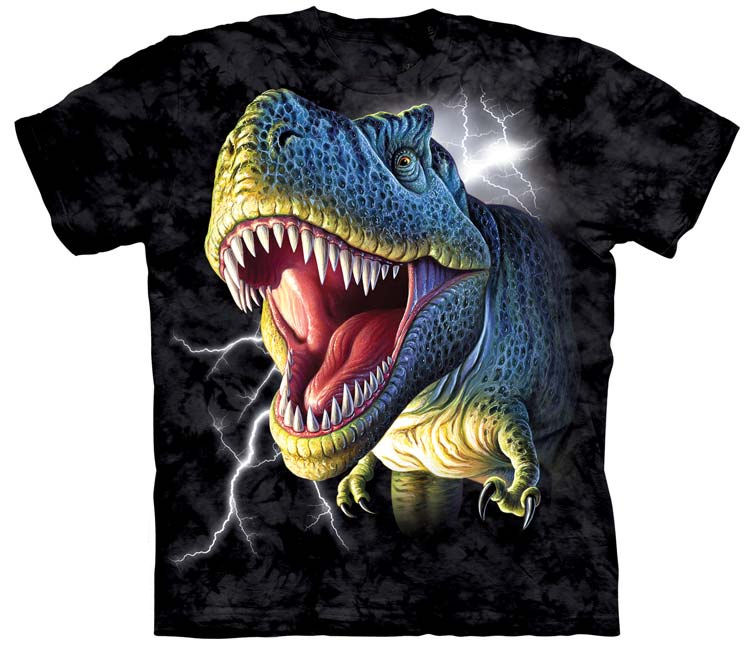
Spinosaurus continues to captivate audiences, as reflected in products like dinosaur-themed apparel that celebrate its iconic status.
Ongoing Research and Discoveries
Research on Spinosaurus is ongoing. New discoveries frequently update our understanding of its lifestyle and adaptations.
Recent findings have:
-
Provided more detailed reconstructions of its anatomy.
-
Offered insights into its interactions with other species.
-
Highlighted potential new species within the Spinosaurus genus.
These discoveries continue to shape the field of paleontology, ensuring that Spinosaurus remains a topic of interest for scientists and enthusiasts alike, as explored further at AnimalShirt.net.



Leave A Comment
You must be logged in to post a comment.