
Unlocking the Secrets of Dinosaur Colors: What Fossil Evidence Tells Us
Dinosaurs, with their awe-inspiring size and mysterious existence, have long captivated our imagination. But have you ever wondered about the vibrant hues that colored these ancient giants? Recent advancements in paleontology have begun to unlock the secrets of dinosaur colors, revealing a world rich in diversity and complexity. By examining fossil evidence and dinosaur skin impressions, we are gaining insights into the pigments in dinosaurs that shaped their appearance. These colors likely played vital roles in dinosaur camouflage, behavior, and interactions with their environment, offering a fresh perspective on how these magnificent creatures once roamed the Earth. Join us as we delve into the colorful past of these prehistoric marvels. For more on how we came to see dinosaur colors, check out this article.
Discovering Dinosaur Colors
Understanding dinosaur colors involves piecing together various clues from the past. Advances in technology and research have enabled paleontologists to unearth details about the hues that once adorned these ancient creatures. This section delves into the methods and evidence that illuminate the colorful world of dinosaurs.
Unveiling Fossil Evidence
Fossil evidence gives us the first glimpse into dinosaur colors. Fossils aren’t just bones; they sometimes preserve skin and feather impressions, which can contain remnants of pigments.
Melanosomes, tiny pigment structures, have been found in some fossils. Their shape and density can indicate specific colors, such as black, gray, or reddish-brown. By analyzing these structures, scientists can infer the original colors of the dinosaurs.
For instance, a study showcased in Scientific American revealed that certain dinosaur species might have had vibrant plumage. These findings are reshaping our understanding, showing that dinosaurs were likely more colorful than previously thought. This new perspective suggests that color played a significant role in dinosaur behavior and ecology.
For a deeper dive into how pigments reveal dinosaur colors, read this Scientific American article.
Analyzing Dinosaur Skin Impressions
Skin impressions offer another avenue for understanding dinosaur colors. These impressions can preserve not just the texture but also clues about the pigmentation.
-
Scientists examine skin impressions under microscopes to identify structures like scales or feathers.
-
They look for patterns or residues that might suggest coloration.
-
Advanced imaging techniques can even reveal pigment particles.
Real-world examples show that some dinosaurs, like the Psittacosaurus, had distinct skin patterns, possibly used for camouflage or display. The link between skin patterns and potential colorations provides a more vivid picture of how these creatures may have looked.
Role of Pigments in Dinosaurs
Pigments in dinosaurs are pivotal for understanding their overall appearance and lifestyle. These pigments, such as melanin, carotenoids, and porphyrins, determine the spectrum of colors.
Melanin is the most studied, found in both fossilized dinosaurs and modern birds. It affects colors ranging from black to red. Research suggests that dinosaur colors were influenced by these pigments, impacting their survival strategies.
The role of pigments extends beyond aesthetics. They likely played a part in thermoregulation, species recognition, and mating rituals. Exploring the pigmentary diversity in dinosaurs opens new doors to understanding their lives.
Dinosaur Colors and Behavior
Dinosaur colors were more than just for show. They likely served critical roles in behavior and interactions. This section explores how these colors might have influenced their survival and social dynamics.
Insights into Dinosaur Camouflage
Dinosaur camouflage was essential for survival. The use of colors to blend into their environment would have been a crucial defense mechanism.
Research indicates:
-
Dinosaurs may have sported earth tones, helping them hide in forested terrains.
-
Some species, like those with mottled skin patterns, could have used disruptive coloration to confuse predators.
-
Camouflage not only protected them from predators but also aided in stealth when hunting prey.
This insight into camouflage highlights the evolutionary pressures that shaped dinosaur appearances, ultimately contributing to their survival strategies.
Influence on Dinosaur Interactions
Dinosaur colors likely played a role in how these creatures interacted with each other. Colors could signal aggression, submission, or readiness to mate.
Studies suggest:
-
Bright colors might have been used to attract mates, similar to modern birds.
-
Color patterns could indicate social hierarchy or territory ownership.
-
Changes in color might have communicated mood or health status.
These interactions show how color was more than just visual appeal; it was integral to dinosaur social structures and communication.
Evolution of Dinosaur Appearance
The evolution of dinosaur colors reflects changes in environmental pressures and ecological niches. This section examines how pigments and colors evolved and their impact on behavior.
Pigments and Their Functions
Pigments in dinosaurs served multiple functions. They weren’t static; their roles evolved alongside the species.
-
Melanin was crucial for UV protection and thermoregulation.
-
Carotenoids potentially signaled health and vitality.
-
Porphyrins could have provided vibrant colors for display.
These functions suggest that pigments were adaptive traits, shaped by natural selection to enhance survival and reproductive success.
How Colors Affected Dinosaur Behavior
The impact of colors on dinosaur behavior was significant. They influenced mating rituals, territorial disputes, and predator-prey dynamics.
-
Bright colors might have attracted mates, similar to peacocks.
-
Camouflage helped avoid predators and increase hunting success.
-
Color changes could indicate reproductive readiness or social status.
These behavioral insights highlight the complex interactions that colors facilitated, shaping dinosaur evolution.
Modern Implications of Ancient Colors
The study of dinosaur colors has profound implications for modern science. It enriches our understanding of evolution and offers new tools for paleontological research.
Advancements in Paleontological Techniques
Recent advancements have revolutionized the study of dinosaur colors. Techniques like scanning electron microscopy and spectroscopy have unveiled new details.
Paleontologists now:
-
Use advanced imaging to detect pigment particles in fossils.
-
Develop models to predict colors based on melanosome structure.
-
Collaborate with chemists and biologists to reconstruct appearances accurately.
These techniques are expanding our knowledge, offering fresh insights into prehistoric life.
Influence on Current Scientific Understanding
The study of ancient colors influences our current scientific understanding significantly. It bridges the gap between past and present, enhancing evolutionary biology and ecology.
Key influences include:
-
Improved models of animal coloration evolution.
-
New perspectives on the ecological roles of extinct species.
-
Insights into the evolutionary links between dinosaurs and modern birds.
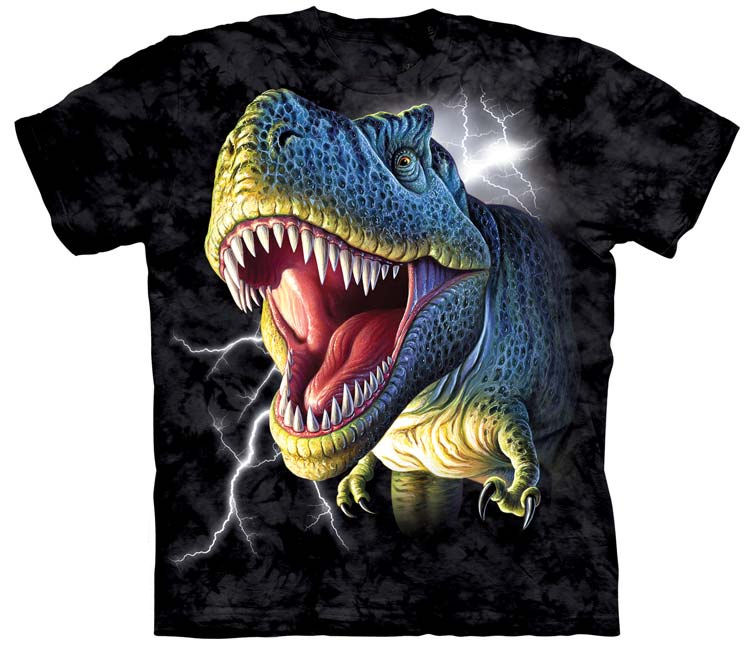
For a modern take on prehistoric inspiration, check out Happy T-Rex shirt and other products at Animal Shirt. Understanding these ancient colors helps scientists and enthusiasts appreciate the complexity and beauty of the natural world. It also informs ongoing research, further blurring the lines between the distant past and modern times.



Leave A Comment
You must be logged in to post a comment.