
Why Do Cats Have Whiskers? Unveiling the Mysteries of Feline Senses
Why do cats have whiskers? This question has intrigued cat lovers for generations, sparking curiosity about the purpose and function of these fascinating feline features. Cat whiskers, also known as vibrissae, are not merely decorative; they serve as sophisticated sensory tools that enhance a cat’s ability to navigate its environment. From detecting changes in their surroundings to expressing emotions, whiskers play a vital role in a cat’s daily life. In this article, we will delve into the mysteries of why cat whiskers are so essential, uncovering their significance in the intricate world of feline senses.
The Purpose of Cat Whiskers
Sensory Superpower
Cat whiskers are often described as sensory superpowers because of their incredible ability to detect even the slightest changes in their environment. Each whisker is embedded deep into the cat’s skin, connected to a network of nerves. This setup allows cats to pick up vibrations and movements in the air, helping them to sense nearby objects and potential threats. Whiskers can detect the size, shape, and texture of objects, providing valuable information that aids in navigation, especially in low light conditions. Additionally, these sensitive tools help cats gauge whether they can fit through tight spaces, preventing them from getting stuck. Thus, whiskers are indispensable in ensuring a cat’s spatial awareness and overall safety.
Spatial Awareness
Cat whiskers are crucial for spatial awareness. Positioned on the muzzle, above the eyes, and even on the legs, these specialized hairs help cats judge distances and navigate tight spaces. When a cat approaches an object, its whiskers touch the object first, sending signals to the brain about its proximity and size. This mechanism is particularly useful for nocturnal activities, where cats rely less on vision and more on tactile feedback. Moreover, whiskers help cats determine if they can fit through openings without getting stuck. This is why cats often stick their heads into a space before moving their bodies. In essence, whiskers act as a natural measuring tool, enabling cats to move gracefully and confidently in their environment.
Communication Tool
Cat whiskers also serve as a communication tool, conveying a cat’s mood and intentions. When a cat is relaxed, its whiskers will be in a neutral position, gently fanning out from its face. However, if a cat feels threatened or is curious, the whiskers will move forward, pointing in the direction of interest. Conversely, when a cat is scared or angry, its whiskers will flatten against its cheeks. Observing these subtle changes can provide valuable insights into a cat’s emotional state, helping owners understand their pets better. This form of non-verbal communication is essential for social interactions among cats and between cats and humans. Thus, whiskers are not only sensory tools but also play a key role in feline communication.
How Cats Use Their Whiskers
Hunting and Navigation
When it comes to hunting and navigation, cat whiskers are indispensable. These specialized hairs enable cats to detect minute changes in their surroundings, allowing them to stalk and capture prey with remarkable precision. Whiskers can pick up vibrations in the air, alerting cats to the presence of nearby animals. This heightened sensory ability is particularly useful during nighttime hunting when visibility is low. Additionally, whiskers help cats navigate through various terrains by gauging the width of openings and the texture of surfaces. This ensures they move silently and efficiently, avoiding obstacles that could alert their prey. In essence, whiskers function as a multi-tool, providing essential feedback for successful hunting and safe navigation.
Mood Indicators
Cat whiskers are also excellent indicators of a cat’s mood. By observing the position and movement of whiskers, you can gain insights into how a cat is feeling. When a cat is content and relaxed, its whiskers will be in a neutral position, gently fanning out to the sides. However, if a cat is curious or excited, its whiskers will move forward, extending towards the object of interest. Conversely, when a cat is frightened or angry, its whiskers will flatten against its face. These subtle shifts offer valuable clues about a cat’s emotional state, allowing owners to respond appropriately. Understanding these non-verbal cues can improve the bond between cats and their human companions, making interactions more harmonious and fulfilling.
Health and Well-being
Whiskers are not just sensory tools but also indicators of a cat’s health and well-being. Healthy whiskers should be evenly spaced, firm, and symmetrical. Any changes, such as broken or missing whiskers, could signify underlying health issues or stress. It’s also important to note that whiskers are highly sensitive; even minor damage can cause discomfort or disorientation. Overexposure to stimuli can lead to “whisker fatigue,” where cats become overstimulated and stressed. This condition can be alleviated by providing whisker-friendly feeding bowls and reducing environmental stressors. Regularly monitoring the condition of a cat’s whiskers can help identify potential health problems early, ensuring timely intervention and care. Therefore, paying attention to whiskers is crucial for maintaining a cat’s overall health and well-being.
Enjoy some interesting animal facts below!
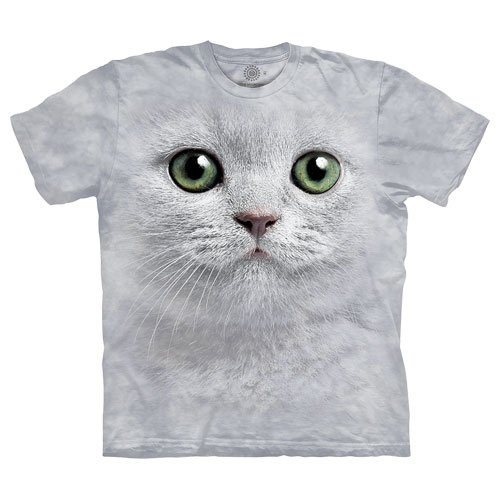
Best Animal T-Shirts for Men Who Love Wildlife
Best Animal T-Shirts for Men Who Love Wildlife Most animal t-shirts blend into the background, leaving your love for wildlife unnoticed. You want shirts that speak louder than words, showcasing majestic lions, soaring eagles, and vibrant marine life with style. This guide highlights the best animal t-shirts for men, combining bold graphics with comfort and […]
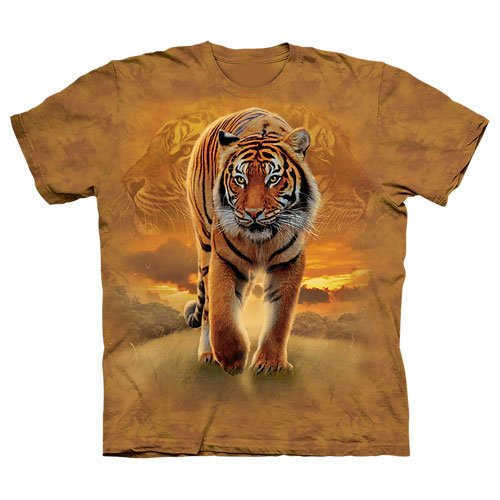
Best Tiger Shirts for Tiger Lovers
Best Tiger Shirts for Tiger Lovers Tiger shirts often miss the mark, leaving fans with dull prints that don’t capture the wild spirit of these majestic cats. If you’ve been hunting for the best tiger apparel that blends bold artistry with comfort, your search ends here. This post highlights tiger print t-shirts and stylish tiger […]
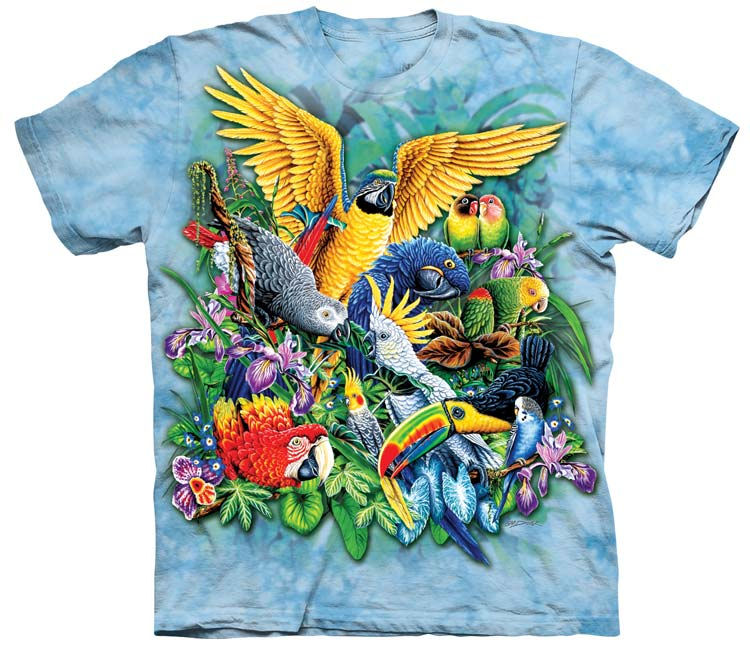
Best Bird Shirts for Bird Lovers
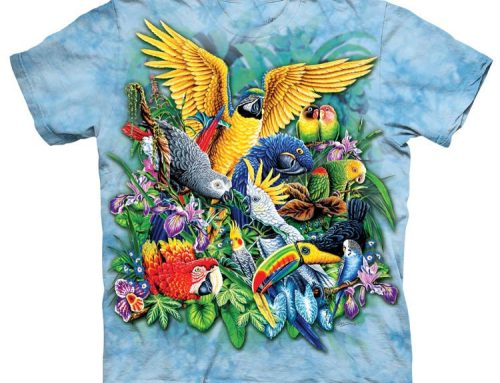
Best Bird Shirts for Bird Lovers Bird shirts aren’t just for casual wear anymore—they’ve become a statement for anyone who loves the colors and charm of feathered friends. If you want bird lover apparel that stands out, you’ll want to see the styles blending art and nature in fresh ways. This post highlights bird-themed t-shirts […]

Best Eagle Shirts for Eagle Lovers
Best Eagle Shirts for Eagle Lovers Eagle shirts don’t have to be ordinary. If you want to wear your passion for these powerful birds with style, the options out there can surprise you. From bold graphic eagle tees to subtle nature inspired clothing, the right eagle apparel makes a statement without sacrificing comfort. Keep reading […]

Best Bear Shirts for Wildlife Lovers
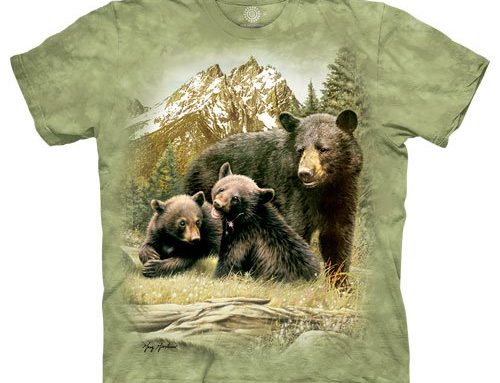
Best Bear Shirts for Wildlife Lovers Most bear shirts out there miss the mark between style and comfort. You want wildlife clothing that feels as good as it looks and truly captures the spirit of these powerful creatures. In this post, you’ll find bear graphic tees that balance charming artwork with bold designs, perfect for […]

Best Animal Shirts for Nature Lovers
Best Animal Shirts for Nature Lovers Forget plain tees that don’t say much about who you are. If you love the wild, your wardrobe should shout it loud and clear with the best animal shirts out there. These nature lover apparel pieces mix eye-catching wildlife graphic tees with comfort and style, perfect for anyone who […]
Follow us on Social Media
Instagram – YouTube – Pinterest – Twitter – Facebook
Alligators – Aquatic – Bears – Big Cats – Birds – Buffalo – Cats – Deer – Dinosaurs – Dogs – Dragons – Eagles – Elephants – Elk – Frogs – Gecko – Giraffes – Horses – Kittens – Moose – Pandas – Snakes – Tigers – Unicorns – Wolves – Cat Shirts – Celtic – Dog Shirts – Dolphins – Dragons – Eagles – Fairies – Horse Shirts – Misc – Native American Indians – Patriotic – Peace – Primates – Religion – Scary – Sci Fi – Skeletons – Tie Dye – Tigers – Wolf Shirts
Interesting Animal Facts and Information
Bald Eagles – Cheetahs – Dolphins – Dinosaurs – Tigers – Lions – Cats – Dogs


Leave A Comment
You must be logged in to post a comment.