

The Ultimate Guide: What Vaccines Do Cats Need?
Ensuring your feline friend stays healthy involves more than just proper nutrition and regular check-ups; vaccinations play a crucial role in safeguarding your cat against various diseases. Understanding what vaccines do cats need is essential for every cat owner, as it helps in preventing the spread of contagious illnesses and ensures a long, happy life for your pet. In this ultimate guide, we will explore the core and non-core cat vaccines, the recommended vaccination schedule, and why each vaccine is important. Whether you’re a seasoned cat owner or new to the feline world, this comprehensive overview will provide you with the knowledge you need to keep your cat in top health.
Core Cat Vaccines
Feline Viral Rhinotracheitis
Feline Viral Rhinotracheitis (FVR) is a highly contagious respiratory disease caused by the feline herpesvirus type-1 (FHV-1). This virus primarily affects a cat’s upper respiratory tract, leading to symptoms like sneezing, nasal discharge, and conjunctivitis. Vaccination against FVR is crucial as it significantly reduces the severity and duration of the illness. While it may not completely prevent infection, the vaccine helps in minimizing the clinical signs and complications associated with the disease. Administering the FVR vaccine as part of a combination vaccine, often referred to as FVRCP, is standard practice. This combination vaccine also covers feline calicivirus and panleukopenia. Regular boosters are necessary to maintain immunity, typically given annually or every three years based on veterinary recommendations and the cat’s lifestyle. Protecting your cat against FVR ensures a healthier and less stressful life for both you and your feline companion.
Calicivirus Vaccine
The Calicivirus vaccine is an essential part of the core cat vaccines, protecting against feline calicivirus (FCV), another common cause of upper respiratory infections in cats. Calicivirus can result in a range of symptoms, from mild sneezing and nasal congestion to more severe issues like oral ulcers, pneumonia, and in rare cases, a systemic infection that can be fatal. Vaccination helps in significantly reducing the severity and spread of the virus. The Calicivirus vaccine is often included in the combination FVRCP vaccine, which is administered to kittens starting at six to eight weeks of age, with boosters every three to four weeks until they are about 16 weeks old. Adult cats require regular booster shots, typically given annually or every three years, depending on the guidance of your veterinarian. Ensuring your cat receives the Calicivirus vaccine helps in maintaining their overall health and preventing the spread of this contagious virus.
Panleukopenia Prevention
Panleukopenia, also known as feline distemper or feline parvovirus, is a highly contagious and often fatal disease that affects cats. The virus targets rapidly dividing cells, leading to severe gastrointestinal, immune system, and bone marrow issues. Symptoms can include vomiting, diarrhea, dehydration, and sudden death. Given its severity, preventing panleukopenia through vaccination is critical. The panleukopenia vaccine is typically included in the combination FVRCP vaccine. Kittens should begin their vaccination series at six to eight weeks of age, with boosters given every three to four weeks until 16 to 20 weeks of age. Adult cats require regular booster shots, generally every one to three years, based on veterinary advice. By ensuring your cat is vaccinated against panleukopenia, you significantly reduce the risk of this devastating disease, providing your feline friend with a better chance at a long, healthy life.
Optional Cat Vaccines
Feline Leukemia Virus
The Feline Leukemia Virus (FeLV) vaccine is considered an optional, yet highly recommended, vaccine for cats, particularly those that spend time outdoors or live in multi-cat households. FeLV is a retrovirus that compromises a cat’s immune system, making them more susceptible to infections and diseases, including certain cancers. The virus is primarily spread through close contact, such as grooming, sharing food and water bowls, or bite wounds. Symptoms can vary but often include weight loss, persistent fever, and lethargy. Vaccination against FeLV can help prevent the virus from taking hold. Kittens can receive their first FeLV vaccine as early as eight weeks of age, with a booster given three to four weeks later. Adult cats that are at risk should also be vaccinated, with annual boosters recommended. Deciding whether to vaccinate against FeLV should be based on your cat’s lifestyle and risk factors, in consultation with your veterinarian.
Bordetella Bronchiseptica
Bordetella Bronchiseptica is a bacterial infection that can lead to respiratory illness in cats, commonly referred to as “kennel cough.” While more prevalent in dogs, cats can also contract this infection, especially in environments where multiple animals are housed together, such as shelters or boarding facilities. Symptoms of Bordetella infection in cats include coughing, sneezing, nasal discharge, and difficulty breathing. The Bordetella vaccine is not considered a core vaccine but is highly recommended for cats that are exposed to high-risk environments.
The vaccine can be administered as early as four weeks of age in kittens, typically as an intranasal spray. Annual boosters may be necessary depending on the cat’s risk of exposure. By vaccinating against Bordetella Bronchiseptica, you can help prevent respiratory distress and ensure a healthier environment for your cat, especially if they frequently interact with other animals. Consult your veterinarian to determine if this vaccine is suitable for your cat.
Chlamydophila Felis
Chlamydophila Felis is a bacterial infection that primarily affects a cat’s eyes, leading to conjunctivitis, also known as “pink eye.” This infection can cause symptoms such as eye discharge, redness, and swelling, and can sometimes lead to respiratory issues like sneezing and nasal congestion. The Chlamydophila Felis vaccine is considered optional but can be beneficial for cats living in multi-cat households or environments where the risk of infection is higher.
Kittens can receive their first dose of the Chlamydophila Felis vaccine at around nine weeks of age, followed by a booster three to four weeks later. For adult cats, annual boosters may be recommended based on the advice of your veterinarian. Vaccination can help in reducing the severity and spread of the infection, protecting not only the vaccinated cat but also others in close contact. If your cat is frequently exposed to other cats, discussing the Chlamydophila Felis vaccine with your vet is advisable.

Enjoy some interesting animal facts below!
Best Animal T-Shirts for Men Who Love Wildlife
Best Animal T-Shirts for Men Who Love Wildlife Most animal t-shirts blend into the background, leaving your love for wildlife unnoticed. You want shirts that speak louder than words, showcasing majestic lions, soaring eagles, and vibrant marine life with style. This guide highlights the best animal t-shirts for men, combining bold graphics with comfort and […]
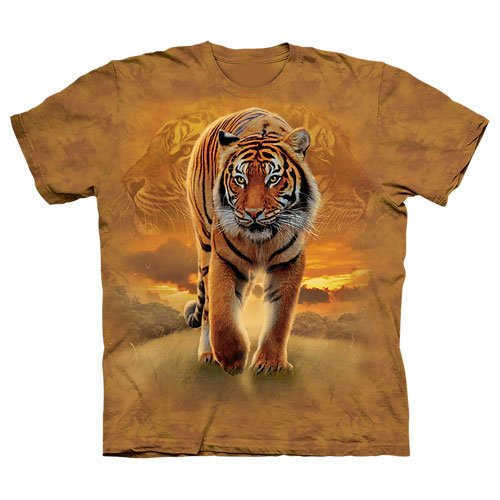
Best Tiger Shirts for Tiger Lovers
Best Tiger Shirts for Tiger Lovers Tiger shirts often miss the mark, leaving fans with dull prints that don’t capture the wild spirit of these majestic cats. If you’ve been hunting for the best tiger apparel that blends bold artistry with comfort, your search ends here. This post highlights tiger print t-shirts and stylish tiger […]
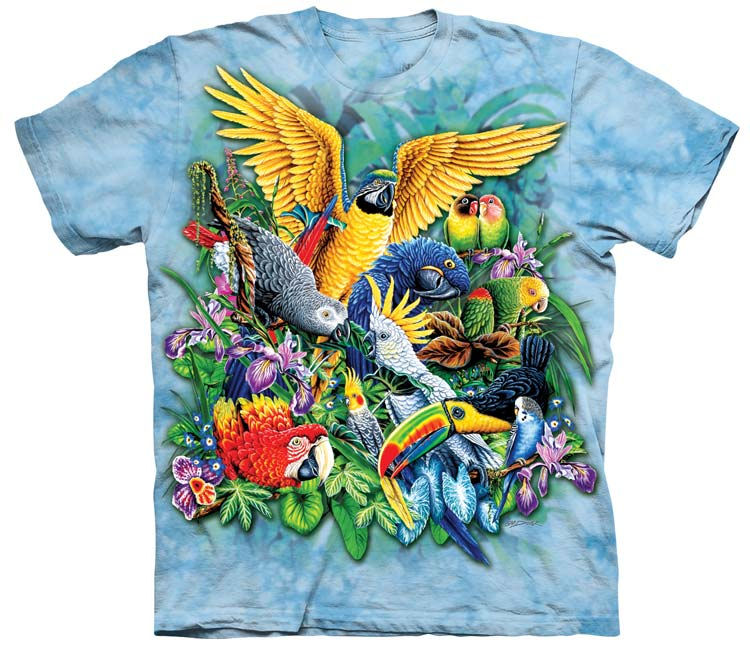
Best Bird Shirts for Bird Lovers
Best Bird Shirts for Bird Lovers Bird shirts aren’t just for casual wear anymore—they’ve become a statement for anyone who loves the colors and charm of feathered friends. If you want bird lover apparel that stands out, you’ll want to see the styles blending art and nature in fresh ways. This post highlights bird-themed t-shirts […]

Best Eagle Shirts for Eagle Lovers
Best Eagle Shirts for Eagle Lovers Eagle shirts don’t have to be ordinary. If you want to wear your passion for these powerful birds with style, the options out there can surprise you. From bold graphic eagle tees to subtle nature inspired clothing, the right eagle apparel makes a statement without sacrificing comfort. Keep reading […]

Best Bear Shirts for Wildlife Lovers
Best Bear Shirts for Wildlife Lovers Most bear shirts out there miss the mark between style and comfort. You want wildlife clothing that feels as good as it looks and truly captures the spirit of these powerful creatures. In this post, you’ll find bear graphic tees that balance charming artwork with bold designs, perfect for […]

Best Animal Shirts for Nature Lovers
Best Animal Shirts for Nature Lovers Forget plain tees that don’t say much about who you are. If you love the wild, your wardrobe should shout it loud and clear with the best animal shirts out there. These nature lover apparel pieces mix eye-catching wildlife graphic tees with comfort and style, perfect for anyone who […]
Follow us on Social Media
Instagram – YouTube – Pinterest – Twitter – Facebook
Alligators – Aquatic – Bears – Big Cats – Birds – Buffalo – Cats – Deer – Dinosaurs – Dogs – Dragons – Eagles – Elephants – Elk – Frogs – Gecko – Giraffes – Horses – Kittens – Moose – Pandas – Snakes – Tigers – Unicorns – Wolves – Cat Shirts – Celtic – Dog Shirts – Dolphins – Dragons – Eagles – Fairies – Horse Shirts – Misc – Native American Indians – Patriotic – Peace – Primates – Religion – Scary – Sci Fi – Skeletons – Tie Dye – Tigers – Wolf Shirts
Interesting Animal Facts and Information
Bald Eagles – Cheetahs – Dolphins – Dinosaurs – Tigers – Lions – Cats – Dogs


Leave A Comment
You must be logged in to post a comment.