
A Closer Look at Vertebrae: What Giraffes and Humans Have in Common
Giraffes and humans share a surprising secret: both have seven neck vertebrae. But while ours are small, giraffes’ vertebrae stretch over 10 inches long, shaping their towering necks. Understanding giraffe anatomy reveals how these long bones affect their feeding behavior and social life. Let’s explore the evolutionary adaptations of giraffes and the challenges their unique structure creates in the wild.
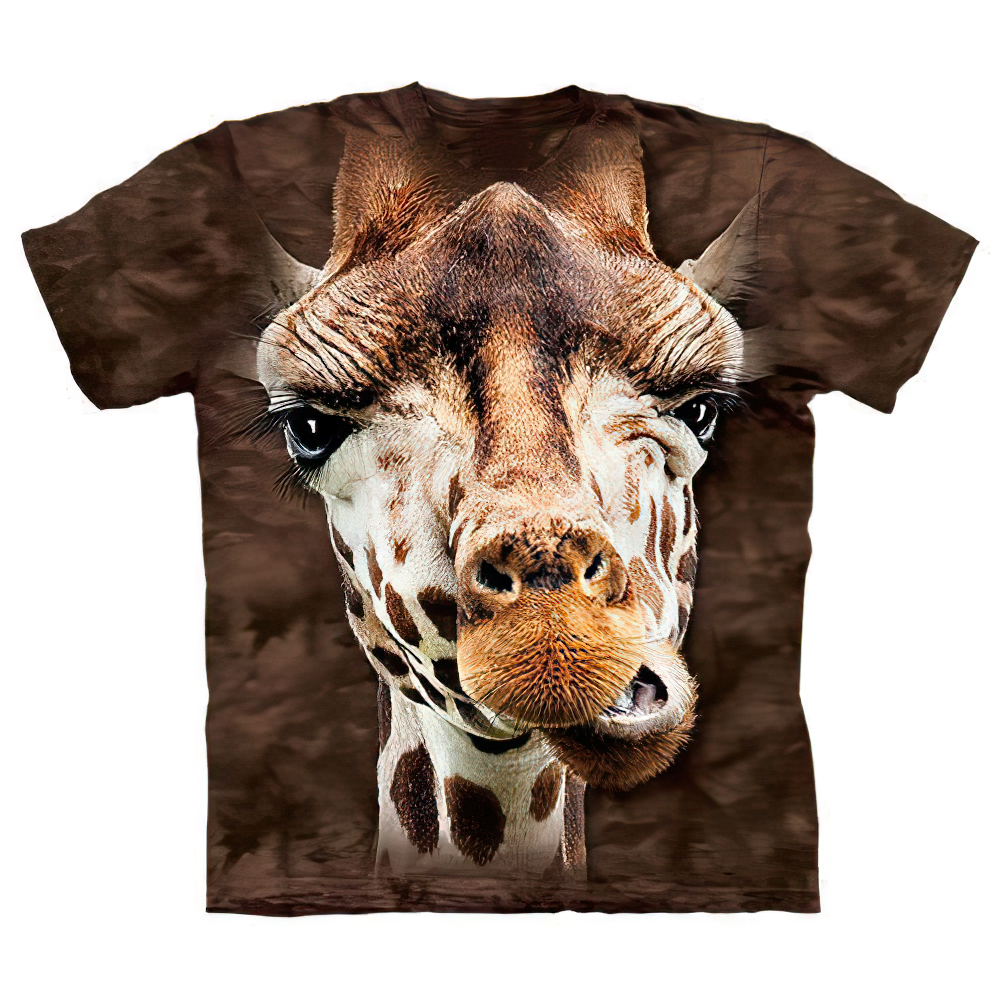
Have you seen our selection of Animal Shirts?
Giraffe Anatomy vs. Human Anatomy
Exploring the similarities between giraffes and humans can reveal intriguing insights. Both species have the same number of neck bones, yet their functions and impacts differ greatly.
Comparing Neck Vertebrae
You might find it astonishing that both you and a giraffe have the same number of neck vertebrae: seven. The key difference lies in the size. While a human’s neck vertebrae are relatively small, a giraffe’s can be over 10 inches long. This remarkable size difference supports the giraffe’s towering height. Imagine a stack of seven bricks versus seven skyscrapers—that’s the scale we’re talking about. These elongated bones allow giraffes to reach treetops for food, a critical adaptation for survival in the wild.
Imagine you’re on a safari. You see a giraffe stretching its neck to nibble leaves. It’s not just about the length but also the flexibility. The first vertebra, called the atlas, connects directly to the skull, offering mobility similar to our own necks, but on a grander scale. This flexibility and reach are vital for foraging and avoiding predators.
Impacts on Height and Feeding
The towering height of giraffes is more than just an impressive sight; it plays a crucial role in their feeding behavior. Standing tall gives giraffes access to foliage beyond the reach of other herbivores. This advantage ensures that they can thrive in areas where food competition is fierce. But reaching such heights isn’t without its challenges.
For instance, when a giraffe lowers its head to drink, it faces potential issues due to blood pressure. Its heart must pump blood up an elongated neck, which requires special anatomical adaptations. This includes a specialized vascular system that prevents blood from rushing to the head too quickly.
Yet, there’s more to their height than feeding. By standing tall, giraffes can spot predators from afar, giving them a survival edge. So, their height is a dual-purpose trait, aiding in both nourishment and protection.
Evolutionary Adaptations of Giraffes
Giraffes have evolved uniquely to meet the demands of their environment. Over millions of years, these gentle giants have developed traits that allow them to survive and thrive. Giraffes’ long necks are often seen as their most defining feature, but they include more than just bones.
Their heart is a powerful pump, weighing about 25 pounds, to circulate blood effectively. This is a necessity for their tall stature. Additionally, their skin is tight and thick, especially around the legs, to prevent blood from pooling. Such adaptations highlight nature’s ability to craft solutions for survival challenges.
Moreover, giraffes have developed a keen sense of sight. This helps them spot predators, but it also aids in social interactions. Their height allows them to view vast landscapes, which is crucial for identifying potential threats or food sources.
Challenges of Giraffe Size
While their size offers numerous benefits, it also presents some challenges. How do these majestic creatures cope with their grand stature and the demands it places on their daily life?
Giraffe Habitat Challenges
The vast savannas of Africa may seem endless, but they pose unique challenges for giraffes. As landscapes change, so do the resources. Trees may become scarce due to climate changes or human actions. For giraffes, this means adapting to find new food sources or migrating to areas with more abundant resources.
Their large size also demands significant food intake. A giraffe can munch on up to 75 pounds of foliage a day. This need for vast amounts of food can lead to longer travel distances, increasing their exposure to predators. It’s a delicate balance between finding enough food and staying safe.
Additionally, human expansion often encroaches on giraffe habitats. Fences, roads, and urban areas fragment their living spaces, making it harder to move freely. This fragmentation can isolate populations, impacting genetic diversity and survival rates.
Implications on Social Behavior
Giraffes’ towering stature affects not only their feeding and habitats but also their social lives. Observing these giants, you might notice they often gather in loose groups. These gatherings aren’t just random; they offer safety in numbers.
However, their height gives them a unique social dynamic. Being able to see great distances means they can communicate visually over long ranges. This is crucial for maintaining group cohesion without constant vocalizations.
Yet, their size can also be a disadvantage. For young giraffes, staying close to their mothers is vital for protection. The young are more vulnerable to predators like lions and hyenas. Mothers often keep a watchful eye on their calves, using their height advantage to spot threats.
Giraffes are truly fascinating creatures, showing how nature ingeniously adapts to life’s challenges. Their anatomy, habits, and social interactions provide a window into the wonders of evolution. As we learn more about these majestic giants, we gain deeper insights into the intricate dance of life on Earth.
Understanding Your Cat’s Noisy Meows
The Nighttime Serenade: Understanding Your Cat’s Noisy Meows Your peaceful night shattered by a cat meowing at night? If your noisy cat turns your bedroom into a midnight concert hall, you’re not alone in this feline frustration. Let’s cut through the mystery of why cats choose the darkest hours to perform their loudest vocal solos […]
Why Your Feline Friend Is Always By Your Side
The Enigmatic Shadow Cat: Why Your Feline Friend Is Always By Your Side Your cat shadows your every move like a quiet guardian, never far from your sight. This clingy cat behavior puzzles many owners who wonder, why is my cat attached to me so closely? Unpacking this mystery reveals surprising truths about cat companionship […]
Snuggle Up with These Lovable Cats
Ranking the Friendliest Cat Breeds: Snuggle Up with These Lovable Cats Most cats have their own style when it comes to affection, but some breeds stand out as the friendliest cat breeds you’ll want to cuddle nonstop. If you’re after cuddly cats that love to snuggle, this list ranks the top picks you’ll want to […]
Why Your Cat Shows Affection This Way
The Science of Bunting Behavior: Why Your Cat Shows Affection This Way Your cat headbutting you isn’t just a random act—it carries a deeper meaning rooted in their nature. That gentle nudge, known as bunting behavior, is your cat’s way of showing trust and affection. Understanding the cat headbutt meaning can change how you see […]
Unveiling Safe Foods for Your Feline Friend
Can Cats Eat Cheese? Unveiling Safe Foods for Your Feline Friend Many cat owners wonder if sharing their snacks is harmless. Cheese often seems like a safe treat, but can cats eat cheese without risk? Understanding what human foods can cats eat helps you protect their health while keeping them happy. Let’s clear up the […]
How Cats Seek Shelter and Comfort
From Boxes to Cat Shirts: How Cats Seek Shelter and Comfort Cats have a surprising habit that puzzles even their biggest fans: sitting in boxes. You might think it’s just a quirky behavior, but there’s more going on beneath the surface. Understanding why cats love boxes reveals key insights into their instincts and how they […]
Leave A Comment
You must be logged in to post a comment.