
From Snacks to Strolls: Nurturing Your Senior Dog with the Right Care and Support
Your senior dog’s needs have changed, but many pet owners stick to old routines that no longer fit. Ignoring shifts in diet and exercise can worsen age-related health issues in pets. This guide breaks down how the right senior dog diet, joint support for dogs, and tailored exercise keep your companion lively and comfortable. For more tips, visit this guide on senior dog care.
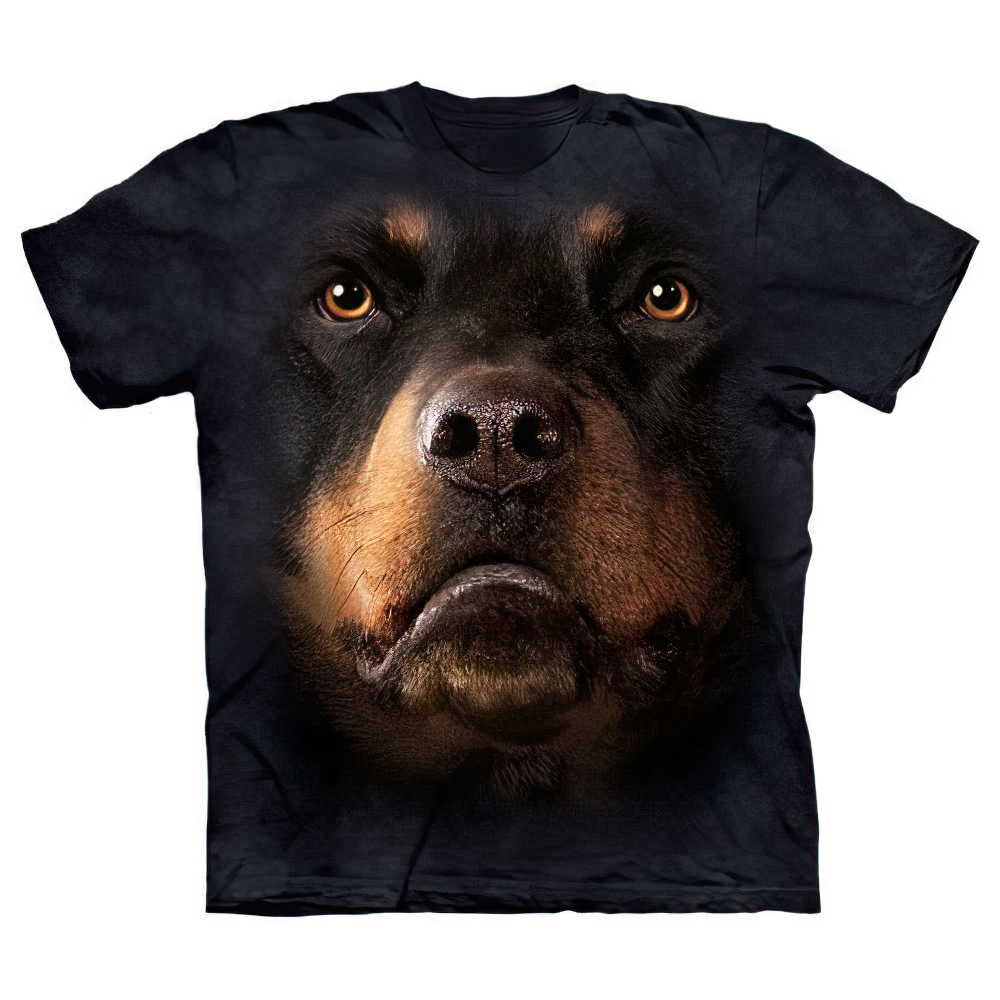
Have you seen our selection of beautiful animal shirts?
Senior Dog Diet Essentials
Understanding the unique dietary needs of your senior dog is crucial. As dogs age, their nutritional requirements change. Let’s explore how you can ensure your furry friend gets the best support through their diet.
Best Food for Senior Dogs
Choosing the best food for senior dogs can be challenging, but it’s essential. As dogs grow older, their metabolism slows down. This means they need different nutrients compared to younger pups. Look for foods rich in fiber to aid digestion and low in calories to prevent weight gain. Some brands offer specially formulated diets for senior dogs, which include important nutrients like omega-3 fatty acids for joint health. Always consult your vet when selecting a new diet plan. They can offer tailored advice based on your dog’s specific needs. Remember, what worked in the past might not be the best choice now.
Common Senior Dog Issues
Adjusting your dog’s diet can help manage common senior dog issues. For instance, older dogs often face dental problems. Softer foods or specially designed kibbles can make eating easier for them. Weight gain is another concern; keeping an eye on their caloric intake is key. A diet rich in antioxidants can support a healthy immune system, helping your dog fend off illnesses more effectively. Additionally, be aware of any food sensitivities that might develop over time. Regular vet check-ups can help catch these changes early. For a deeper understanding, take a look at this comprehensive guide on senior dog care.
Exercise and Joint Care
While diet is vital, exercise and joint care are equally important. Keeping your senior dog active can promote joint health and prevent stiffness. Let’s delve into how you can keep your pet moving and comfortable.
Senior Dog Exercise Tips
Exercise remains a cornerstone of your dog’s well-being, even in their senior years. Short, frequent walks can be more beneficial than long hikes. Pay attention to your dog’s cues; if they start to lag, it’s time to rest. Integrate low-impact activities like swimming to reduce stress on joints while still providing a good workout. Mental stimulation is just as crucial as physical activity. Puzzle toys can keep their mind sharp and provide entertainment on days when weather limits outdoor time. Always prioritize safety; avoid overly strenuous activities that could lead to injury. For more insights, check out these exercise tips for senior dogs.
Joint Support for Dogs
Joint support for dogs becomes increasingly vital with age. Supplements such as glucosamine and chondroitin can aid in maintaining joint health. These can often be found in senior dog foods or as standalone treats. Regular vet visits are essential to monitor joint health and make necessary adjustments to their care plan. Your vet might recommend specific exercises or therapies like hydrotherapy. Additionally, consider investing in orthopedic beds to provide extra comfort and support during rest. Maintaining a healthy weight through diet and exercise is crucial in reducing joint strain. For more detailed advice, explore these essential tips for senior dog health.
Cognitive Health and Age-Related Issues
As your dog ages, cognitive health plays a significant role in their overall quality of life. Understanding these changes can help you provide better care and support.
Cognitive Health in Dogs
Cognitive health in dogs can decline as they age, similar to humans. Symptoms might include disorientation or changes in behavior. Keeping your dog’s brain active is key to slowing this process. Introduce activities that challenge their thinking, like new tricks or interactive toys. Dietary changes can also support cognitive health. Consider foods rich in antioxidants and omega-3 fatty acids, which have been shown to benefit brain health. Regular vet check-ups can help monitor any cognitive changes and suggest interventions. It’s important to recognize these signs early and act promptly.
Age-Related Health Issues in Pets
Age-related health issues in pets can vary but often include arthritis, vision loss, and hearing impairment. Regular veterinary visits are crucial for early detection and management. Arthritis can be managed with joint supplements and proper exercise, while eye and ear health can be maintained with regular cleaning and monitoring. Ensure your home environment is safe and accessible for a senior dog. Remove obstacles and provide ramps if necessary. Keeping a close eye on your pet’s behavior can help catch health issues before they become severe. For more information, consider this guide on common health problems in senior dogs.
By being proactive and attentive, you can greatly enhance your senior dog’s quality of life. Keep them comfortable, happy, and healthy, and enjoy the golden years together.
Have you seen our selection of beautiful animal shirts?
The Ultimate List of Funniest Cat Breeds for Laughter and Love
The Ultimate List of Funniest Cat Breeds for Laughter and Love You think all cats are quiet lap warmers. The truth is, some breeds steal the spotlight with their wild antics and playful charm. Meet the funniest cat breeds that turn every day into a laugh-filled adventure with their big personalities and endless energy. If […]
Understanding Your Cat’s Noisy Meows
The Nighttime Serenade: Understanding Your Cat’s Noisy Meows Your peaceful night shattered by a cat meowing at night? If your noisy cat turns your bedroom into a midnight concert hall, you’re not alone in this feline frustration. Let’s cut through the mystery of why cats choose the darkest hours to perform their loudest vocal solos […]
Why Your Feline Friend Is Always By Your Side
The Enigmatic Shadow Cat: Why Your Feline Friend Is Always By Your Side Your cat shadows your every move like a quiet guardian, never far from your sight. This clingy cat behavior puzzles many owners who wonder, why is my cat attached to me so closely? Unpacking this mystery reveals surprising truths about cat companionship […]
Snuggle Up with These Lovable Cats
Ranking the Friendliest Cat Breeds: Snuggle Up with These Lovable Cats Most cats have their own style when it comes to affection, but some breeds stand out as the friendliest cat breeds you’ll want to cuddle nonstop. If you’re after cuddly cats that love to snuggle, this list ranks the top picks you’ll want to […]
Why Your Cat Shows Affection This Way
The Science of Bunting Behavior: Why Your Cat Shows Affection This Way Your cat headbutting you isn’t just a random act—it carries a deeper meaning rooted in their nature. That gentle nudge, known as bunting behavior, is your cat’s way of showing trust and affection. Understanding the cat headbutt meaning can change how you see […]
Unveiling Safe Foods for Your Feline Friend
Can Cats Eat Cheese? Unveiling Safe Foods for Your Feline Friend Many cat owners wonder if sharing their snacks is harmless. Cheese often seems like a safe treat, but can cats eat cheese without risk? Understanding what human foods can cats eat helps you protect their health while keeping them happy. Let’s clear up the […]
Leave A Comment
You must be logged in to post a comment.