

What Do Tigers Eat? A Deep Dive into the Tiger Diet
Tigers, the majestic striped felines that captivate our hearts and imaginations, have a diet as fascinating as their appearance. Ever wondered, “What do tigers eat?” Well, you’re in for a treat! In this piece, we will embark on an entertaining and educational journey to uncover the intricacies of the tiger diet. From their favorite meaty meals to their hunting strategies, we’ll dive deep into what tigers eat and why their eating habits are essential for their survival. So, grab your tiger t-shirt, and let’s explore the wild culinary world of these incredible creatures.

Understanding the Tiger Diet
What Do Tigers Eat?
Tigers are obligate carnivores, which means their diet consists almost exclusively of meat. But what exactly do tigers eat? These ferocious hunters primarily prey on large ungulates such as deer, wild boar, and buffalo. Depending on their habitat, tigers may also hunt smaller animals like rabbits, fish, and birds. In some regions, they have been known to take down young elephants and rhinos. Interestingly, tigers are opportunistic feeders and will scavenge on carrion if necessary. Their powerful jaws and sharp teeth are designed to tear through flesh and crush bone, making them highly efficient predators. So, while you wear your tiger t-shirt and marvel at their beauty, remember that these majestic creatures are also skilled hunters with a diverse and meaty diet.
Common Prey of Tigers
Tigers have a varied menu depending on their geographic location, but certain prey items are commonly targeted across different regions. In the dense forests of India and Southeast Asia, sambar deer and wild boar rank high on the list of what tigers eat. In the Russian Far East, the Siberian tiger often preys on red deer and wild boar. In tropical regions, such as the Sundarbans, the Bengal tiger may hunt chital deer and even tackle large water buffalo. Their adaptability to different environments allows tigers to thrive on a diverse range of prey species. This adaptability is crucial for their survival, as it helps tigers maintain a balanced diet and ensures they can find food even when their preferred prey is scarce. So, next time you don your tiger t-shirt, remember that these apex predators have a wide array of meal options in the wild.
Seasonal Diet Variations
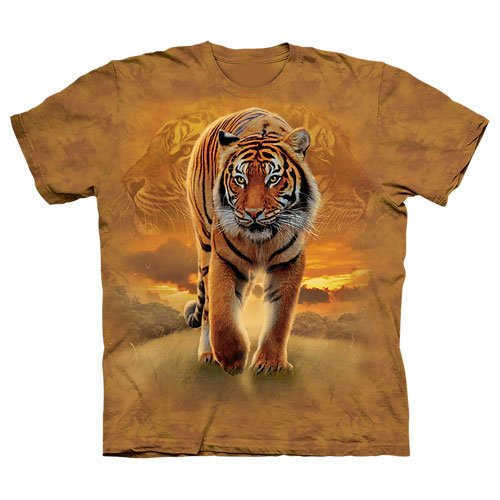
The tiger diet is not static; it changes with the seasons to adapt to the availability of prey. During the dry season, when water sources are scarce, tigers often hunt near watering holes where prey congregates. This makes it easier for them to catch thirsty animals like deer and wild boar. Conversely, during the wet season, prey animals are more dispersed, and tigers may need to cover larger territories to find food. In colder regions, like the Russian Far East, winter snow can drive prey animals into more accessible areas, making it easier for Siberian tigers to hunt. This seasonal adaptability is crucial for their survival, ensuring that tigers can secure food year-round despite changing environmental conditions. So, as you sport your tiger t-shirt, remember that these magnificent creatures are masters at adjusting their hunting strategies to the ebb and flow of the seasons.
Hunting Techniques and Strategies
How Tigers Hunt
Tigers are solitary hunters who rely on stealth and power to catch their prey. They utilize their camouflaged stripes to blend into their surroundings, making it easier to approach unsuspecting animals. Typically, a tiger will stalk its prey quietly, getting as close as possible before launching a sudden, powerful attack. With a burst of speed, the tiger uses its strong legs to pounce on the prey, aiming to bite the neck or throat for a quick kill. If the initial attack fails, the tiger may give chase, though they generally avoid prolonged pursuits due to their large size and lower stamina. Interestingly, tigers often drag their kill to a secluded spot to eat in peace, away from scavengers. This methodical hunting strategy underscores the tiger’s role as a top predator, ensuring its place in the ecosystem. So, while you admire your tiger t-shirt, think about the incredible skills these majestic hunters employ in the wild.
Stalking and Pouncing
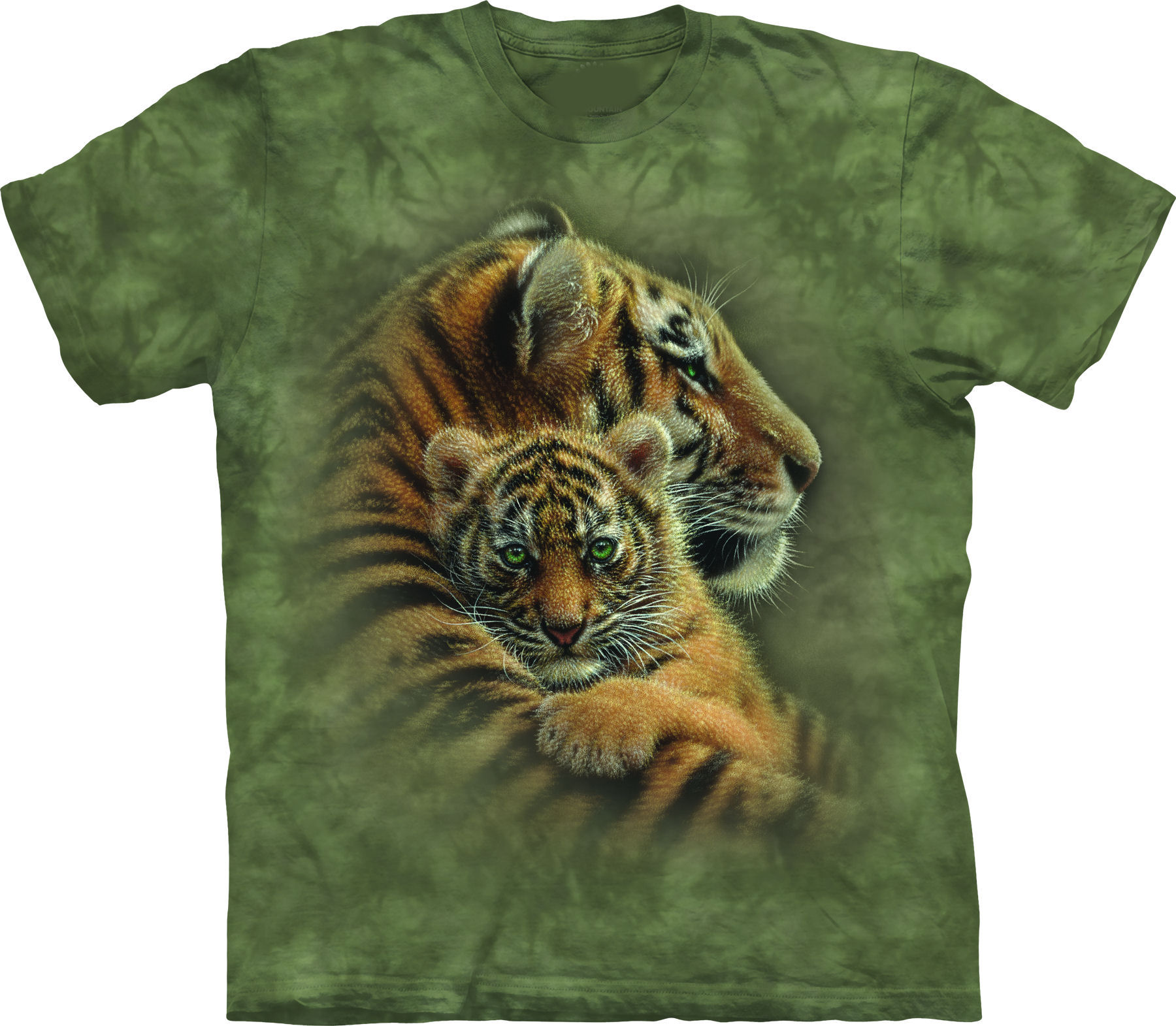
Stalking and pouncing are essential components of the tiger’s hunting repertoire. When a tiger spots potential prey, it begins by silently stalking, moving with incredible stealth to remain undetected. Using its striped coat as camouflage, the tiger blends seamlessly into the foliage. It crouches low to the ground, muscles tensed, and eyes locked on the target. The goal is to get within striking distance without alerting the prey. Once close enough, the tiger launches into a powerful pounce, using its strong hind legs to propel itself forward. The element of surprise is crucial here; a successful pounce often means the difference between a meal and an empty stomach. This combination of patience, stealth, and explosive power allows tigers to be effective and efficient hunters. So, when you wear your tiger t-shirt, think of the incredible patience and skill that tigers employ to secure their next meal in the wild.
Hunting Solo vs. in Groups
Tigers are predominantly solitary hunters, and this independence sets them apart from other big cats like lions, which hunt in prides. Hunting solo allows tigers to roam extensive territories without competition from others of their kind. It also means they must rely entirely on their own skills and strength to catch prey. This solitary approach demands a high level of patience and precision, as there is no backup if a hunt goes awry. However, there are rare instances where tigers collaborate. For example, a mother tiger will often hunt with her cubs, teaching them essential skills for survival. Sometimes, young siblings may also team up temporarily. Despite these exceptions, tigers are generally lone hunters, a strategy that has served them well for millennia. So, as you put on your tiger t-shirt, appreciate the sheer independence and self-reliance these magnificent creatures exhibit in their natural habitats.

Enjoy some interesting animal facts below!

Best Animal T-Shirts for Men Who Love Wildlife
Best Animal T-Shirts for Men Who Love Wildlife Most animal t-shirts blend into the background, leaving your love for wildlife unnoticed. You want shirts that speak louder than words, showcasing majestic lions, soaring eagles, and vibrant marine life with style. This guide highlights the best animal t-shirts for men, combining bold graphics with comfort and […]
Best Tiger Shirts for Tiger Lovers
Best Tiger Shirts for Tiger Lovers Tiger shirts often miss the mark, leaving fans with dull prints that don’t capture the wild spirit of these majestic cats. If you’ve been hunting for the best tiger apparel that blends bold artistry with comfort, your search ends here. This post highlights tiger print t-shirts and stylish tiger […]
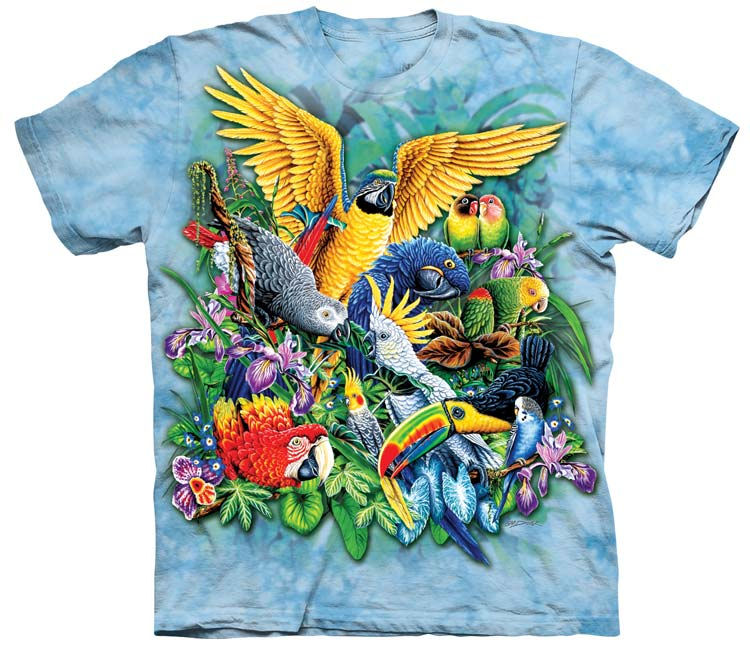
Best Bird Shirts for Bird Lovers
Best Bird Shirts for Bird Lovers Bird shirts aren’t just for casual wear anymore—they’ve become a statement for anyone who loves the colors and charm of feathered friends. If you want bird lover apparel that stands out, you’ll want to see the styles blending art and nature in fresh ways. This post highlights bird-themed t-shirts […]

Best Eagle Shirts for Eagle Lovers
Best Eagle Shirts for Eagle Lovers Eagle shirts don’t have to be ordinary. If you want to wear your passion for these powerful birds with style, the options out there can surprise you. From bold graphic eagle tees to subtle nature inspired clothing, the right eagle apparel makes a statement without sacrificing comfort. Keep reading […]

Best Bear Shirts for Wildlife Lovers
Best Bear Shirts for Wildlife Lovers Most bear shirts out there miss the mark between style and comfort. You want wildlife clothing that feels as good as it looks and truly captures the spirit of these powerful creatures. In this post, you’ll find bear graphic tees that balance charming artwork with bold designs, perfect for […]

Best Animal Shirts for Nature Lovers
Best Animal Shirts for Nature Lovers Forget plain tees that don’t say much about who you are. If you love the wild, your wardrobe should shout it loud and clear with the best animal shirts out there. These nature lover apparel pieces mix eye-catching wildlife graphic tees with comfort and style, perfect for anyone who […]
Follow us on Social Media
Instagram – YouTube – Pinterest – Twitter – Facebook
Alligators – Aquatic – Bears – Big Cats – Birds – Buffalo – Cats – Deer – Dinosaurs – Dogs – Dragons – Eagles – Elephants – Elk – Frogs – Gecko – Giraffes – Horses – Kittens – Moose – Pandas – Snakes – Tigers – Unicorns – Wolves – Cat Shirts – Celtic – Dog Shirts – Dolphins – Dragons – Eagles – Fairies – Horse Shirts – Misc – Native American Indians – Patriotic – Peace – Primates – Religion – Scary – Sci Fi – Skeletons – Tie Dye – Tigers – Wolf Shirts
Interesting Animal Facts and Information
Bald Eagles – Cheetahs – Dolphins – Dinosaurs – Tigers – Lions – Cats – Dogs



Leave A Comment
You must be logged in to post a comment.