
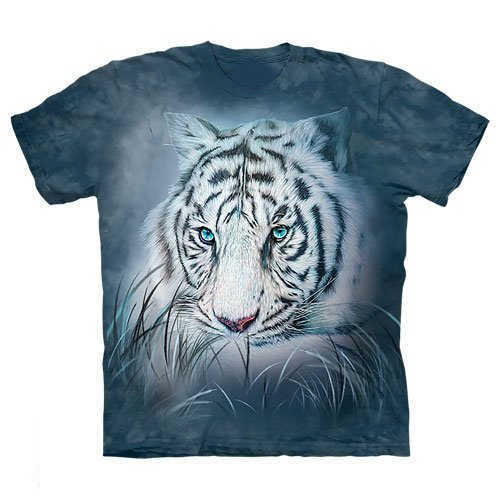
How Fast Can a Tiger Run? The Need for Speed in the Jungle!
Tigers, the apex predators of the jungle, are not just known for their majestic appearance and mesmerizing stripes but also for their impressive speed that leaves many in awe. How fast can a tiger run, you ask? Well, prepare to be thrilled as we delve into the fascinating world of tiger speed and see how they stack up against their feline cousins. Spoiler alert: when it comes to a sudden burst of speed, these big cats can give even the fastest athletes a run for their money. So, throw on your favorite tiger t-shirt and join us on this wild ride through the jungle’s fast lane, where we will explore just how fast is a tiger and why speed is crucial for their survival.
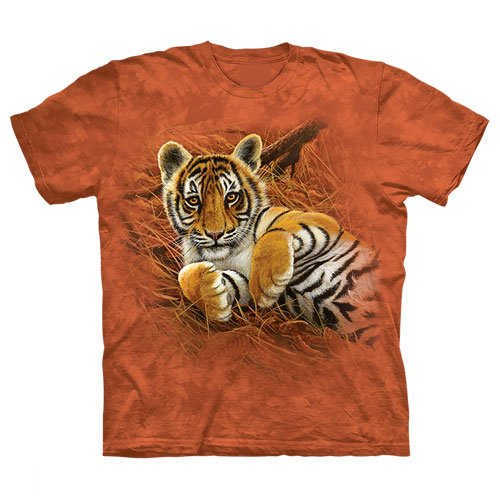
The Majestic Sprint: How Fast Can a Tiger Run?
Top Speed of a Tiger
When it comes to raw speed, tigers can reach impressive velocities. On average, a tiger can run at speeds of up to 40 miles per hour (64 kilometers per hour). However, they can only maintain this top speed for short bursts, typically covering distances of 100 to 200 meters. This short sprint capability is crucial for their hunting strategy, allowing them to close the gap quickly between themselves and their prey. While they may not outrun an antelope over long distances, their explosive power is often enough to secure a meal. So, if you’re wondering how fast can a tiger run, remember that while it may not be a marathon runner, its short-distance sprint is nothing short of spectacular.
How Fast is Tiger Compared to Others?
Tigers are fast, but how do they measure up against other big cats? When we compare tiger speed to other feline predators, they are outpaced by the cheetah, the fastest land animal, which can reach speeds of up to 70 miles per hour (113 kilometers per hour). However, tigers fare well against lions, which can sprint at about 50 miles per hour (80 kilometers per hour). Leopards, another close relative, can run at 36 miles per hour (58 kilometers per hour), slightly slower than tigers. While cheetahs win the speed race, tigers balance their speed with power and agility. This combination makes them formidable hunters in the dense jungles they inhabit. Understanding how fast is tiger compared to others highlights their unique adaptation for survival in their natural habitat.
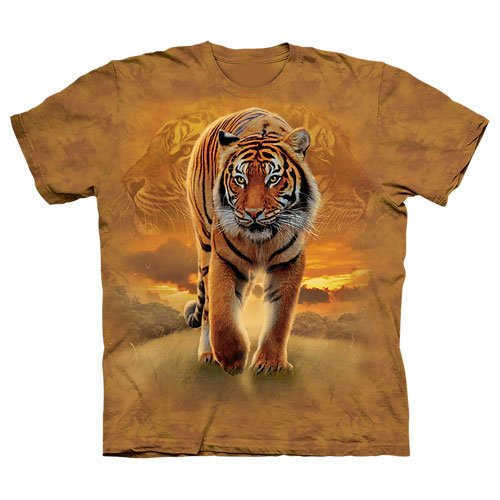
Factors Influencing Tiger Speed
Several factors influence a tiger’s speed. Firstly, their muscular build provides the power needed for those explosive sprints. Tigers have large, powerful hind leg muscles that give them incredible thrust. Secondly, their retractable claws help them grip the ground, providing better traction during a chase. Moreover, a tiger’s streamlined body reduces air resistance, enabling quicker movements. However, environmental factors also play a significant role. Dense jungle terrain can impede their speed compared to open savannahs, where they might run faster. Additionally, age and health impact how fast a tiger can run; younger, healthier tigers generally sprint quicker than older or injured ones. Understanding these factors offers a comprehensive view of tiger speed and how these magnificent creatures have adapted to their surroundings.
Big Cats in a Race: Who Wins?
The Cheetah: King of Speed
When it comes to speed, the cheetah reigns supreme among the big cats. Cheetahs can reach astonishing speeds of up to 70 miles per hour (113 kilometers per hour), making them the fastest land animals. Unlike tigers, cheetahs have evolved specifically for speed. Their lightweight build, long legs, and specialized spine allow them to cover large distances quickly. Additionally, cheetahs have non-retractable claws for better grip and a large nasal passage for increased oxygen intake during sprints. However, this incredible speed comes at a cost. Cheetahs can only maintain their top speed for about 20 to 30 seconds before they risk overheating. Despite this limitation, their speed is unmatched in the animal kingdom. The cheetah’s unparalleled ability to sprint makes it the undisputed king of speed in a race against other big cats.
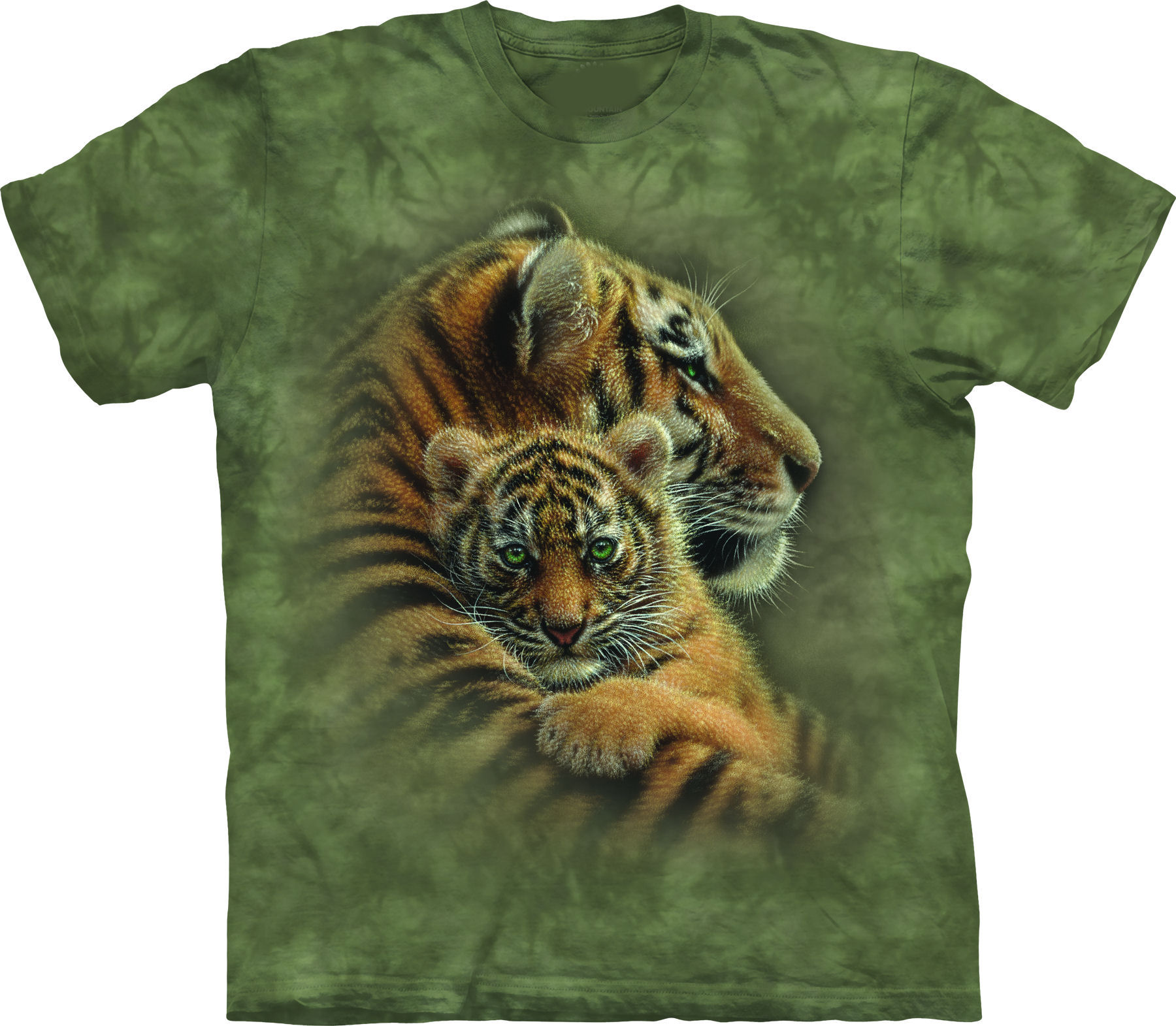
Lion vs. Tiger: Speed Showdown
In a head-to-head speed showdown, the tiger and lion offer an intriguing comparison. Lions can reach speeds of up to 50 miles per hour (80 kilometers per hour) in short bursts, slightly faster than the tiger’s top speed of 40 miles per hour (64 kilometers per hour). However, this speed advantage is marginal and context-specific. Lions typically hunt in open savannahs, where sprinting at high speeds is more feasible. In contrast, tigers hunt in dense forests, where agility and stealth are more critical than outright speed. Additionally, the physical build of both cats plays a role; lions are generally more muscular, while tigers have a more streamlined physique. This slight edge in speed does not necessarily make lions superior hunters. Both big cats have evolved to excel in their respective environments, making each a formidable predator in its own right.
Leopard and Tiger: Speed and Stealth
Both leopards and tigers are exemplary hunters, but their approaches differ significantly. Leopards can run at speeds of up to 36 miles per hour (58 kilometers per hour), slightly slower than tigers. However, what leopards lack in speed, they make up for in stealth and agility. Leopards are adept at climbing trees and using dense vegetation to ambush their prey. Their slender bodies and powerful limbs allow them to navigate through their environment with ease, making them masters of stealth.
On the other hand, tigers rely on a combination of speed, power, and stealth. While they can sprint faster than leopards, tigers also use their immense strength to overpower prey. Both cats are highly adaptable, but their hunting strategies are tailored to their particular habitats. Understanding the balance of speed and stealth in leopards and tigers highlights the diverse adaptations of these fascinating big cats.

Enjoy some interesting animal facts below!
Best Animal T-Shirts for Men Who Love Wildlife
Best Animal T-Shirts for Men Who Love Wildlife Most animal t-shirts blend into the background, leaving your love for wildlife unnoticed. You want shirts that speak louder than words, showcasing majestic lions, soaring eagles, and vibrant marine life with style. This guide highlights the best animal t-shirts for men, combining bold graphics with comfort and […]
Best Tiger Shirts for Tiger Lovers
Best Tiger Shirts for Tiger Lovers Tiger shirts often miss the mark, leaving fans with dull prints that don’t capture the wild spirit of these majestic cats. If you’ve been hunting for the best tiger apparel that blends bold artistry with comfort, your search ends here. This post highlights tiger print t-shirts and stylish tiger […]
Best Bird Shirts for Bird Lovers
Best Bird Shirts for Bird Lovers Bird shirts aren’t just for casual wear anymore—they’ve become a statement for anyone who loves the colors and charm of feathered friends. If you want bird lover apparel that stands out, you’ll want to see the styles blending art and nature in fresh ways. This post highlights bird-themed t-shirts […]

Best Eagle Shirts for Eagle Lovers
Best Eagle Shirts for Eagle Lovers Eagle shirts don’t have to be ordinary. If you want to wear your passion for these powerful birds with style, the options out there can surprise you. From bold graphic eagle tees to subtle nature inspired clothing, the right eagle apparel makes a statement without sacrificing comfort. Keep reading […]

Best Bear Shirts for Wildlife Lovers
Best Bear Shirts for Wildlife Lovers Most bear shirts out there miss the mark between style and comfort. You want wildlife clothing that feels as good as it looks and truly captures the spirit of these powerful creatures. In this post, you’ll find bear graphic tees that balance charming artwork with bold designs, perfect for […]

Best Animal Shirts for Nature Lovers
Best Animal Shirts for Nature Lovers Forget plain tees that don’t say much about who you are. If you love the wild, your wardrobe should shout it loud and clear with the best animal shirts out there. These nature lover apparel pieces mix eye-catching wildlife graphic tees with comfort and style, perfect for anyone who […]
Follow us on Social Media
Instagram – YouTube – Pinterest – Twitter – Facebook
Alligators – Aquatic – Bears – Big Cats – Birds – Buffalo – Cats – Deer – Dinosaurs – Dogs – Dragons – Eagles – Elephants – Elk – Frogs – Gecko – Giraffes – Horses – Kittens – Moose – Pandas – Snakes – Tigers – Unicorns – Wolves – Cat Shirts – Celtic – Dog Shirts – Dolphins – Dragons – Eagles – Fairies – Horse Shirts – Misc – Native American Indians – Patriotic – Peace – Primates – Religion – Scary – Sci Fi – Skeletons – Tie Dye – Tigers – Wolf Shirts
Interesting Animal Facts and Information
Bald Eagles – Cheetahs – Dolphins – Dinosaurs – Tigers – Lions – Cats – Dogs


Leave A Comment
You must be logged in to post a comment.