

Unveiling the Cheetah: Exploring the Remarkable Speed and Running Capabilities of the Fastest Land Animal
In the fascinating world of wildlife, the cheetah stands out as a marvel of nature, captivating animal enthusiasts and researchers alike with its extraordinary speed and agility. As the fastest land animal, the cheetah can reach incredible speeds, leaving us in awe of its remarkable running capabilities. But how fast can a cheetah run, and what unique characteristics enable such a feat? In this exploration, we will delve into the cheetah’s anatomy and behavior, uncovering the secrets behind its unparalleled speed. Join us as we unravel the mysteries of the cheetah’s speed and discover the evolutionary adaptations that make it a true icon of the animal kingdom.

Cheetah Speed: Nature’s Marvel
How Fast Can a Cheetah Run?
When it comes to sheer speed, the cheetah holds the title of the fastest land animal. Capable of reaching speeds between 60 to 70 miles per hour, these magnificent creatures can accelerate from 0 to 60 mph in just a few seconds. This astounding speed, however, is short-lived, as cheetahs can maintain such velocity for only about 20 to 30 seconds at a time. Their specialized adaptations allow for these swift bursts: lightweight bodies, long legs, and a flexible spine enable maximum stride length and frequency. This agility is further enhanced by non-retractable claws that provide a firm grip on the ground, similar to track spikes. Additionally, their large nasal passages allow increased oxygen intake to fuel their muscles. Understanding these dynamics offers insight into the extraordinary cheetah running capabilities, setting them apart in the animal kingdom.
Astonishing Acceleration and Agility
The cheetah’s acceleration capabilities are nothing short of extraordinary. Unlike any other land animal, a cheetah can leap into action and reach its top speed in a matter of seconds. This rapid acceleration is attributed to its powerful leg muscles and lightweight frame, which allow for quick and forceful strides. Moreover, cheetahs possess an incredible turning radius, thanks to their long tail that acts as a rudder. This helps them make sharp turns while maintaining balance during high-speed chases. Their spine, which acts like a spring, adds to their flexibility and ability to stretch their bodies with every stride. These physical attributes, combined with their strategic hunting methods, make cheetahs highly efficient predators. Such agility ensures that they can not only catch up to their prey but also outmaneuver it, showcasing the cheetah’s unmatched running prowess in the wild.
Cheetah Running Capabilities Explained
Unique Physiology and Adaptations
The cheetah’s unique physiology is a testament to the remarkable cheetah characteristics that enable its speed and agility. Unlike other big cats, cheetahs have a slender, aerodynamic body design that minimizes air resistance. Their large nasal passages and lungs allow for maximum oxygen intake, crucial for sustaining high-speed pursuits. Additionally, their hearts and adrenal glands are adapted to pump oxygenated blood efficiently during intense chases. The cheetah’s non-retractable claws provide extra traction, functioning like cleats to grip the ground securely. Moreover, their long, muscular tail acts as a counterbalance, aiding in swift directional changes and maintaining stability. These adaptations are complemented by large adrenal glands that produce adrenaline, enhancing their ability to sustain short bursts of speed. Collectively, these physiological traits equip the cheetah with unparalleled running capabilities, underscoring its status as the fastest land animal. Understanding these adaptations highlights the evolutionary marvel that is the cheetah.
Role of Muscles and Skeletal Structure
The cheetah’s muscles and skeletal structure play a pivotal role in its extraordinary running abilities. Their leg muscles are highly specialized, consisting of fast-twitch fibers that enable rapid contractions necessary for explosive speed. These muscles are powered by an efficient circulatory system that delivers oxygen swiftly, supporting short bursts of intense activity. Complementing their muscular build is a lightweight yet robust skeletal structure. The cheetah’s spine functions like a spring, allowing for significant flexion and extension during each stride. This flexibility enables the cheetah to cover more ground with fewer steps. Additionally, their elongated limbs and specialized hip and shoulder joints contribute to an extended range of motion, maximizing stride length. Such anatomical adaptations are central to the cheetah’s ability to accelerate quickly and maintain high speeds over short distances. Together, their muscular and skeletal systems exemplify the intricate design that underpins the cheetah’s unparalleled running capabilities.
Fastest Land Animal: Evolutionary Insights
Cheetah Characteristics That Aid Speed
Cheetahs possess several distinctive characteristics that contribute to their reputation as the fastest land animals. One of the most notable is their streamlined body, which reduces drag and allows them to slice through the air with minimal resistance. Their lightweight frame, combined with powerful leg muscles, supports rapid acceleration and the ability to reach top speeds swiftly. Additionally, the cheetah’s large nasal passages are vital for efficient oxygen intake, critical for sustaining speed during a chase. Their semi-retractable claws act like cleats, providing essential grip and stability while running. The tail, often overlooked, plays a crucial role as a balancing tool, aiding in quick directional changes and stabilizing the body during high-speed pursuits. These characteristics, honed through evolutionary processes, underscore the cheetah’s specialization in speed and efficiency, enabling it to excel in its role as a predator. Understanding these traits offers a window into the evolutionary journey that has perfected the cheetah’s running capabilities.
Survival and Hunting Strategies
Cheetahs have developed unique survival and hunting strategies that capitalize on their incredible speed. Unlike other predators that rely on stealth or strength, cheetahs depend on rapid acceleration and agility to catch their prey. Their hunting technique involves stalking their target closely before launching a high-speed chase, often covering short distances at remarkable velocities. This approach minimizes the risk of prolonged exertion, which could lead to overheating. Cheetahs typically hunt during daylight, taking advantage of their keen eyesight to spot prey at a distance. Once they pinpoint a target, they rely on their ability to make quick directional changes, aided by their tail for balance, to outmaneuver the prey. After a successful chase, cheetahs must eat quickly to avoid losing the kill to other predators. These strategies highlight the cheetah’s specialization in speed and precision, ensuring its survival as one of nature’s most efficient hunters.
Enjoy some interesting animal facts below!

Best Animal T-Shirts for Men Who Love Wildlife
Best Animal T-Shirts for Men Who Love Wildlife Most animal t-shirts blend into the background, leaving your love for wildlife unnoticed. You want shirts that speak louder than words, showcasing majestic lions, soaring eagles, and vibrant marine life with style. This guide highlights the best animal t-shirts for men, combining bold graphics with comfort and […]
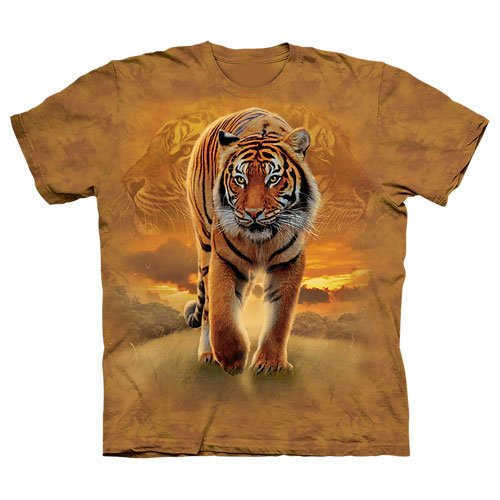
Best Tiger Shirts for Tiger Lovers
Best Tiger Shirts for Tiger Lovers Tiger shirts often miss the mark, leaving fans with dull prints that don’t capture the wild spirit of these majestic cats. If you’ve been hunting for the best tiger apparel that blends bold artistry with comfort, your search ends here. This post highlights tiger print t-shirts and stylish tiger […]
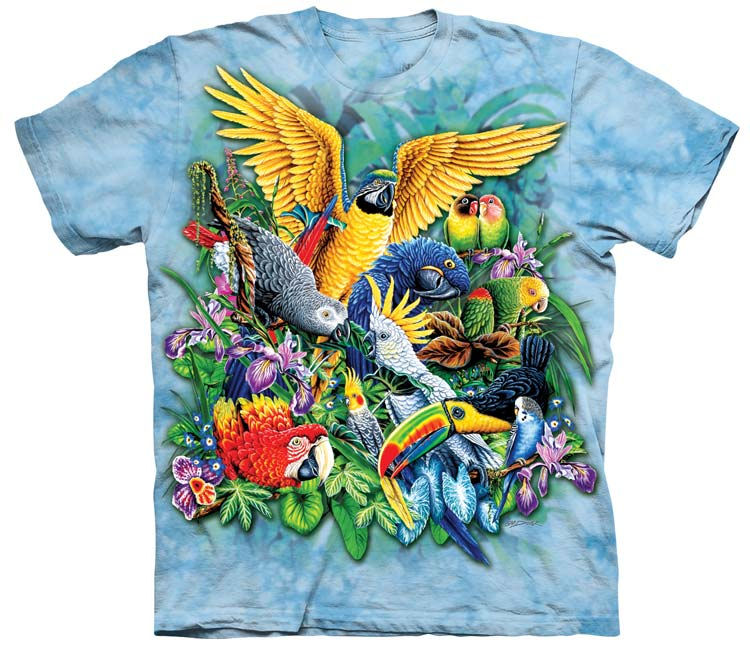
Best Bird Shirts for Bird Lovers
Best Bird Shirts for Bird Lovers Bird shirts aren’t just for casual wear anymore—they’ve become a statement for anyone who loves the colors and charm of feathered friends. If you want bird lover apparel that stands out, you’ll want to see the styles blending art and nature in fresh ways. This post highlights bird-themed t-shirts […]

Best Eagle Shirts for Eagle Lovers
Best Eagle Shirts for Eagle Lovers Eagle shirts don’t have to be ordinary. If you want to wear your passion for these powerful birds with style, the options out there can surprise you. From bold graphic eagle tees to subtle nature inspired clothing, the right eagle apparel makes a statement without sacrificing comfort. Keep reading […]

Best Bear Shirts for Wildlife Lovers
Best Bear Shirts for Wildlife Lovers Most bear shirts out there miss the mark between style and comfort. You want wildlife clothing that feels as good as it looks and truly captures the spirit of these powerful creatures. In this post, you’ll find bear graphic tees that balance charming artwork with bold designs, perfect for […]

Best Animal Shirts for Nature Lovers
Best Animal Shirts for Nature Lovers Forget plain tees that don’t say much about who you are. If you love the wild, your wardrobe should shout it loud and clear with the best animal shirts out there. These nature lover apparel pieces mix eye-catching wildlife graphic tees with comfort and style, perfect for anyone who […]
Follow us on Social Media
Instagram – YouTube – Pinterest – Twitter – Facebook
Alligators – Aquatic – Bears – Big Cats – Birds – Buffalo – Cats – Deer – Dinosaurs – Dogs – Dragons – Eagles – Elephants – Elk – Frogs – Gecko – Giraffes – Horses – Kittens – Moose – Pandas – Snakes – Tigers – Unicorns – Wolves – Cat Shirts – Celtic – Dog Shirts – Dolphins – Dragons – Eagles – Fairies – Horse Shirts – Misc – Native American Indians – Patriotic – Peace – Primates – Religion – Scary – Sci Fi – Skeletons – Tie Dye – Tigers – Wolf Shirts
Interesting Animal Facts and Information
Bald Eagles – Cheetahs – Dolphins – Dinosaurs – Tigers – Lions – Cats – Dogs


Leave A Comment
You must be logged in to post a comment.