

Cheetah vs Lion: A Detailed Big Cats Comparison for Wildlife Enthusiasts
In the expansive realm of big cats, the cheetah stands out as a marvel of nature, renowned for its exceptional speed and unique characteristics. For wildlife enthusiasts, understanding the nuances of these majestic creatures, particularly in comparison to the lion, offers a fascinating glimpse into the diversity of the animal kingdom. This piece delves into a detailed big cats comparison, unraveling the distinct traits that set the cheetah apart from its formidable cousin, the lion, and other members of the feline family. Whether you’re passionate about wildlife education or eager to explore the intricacies of cheetah habitat and behavior, this guide promises to enrich your knowledge and appreciation of these extraordinary animals. Join us as we embark on a captivating journey, exploring the differences and similarities in the cheetah vs lion debate.

Cheetah Characteristics and Habitats
Unique Cheetah Traits
Cheetahs possess a range of unique traits that distinguish them from other big cats. As the fastest land animal, they can reach speeds of up to 60 to 70 miles per hour in short bursts covering distances as long as 500 meters. This incredible speed is facilitated by their lightweight bodies, long legs, and specialized muscles. Additionally, cheetahs have large nasal passages and lungs to maximize oxygen intake during sprints. Their distinctive black “tear marks” under their eyes are thought to reduce glare and help focus on prey. Unlike lions, cheetahs do not roar; they communicate through a variety of vocalizations including purring, chirping, and growling. Their retractable claws provide traction similar to running spikes, enhancing their grip on the ground. Understanding these traits offers valuable insights into the cheetah’s adaptations to its habitat, aiding in wildlife education and conservation efforts.
Cheetah Habitat Exploration
Cheetahs predominantly inhabit a range of ecosystems across Africa, from vast savannas to arid deserts. Their habitats are typically open grasslands and semi-desert areas that provide ample space for their high-speed chases. This choice of environment is critical for their hunting strategy, as open areas allow cheetahs to utilize their speed to chase down prey. They thrive in regions where they can effectively camouflage, blending into the tall grasses to stealthily approach targets. Cheetah populations can also be found in isolated areas of Iran, showcasing their adaptability to different terrains. However, their habitats face threats from human encroachment, leading to a decline in available hunting grounds. Conservation efforts focus on protecting these environments to preserve the cheetah’s natural lifestyle. Understanding the nuances of cheetah habitat is crucial for wildlife education, ensuring these magnificent creatures continue to have space to roam and thrive.
Big Cats Comparison: Cheetah vs Lion
Speed and Agility Differences
Cheetahs and lions exhibit notable differences in speed and agility, reflective of their distinct hunting strategies. Cheetahs are renowned for their unparalleled speed, capable of accelerating from 0 to 60 miles per hour in just a few seconds. This speed is complemented by their remarkable agility, allowing them to make sharp turns at high velocities. Their flexible spines and long limbs contribute to their ability to maneuver quickly, essential for capturing fast-moving prey. In contrast, lions are built for power rather than speed. They can run short distances at speeds up to 35 miles per hour but rely more on strength and teamwork during hunts. Lions typically ambush prey in groups, utilizing their strength to overpower rather than outrun. The contrast between the cheetah’s speed and the lion’s power highlights their evolutionary adaptations to different ecological niches, offering a fascinating study in the diversity of big cats.
Hunting Strategies and Social Structures
Cheetahs and lions differ significantly in their hunting strategies and social structures. Cheetahs are primarily solitary hunters, relying on their speed to chase down and capture prey. Their hunting strategy involves stalking to get as close as possible before launching a high-speed chase. This solitary approach contrasts sharply with the social hunting techniques of lions. Lions operate in prides, working together to encircle and ambush prey. This cooperative strategy allows them to tackle larger animals that would be unmanageable alone. Socially, cheetahs tend to be more solitary, although females with cubs and male coalitions can be observed. Lions, on the other hand, have complex social structures within their prides, which consist of related females, their offspring, and a small number of adult males. These differences underscore the adaptation of each species to their environment, illustrating the diverse evolutionary paths taken by big cats to survive and thrive.
Wildlife Education: Cheetah vs Leopard
Physical and Behavioral Contrasts
Cheetahs and leopards exhibit distinct physical and behavioral differences that are often highlighted in wildlife education. Physically, cheetahs are built for speed with a slender body, long legs, and a lightweight frame, whereas leopards are more robust and muscular, adapted for strength and stealth. Cheetahs have a distinctive spotted coat with black tear marks on their face, aiding in glare reduction. In contrast, leopards feature rosette-patterned fur, providing effective camouflage in a variety of habitats. Behaviorally, cheetahs rely on speed and daytime hunting, often pursuing prey in open areas. Leopards are primarily nocturnal and arboreal, using trees for hunting and protection. Leopards are solitary and territorial, often marking their territory with scent marks and vocalizations. Understanding these contrasts enhances the appreciation of these species’ unique adaptations, contributing to a broader knowledge of big cat ecology and the importance of preserving their diverse habitats.
Adaptations and Survival Skills
Cheetahs and leopards possess unique adaptations and survival skills, reflecting their evolutionary paths. Cheetahs are specialized sprinters; their lightweight bodies and non-retractable claws provide the traction needed for rapid acceleration and high-speed chases across open terrains. This specialization, however, comes with trade-offs, making them less equipped for fights against larger predators and necessitating a strategic approach to avoid confrontations. Leopards, on the other hand, are adept climbers with strong, muscular builds that enable them to haul prey into trees, safeguarding meals from scavengers. Their retractable claws and powerful jaw muscles are crucial for gripping and dispatching prey. Additionally, leopards have a remarkable ability to adapt to diverse environments, from dense forests to arid regions, demonstrating their resilience and versatility. These adaptations not only highlight the distinct survival strategies of each species but also underscore the importance of habitat conservation in maintaining the ecological roles of these magnificent big cats.
Enjoy some interesting animal facts below!
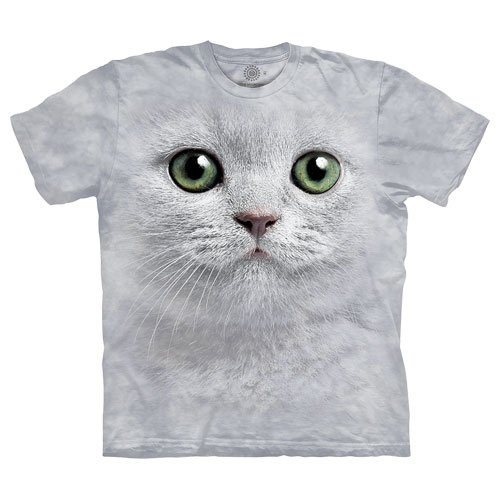
Best Animal T-Shirts for Men Who Love Wildlife
Best Animal T-Shirts for Men Who Love Wildlife Most animal t-shirts blend into the background, leaving your love for wildlife unnoticed. You want shirts that speak louder than words, showcasing majestic lions, soaring eagles, and vibrant marine life with style. This guide highlights the best animal t-shirts for men, combining bold graphics with comfort and […]
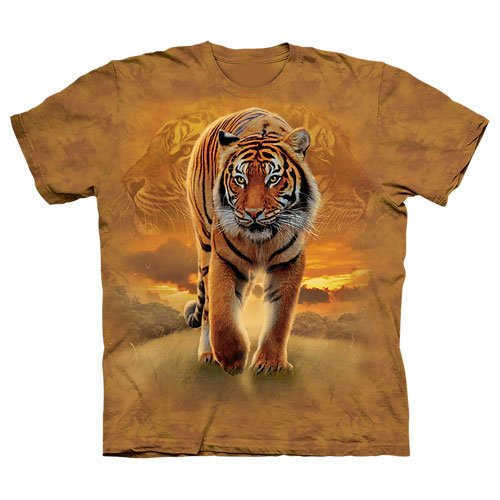
Best Tiger Shirts for Tiger Lovers
Best Tiger Shirts for Tiger Lovers Tiger shirts often miss the mark, leaving fans with dull prints that don’t capture the wild spirit of these majestic cats. If you’ve been hunting for the best tiger apparel that blends bold artistry with comfort, your search ends here. This post highlights tiger print t-shirts and stylish tiger […]
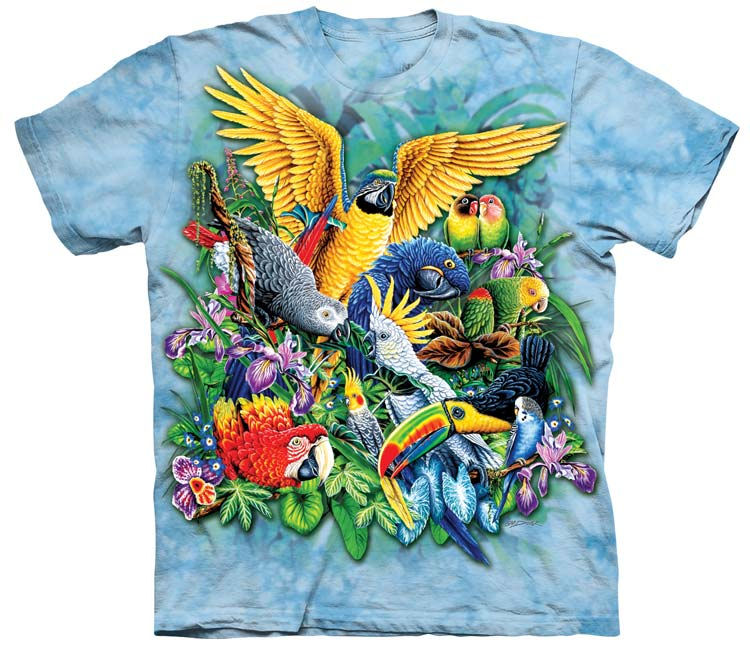
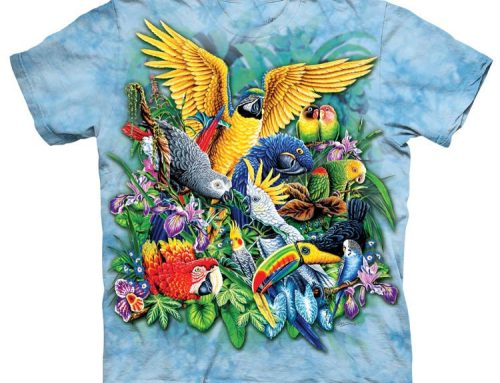
Best Bird Shirts for Bird Lovers
Best Bird Shirts for Bird Lovers Bird shirts aren’t just for casual wear anymore—they’ve become a statement for anyone who loves the colors and charm of feathered friends. If you want bird lover apparel that stands out, you’ll want to see the styles blending art and nature in fresh ways. This post highlights bird-themed t-shirts […]

Best Eagle Shirts for Eagle Lovers
Best Eagle Shirts for Eagle Lovers Eagle shirts don’t have to be ordinary. If you want to wear your passion for these powerful birds with style, the options out there can surprise you. From bold graphic eagle tees to subtle nature inspired clothing, the right eagle apparel makes a statement without sacrificing comfort. Keep reading […]

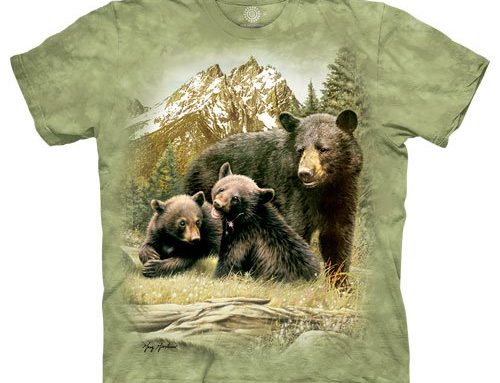
Best Bear Shirts for Wildlife Lovers
Best Bear Shirts for Wildlife Lovers Most bear shirts out there miss the mark between style and comfort. You want wildlife clothing that feels as good as it looks and truly captures the spirit of these powerful creatures. In this post, you’ll find bear graphic tees that balance charming artwork with bold designs, perfect for […]

Best Animal Shirts for Nature Lovers
Best Animal Shirts for Nature Lovers Forget plain tees that don’t say much about who you are. If you love the wild, your wardrobe should shout it loud and clear with the best animal shirts out there. These nature lover apparel pieces mix eye-catching wildlife graphic tees with comfort and style, perfect for anyone who […]
Follow us on Social Media
Instagram – YouTube – Pinterest – Twitter – Facebook
Alligators – Aquatic – Bears – Big Cats – Birds – Buffalo – Cats – Deer – Dinosaurs – Dogs – Dragons – Eagles – Elephants – Elk – Frogs – Gecko – Giraffes – Horses – Kittens – Moose – Pandas – Snakes – Tigers – Unicorns – Wolves – Cat Shirts – Celtic – Dog Shirts – Dolphins – Dragons – Eagles – Fairies – Horse Shirts – Misc – Native American Indians – Patriotic – Peace – Primates – Religion – Scary – Sci Fi – Skeletons – Tie Dye – Tigers – Wolf Shirts
Interesting Animal Facts and Information
Bald Eagles – Cheetahs – Dolphins – Dinosaurs – Tigers – Lions – Cats – Dogs


Leave A Comment
You must be logged in to post a comment.