

Feathers in Dinosaurs: Unraveling the Mystery Behind the Velociraptor and Other Feathered Giants
Dinosaurs have long fascinated us with their immense size and mysterious extinction, but recent discoveries have added a new layer of intrigue: feathers. The presence of feathers in dinosaurs like the Velociraptor has sparked significant discussion within the paleontological community, reshaping our understanding of these ancient creatures. As fossil evidence continues to emerge, we gain deeper insights into the evolution of feathers and their role in dinosaur biology and behavior. This exploration not only reveals the complex anatomy of these prehistoric giants but also challenges our perception of their daily lives and survival strategies. Join us as we unravel the mystery behind the feathered dinosaurs and uncover the secrets hidden in their ancient structures. Read more about feathered dinosaurs here.

The Fascinating World of Dinosaur Feathers
The discovery of feathers in dinosaurs has revolutionized our understanding of these ancient creatures. This section delves into the early fossil discoveries that sparked this revelation and highlights the breakthroughs that have reshaped paleontology.
Early Fossil Discoveries
The initial discovery of feathered dinosaur fossils emerged in the late 20th century, igniting curiosity among scientists. In Liaoning Province, China, paleontologists unearthed fossils with clear feather imprints, suggesting that feathers were more widespread than previously thought.
-
Feathered Imprints: These fossils displayed intricate feather patterns, providing insight into the texture and structure of dinosaur feathers.
-
Scientific Curiosity: This prompted a reevaluation of dinosaur classification.
These discoveries started a wave of research, challenging long-standing perceptions of dinosaur biology. The presence of feathers indicated that dinosaurs might have been more bird-like than reptilian, sparking discussions on dinosaur evolution.
Breakthroughs in Paleontology
Paleontology has seen significant advancements since the first feathered fossils were discovered. With enhanced technology, researchers can now examine fossils at a microscopic level, revealing new details.
-
CT Scanning: Allows for detailed imaging of feather structures without damaging fossils.
-
Chemical Analysis: Offers insights into the pigmentation and composition of feathers.
These advancements have led to a deeper understanding of how feathers evolved and their role in dinosaur behavior. As a result, our view of dinosaurs has shifted from scaly giants to complex, feathered creatures, bridging the gap between them and modern birds.
Feathered Dinosaurs Revealed
The revelation of feathered dinosaurs has changed the paleontological landscape. Notable discoveries have included:
-
Sinosauropteryx: One of the first known feathered dinosaurs.
-
Archaeopteryx: A critical link between dinosaurs and birds.
These species showcase the diversity in feather structures, from simple filaments to complex, branched feathers. The realization that feathers were not exclusive to birds challenges the notion of dinosaurs as purely reptilian.
The implications extend beyond simple appearance, influencing theories on dinosaur ecology, thermoregulation, and even social behavior. The presence of feathers suggests a variety of functions, from temperature regulation to mating displays, revealing a new dimension to dinosaur life.
Velociraptor and Feathered Giants
Velociraptors have long captured the public’s imagination, but recent evidence of feathers adds a fascinating twist to their story. This section explores the Velociraptor in detail and introduces other notable feathered dinosaurs, providing insights into their behavior.
Velociraptor: A Closer Look
The iconic Velociraptor, often depicted as a scaly predator, was likely covered in feathers. Recent fossil evidence shows quill knobs on their forearms, suggesting the presence of feathers.
-
Physical Attributes: Velociraptors were smaller than their movie counterparts, about the size of a turkey, with a more bird-like appearance.
-
Feather Function: Feathers may have aided in display, thermoregulation, or even balance during running.
These insights challenge popular portrayals and emphasize the evolutionary link between dinosaurs and birds. Modern birds share many anatomical features with these ancient predators, reinforcing their connection.
Learn more about Velociraptor’s feathers.
Other Notable Feathered Species
Beyond the Velociraptor, numerous feathered dinosaur species have been discovered, each offering unique insights into the diversity of feather usage.
-
Microraptor: Known for its four-winged anatomy, showcasing a unique adaptation of feathers.
-
Yutyrannus: A large feathered dinosaur, proving that not only small species had feathers.
These examples illustrate the broad spectrum of feathered dinosaurs, from the small and agile to the large and imposing. The diversity in feather type and function among these species continues to intrigue researchers, prompting further exploration into why feathers evolved in such varied ways.
Insights into Dinosaur Behavior
Feathers have offered new perspectives on dinosaur behavior, suggesting a variety of uses beyond flight.
-
Display and Communication: Feather patterns might have been used to attract mates or assert dominance.
-
Camouflage: Feathers could have served as a form of protection from predators.
These behavioral insights allow us to reimagine how dinosaurs interacted with their environment. Feathers likely played a crucial role in survival strategies, influencing everything from hunting techniques to social interactions.
Evolution of Feathers
The evolution of feathers is a complex story that intertwines with the history of dinosaurs. This section explores the origins of feather-like structures, their adaptive advantages, and their impact on dinosaur biology.
Origins of Feather-like Structures
Feathers likely evolved from simple filamentous structures on the skin of early theropods. These structures provided the foundation for more complex feather types.
-
Simple Filaments: Early feathers were likely for insulation or display.
-
Evolutionary Progression: Over time, these filaments became more intricate, branching into modern feather structures.
This evolution suggests that feathers were present in a wide range of dinosaurs, not just those closely related to birds. Understanding these origins gives insight into how feathers became a multifaceted survival tool.
Adaptive Advantages of Feathers
Feathers provided several adaptive advantages, allowing dinosaurs to thrive in varying environments.
Thermoregulation: Insulation helped maintain body temperature.
Camouflage: Feather patterns helped dinosaurs blend into their surroundings.
These advantages highlight the evolutionary significance of feathers, suggesting they were pivotal in the success of feathered dinosaurs. As a versatile adaptation, feathers offered dinosaurs several avenues for ecological success.
Impact on Dinosaur Biology
The presence of feathers had a profound impact on dinosaur biology, influencing their physiology and behavior.
-
Metabolic Rate: Feathers may indicate a higher metabolic rate, akin to modern birds.
-
Aerodynamics: While not all feathered dinosaurs could fly, feathers improved agility and maneuverability.
These biological impacts suggest a dynamic and complex picture of dinosaur life. Feathers were not merely decorative but integral to survival and adaptation, playing a pivotal role in the lives of these ancient creatures.
Fossil Evidence and Implications
Fossil evidence has been key in reshaping our perception of dinosaurs, revealing the true nature of their appearance and behavior. This section discusses key fossil discoveries, analyzes feather structures, and explores how these findings impact our understanding of dinosaur appearance.
Key Fossil Discoveries
Significant fossil discoveries have provided crucial insights into feathered dinosaurs. In particular, the Liaoning Province in China has been a hotbed for these finds.
-
Sinosauropteryx: This fossil displayed clear feather impressions, changing the narrative on dinosaur skin.
-
Caudipteryx: Offered detailed evidence of feather arrangement and function.
These fossils are invaluable to paleontologists, providing a tangible connection to the past and enhancing our understanding of feather evolution. The dinosaur fossils from this region continue to offer new information, driving ongoing research.
Analyzing Feather Structures
Analyzing fossilized feather structures has allowed scientists to infer various aspects of dinosaur biology and behavior.
-
Pigmentation Studies: Chemical analysis has revealed potential color patterns.
-
Feather Composition: Examining microscopic structures aids in understanding feather development.
These analyses have opened new avenues for studying dinosaur behavior and ecology, revealing nuanced details about their lives. By drawing parallels to modern birds, researchers can infer the possible roles feathers played in communication, camouflage, and social interaction.
Reimagining Dinosaur Appearance
The presence of feathers has led to a reimagining of dinosaur appearance, challenging traditional depictions.
Artistic Representations: Dinosaurs are now often illustrated with vibrant feather patterns.
Public Perception: These new depictions challenge the classic image of dinosaurs, fostering a broader understanding of their diversity.
This shift in representation underscores the dynamic nature of scientific discovery. As fossil evidence continues to emerge, our understanding of dinosaurs evolves, providing a richer, more accurate picture of these ancient giants.
Understanding Dinosaur Biology and Behavior
Feathers’ role in dinosaur biology and behavior is multifaceted, influencing everything from survival strategies to social interactions. This section explores feathers’ role in survival, provides behavioral insights, and discusses future research directions.
Role of Feathers in Survival
Feathers played a crucial role in dinosaur survival, offering several advantages.
-
Insulation: Feathers helped maintain body temperature, crucial for thermoregulation.
-
Protection: Feather patterns provided camouflage from predators.
These survival strategies highlight the essential role feathers played in dinosaur biology, offering protection and enhancing adaptability in diverse environments.
Behavioral Insights from Feathers
The study of feathers has unveiled several behavioral insights into dinosaur life.
Social Interactions: Feathers may have been used in mating displays or to establish dominance within groups.
Hunting Techniques: Feather arrangement might have aided in silent movement or surprise attacks.
These insights provide a window into the social dynamics and daily lives of dinosaurs, revealing a complex web of interactions similar to those observed in modern birds. Understanding these behaviors enriches our knowledge of dinosaur ecology and their interactions with the environment.
Future Research Directions
Research into dinosaur feathers continues to evolve, with several promising avenues for future exploration.
-
Genetic Studies: Analyzing ancient DNA could provide insights into feather development.
-
Comparative Analysis: Studying modern birds to infer dinosaur feather functions.
These research directions promise to uncover more about how feathers influenced dinosaur evolution. As technology advances, new methods will likely yield further discoveries, enhancing our understanding of these fascinating creatures.
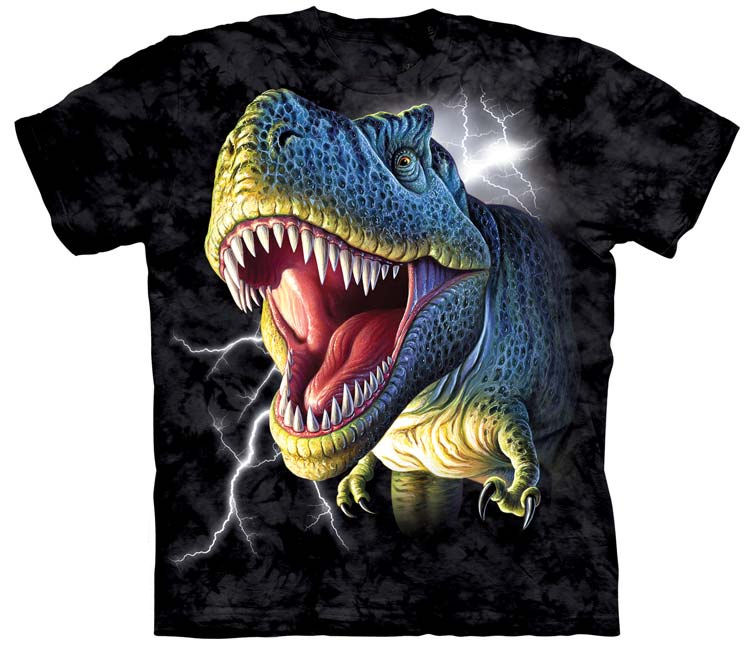
Explore more about dinosaurs and their evolution with related products at AnimalShirt.net.



Leave A Comment
You must be logged in to post a comment.