

Discovering Avian Traits: Scientific Evidence Unveiling the Dinosaur-Bird Link
For centuries, the mysterious link between dinosaurs and modern birds has captivated scientists and enthusiasts alike, sparking a journey of discovery through the fascinating realm of avian traits. As a paleontology enthusiast, you’ll appreciate the groundbreaking scientific evidence that unveils the evolutionary connection bridging these ancient giants with the feathered creatures we admire today. Dive into the world of paleontology, where debates among experts illuminate the shared physical traits and behaviors that suggest a direct lineage from prehistoric times. This exploration not only reshapes our understanding of bird evolution but also offers intriguing insights into the dynamic history of life on Earth. Join us as we unravel this evolutionary tapestry, piecing together the legacy of one of nature’s most astonishing transformations. Learn more about the origin of birds.

Evolutionary Connection Between Birds and Dinosaurs
The evolutionary connection between birds and dinosaurs is a fascinating topic within paleontology, engaging scientists and enthusiasts alike. Understanding this connection helps unravel the mysteries of bird evolution and provides insights into how present-day birds evolved from their gigantic prehistoric ancestors.
Bird Evolution Through Time
Bird evolution is a testament to the incredible adaptability of life on Earth. Birds emerged during the Mesozoic Era, evolving from theropod dinosaurs. Theropods were two-legged dinosaurs, and many had bird-like features. Over millions of years, these creatures developed traits that are characteristic of today’s birds, such as feathers and lightweight skeletons.
-
Birds’ closest dinosaur relatives, like Velociraptors and Tyrannosaurus rex, shared many traits with modern birds.
-
The transition involved not just physical changes but also shifts in behavior and habitat adaptation.
Scientific American provides an in-depth exploration of how these ancient creatures gradually transitioned into what we now recognize as birds.
Scientific Evidence of Dinosaur-Bird Link
Scientific evidence of the link between dinosaurs and birds is robust, encompassing various fields such as fossil records, comparative anatomy, and genetics. Fossils with preserved feathers provide clear evidence of this connection. Feathers, once thought unique to birds, have been discovered on numerous dinosaur fossils, indicating their presence long before birds.
-
Discoveries of feathered dinosaurs in places like China have significantly advanced our understanding.
-
Genetic studies reveal similarities in the DNA of birds and their dinosaur ancestors, supporting the evolutionary connection.
These discoveries are extensively covered in Evolution Outreach.
Paleontologists Debates on Avian Traits
Paleontologists have long debated the specifics of avian traits and their origins. Discussions often center around which dinosaur species are most closely related to birds and how these relationships are determined. Some debates include:
-
Whether flight originated from tree-dwelling dinosaurs gliding down or ground-dwellers eventually taking off.
-
How the physiological changes occurred and the timeline for these developments.
-
The role of environmental pressures in shaping these evolutionary paths.
These debates highlight the dynamic nature of scientific inquiry and the ongoing quest to unlock nature’s secrets.
Unique Physical Traits Linking Birds to Dinosaurs
Exploring the unique physical traits that link birds to dinosaurs reveals the evolutionary path that led to modern birds. These traits include feathers, skeletal structures, and other anatomical features that have persisted through millennia.
Feathered Dinosaurs and Modern Birds
Feathered dinosaurs are a critical piece of evidence in understanding the evolutionary connection to modern birds. Feathers served multiple functions, such as insulation, display, and eventually flight. Over time, these structures became more specialized.
-
Early feathers were likely simple filaments, similar to down.
-
As evolutionary processes continued, feathers became more complex, aiding in flight and other functions.
The evidence of feathered dinosaurs is abundant and includes well-preserved fossils that showcase these evolutionary milestones.
Skeletal Similarities in Evolutionary Connection
The skeletal similarities between birds and dinosaurs are profound. Both groups share several anatomical features that underscore their evolutionary connection. Notable similarities include:
-
Hollow bones, which reduce weight and assist in flight.
-
A wishbone, or furcula, which is a critical component of the avian skeleton.
-
Three-toed limbs and similar hip structures.
These skeletal characteristics highlight the shared evolutionary lineage and are supported by extensive fossil evidence.
Behavioral Traits and Evolutionary Insights
Behavioral traits provide additional insights into the evolutionary lineage connecting birds and dinosaurs. Examining nesting habits, parental care, and locomotion reveals how ancient behaviors have persisted and transformed.
Nesting Habits and Parental Care
Nesting habits and parental care are behaviors that highlight the evolutionary continuity between dinosaurs and birds. Dinosaurs like the Oviraptor were initially thought to raid nests but are now known to have cared for their young. Key insights include:
-
Fossilized nests indicate complex nesting behaviors similar to modern birds.
-
Parental care, such as protecting eggs and feeding young, suggests advanced social behaviors.
These behaviors demonstrate a direct evolutionary lineage from dinosaurs to birds.
Flight and Locomotion Comparisons
Flight and locomotion are significant evolutionary traits connecting birds and dinosaurs. While not all dinosaurs could fly, many exhibited adaptations for efficient movement. Comparisons show:
-
Early dinosaurs may have used wings initially for balance or gliding.
-
Over time, evolutionary pressures refined these adaptations into powered flight.
These locomotion strategies reveal the gradual development of flight capabilities, showcasing the link between ancient and modern avian species.
Implications of Avian Evolution
The evolutionary path from dinosaurs to birds has profound implications for understanding avian traits and guiding future research. This knowledge enhances our comprehension of how certain features have evolved and adapted over time.
Understanding Avian Traits in Modern Birds
Understanding avian traits in modern birds allows us to trace the influence of evolutionary processes. Many characteristics, such as beak shapes and flight patterns, have roots in dinosaur ancestors. Insights include:
-
Adaptations for specific diets and environments.
-
Variations in flight mechanics reflecting different evolutionary pressures.
These insights demonstrate the dynamic interplay between form, function, and environment in shaping avian evolution.
Future Research Directions in Paleontology
Future research directions in paleontology aim to expand our knowledge of bird evolution. By examining new fossil discoveries and employing advanced technologies, scientists can uncover additional facets of this evolutionary story. Research priorities include:
-
Continued exploration of transitional fossils.
-
Genetic studies to further elucidate evolutionary relationships.
-
Technological advancements in analyzing fossilized remains.
Such efforts will undoubtedly provide deeper insights into the evolutionary journey from dinosaurs to modern birds.
Challenges and Opportunities in Paleontologists’ Research
Paleontologists face a range of challenges and opportunities in their quest to understand bird evolution. While debates continue to shape our understanding, bridging the knowledge gap remains a priority.
Debates Shaping Bird Evolution Understanding
Debates among paleontologists are essential in shaping our understanding of bird evolution. These discussions often revolve around interpreting fossil evidence, understanding phylogenetic relationships, and reconstructing behavioral traits. Key debates include:
-
The sequence of evolutionary changes leading to flight.
-
The role of different environmental factors in shaping evolution.
-
The classification of new fossil finds within the existing framework.
Such debates drive scientific progress and refine our comprehension of evolutionary processes.
Bridging the Knowledge Gap in Avian Evolution
Bridging the knowledge gap in avian evolution presents both challenges and opportunities. Continued research and collaboration are essential for advancing our understanding. Strategies include:
-
Encouraging interdisciplinary studies to integrate various scientific perspectives.
-
Investing in new technologies to enhance fossil analysis.
-
Promoting public interest and education on evolutionary biology.
These efforts will help uncover more about the fascinating lineage from dinosaurs to birds, contributing to our broader understanding of life’s history.
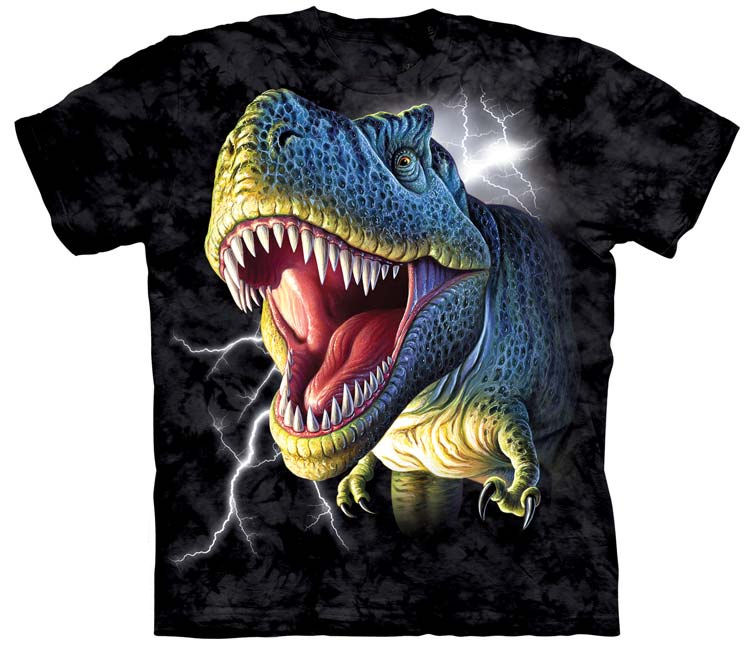
For enthusiasts eager to express their love for these ancient creatures, explore the dinosaur-themed merchandise available on Animal Shirt.



Leave A Comment
You must be logged in to post a comment.