

The Wolf Pack Structure: Nature’s Blueprint for Teamwork and Harmony
When you think about teamwork and harmony in nature, the wolf pack structure is a perfect example of how animals can work together seamlessly. Wolves have an intricate social hierarchy that not only ensures their survival but also highlights the beauty of cooperation and unity. Each member of the pack has a role, from the alpha leaders to the playful pups, creating a dynamic that is both fascinating and inspiring. We’ll explore the wolf pack dynamics and wolf behavior, delving into how these remarkable canines communicate and collaborate in the wild. So, whether you’re a wildlife enthusiast or just love the idea of nature’s teamwork, let’s dive into this captivating world where every howl and paw print tells a story of connection and camaraderie.

Understanding Wolf Pack Structure
The Role of the Alpha Pair
The alpha pair is at the heart of the wolf pack structure. These leaders are not just the strongest or most dominant; they are the social glue of the pack. The alpha male and female assume the critical roles of decision-makers and guides. They lead hunts, make territory decisions, and ensure the safety and discipline of the pack. This leadership is more about respect and guidance than sheer power, fostering cooperation and unity among the wolves. It’s fascinating how their leadership style doesn’t rely solely on dominance but rather on nurturing and maintaining harmony. The alpha pair’s bond is often lifelong, demonstrating a partnership that mirrors successful teamwork. Their responsibilities ensure the pack functions smoothly, showcasing an incredible example of leadership that balances authority with empathy and understanding.
Importance of Beta Wolves
Beta wolves play a crucial role in the wolf pack structure, acting as the right-hand wolves to the alpha pair. They are next in line in the social hierarchy and often take on leadership duties when the alphas are absent. This role involves supporting the alpha pair in maintaining order and discipline within the pack. Betas are often responsible for mediating conflicts and ensuring that the younger or lower-ranked wolves adhere to the established social norms. Their presence helps to stabilize the pack, offering guidance and reinforcing the alpha’s decisions. Moreover, beta wolves can be instrumental during hunts, coordinating group efforts and ensuring the pack works as a cohesive unit. The position of the beta wolf is one of both power and responsibility, serving as a bridge between the leaders and the rest of the pack, maintaining the balance needed for the pack’s survival and success.
Contribution of Omega Members
Omega wolves hold a unique position within the wolf pack structure, often misunderstood as merely the lowest rank. However, their role is vital for maintaining social harmony. Omegas act as tension diffusers, using their playful and submissive nature to alleviate stress and aggression among higher-ranked members. This helps prevent conflicts and promotes a more relaxed atmosphere within the pack. When disputes arise, omega wolves can defuse situations by diverting attention with their antics, thus reducing the chances of serious altercations. Their playful behavior also serves as a social bonding tool, especially important for younger pack members learning social dynamics. Despite their low ranking, omega wolves contribute significantly to the emotional and social wellbeing of the group, showcasing that every role in the pack is crucial for its overall success. Their presence ensures that the pack remains a united and cooperative unit, exemplifying the importance of every member in a functioning social structure.
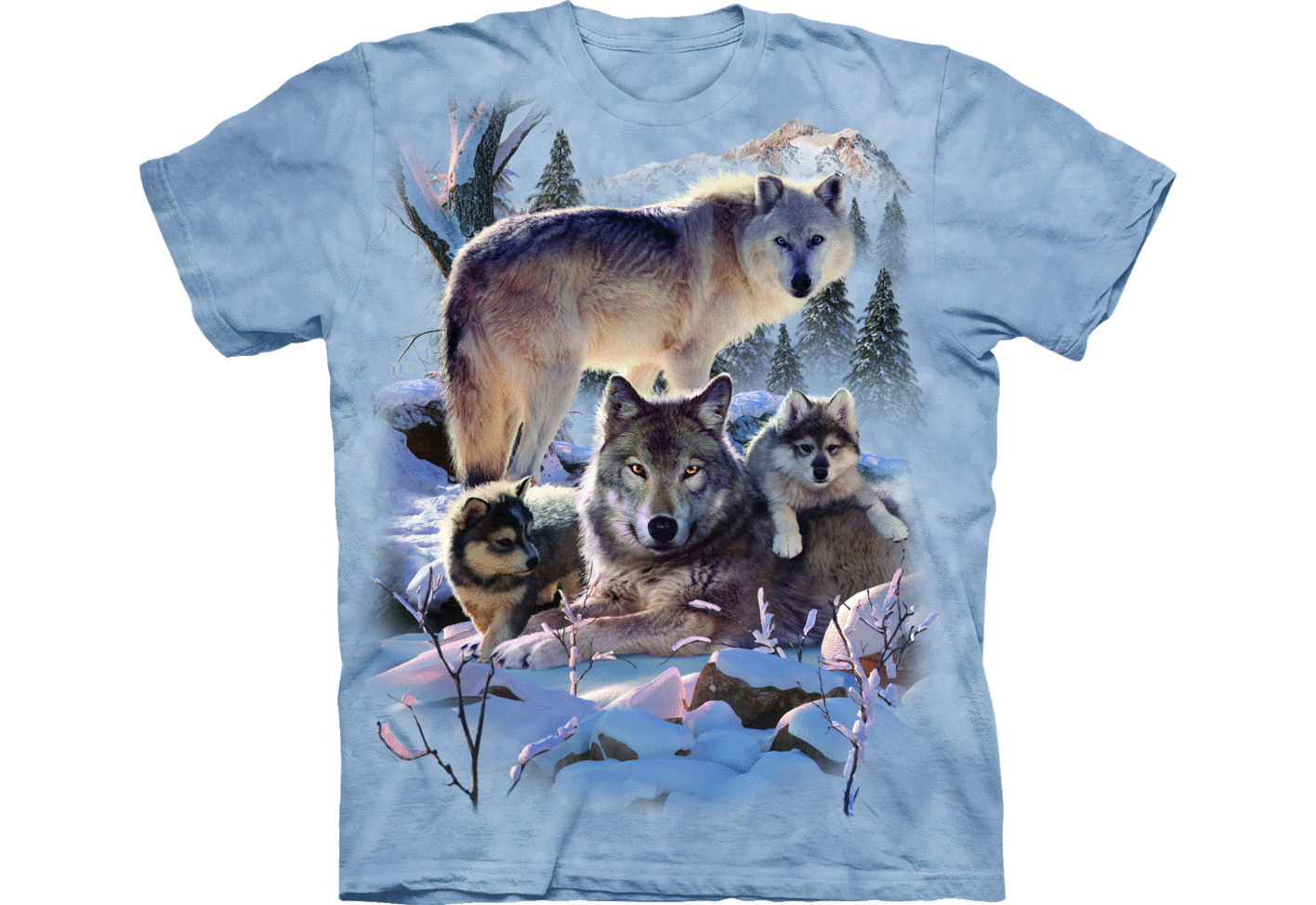
Exploring Wolf Social Hierarchy
Leadership and Decision Making
In the intricate wolf social hierarchy, leadership and decision-making are primarily the responsibility of the alpha pair. These leaders excel in guiding the pack through complex situations, such as determining hunting strategies and navigating territorial challenges. Unlike human leadership that can often be authoritarian, wolf leaders rely on collaboration and consensus-building. They consider the pack’s needs and strengths, making decisions that benefit the entire group. This approach fosters trust and loyalty within the pack, strengthening their bonds and ensuring high levels of cooperation during hunts and territorial patrols. Leadership among wolves is thus not about exerting control but about facilitating harmony and cohesion. The decision-making process is a dynamic interplay of respect and support, where the alpha pair utilizes their experience and wisdom to steer the pack towards collective goals. This cooperative leadership style exemplifies how mutual respect and clear communication can lead to effective and harmonious group dynamics.
Communication within the Pack
Communication is the cornerstone of wolf pack dynamics, ensuring that the intricate wolf social hierarchy functions smoothly. Wolves use a blend of vocalizations, body language, and scent markings to convey messages and maintain social bonds. Howls, perhaps the most iconic form of wolf communication, serve multiple purposes—from rallying the pack before a hunt to warning rival packs to steer clear of their territory. Body language, such as tail positions and facial expressions, conveys emotions and intentions, helping prevent misunderstandings and conflicts within the pack. Scent marking is another vital form of communication, used to define territorial boundaries and relay individual status or reproductive readiness. These methods form a sophisticated communication network that ensures every pack member understands their role and the pack’s current objectives. Through this intricate communication system, wolves demonstrate a level of social intelligence that supports effective collaboration and strengthens pack unity, highlighting the importance of clear communication in maintaining social structure.
Insights into Wolf Pack Dynamics
Cooperation and Hunting Strategies
Cooperation is a hallmark of wolf pack dynamics, particularly evident in their sophisticated hunting strategies. Wolves rely on teamwork to tackle prey much larger and swifter than themselves, such as elk or deer. Each pack member plays a strategic role, from driving prey to ambush locations to cutting off escape routes. This level of coordination requires not only physical prowess but also a deep understanding of each member’s capabilities. The alpha pair often spearheads hunts, using their experience to orchestrate the complex maneuvers required for success. By working together, wolves maximize their hunting efficiency, ensuring that all pack members have enough to eat. This cooperation extends beyond hunting, reflecting in how they care for pups and protect their territory. It’s a perfect example of how collective effort and strategic planning can lead to success in challenging environments, showcasing the remarkable adaptability and intelligence of these canines in their natural habitat.
Nurturing and Protecting the Young
In wolf pack dynamics, nurturing and protecting the young is a collective endeavor that underscores the importance of community in the wolf social hierarchy. The entire pack participates in the upbringing of pups, highlighting the communal spirit that defines wolf behavior. From the moment the pups are born, they are surrounded by a supportive network of family members. The alpha female typically takes on the primary role of caring for the pups, with other pack members contributing by bringing food and keeping watch. As the pups grow, older siblings and other adults help teach them essential survival skills through play and guidance. This collective rearing approach ensures that the pups receive the care and education needed to thrive. By involving every member in the development of the young, the pack strengthens its bonds and ensures the continuation of its lineage, exemplifying how cooperation and shared responsibility are vital to the survival of these remarkable creatures.
Enjoy some interesting animal facts below!
Best Animal T-Shirts for Men Who Love Wildlife
Best Animal T-Shirts for Men Who Love Wildlife Most animal t-shirts blend into the background, leaving your love for wildlife unnoticed. You want shirts that speak louder than words, showcasing majestic lions, soaring eagles, and vibrant marine life with style. This guide highlights the best animal t-shirts for men, combining bold graphics with comfort and […]
Best Tiger Shirts for Tiger Lovers
Best Tiger Shirts for Tiger Lovers Tiger shirts often miss the mark, leaving fans with dull prints that don’t capture the wild spirit of these majestic cats. If you’ve been hunting for the best tiger apparel that blends bold artistry with comfort, your search ends here. This post highlights tiger print t-shirts and stylish tiger […]
Best Bird Shirts for Bird Lovers
Best Bird Shirts for Bird Lovers Bird shirts aren’t just for casual wear anymore—they’ve become a statement for anyone who loves the colors and charm of feathered friends. If you want bird lover apparel that stands out, you’ll want to see the styles blending art and nature in fresh ways. This post highlights bird-themed t-shirts […]

Best Eagle Shirts for Eagle Lovers
Best Eagle Shirts for Eagle Lovers Eagle shirts don’t have to be ordinary. If you want to wear your passion for these powerful birds with style, the options out there can surprise you. From bold graphic eagle tees to subtle nature inspired clothing, the right eagle apparel makes a statement without sacrificing comfort. Keep reading […]

Best Bear Shirts for Wildlife Lovers
Best Bear Shirts for Wildlife Lovers Most bear shirts out there miss the mark between style and comfort. You want wildlife clothing that feels as good as it looks and truly captures the spirit of these powerful creatures. In this post, you’ll find bear graphic tees that balance charming artwork with bold designs, perfect for […]
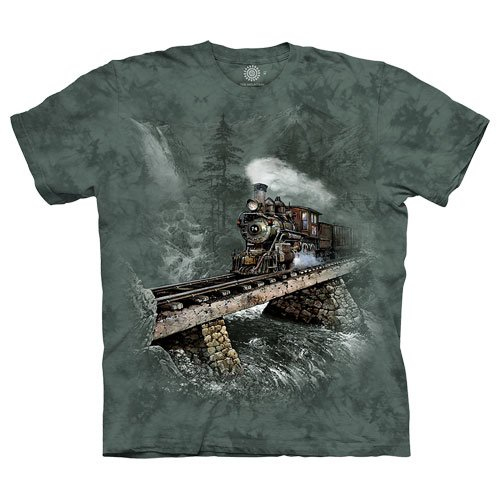
Best Animal Shirts for Nature Lovers
Best Animal Shirts for Nature Lovers Forget plain tees that don’t say much about who you are. If you love the wild, your wardrobe should shout it loud and clear with the best animal shirts out there. These nature lover apparel pieces mix eye-catching wildlife graphic tees with comfort and style, perfect for anyone who […]
Follow us on Social Media
Instagram – YouTube – Pinterest – Twitter – Facebook
Alligators – Aquatic – Bears – Big Cats – Birds – Buffalo – Cats – Deer – Dinosaurs – Dogs – Dragons – Eagles – Elephants – Elk – Frogs – Gecko – Giraffes – Horses – Kittens – Moose – Pandas – Snakes – Tigers – Unicorns – Wolves – Cat Shirts – Celtic – Dog Shirts – Dolphins – Dragons – Eagles – Fairies – Horse Shirts – Misc – Native American Indians – Patriotic – Peace – Primates – Religion – Scary – Sci Fi – Skeletons – Tie Dye – Tigers – Wolf Shirts
Interesting Animal Facts and Information
Bald Eagles – Cheetahs – Dolphins – Dinosaurs – Tigers – Lions – Cats – Dogs

Leave A Comment
You must be logged in to post a comment.