
How Wolves Communicate: Insights from the Wild for Nature Lovers and Eco-Advocates
Wolves, those majestic denizens of the wild, have a fascinating way of communicating that captivates animal enthusiasts and eco-advocates alike. From the haunting allure of wolf sounds echoing through the forest to the subtle nuances of wolf body language, these creatures have developed sophisticated methods of interaction that offer insights into wildlife communication. Imagine standing in the heart of a lush forest, the air filled with the symphony of nature, as wolves exchange messages that can tell stories of territories, pack dynamics, or even the simple joy of a successful hunt. In this piece, we’ll delve into how wolves communicate, exploring the rich tapestry of animal communication techniques that these extraordinary creatures employ. So, grab your favorite eco-friendly wolf-themed tee, and let’s embark on this wild journey together, celebrating the beauty of nature and the importance of sustainable living.
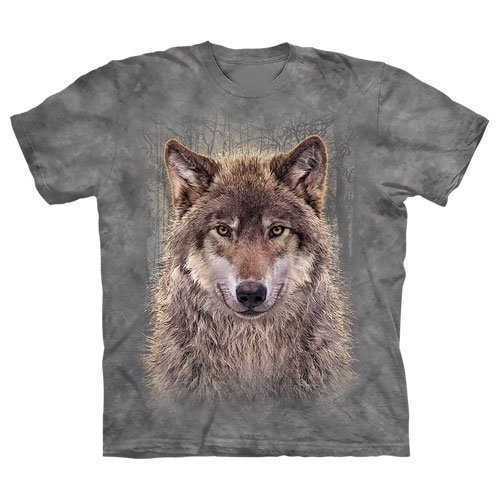
The Language of Wolves
Understanding Wolf Sounds
Wolf sounds are a captivating element of wildlife communication, offering a symphony of auditory signals that convey a myriad of messages. Howling is perhaps the most iconic wolf sound, often used to mark territory, signal location, or summon the pack. These haunting calls can be heard over vast distances, echoing through forests and mountains. Beyond howls, wolves communicate through growls, barks, and whimpers, each sound serving a distinct purpose. Growls often warn intruders or assert dominance, while barks can indicate alertness or curiosity. Whimpers, on the other hand, are softer sounds that might express submission or affection among pack members. By understanding these sounds, we gain insight into how wolves communicate and maintain their social structures. It’s a reminder of the rich tapestry of animal communication techniques and the importance of preserving these majestic creatures and their natural habitats.
Decoding Wolf Body Language
Wolf body language is a fascinating aspect of how wolves communicate, adding another layer to their complex social interactions. Subtle cues like ear position, tail movement, and posture can convey a range of emotions and intentions. For instance, a wolf with raised hackles and a stiff stance may be asserting dominance or displaying aggression, while a relaxed, wagging tail might indicate friendliness or submission. Eye contact is another critical element; a direct stare can be a challenge, whereas avoiding eye contact might show submission. Wolves also use their facial expressions to communicate—bared teeth, for example, are a clear warning sign. Understanding these visual signals helps us appreciate the nuanced ways wolves maintain harmony and hierarchy within their packs. It’s a testament to the sophistication of animal communication techniques, reminding us of the importance of preserving the natural environments where these creatures thrive.
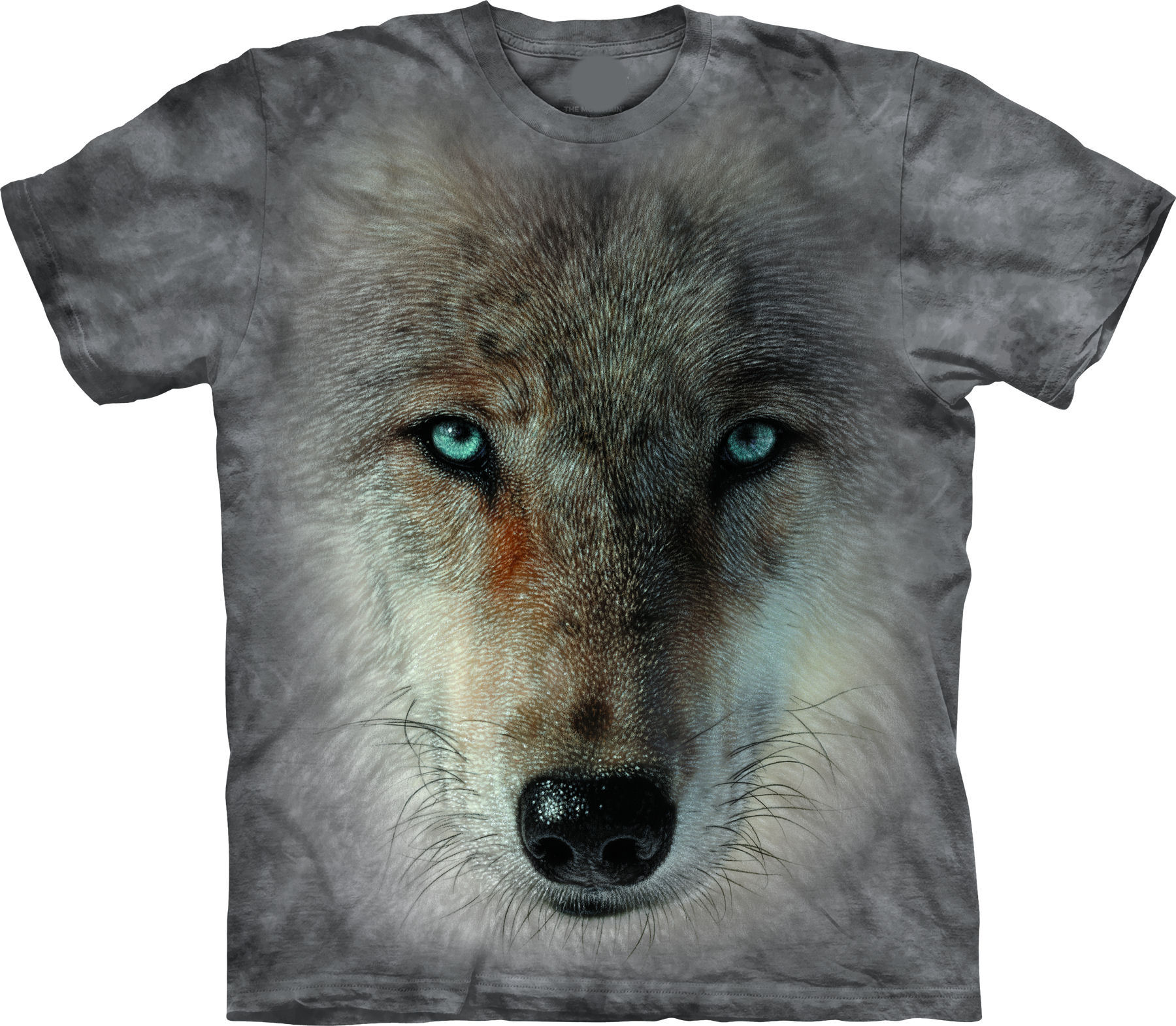
Social Structures and Communication
Pack Dynamics and Roles
Wolf packs are structured around complex social hierarchies that rely heavily on communication for cohesion and efficiency. Each member plays a specific role, from the alpha pair leading the group to the omega providing a buffer during conflicts. These roles are communicated through a mix of vocalizations and body language. The alpha wolves establish dominance and make crucial pack decisions, often using assertive postures and authoritative howls. Betas, who help reinforce the alpha’s commands, use a mix of submission and dominance displays to maintain order. Omegas, the lowest-ranking members, often exhibit submissive behaviors, like crouching or tail tucking, to diffuse tension. This intricate system of roles and communication ensures the pack operates smoothly, with each wolf understanding its place and responsibilities. It highlights the importance of wildlife communication in maintaining social harmony and the natural balance within their ecosystem.
Interaction in the Wild
In the wilderness, wolf interactions are a mesmerizing display of social intelligence and adaptability. These animals rely on both vocal and non-verbal cues to navigate the challenges of their environment. Hunting, for example, requires coordinated efforts where wolves use silent signals like a nod or a glance to communicate strategy, ensuring success without alerting prey. During territorial disputes, wolves might showcase a combination of intimidating howls and assertive body language to ward off intruders. These interactions are not only about survival but also about maintaining the complex social bonds within the pack. Playful behaviors, such as gentle nipping and chasing, are common, strengthening relationships and teaching younger wolves essential skills. Observing these interactions provides insight into the adaptive nature of wildlife communication and underscores the critical role these behaviors play in the survival and thriving of wolf packs in their natural habitats.
Lessons for Nature Lovers
Insights into Wildlife Communication
Exploring wolf communication provides profound insights into the broader spectrum of wildlife communication. It reveals how various species have evolved intricate methods to convey messages, maintain social bonds, and adapt to their environments. Observing wolves can teach nature lovers about the importance of non-verbal communication, as they often rely on subtle gestures and vocalizations to interact effectively. This understanding extends to appreciating the complexity of other animal groups that employ similar techniques to navigate their social worlds. Moreover, studying these interactions highlights the significance of preserving natural habitats where such communication flourishes. For eco-advocates, these insights reinforce the need for conservation efforts that protect these environments, ensuring that species like wolves continue to thrive. By embracing these lessons, we can foster a deeper connection with nature, advocating for sustainable practices that respect the intricate balance of ecosystems and the communication networks that sustain them.
Applying Animal Communication Techniques
Animal communication techniques offer valuable lessons that extend beyond the wild and into our daily lives. By observing wolves, we learn the power of body language and vocal cues in conveying emotions and intentions. Applying these insights can enhance our interpersonal interactions, helping us understand and respond to non-verbal signals in social and professional settings. For instance, recognizing a colleague’s subtle body language cues can foster more empathetic and effective communication. Additionally, these techniques can inspire creative ways to engage in community outreach or environmental advocacy. By mimicking the wolves’ ability to work cohesively through clear communication, we can organize and motivate collective efforts toward sustainability goals. Furthermore, embracing these techniques reinforces the importance of listening and observing, skills critical in both human relationships and wildlife conservation. Through these applications, nature lovers can deepen their connection to the natural world while promoting harmonious interactions within human communities.
Enjoy some interesting animal facts below!

Best Animal T-Shirts for Men Who Love Wildlife
Best Animal T-Shirts for Men Who Love Wildlife Most animal t-shirts blend into the background, leaving your love for wildlife unnoticed. You want shirts that speak louder than words, showcasing majestic lions, soaring eagles, and vibrant marine life with style. This guide highlights the best animal t-shirts for men, combining bold graphics with comfort and […]

Best Tiger Shirts for Tiger Lovers
Best Tiger Shirts for Tiger Lovers Tiger shirts often miss the mark, leaving fans with dull prints that don’t capture the wild spirit of these majestic cats. If you’ve been hunting for the best tiger apparel that blends bold artistry with comfort, your search ends here. This post highlights tiger print t-shirts and stylish tiger […]
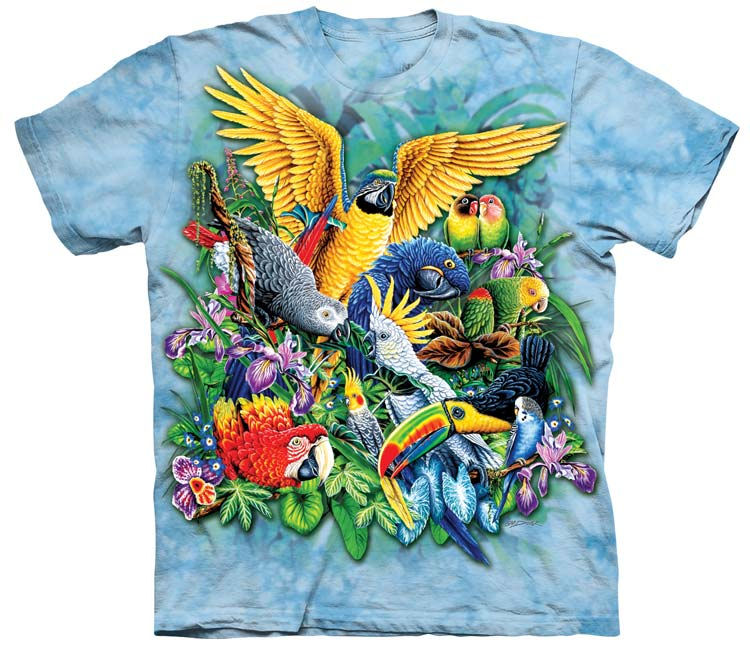
Best Bird Shirts for Bird Lovers
Best Bird Shirts for Bird Lovers Bird shirts aren’t just for casual wear anymore—they’ve become a statement for anyone who loves the colors and charm of feathered friends. If you want bird lover apparel that stands out, you’ll want to see the styles blending art and nature in fresh ways. This post highlights bird-themed t-shirts […]

Best Eagle Shirts for Eagle Lovers
Best Eagle Shirts for Eagle Lovers Eagle shirts don’t have to be ordinary. If you want to wear your passion for these powerful birds with style, the options out there can surprise you. From bold graphic eagle tees to subtle nature inspired clothing, the right eagle apparel makes a statement without sacrificing comfort. Keep reading […]

Best Bear Shirts for Wildlife Lovers
Best Bear Shirts for Wildlife Lovers Most bear shirts out there miss the mark between style and comfort. You want wildlife clothing that feels as good as it looks and truly captures the spirit of these powerful creatures. In this post, you’ll find bear graphic tees that balance charming artwork with bold designs, perfect for […]

Best Animal Shirts for Nature Lovers
Best Animal Shirts for Nature Lovers Forget plain tees that don’t say much about who you are. If you love the wild, your wardrobe should shout it loud and clear with the best animal shirts out there. These nature lover apparel pieces mix eye-catching wildlife graphic tees with comfort and style, perfect for anyone who […]
Follow us on Social Media
Instagram – YouTube – Pinterest – Twitter – Facebook
Alligators – Aquatic – Bears – Big Cats – Birds – Buffalo – Cats – Deer – Dinosaurs – Dogs – Dragons – Eagles – Elephants – Elk – Frogs – Gecko – Giraffes – Horses – Kittens – Moose – Pandas – Snakes – Tigers – Unicorns – Wolves – Cat Shirts – Celtic – Dog Shirts – Dolphins – Dragons – Eagles – Fairies – Horse Shirts – Misc – Native American Indians – Patriotic – Peace – Primates – Religion – Scary – Sci Fi – Skeletons – Tie Dye – Tigers – Wolf Shirts
Interesting Animal Facts and Information
Bald Eagles – Cheetahs – Dolphins – Dinosaurs – Tigers – Lions – Cats – Dogs


Leave A Comment
You must be logged in to post a comment.