
Litter Train Your Cat Like a Pro: An Informative Guide for Cat Owners
Litter training your cat is an essential part of ensuring a harmonious and clean household, as well as a happy and healthy feline companion. Whether you’re a first-time cat owner or have recently adopted a new furry friend, understanding how to litter train a cat can seem daunting. However, with the right approach and a little patience, you can successfully litter train your cat like a pro. In this informative guide, we will walk you through the steps to introduce your cat to the litter box, address common challenges, and provide tips for maintaining good litter habits.
Understanding Cat Behavior
Why Cats Need Training
Cats are naturally clean animals, but they still need guidance to understand where it’s appropriate to eliminate. In the wild, cats bury their waste to hide their scent from predators and mark their territory. However, domestic environments differ significantly from their natural habitats. A cat may feel confused or stressed in a new home, making it difficult to instinctively find the best place to go.
Training helps cats adapt to their new surroundings and establish a routine. It also minimizes the risk of inappropriate elimination, which can lead to household odors and unsanitary conditions. Understanding your cat’s behavior and needs will make the litter training process smoother for both of you. By providing a consistent, stress-free environment, you can set your cat up for success in using the litter box consistently.
Recognizing Litter Preferences
Every cat has unique preferences when it comes to litter. Some cats prefer clumping litter, while others might favor non-clumping or natural options like pine or paper. The texture, scent, and even the location of the litter box can influence your cat’s willingness to use it. Observing your cat’s behavior around different types of litter can provide valuable insights.
Start by offering a variety of litters in separate boxes to see which one your cat uses most frequently. Pay attention to any signs of discomfort or avoidance. Cats are sensitive to smells, so avoid heavily scented litters that might deter them. Additionally, the placement of the litter box should be in a quiet, accessible location away from high-traffic areas and loud appliances.
Recognizing and respecting your cat’s litter preferences will make the training process smoother and encourage consistent use of the litter box.
Common Litter Box Issues
Despite your best efforts, you might encounter some common litter box issues. One frequent problem is a cat refusing to use the litter box. This can be due to several factors, such as a dirty litter box, an unsuitable type of litter, or an inconvenient location. Cats are fastidious animals and may avoid a litter box that isn’t clean or doesn’t meet their preferences.
Another issue is marking territory. This is more common in unneutered males but can happen with any cat. Marking involves spraying urine on vertical surfaces, usually to communicate with other cats. Stress or changes in the household can trigger this behavior.
Health problems like urinary tract infections or digestive issues can also lead to inappropriate elimination. If your cat suddenly stops using the litter box, consult your vet to rule out medical conditions.
Addressing these issues promptly will help maintain good litter habits and ensure a harmonious home environment.

Step-by-Step Litter Training
Choosing the Right Litter Box
Choosing the right litter box is crucial for successful litter training. The box should be large enough for your cat to move around comfortably. Avoid boxes with high sides for kittens or older cats, as these can be difficult for them to enter and exit. Open litter boxes provide easy access and allow your cat to see their surroundings, which can reduce stress.
Covered litter boxes offer privacy but may trap odors, which some cats find off-putting. If you opt for a covered box, ensure it has proper ventilation. Self-cleaning litter boxes are convenient for owners but can be noisy and might scare some cats.
Consider the material of the litter box as well. Plastic is common, but ensure it’s sturdy and easy to clean. Multiple-cat households should have at least one box per cat plus an extra to prevent territorial disputes.
Selecting the right litter box tailored to your cat’s needs will set the foundation for effective litter training.

Introducing the Litter Box
Introducing the litter box to your cat should be a gradual and stress-free process. Start by placing the litter box in a quiet, accessible area where your cat spends most of their time. Make sure the location is free from heavy foot traffic and loud noises, which can scare your cat away from using the box.
Gently place your cat in the litter box and allow them to sniff and explore it. You can also encourage them by gently digging their front paws into the litter to mimic the natural digging behavior. If your cat seems hesitant, avoid forcing them, as this can create a negative association.
Monitor your cat’s behavior closely. If you catch them sniffing or scratching the floor, gently guide them to the litter box. Positive reinforcement, such as treats and praise, will help your cat associate the litter box with a pleasant experience.
Consistency and patience are key to successfully introducing your cat to the litter box.

Encouraging Good Habits
Encouraging good litter habits in your cat is essential for long-term success. Start by maintaining a clean litter box, scooping out waste daily and changing the litter regularly. A clean box is more inviting for your cat and reduces the risk of them seeking alternative elimination spots.
Observe your cat’s schedule and try to anticipate when they need to use the litter box. Cats often need to go after eating, playing, or waking up. If you notice these behaviors, gently guide your cat to the litter box to reinforce the habit.
Positive reinforcement is crucial. Praise your cat and offer treats when they use the litter box correctly. Avoid punishment, as it can create fear and lead to further issues. Instead, focus on rewarding desired behaviors.
If accidents occur, clean the area thoroughly with an enzymatic cleaner to remove any lingering odors that might attract your cat back to the same spot.
Consistency, cleanliness, and positive reinforcement will help your cat develop and maintain good litter habits.
Enjoy some interesting animal facts below!
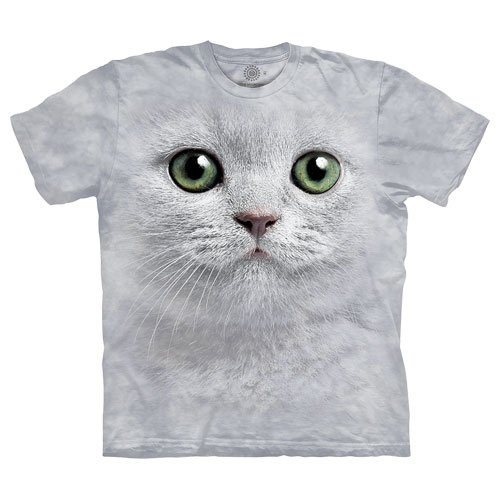
Best Animal T-Shirts for Men Who Love Wildlife
Best Animal T-Shirts for Men Who Love Wildlife Most animal t-shirts blend into the background, leaving your love for wildlife unnoticed. You want shirts that speak louder than words, showcasing majestic lions, soaring eagles, and vibrant marine life with style. This guide highlights the best animal t-shirts for men, combining bold graphics with comfort and […]
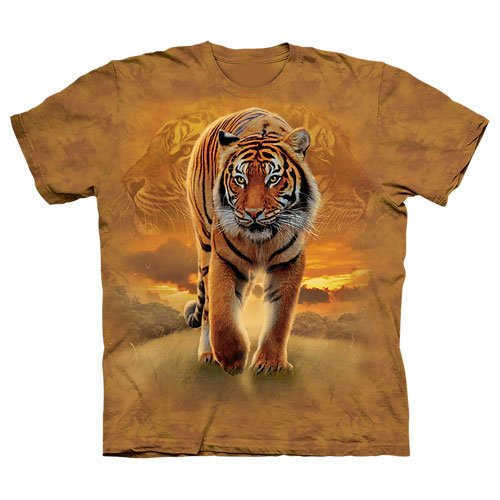
Best Tiger Shirts for Tiger Lovers
Best Tiger Shirts for Tiger Lovers Tiger shirts often miss the mark, leaving fans with dull prints that don’t capture the wild spirit of these majestic cats. If you’ve been hunting for the best tiger apparel that blends bold artistry with comfort, your search ends here. This post highlights tiger print t-shirts and stylish tiger […]
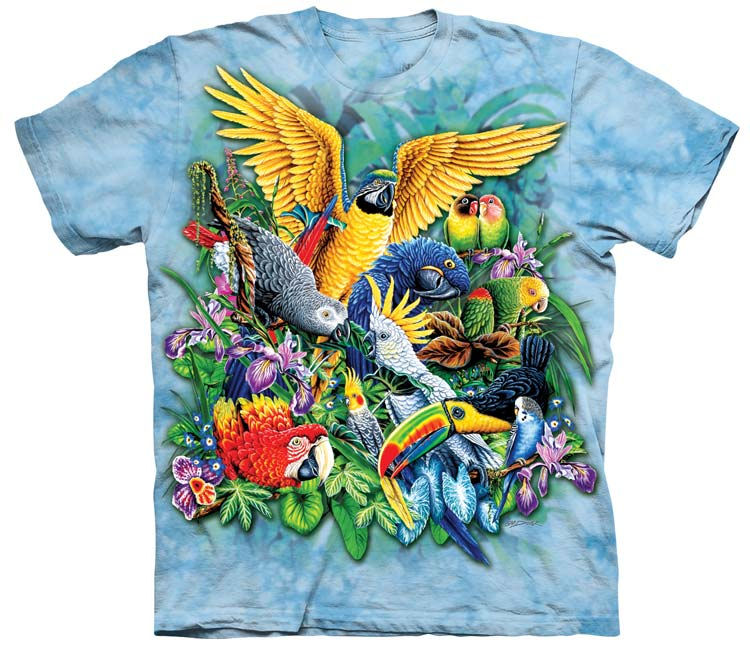
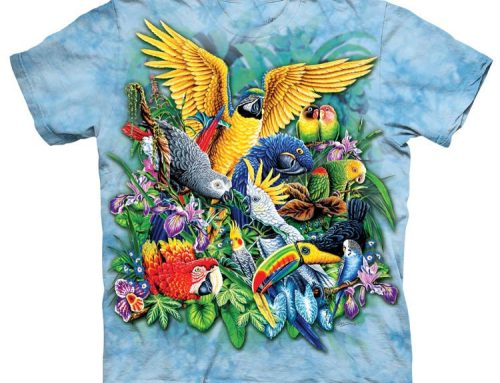
Best Bird Shirts for Bird Lovers
Best Bird Shirts for Bird Lovers Bird shirts aren’t just for casual wear anymore—they’ve become a statement for anyone who loves the colors and charm of feathered friends. If you want bird lover apparel that stands out, you’ll want to see the styles blending art and nature in fresh ways. This post highlights bird-themed t-shirts […]

Best Eagle Shirts for Eagle Lovers
Best Eagle Shirts for Eagle Lovers Eagle shirts don’t have to be ordinary. If you want to wear your passion for these powerful birds with style, the options out there can surprise you. From bold graphic eagle tees to subtle nature inspired clothing, the right eagle apparel makes a statement without sacrificing comfort. Keep reading […]

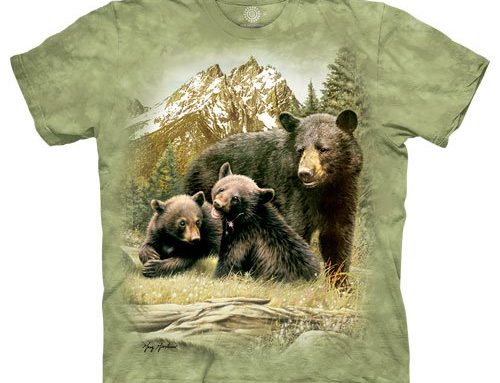
Best Bear Shirts for Wildlife Lovers
Best Bear Shirts for Wildlife Lovers Most bear shirts out there miss the mark between style and comfort. You want wildlife clothing that feels as good as it looks and truly captures the spirit of these powerful creatures. In this post, you’ll find bear graphic tees that balance charming artwork with bold designs, perfect for […]
Best Animal Shirts for Nature Lovers
Best Animal Shirts for Nature Lovers Forget plain tees that don’t say much about who you are. If you love the wild, your wardrobe should shout it loud and clear with the best animal shirts out there. These nature lover apparel pieces mix eye-catching wildlife graphic tees with comfort and style, perfect for anyone who […]
Follow us on Social Media
Instagram – YouTube – Pinterest – Twitter – Facebook
Alligators – Aquatic – Bears – Big Cats – Birds – Buffalo – Cats – Deer – Dinosaurs – Dogs – Dragons – Eagles – Elephants – Elk – Frogs – Gecko – Giraffes – Horses – Kittens – Moose – Pandas – Snakes – Tigers – Unicorns – Wolves – Cat Shirts – Celtic – Dog Shirts – Dolphins – Dragons – Eagles – Fairies – Horse Shirts – Misc – Native American Indians – Patriotic – Peace – Primates – Religion – Scary – Sci Fi – Skeletons – Tie Dye – Tigers – Wolf Shirts
Interesting Animal Facts and Information
Bald Eagles – Cheetahs – Dolphins – Dinosaurs – Tigers – Lions – Cats – Dogs


Leave A Comment
You must be logged in to post a comment.