
How Do Lions Hunt? Discover the Pride’s Playbook!
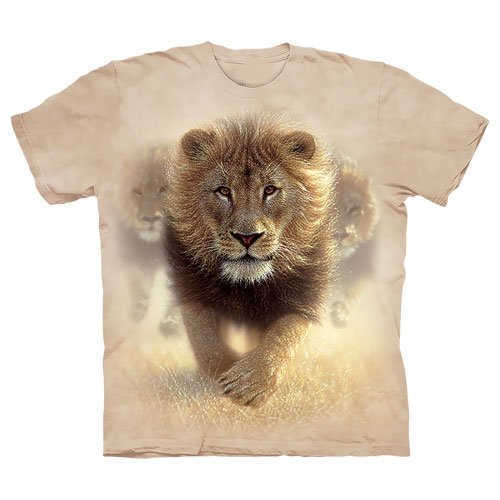
Ever wondered how the majestic lions, often dubbed the “Kings of the Jungle,” manage to snag their dinner? If you’ve ever found yourself intrigued by these magnificent creatures and their impressive hunting strategies, you’re in for a treat! In this piece, we’re diving into the pride’s playbook to answer the burning question: how do lions hunt? From their stealthy approach to their teamwork tactics, we’ll break down the fascinating steps of a lion hunt, all while keeping things light and fun. So, grab your lion t-shirt, sit back, and let’s embark on a wild journey into the heart of the savannah!
The Pride’s Hunting Strategy
Teamwork Makes the Dream Work
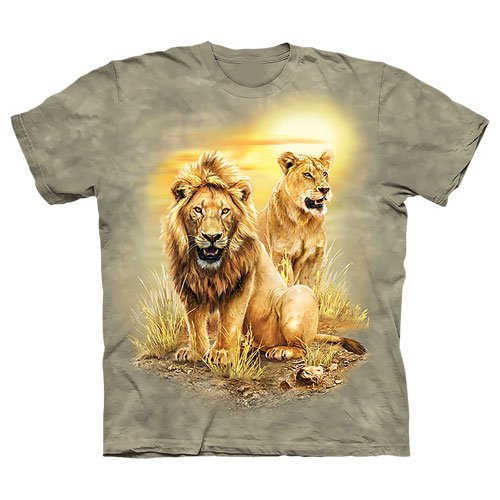
Lions are the ultimate team players when it comes to hunting. A lion hunt isn’t a solo venture; it involves the whole pride, each member playing a critical role. Typically, lionesses take the lead, given their agility and speed. They spread out in a semi-circle, slowly closing in on their target. This strategic positioning ensures that the prey has limited escape routes. Meanwhile, the larger, more powerful males maintain a supportive role, ready to pounce if the target gets too close. This division of labor maximizes their chances of a successful hunt. It’s a coordinated ballet of stealth, strength, and cunning. So, the next time you wonder, “How do lions hunt?” remember that it’s all about teamwork. The pride’s unity transforms a challenging hunt into a well-orchestrated takedown, proving once again that teamwork truly makes the dream work.
Silent Stalkers of the Savannah
Lions are masters of the stealth game. Unlike the roaring image you might have in mind, a lion hunt starts with near-silent stalking. The pride moves quietly through the tall grasses of the savannah, taking advantage of their tawny coats that blend seamlessly with the landscape. Every paw placement is calculated to avoid making noise. Their eyes are locked on the target, waiting for the perfect moment to strike. Lions typically hunt during the night or early morning when temperatures are cooler, and their vision gives them an edge over their prey. This silent stalking phase is crucial; one wrong move can alert the prey, causing it to flee. It’s patience and precision in action, showing just how calculated and disciplined lions can be when it comes to hunting. So next time you sport your lion t-shirt, remember the silent, stealthy prowess that defines a lion hunt.

The Chase and the Pounce
After the silent stalking phase, the lion hunt ramps up to its most thrilling moment: the chase and the pounce. Once the prey is within striking distance, a lioness often initiates the chase, sprinting at speeds of up to 50 miles per hour. Though they can’t maintain this speed for long, their bursts of energy are usually enough to close in quickly. The chase is a test of endurance and agility, with the lion navigating through the savannah terrain with remarkable skill. As the lioness draws near, she uses her powerful legs to deliver a final, decisive pounce. This leap aims to knock the prey off balance, allowing the lion to deliver a fatal bite to the neck or throat. It’s a dramatic climax to the lion hunt, showcasing the blend of raw power and precise technique that makes these big cats such effective predators.
Tools of the Trade
Strength in Numbers
One of the most significant advantages in a lion hunt is the strength in numbers. Unlike solitary big cats like leopards or cheetahs, lions rely heavily on their pride for successful hunts. This communal approach allows them to take down larger prey that would be impossible for a single lion to manage. Each member of the pride has a role to play, whether it’s the lionesses leading the chase or the males providing backup muscle. This collective effort increases their hunting success rate and ensures that the entire pride gets fed. Moreover, working together minimizes the risk of injury, as multiple lions can subdue a prey more efficiently than one. It’s a classic example of how unity and cooperation can overcome even the most formidable challenges. So, the next time you think about how lions hunt, remember that their true power lies in their numbers and their ability to work as a cohesive unit.
Sharp Claws and Strong Jaws
Lions are equipped with impressive physical tools that make them formidable hunters. Their sharp claws are not just for show; these retractable weapons can grow up to 1.5 inches long. During a lion hunt, these claws grip the ground for traction during a chase and latch onto prey when it’s time to bring it down. Equally important are their powerful jaws. A lion’s bite force is around 650 pounds per square inch, strong enough to crush bones. Their 3-inch canine teeth are designed to pierce and hold onto struggling prey, making escape nearly impossible. The combination of sharp claws and strong jaws ensures that once a lion has its prey within reach, the end is swift and decisive. These physical attributes, honed through evolution, make lions some of the most efficient predators in the animal kingdom. Next time you marvel at a lion, remember the incredible tools they wield in every hunt.
Camouflage and Patience
Camouflage and patience are essential tools in a lion’s hunting arsenal. Lions’ tawny coats blend seamlessly with the dry grasses of the savannah, allowing them to remain virtually invisible to unsuspecting prey. This natural camouflage is crucial during the stalking phase of a lion hunt, enabling lions to get as close as possible without being detected. But camouflage alone isn’t enough; patience plays an equally important role. Lions can spend hours quietly observing and waiting for the perfect opportunity to strike. They know that a hasty move can alert their prey, ruining the hunt. This blend of camouflage and patience allows lions to conserve energy while increasing their chances of a successful hunt. So, when you think about how lions hunt, it’s not just their physical prowess that stands out but their remarkable ability to blend into their environment and wait for the right moment to act.
Enjoy some interesting animal facts below!
Best Animal T-Shirts for Men Who Love Wildlife
Best Animal T-Shirts for Men Who Love Wildlife Most animal t-shirts blend into the background, leaving your love for wildlife unnoticed. You want shirts that speak louder than words, showcasing majestic lions, soaring eagles, and vibrant marine life with style. This guide highlights the best animal t-shirts for men, combining bold graphics with comfort and […]
Best Tiger Shirts for Tiger Lovers
Best Tiger Shirts for Tiger Lovers Tiger shirts often miss the mark, leaving fans with dull prints that don’t capture the wild spirit of these majestic cats. If you’ve been hunting for the best tiger apparel that blends bold artistry with comfort, your search ends here. This post highlights tiger print t-shirts and stylish tiger […]
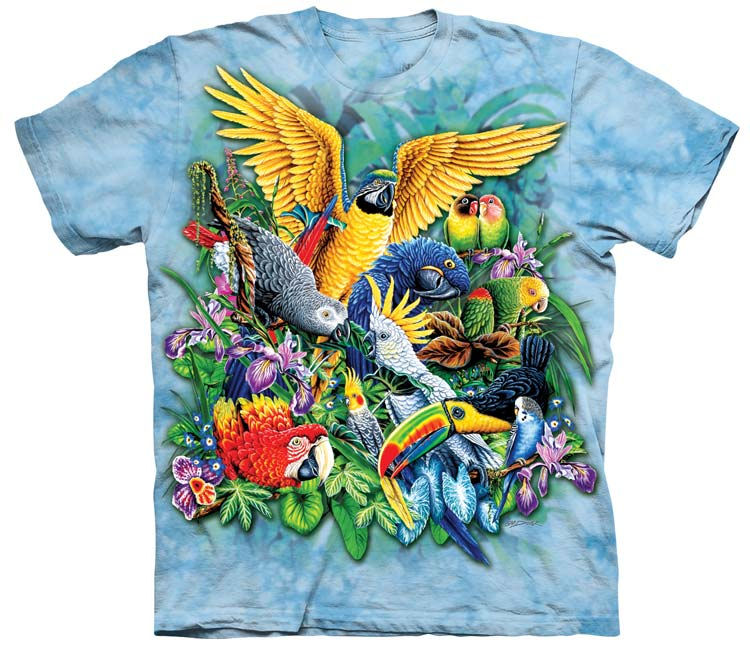
Best Bird Shirts for Bird Lovers
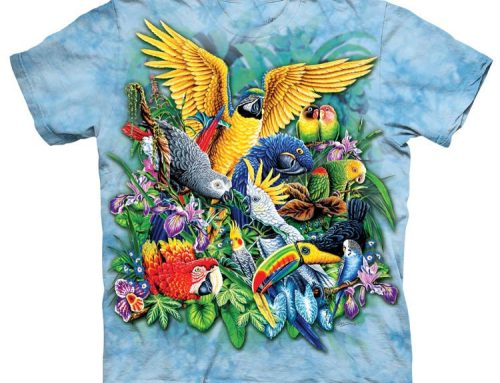
Best Bird Shirts for Bird Lovers Bird shirts aren’t just for casual wear anymore—they’ve become a statement for anyone who loves the colors and charm of feathered friends. If you want bird lover apparel that stands out, you’ll want to see the styles blending art and nature in fresh ways. This post highlights bird-themed t-shirts […]
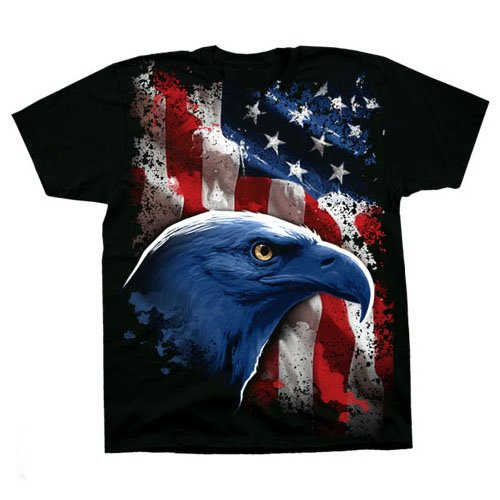
Best Eagle Shirts for Eagle Lovers
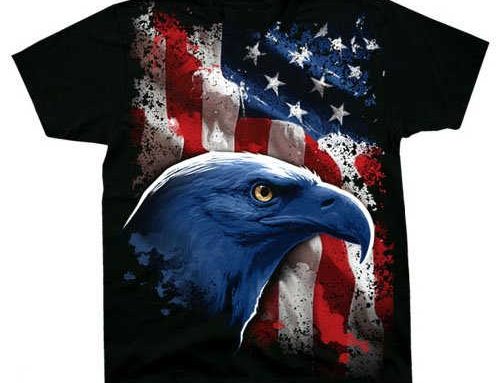
Best Eagle Shirts for Eagle Lovers Eagle shirts don’t have to be ordinary. If you want to wear your passion for these powerful birds with style, the options out there can surprise you. From bold graphic eagle tees to subtle nature inspired clothing, the right eagle apparel makes a statement without sacrificing comfort. Keep reading […]

Best Bear Shirts for Wildlife Lovers
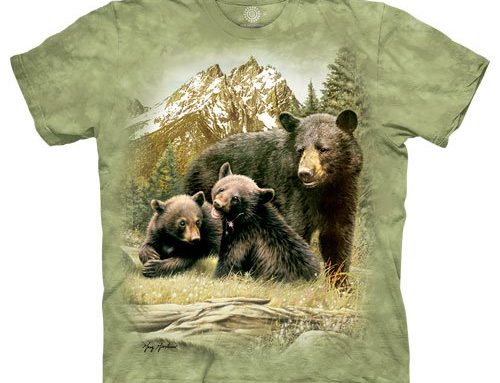
Best Bear Shirts for Wildlife Lovers Most bear shirts out there miss the mark between style and comfort. You want wildlife clothing that feels as good as it looks and truly captures the spirit of these powerful creatures. In this post, you’ll find bear graphic tees that balance charming artwork with bold designs, perfect for […]
Best Animal Shirts for Nature Lovers
Best Animal Shirts for Nature Lovers Forget plain tees that don’t say much about who you are. If you love the wild, your wardrobe should shout it loud and clear with the best animal shirts out there. These nature lover apparel pieces mix eye-catching wildlife graphic tees with comfort and style, perfect for anyone who […]
Follow us on Social Media
Instagram – YouTube – Pinterest – Twitter – Facebook
Alligators – Aquatic – Bears – Big Cats – Birds – Buffalo – Cats – Deer – Dinosaurs – Dogs – Dragons – Eagles – Elephants – Elk – Frogs – Gecko – Giraffes – Horses – Kittens – Moose – Pandas – Snakes – Tigers – Unicorns – Wolves – Cat Shirts – Celtic – Dog Shirts – Dolphins – Dragons – Eagles – Fairies – Horse Shirts – Misc – Native American Indians – Patriotic – Peace – Primates – Religion – Scary – Sci Fi – Skeletons – Tie Dye – Tigers – Wolf Shirts
Interesting Animal Facts and Information
Bald Eagles – Cheetahs – Dolphins – Dinosaurs – Tigers – Lions – Cats – Dogs

Leave A Comment
You must be logged in to post a comment.