
How to Stop Your Cat from Scratching: Effective Solutions for Cat Owners
Cats are wonderful companions, but their natural instinct to scratch can wreak havoc on your furniture. Understanding why cats scratch and finding effective solutions to redirect this behavior are crucial for maintaining a harmonious home. In this guide, we will delve into various strategies on how to stop a cat from scratching furniture, providing you with practical tips and tricks that are both safe for your cat and kind to your belongings. From exploring the reasons behind cat scratching to introducing tools like cat shirts, this comprehensive overview aims to help you stop cat scratching and preserve your home’s comfort and aesthetics.
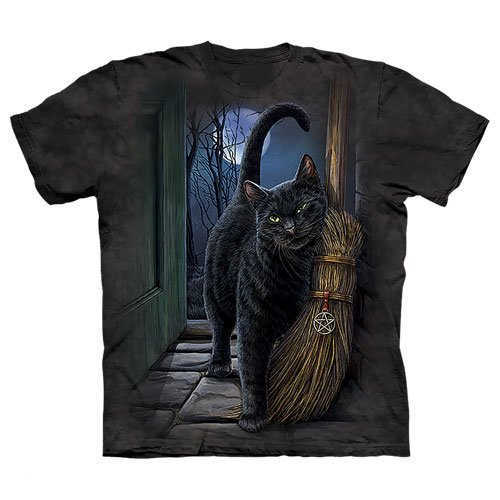
Understanding Cat Scratching Behavior
Why Cats Scratch
Cats scratch for several reasons, all rooted in their natural instincts. Primarily, scratching helps cats to mark their territory. Their paws contain scent glands that leave a unique scent on surfaces they scratch, signaling ownership to other cats. Additionally, scratching is a way for cats to maintain their claws. It helps them shed the outer layer of their claws, keeping them sharp and healthy. Scratching also provides a form of exercise and stress relief, stretching their muscles and releasing pent-up energy. Understanding these motivations is key to finding effective ways to stop a cat from scratching furniture. By recognizing that scratching is an essential behavior for cats, you can better strategize on how to redirect this activity to more appropriate outlets, ensuring both your cat’s well-being and the preservation of your home.
Natural Instincts and Needs
Cats have innate instincts and needs that drive their scratching behavior. Scratching is a natural activity that allows cats to fulfill several physiological and psychological needs. For instance, in the wild, cats scratch trees or other rough surfaces to mark their territory and communicate with other cats. This instinctual behavior is hardwired into domestic cats as well. Additionally, scratching serves as a way for cats to stretch their bodies, particularly their back and shoulder muscles, which helps them stay agile and fit. Scratching also provides mental stimulation and a way to alleviate boredom or stress. By understanding these natural instincts and needs, you can better appreciate why cats scratch and can develop more effective strategies to stop cat scratching on your furniture. Providing alternative outlets that satisfy these instincts can help redirect their behavior in a healthy and furniture-friendly manner.
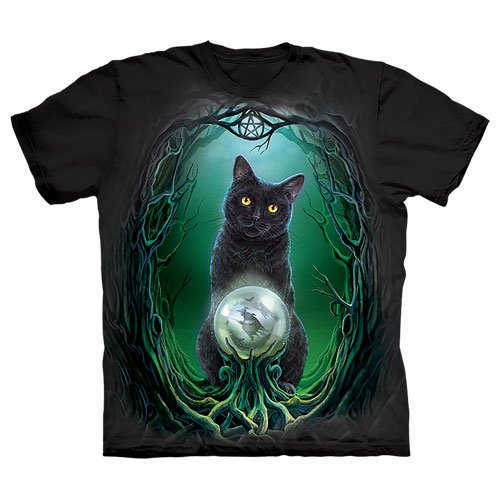
Common Targets for Scratching
Cats often choose specific targets for their scratching activities, and understanding these preferences can help you address the issue effectively. Common targets include furniture such as sofas, chairs, and wooden tables, which offer a satisfying texture for their claws. Cats may also scratch carpets and rugs, as these materials allow them to dig in and pull, mimicking the action they would perform on tree bark in the wild. Drapes and curtains are also frequent victims, especially if they hang close to the ground and are easy for cats to reach. Observing your cat’s favorite scratching spots can provide insights into their preferences and help you identify the most vulnerable areas in your home. By recognizing these common targets, you can take proactive steps to stop cat scratching, such as providing alternative scratching posts and surfaces that are more appealing to your feline friend.
Effective Solutions for Cat Owners
Provide Alternative Scratching Posts
One of the most effective strategies to stop a cat from scratching furniture is to provide alternative scratching posts. These posts should be made from materials that cats find appealing, such as sisal rope, cardboard, or carpet. Position the scratching posts in areas where your cat already likes to scratch, or in prominent locations around your home. This makes them more likely to use the posts instead of your furniture. Additionally, the posts should be sturdy and tall enough to allow your cat to fully stretch their body. To make these posts even more attractive, consider sprinkling catnip on them or hanging toys to pique your cat’s interest. By offering appealing alternatives, you can redirect your cat’s natural scratching behavior away from your valuable furniture, thereby preserving your home’s aesthetics while still satisfying your cat’s instinctual needs.
Use Cat Scratch Deterrents
Cat scratch deterrents can be highly effective in discouraging cats from targeting your furniture. These deterrents come in various forms, such as sprays, tapes, and mats. Anti-scratch sprays are often infused with scents that cats find unpleasant, which can discourage them from scratching the sprayed areas. Sticky tapes can be applied to furniture surfaces; cats dislike the sticky sensation on their paws, which deters them from scratching. Additionally, specialized mats with textures that cats find uncomfortable can be placed on furniture to prevent scratching. It’s important to choose deterrents that are safe for both your cat and your furniture. Consistent use of these products, combined with providing alternative scratching posts, can help stop cat scratching effectively. Remember, the goal is to create an environment where your cat prefers designated scratching areas over your cherished furniture, thereby maintaining a harmonious home.
Regular Nail Trimming
Regular nail trimming is another effective measure to stop a cat from scratching furniture. By keeping your cat’s nails trimmed, you reduce the damage they can cause when they do scratch. Trimming should be done carefully, using specially designed cat nail clippers. Aim to clip only the sharp tips of the nails, avoiding the quick, which is the sensitive part containing blood vessels and nerves. If you’re unsure about trimming your cat’s nails, consult your veterinarian or a professional groomer for guidance. Making nail trimming a routine practice can significantly decrease the frequency and intensity of destructive scratching. Additionally, starting this habit early in your cat’s life can make the process easier and less stressful for both of you. Regular nail trimming, combined with other solutions like providing alternative scratching posts and using deterrents, can help maintain a scratch-free home environment.
Additional Tips and Tricks
Cat Shirts and Protective Covers
Cat shirts and protective covers can offer a practical solution to help stop cat scratching on your furniture. Cat shirts, or soft fabric coverings designed to be worn by cats, can minimize their ability to scratch effectively. These shirts are usually comfortable and non-restrictive, allowing your cat to move freely while reducing the damage caused by their claws. Protective covers for furniture, such as slipcovers or specially designed scratch guards, can also serve as a barrier between your cat’s claws and your upholstery. These covers are often made from durable materials that withstand scratching, preserving the integrity of your furniture. While these solutions may not address the root cause of scratching, they can provide immediate relief and protection while you work on longer-term behavioral changes. Combining cat shirts and protective covers with other strategies, like providing alternative scratching posts, ensures a comprehensive approach to managing cat scratching behavior.

Positive Reinforcement Techniques
Positive reinforcement techniques can be highly effective in modifying your cat’s scratching behavior. Instead of punishing your cat for scratching furniture, focus on rewarding them for using appropriate scratching posts. Whenever you see your cat using a scratching post, immediately offer a treat, praise, or some affection. This helps create a positive association with the scratching post, encouraging your cat to use it more frequently. Clicker training can also be employed, where you use a clicker sound to mark the desired behavior, followed by a reward. Over time, these positive reinforcements can help your cat learn to prefer the designated scratching areas over your furniture. Consistency is key; ensure everyone in the household participates in reinforcing the desired behavior. By using positive reinforcement techniques, you can create a harmonious environment where your cat’s natural scratching instincts are satisfied without damaging your belongings.
Environmental Enrichment
Environmental enrichment is crucial in preventing unwanted scratching behavior in cats. Providing a stimulating environment can keep your cat engaged and reduce the urge to scratch your furniture out of boredom or stress. Introduce a variety of toys that mimic prey, such as feather wands and laser pointers, to satisfy your cat’s hunting instincts. Puzzle feeders and treat-dispensing toys can offer mental stimulation and make mealtime more engaging. Create vertical spaces with cat trees or shelves, allowing your cat to climb and explore their environment from different heights. These additions can significantly decrease stress and increase physical activity, which in turn can reduce destructive scratching. By enriching your cat’s environment, you offer alternative outlets for their energy and natural behaviors, ultimately leading to a happier and more content feline companion. This approach complements other strategies like providing scratching posts and using deterrents, creating a multifaceted plan to stop cat scratching.

Enjoy some interesting animal facts below!
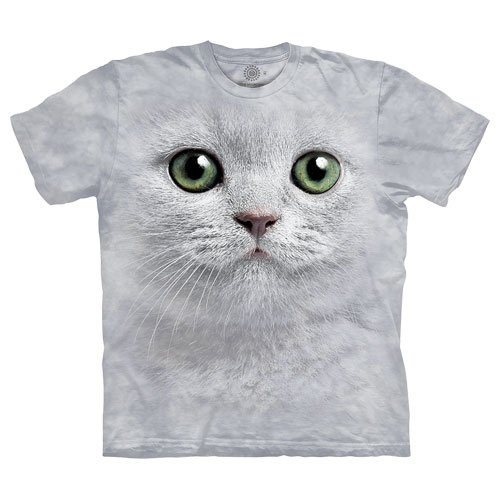
Best Animal T-Shirts for Men Who Love Wildlife
Best Animal T-Shirts for Men Who Love Wildlife Most animal t-shirts blend into the background, leaving your love for wildlife unnoticed. You want shirts that speak louder than words, showcasing majestic lions, soaring eagles, and vibrant marine life with style. This guide highlights the best animal t-shirts for men, combining bold graphics with comfort and […]

Best Tiger Shirts for Tiger Lovers
Best Tiger Shirts for Tiger Lovers Tiger shirts often miss the mark, leaving fans with dull prints that don’t capture the wild spirit of these majestic cats. If you’ve been hunting for the best tiger apparel that blends bold artistry with comfort, your search ends here. This post highlights tiger print t-shirts and stylish tiger […]
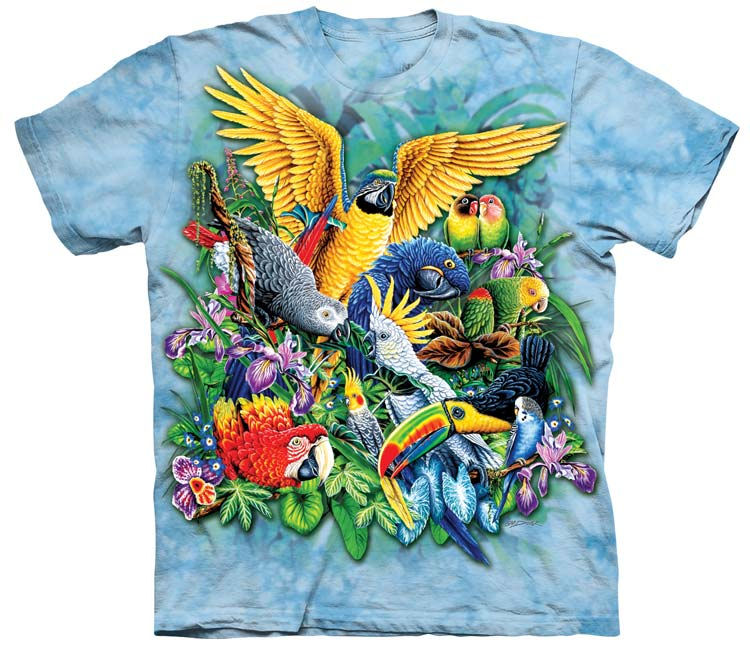
Best Bird Shirts for Bird Lovers
Best Bird Shirts for Bird Lovers Bird shirts aren’t just for casual wear anymore—they’ve become a statement for anyone who loves the colors and charm of feathered friends. If you want bird lover apparel that stands out, you’ll want to see the styles blending art and nature in fresh ways. This post highlights bird-themed t-shirts […]

Best Eagle Shirts for Eagle Lovers
Best Eagle Shirts for Eagle Lovers Eagle shirts don’t have to be ordinary. If you want to wear your passion for these powerful birds with style, the options out there can surprise you. From bold graphic eagle tees to subtle nature inspired clothing, the right eagle apparel makes a statement without sacrificing comfort. Keep reading […]

Best Bear Shirts for Wildlife Lovers
Best Bear Shirts for Wildlife Lovers Most bear shirts out there miss the mark between style and comfort. You want wildlife clothing that feels as good as it looks and truly captures the spirit of these powerful creatures. In this post, you’ll find bear graphic tees that balance charming artwork with bold designs, perfect for […]

Best Animal Shirts for Nature Lovers
Best Animal Shirts for Nature Lovers Forget plain tees that don’t say much about who you are. If you love the wild, your wardrobe should shout it loud and clear with the best animal shirts out there. These nature lover apparel pieces mix eye-catching wildlife graphic tees with comfort and style, perfect for anyone who […]
Follow us on Social Media
Instagram – YouTube – Pinterest – Twitter – Facebook
Alligators – Aquatic – Bears – Big Cats – Birds – Buffalo – Cats – Deer – Dinosaurs – Dogs – Dragons – Eagles – Elephants – Elk – Frogs – Gecko – Giraffes – Horses – Kittens – Moose – Pandas – Snakes – Tigers – Unicorns – Wolves – Cat Shirts – Celtic – Dog Shirts – Dolphins – Dragons – Eagles – Fairies – Horse Shirts – Misc – Native American Indians – Patriotic – Peace – Primates – Religion – Scary – Sci Fi – Skeletons – Tie Dye – Tigers – Wolf Shirts
Interesting Animal Facts and Information
Bald Eagles – Cheetahs – Dolphins – Dinosaurs – Tigers – Lions – Cats – Dogs



Leave A Comment
You must be logged in to post a comment.