
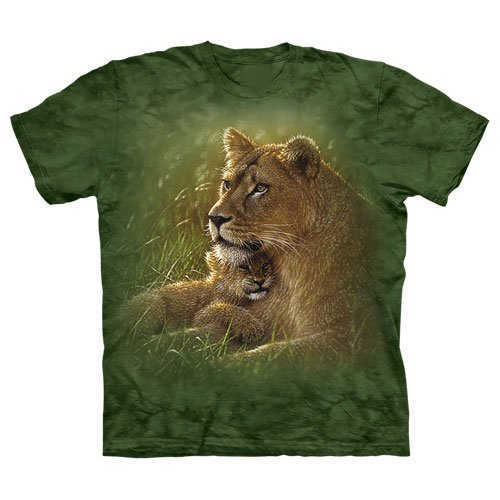
How Fast Can a Lion Run? Exploring the Speed of the King of the Jungle
Lions, often hailed as the kings of the jungle, are majestic creatures that captivate our imagination with their grace and power. One fascinating aspect that frequently piques the curiosity of lion lovers is the speed at which these magnificent animals can run. How fast can a lion run? With their muscular build and powerful legs, lions are built for short bursts of speed, enabling them to chase down prey in the wild savannas. In this article, we will delve into the impressive lion speed, uncovering just how swift these big cats can be and what sets them apart from other predators. So, grab your favorite lion t-shirt and join us on this exciting exploration of lion agility and prowess.

Introduction to Lion Speed
Why Lion Speed Matters
Lion speed is crucial for their survival in the wild. Unlike some predators that rely on stealth or endurance, lions depend on their ability to sprint short distances to capture prey. This burst of speed, combined with their strength, allows them to tackle large animals like wildebeest and zebras. Without this capability, lions would struggle to find enough food, impacting their health and the health of their pride. Moreover, understanding lion speed helps researchers and conservationists develop better strategies to protect these majestic animals. By studying how fast a lion can run, we can gain insights into their hunting patterns, habitat needs, and overall behavior, which are essential for ensuring their continued existence in the wild.
Fascinating Stats About Lion Speed
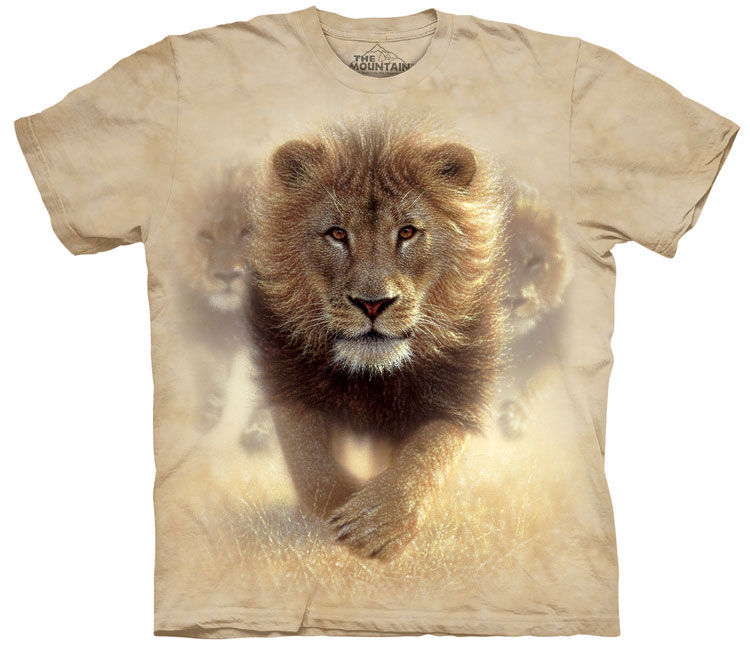
When it comes to lion speed, these big cats are impressive sprinters. Lions can reach speeds of up to 50 miles per hour (80 kilometers per hour) in short bursts covering distances of around 100 yards (91 meters). This rapid acceleration allows them to quickly close in on prey during a hunt. However, lions can only maintain these top speeds for a brief period, typically just a few seconds. Compared to cheetahs, which are the fastest land animals, lions rely on a combination of speed and stealth. Another intriguing fact is that lionesses, who do the majority of the hunting, are generally faster and more agile than male lions. This speed difference is essential for the pride’s hunting success. Understanding these statistics about lion speed not only highlights their physical capabilities but also underscores the evolutionary adaptations that make them effective predators.
Factors Influencing Lion Speed
Anatomy of a Lion
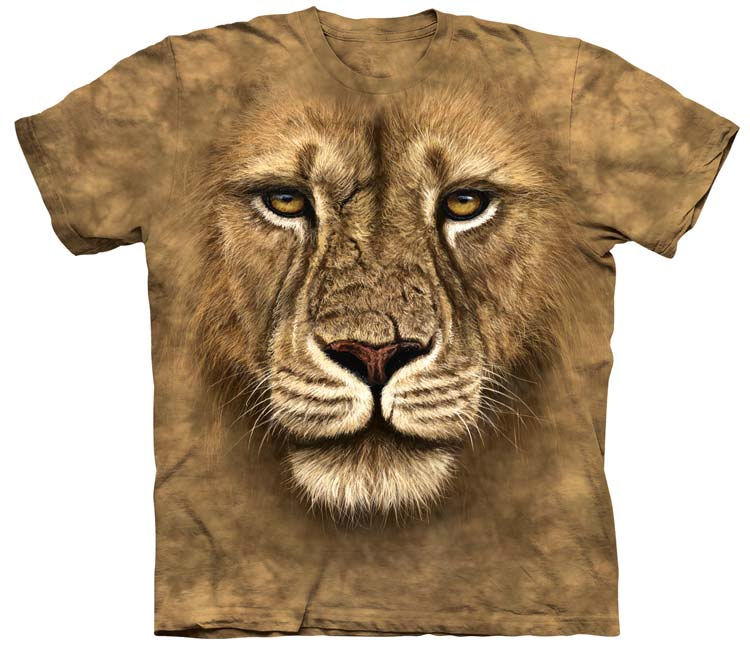
The anatomy of a lion is perfectly adapted for bursts of high speed. Their muscular legs are one of the key features that enable them to sprint rapidly. These powerful limbs contain fast-twitch muscle fibers, which contract quickly and provide the explosive force needed for short-distance chases. Additionally, a lion’s spine is highly flexible, allowing for an extended range of motion during running. This flexibility helps in maximizing stride length and speed. Lions also have large, retractable claws that provide traction and grip as they push off the ground. Furthermore, their relatively large hearts and lungs support the intense physical exertion required during a chase. These anatomical features work together to make lions formidable hunters capable of reaching impressive speeds. Understanding the anatomy of a lion gives us insight into how these predators have evolved to become some of the most efficient hunters in the animal kingdom.
Impact of Environment on Speed
The environment plays a significant role in influencing lion speed. Lions inhabit a variety of terrains, from open savannas to dense woodlands, and each setting presents different challenges and advantages for running. In open savannas, lions have ample space to sprint at their top speeds, making it easier to chase and capture prey. However, the lack of cover can also make it harder for them to approach their targets unnoticed. Conversely, in denser environments like woodlands, lions may not be able to reach their maximum speed due to obstacles such as trees and underbrush. Yet, the increased cover allows them to get closer to their prey before launching a surprise attack. Additionally, the type of ground—whether it’s soft, sandy soil or hard, rocky terrain—can affect traction and running efficiency. Understanding the impact of the environment on lion speed helps us appreciate the adaptability and strategic prowess of these incredible predators.
Comparing Lion Speed
Lions vs. Other Big Cats
When comparing lion speed to that of other big cats, it’s fascinating to see how each species has evolved to suit its hunting needs. Cheetahs, for example, hold the title of the fastest land animals, capable of reaching speeds up to 70 miles per hour (113 kilometers per hour). Unlike lions, cheetahs rely almost exclusively on their speed to catch prey, often in open terrain where their acceleration and top speed are most effective. Tigers, another close relative, are powerful but not as fast as lions, with top speeds around 40 miles per hour (64 kilometers per hour). Tigers often rely on stealth and strength rather than speed. Leopards, known for their versatility, can reach speeds of about 36 miles per hour (58 kilometers per hour) and often use a combination of speed and agility to hunt. These comparisons highlight the unique adaptations each big cat has developed, showcasing the specialized roles they play in their respective ecosystems.
Lions vs. Prey and Predators
Lions must rely on their speed to outmaneuver both prey and potential competitors in their environment. When targeting prey, such as zebras or wildebeest, which can run at speeds of 40 to 50 miles per hour (64 to 80 kilometers per hour), lions must use a combination of stealth and sprinting ability. They often stalk their prey to get within a striking distance before launching a quick, powerful sprint. This tactic helps them conserve energy and increases their chances of a successful hunt.
On the flip side, lions also need to be wary of other predators like hyenas and leopards that might compete for the same food sources. Hyenas, for instance, can reach speeds of around 37 miles per hour (60 kilometers per hour) and often rely on endurance rather than speed. Understanding the speed dynamics between lions and their prey and predators gives us a clearer picture of the survival strategies these magnificent animals employ in the wild.

Enjoy some interesting animal facts below!
Best Animal T-Shirts for Men Who Love Wildlife
Best Animal T-Shirts for Men Who Love Wildlife Most animal t-shirts blend into the background, leaving your love for wildlife unnoticed. You want shirts that speak louder than words, showcasing majestic lions, soaring eagles, and vibrant marine life with style. This guide highlights the best animal t-shirts for men, combining bold graphics with comfort and […]
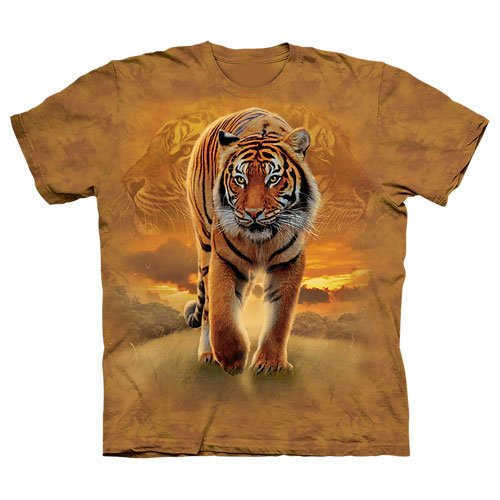
Best Tiger Shirts for Tiger Lovers
Best Tiger Shirts for Tiger Lovers Tiger shirts often miss the mark, leaving fans with dull prints that don’t capture the wild spirit of these majestic cats. If you’ve been hunting for the best tiger apparel that blends bold artistry with comfort, your search ends here. This post highlights tiger print t-shirts and stylish tiger […]
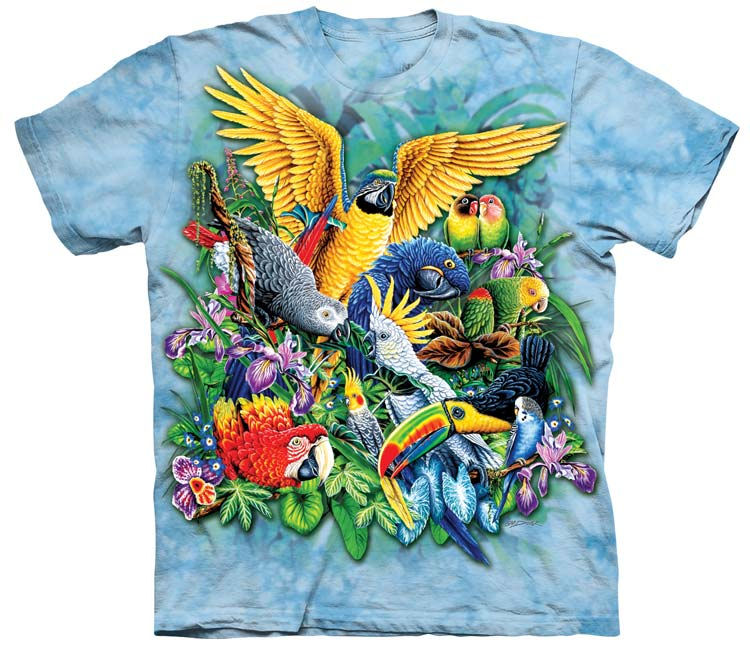
Best Bird Shirts for Bird Lovers
Best Bird Shirts for Bird Lovers Bird shirts aren’t just for casual wear anymore—they’ve become a statement for anyone who loves the colors and charm of feathered friends. If you want bird lover apparel that stands out, you’ll want to see the styles blending art and nature in fresh ways. This post highlights bird-themed t-shirts […]

Best Eagle Shirts for Eagle Lovers
Best Eagle Shirts for Eagle Lovers Eagle shirts don’t have to be ordinary. If you want to wear your passion for these powerful birds with style, the options out there can surprise you. From bold graphic eagle tees to subtle nature inspired clothing, the right eagle apparel makes a statement without sacrificing comfort. Keep reading […]

Best Bear Shirts for Wildlife Lovers
Best Bear Shirts for Wildlife Lovers Most bear shirts out there miss the mark between style and comfort. You want wildlife clothing that feels as good as it looks and truly captures the spirit of these powerful creatures. In this post, you’ll find bear graphic tees that balance charming artwork with bold designs, perfect for […]
Best Animal Shirts for Nature Lovers
Best Animal Shirts for Nature Lovers Forget plain tees that don’t say much about who you are. If you love the wild, your wardrobe should shout it loud and clear with the best animal shirts out there. These nature lover apparel pieces mix eye-catching wildlife graphic tees with comfort and style, perfect for anyone who […]
Follow us on Social Media
Instagram – YouTube – Pinterest – Twitter – Facebook
Alligators – Aquatic – Bears – Big Cats – Birds – Buffalo – Cats – Deer – Dinosaurs – Dogs – Dragons – Eagles – Elephants – Elk – Frogs – Gecko – Giraffes – Horses – Kittens – Moose – Pandas – Snakes – Tigers – Unicorns – Wolves – Cat Shirts – Celtic – Dog Shirts – Dolphins – Dragons – Eagles – Fairies – Horse Shirts – Misc – Native American Indians – Patriotic – Peace – Primates – Religion – Scary – Sci Fi – Skeletons – Tie Dye – Tigers – Wolf Shirts
Interesting Animal Facts and Information
Bald Eagles – Cheetahs – Dolphins – Dinosaurs – Tigers – Lions – Cats – Dogs


Leave A Comment
You must be logged in to post a comment.