

How Long Do Bald Eagles Live? Discover the Fascinating Lifespan of America’s Iconic Bird
Bald eagles, the majestic symbol of American freedom and strength, captivate bird enthusiasts with their powerful presence and impressive wingspan. But have you ever wondered, “How long do bald eagles live?” Understanding the lifespan of these iconic birds offers a fascinating glimpse into their life cycle, habits, and the challenges they face in the wild. In this comprehensive guide, we will delve into the factors that influence how long bald eagles live, their average lifespan in the wild versus captivity, and the stages of their life from egg to adulthood. And for those who want to celebrate their love for these majestic creatures, our website offers beautiful bald eagle t-shirts in all sizes, perfect for showcasing your admiration.

Introduction to Bald Eagles
America’s Iconic Bird
The bald eagle is not just any bird; it is a powerful symbol of the United States of America. Chosen as the national emblem in 1782, the bald eagle represents freedom, courage, and the spirit of a nation. With its piercing eyes, sharp beak, and striking white-feathered head, the bald eagle commands attention and respect. Found primarily in North America, these eagles inhabit a range of environments, from coastal regions to inland lakes and rivers. They prefer habitats near large bodies of open water where they can find ample food and nesting sites. The bald eagle’s impressive wingspan, which can reach up to 7.5 feet, adds to its majestic appearance. Understanding the significance of the bald eagle helps us appreciate why efforts to protect and conserve this species are so critical.
Bald Eagle Population
The bald eagle population has seen significant fluctuations over the past century. In the mid-20th century, their numbers plummeted due to habitat destruction, illegal hunting, and the widespread use of the pesticide DDT, which weakened their eggshells. By the 1960s, the bald eagle was facing the brink of extinction in the contiguous United States. However, thanks to concerted conservation efforts, legal protections under the Endangered Species Act, and the banning of DDT in 1972, the population began to recover. Today, the bald eagle population has rebounded remarkably, with tens of thousands of individuals now thriving across North America. This resurgence is a testament to the power of environmental advocacy and the resilience of these magnificent birds. Monitoring and protecting the bald eagle population remains a priority to ensure these iconic birds continue to soar in the skies for generations to come.
Importance of Conservation
Conservation efforts for bald eagles are crucial for maintaining ecological balance and preserving biodiversity. The bald eagle is often considered an indicator species, meaning its health reflects the overall health of its environment. Protecting bald eagles involves safeguarding their habitats, ensuring they have access to clean water and ample food supplies. Conservation also means enforcing laws against illegal hunting and mitigating human-induced threats like pollution and climate change. The success story of the bald eagle’s recovery showcases the impact of effective conservation strategies and collaboration among governmental agencies, non-profits, and local communities. Continued vigilance is necessary to prevent future declines and to address emerging threats. By conserving bald eagles, we help protect other species and ecosystems that share their habitat, ultimately fostering a healthier planet.
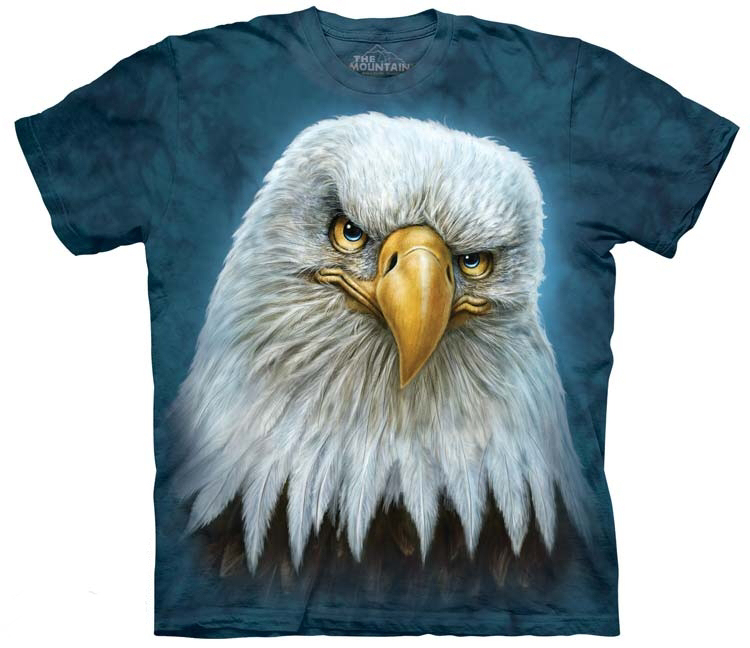
Lifespan of Bald Eagles
Average Lifespan
The average lifespan of bald eagles can vary significantly depending on several factors, including their environment and access to food. In the wild, bald eagles typically live between 20 to 30 years. However, some individuals have been known to reach up to 38 years or more. In captivity, where they are protected from predators, disease, and other environmental hazards, bald eagles can live even longer, sometimes exceeding 50 years. The extended lifespan in captivity is due to consistent access to food, medical care, and a controlled environment free from many of the dangers present in the wild. Despite these differences, the bald eagle’s lifespan is a testament to their resilience and adaptability. Understanding the average lifespan of bald eagles helps in planning effective conservation strategies to ensure these majestic birds continue to thrive in their natural habitats.
Factors Affecting Longevity
Several factors influence the longevity of bald eagles, impacting how long these majestic birds live. One of the primary factors is food availability. Bald eagles require a steady diet of fish and small mammals, and scarcity can lead to malnutrition and reduced lifespan. Environmental hazards, such as pollution and habitat destruction, also pose significant risks. Contaminants like lead and mercury can poison bald eagles, while the loss of nesting sites can disrupt their reproductive success. Predation and human interference, such as illegal hunting and collisions with vehicles, further threaten their survival. Additionally, disease and parasites can shorten their lifespan if not managed properly.
Climate change is an emerging concern, affecting migration patterns and food sources. Understanding these factors is essential for developing targeted conservation strategies to protect and extend the lifespan of bald eagles in the wild.

Record Lifespan
The record lifespan of a bald eagle is a remarkable testament to the resilience and adaptability of this iconic bird. In the wild, the oldest known bald eagle was documented to have lived up to 38 years. This record was set by a banded eagle in New York, which was tracked until its natural death. In captivity, where conditions are controlled and threats minimized, bald eagles have been known to live even longer. One notable example is a bald eagle that lived to be 50 years old in a protected environment. These exceptional cases highlight the potential for longevity in bald eagles when they are provided with optimal living conditions and care. They also underscore the importance of ongoing conservation efforts to ensure that more bald eagles can reach their full lifespan potential in the wild.
Bald Eagles in the Wild
Habitat and Behavior
Bald eagles are highly adaptable birds, but they have specific habitat preferences that are crucial for their survival. They are typically found near large bodies of open water, such as lakes, rivers, and coastal areas, where they have easy access to their primary food source—fish. These eagles also require tall, mature trees for nesting and perching, which offer a vantage point for hunting and protection for their young. Bald eagles are known for their impressive nests, or eyries, which can be as large as eight feet in diameter and weigh up to a ton.
Behaviorally, bald eagles are solitary hunters but are also known for their spectacular flights and aerial displays, especially during mating season. They are opportunistic feeders, often scavenging for carrion or stealing food from other birds. Understanding their habitat and behavior is essential for conservation efforts aimed at protecting these majestic birds in their natural environment.
Diet and Hunting
Bald eagles have a diverse diet, but they primarily prey on fish, which they catch with their powerful talons and keen eyesight. They often hunt by soaring high above the water and then diving swiftly to snatch their prey. Besides fish, bald eagles also eat birds, small mammals, and carrion, demonstrating their adaptability as opportunistic feeders. They are known to scavenge, sometimes taking advantage of food left by other predators or even stealing catches from other birds, such as ospreys.
During the winter months, when fish may be less accessible, bald eagles may shift their diet to include more terrestrial animals and carrion. This dietary flexibility helps them survive in varied and changing environments. Understanding the diet and hunting behavior of bald eagles is crucial for conservation efforts, as it emphasizes the need for preserving diverse and healthy ecosystems where these majestic birds can find adequate food supplies.

Challenges in the Wild
Bald eagles face numerous challenges in the wild that can impact their survival and longevity. Habitat destruction due to urbanization, deforestation, and land development reduces their nesting and hunting grounds. Pollution, especially water contamination, threatens their primary food sources, leading to malnutrition and health issues. Another significant threat is lead poisoning, often caused by ingesting lead from spent ammunition in hunted prey or carrion.
Human interference, such as illegal hunting and disturbances from recreational activities, can also disrupt their nesting and feeding habits. Additionally, climate change poses an emerging threat by altering habitats, affecting migration patterns, and impacting food availability. Collisions with vehicles and power lines further add to the risks. Conservation efforts must address these challenges to ensure the bald eagle population remains stable and continues to thrive in the wild. Understanding and mitigating these threats are vital for protecting America’s iconic bird.
Captive vs Wild Lifespan
Benefits of Captivity
Captivity offers several benefits that can extend the lifespan of bald eagles beyond what is typically observed in the wild. In captivity, eagles are protected from many of the dangers they face in their natural habitats, such as predators, environmental hazards, and human interference. They receive regular veterinary care, which helps in the early detection and treatment of diseases and injuries. Additionally, the consistent and carefully managed diet in captivity ensures that they have access to adequate nutrition year-round, reducing the risk of malnutrition and starvation.
Captive environments also provide stable, protected nesting sites free from the threats of habitat destruction. These controlled conditions contribute to a stress-free life, which can positively impact their overall health and longevity. While captivity cannot replicate the freedom of the wild, it plays a crucial role in conservation efforts, education, and the rehabilitation of injured or endangered bald eagles, ensuring their survival and well-being.

Risks in Captivity
While captivity can extend the lifespan of bald eagles, it is not without its risks. One of the primary concerns is the lack of freedom and natural stimuli, which can lead to stress and behavioral issues. Captive bald eagles may exhibit signs of psychological distress, such as feather plucking or repetitive movements, due to confinement and lack of environmental enrichment. Additionally, the close quarters and shared spaces in captivity can increase the risk of disease transmission among birds.
Another challenge is the potential for nutritional imbalances if their diet is not managed carefully. Over-reliance on human-provided food can also reduce their natural hunting instincts, making it difficult for them to survive if released back into the wild. Furthermore, human error in handling and care can lead to accidental injuries. Therefore, maintaining a balanced and carefully monitored environment is crucial to mitigate these risks and ensure the well-being of bald eagles in captivity.
Comparisons and Statistics
Comparing the lifespan of bald eagles in the wild versus captivity reveals some striking differences. In the wild, the average lifespan of a bald eagle ranges between 20 to 30 years, with the oldest known wild eagle living up to 38 years. In contrast, eagles in captivity often live longer, sometimes reaching 50 years or more due to the controlled environment and constant care they receive.
Statistics indicate that the survival rate of juvenile bald eagles is significantly higher in captivity. In the wild, juvenile mortality rates can be as high as 50% due to predation, disease, and environmental hardships. In captivity, these risks are minimized, allowing more young eagles to reach maturity.
These comparisons underscore the importance of both conservation efforts in the wild and the role of captivity in safeguarding the species. By understanding these statistics, conservationists can better plan strategies to protect and extend the lifespan of bald eagles, both in the wild and in captivity.
Celebrating Bald Eagles
Symbolism and Cultural Impact
Bald eagles hold a profound place in American symbolism and culture. As the national bird of the United States, the bald eagle represents freedom, strength, and resilience. Its image is prominently featured on the Great Seal of the United States, currency, and numerous governmental emblems. Beyond its national significance, the bald eagle also plays a crucial role in Native American cultures, where it is revered as a sacred creature symbolizing spiritual power and wisdom. Eagle feathers are often used in rituals and ceremonies, signifying honor and respect.
The cultural impact of the bald eagle extends to various forms of art, literature, and media, where it is depicted as a majestic and powerful bird. This widespread admiration has fueled numerous conservation efforts to protect and preserve bald eagle populations. By celebrating the bald eagle, we also acknowledge its importance in America’s natural heritage and cultural identity, fostering a deeper appreciation for this iconic species.

Supporting Conservation Efforts
Supporting conservation efforts for bald eagles is crucial for ensuring their continued survival and the health of their habitats. One effective way to contribute is by supporting organizations dedicated to wildlife conservation, such as the Audubon Society or the American Eagle Foundation. These organizations work tirelessly to protect bald eagle populations through habitat preservation, research, and public education.
Individuals can also participate in local conservation initiatives, such as habitat clean-ups or citizen science projects that monitor eagle populations. Advocating for environmental policies that protect natural habitats and reduce pollution is another impactful way to support bald eagle conservation. Additionally, educational outreach helps raise awareness about the challenges bald eagles face and the importance of preserving their environment.
Purchasing products that support conservation efforts, such as bald eagle t-shirts, can also provide financial aid to these initiatives. By taking these actions, we can help ensure that future generations continue to witness the majestic presence of bald eagles in the wild.
Browse Our Bald Eagle Shirts
If you’re passionate about bald eagles and want to show your support, consider browsing our collection of beautiful bald eagle shirts. Our shirts come in all sizes and feature stunning designs that capture the majesty of these iconic birds. Wearing a bald eagle shirt is not just a fashion statement; it’s a way to express your admiration for America’s national bird and raise awareness about its conservation.
Each purchase contributes to ongoing conservation efforts, helping to protect bald eagles and their natural habitats. Our shirts are made from high-quality materials, ensuring comfort and durability while showcasing your love for these magnificent creatures. Whether for yourself or as a gift for a fellow bald eagle enthusiast, our shirts are the perfect way to celebrate and support bald eagles.
Visit our website today to explore our selection and make a difference in the lives of these incredible birds.

Enjoy some interesting animal facts below!

Best Animal T-Shirts for Men Who Love Wildlife
Best Animal T-Shirts for Men Who Love Wildlife Most animal t-shirts blend into the background, leaving your love for wildlife unnoticed. You want shirts that speak louder than words, showcasing majestic lions, soaring eagles, and vibrant marine life with style. This guide highlights the best animal t-shirts for men, combining bold graphics with comfort and […]
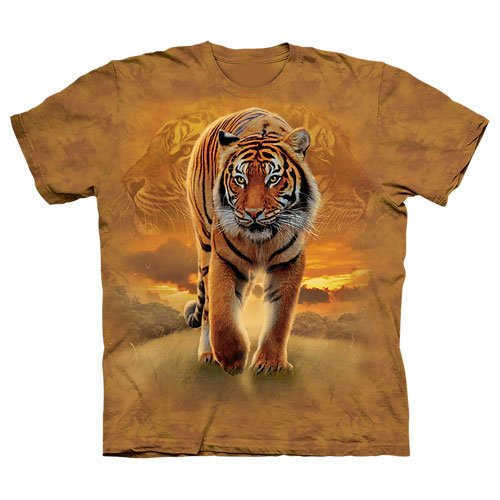
Best Tiger Shirts for Tiger Lovers
Best Tiger Shirts for Tiger Lovers Tiger shirts often miss the mark, leaving fans with dull prints that don’t capture the wild spirit of these majestic cats. If you’ve been hunting for the best tiger apparel that blends bold artistry with comfort, your search ends here. This post highlights tiger print t-shirts and stylish tiger […]
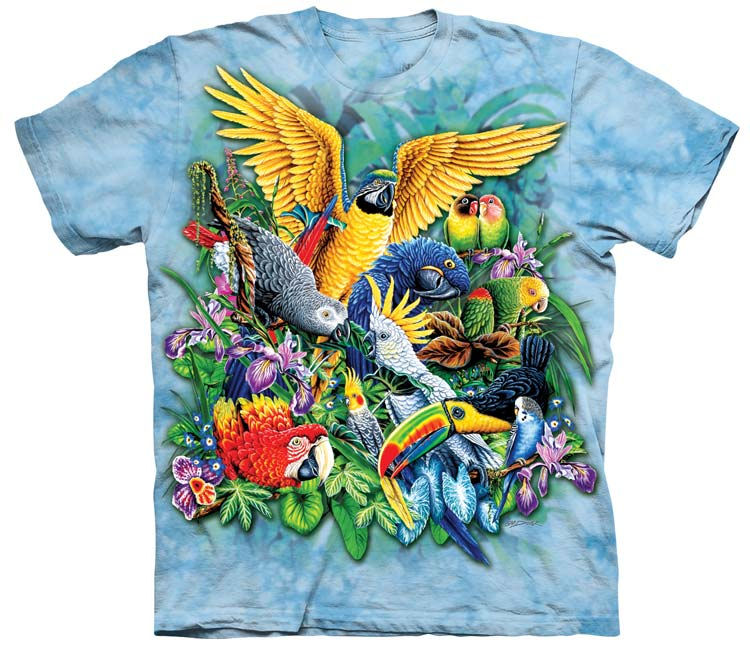
Best Bird Shirts for Bird Lovers
Best Bird Shirts for Bird Lovers Bird shirts aren’t just for casual wear anymore—they’ve become a statement for anyone who loves the colors and charm of feathered friends. If you want bird lover apparel that stands out, you’ll want to see the styles blending art and nature in fresh ways. This post highlights bird-themed t-shirts […]

Best Eagle Shirts for Eagle Lovers
Best Eagle Shirts for Eagle Lovers Eagle shirts don’t have to be ordinary. If you want to wear your passion for these powerful birds with style, the options out there can surprise you. From bold graphic eagle tees to subtle nature inspired clothing, the right eagle apparel makes a statement without sacrificing comfort. Keep reading […]

Best Bear Shirts for Wildlife Lovers
Best Bear Shirts for Wildlife Lovers Most bear shirts out there miss the mark between style and comfort. You want wildlife clothing that feels as good as it looks and truly captures the spirit of these powerful creatures. In this post, you’ll find bear graphic tees that balance charming artwork with bold designs, perfect for […]

Best Animal Shirts for Nature Lovers
Best Animal Shirts for Nature Lovers Forget plain tees that don’t say much about who you are. If you love the wild, your wardrobe should shout it loud and clear with the best animal shirts out there. These nature lover apparel pieces mix eye-catching wildlife graphic tees with comfort and style, perfect for anyone who […]
Follow us on Social Media
Instagram – YouTube – Pinterest – Twitter – Facebook
Alligators – Aquatic – Bears – Big Cats – Birds – Buffalo – Cats – Deer – Dinosaurs – Dogs – Dragons – Eagles – Elephants – Elk – Frogs – Gecko – Giraffes – Horses – Kittens – Moose – Pandas – Snakes – Tigers – Unicorns – Wolves – Cat Shirts – Celtic – Dog Shirts – Dolphins – Dragons – Eagles – Fairies – Horse Shirts – Misc – Native American Indians – Patriotic – Peace – Primates – Religion – Scary – Sci Fi – Skeletons – Tie Dye – Tigers – Wolf Shirts
Interesting Animal Facts and Information
Bald Eagles – Cheetahs – Dolphins – Dinosaurs – Tigers – Lions – Cats – Dogs



Leave A Comment
You must be logged in to post a comment.