
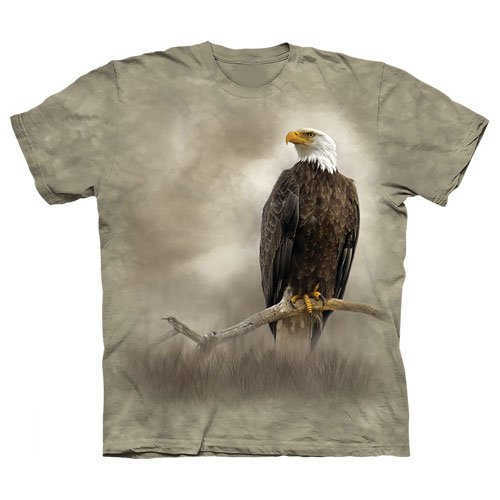
Are Bald Eagles Endangered? Understanding the Current Status of America’s Iconic Bird
Are bald eagles endangered? This question resonates deeply with bird enthusiasts and conservationists alike, given the iconic status of America’s national bird. Once teetering on the brink of extinction, the bald eagle population has undergone significant changes over the past few decades. Understanding the current status of these majestic creatures requires a closer look at their history, conservation efforts, and ongoing challenges. In this article, we delve into whether bald eagles are still considered endangered, exploring the successes and setbacks in their journey towards recovery.

History of Bald Eagles
Early Population Decline
The early population decline of bald eagles began in the late 19th and early 20th centuries. Habitat destruction, hunting, and the widespread use of DDT pesticides were significant factors contributing to their dwindling numbers. Logging and land development led to the loss of nesting sites, while hunting reduced their population further. DDT, a pesticide used widely after World War II, caused eggshell thinning, making it difficult for the eagles to reproduce successfully. By the mid-20th century, the bald eagle population had plummeted to alarming levels, with fewer than 500 nesting pairs remaining in the contiguous United States. This drastic decline set the stage for urgent conservation efforts to prevent the iconic bird from disappearing entirely.
Conservation Efforts
The conservation efforts to save bald eagles began in earnest in the 1960s. The pivotal moment came with the banning of DDT in 1972, following Rachel Carson’s influential book, “Silent Spring,” which highlighted the pesticide’s devastating impact on wildlife. Legal protections were also put in place; the Bald and Golden Eagle Protection Act and the Endangered Species Act provided federal safeguards against hunting and habitat destruction. Conservationists worked tirelessly to monitor eagle populations, protect nesting sites, and rehabilitate injured birds. Breeding programs and habitat restoration projects further bolstered their numbers. The collective efforts of government agencies, nonprofit organizations, and local communities led to a remarkable recovery. By the early 2000s, the bald eagle population had rebounded sufficiently to be removed from the Endangered Species List, a testament to the success of these conservation measures.
Recovery Milestones
The recovery milestones for bald eagles are a testament to effective conservation efforts. In 1995, the U.S. Fish and Wildlife Service reclassified the bald eagle from “endangered” to “threatened,” marking a significant step forward. By 2007, the population had rebounded so robustly that bald eagles were officially removed from the Endangered Species List, a historic achievement in wildlife conservation. Key milestones included significant increases in nesting pairs, from fewer than 500 in the 1960s to over 5,000 by the early 21st century. States like Minnesota and Florida saw substantial population growth, becoming strongholds for the species. Public awareness campaigns and educational programs also played essential roles, encouraging community involvement in habitat preservation. These milestones not only highlight the resilience of bald eagles but also underscore the importance of sustained conservation efforts for their continued well-being.
Current Status of Bald Eagles
Are Bald Eagles Endangered?
As of today, bald eagles are no longer classified as endangered. Their remarkable recovery has led to their reclassification to “least concern” by the International Union for Conservation of Nature (IUCN). This status reflects the significant population growth and successful conservation measures that have been implemented over the past few decades. However, it is important to note that while bald eagles are no longer endangered, they still face ongoing threats. Habitat destruction, climate change, and human disturbances can still impact their populations. Additionally, lead poisoning from ingesting lead ammunition remains a concern. Continued vigilance and conservation efforts are necessary to ensure that bald eagle populations remain stable and thrive. Therefore, while they are not currently endangered, the need for ongoing protection and monitoring is crucial to maintain their hard-won recovery.

Population Statistics
The population statistics for bald eagles present a compelling narrative of recovery and resilience. According to the U.S. Fish and Wildlife Service, there are now more than 316,000 individual bald eagles in the contiguous United States, including over 71,000 nesting pairs. This is a dramatic increase from the 1960s when fewer than 500 nesting pairs were recorded. Alaska boasts the largest population, with tens of thousands of bald eagles thriving in its vast, undisturbed habitats. In the lower 48 states, Minnesota and Florida are notable for their large and stable populations. The Chesapeake Bay area and the Pacific Northwest also serve as critical habitats, supporting significant numbers of these majestic birds. These statistics not only highlight the success of conservation efforts but also serve as a reminder of the ongoing need to protect and preserve bald eagle habitats to ensure their future stability.
Geographic Distribution
Bald eagles are widely distributed across North America, with their range extending from Alaska and Canada down to the northern parts of Mexico. The largest populations are found in Alaska, which is home to approximately half of the world’s bald eagles. In the contiguous United States, significant populations can be found in the Great Lakes region, the Pacific Northwest, and the Chesapeake Bay area. States like Minnesota and Florida also serve as important habitats, supporting robust populations. During winter, bald eagles often migrate to areas with open water to hunt for fish, which is their primary food source. They can be seen along rivers, lakes, and coastal regions where fish are abundant. The adaptability of bald eagles to various habitats, including forests, wetlands, and even urban areas, has played a crucial role in their recovery and continued survival.
Threats Facing Bald Eagles Today
Habitat Loss
Habitat loss remains one of the most significant threats facing bald eagles today. As human populations expand, the development of land for agriculture, housing, and industry encroaches on the natural habitats that bald eagles depend on. Wetlands and large bodies of water, crucial for their hunting and nesting, are particularly vulnerable. Deforestation and the destruction of old-growth trees remove essential nesting sites, forcing eagles to relocate and sometimes leading to lower reproductive success. Urbanization also brings increased human activity, which can disturb nesting pairs and lead to higher mortality rates. Furthermore, pollution in waterways can reduce the availability of clean fish, their primary food source. Protecting and restoring these habitats through conservation efforts, legal protections, and community involvement is vital for the continued recovery and well-being of bald eagle populations.
Climate Change Impact
Climate change poses a growing threat to the bald eagle population. Rising temperatures and changing weather patterns can disrupt the availability of their primary food sources, such as fish. Warmer temperatures can lead to shifts in fish populations, forcing bald eagles to adjust their hunting habits and sometimes travel greater distances to find food. Additionally, extreme weather events, including hurricanes and heavy storms, can destroy nesting sites and reduce reproductive success. Changes in precipitation can also affect water levels in lakes and rivers, impacting the availability of suitable hunting grounds. Furthermore, climate change can alter the distribution of prey species and lead to habitat loss through increased wildfires and tree mortality. Addressing climate change through sustainable practices and conservation efforts is essential to mitigate these impacts and ensure the long-term survival of bald eagles.
Human Interference
Human interference continues to be a significant threat to bald eagles. Activities such as recreational boating, hiking, and construction near nesting sites can cause disturbances that lead to nest abandonment or reduced reproductive success. Illegal shooting and poisoning, although less common than in the past, still pose direct threats to bald eagle populations. Lead poisoning remains a critical issue, primarily resulting from ingestion of lead fragments in carcasses left by hunters. Additionally, collisions with vehicles, power lines, and wind turbines can result in injury or death. Habitat encroachment due to urban development not only removes crucial nesting areas but also increases the likelihood of human-wildlife conflicts. Mitigating these threats involves stricter enforcement of wildlife protection laws, public education on minimizing human impact, and promoting the use of non-lead ammunition to reduce poisoning incidents. These measures are essential to ensure the continued recovery and stability of bald eagle populations.
Conservation Measures and Successes
Legal Protections
Legal protections have played a crucial role in the recovery of bald eagle populations. The Bald and Golden Eagle Protection Act of 1940 was one of the first significant laws, prohibiting the killing, selling, or possession of eagles and their parts. This was followed by the Endangered Species Act of 1973, which provided further protections by classifying bald eagles as an endangered species. These laws have been instrumental in curbing illegal hunting and trade, as well as safeguarding critical habitats. Additionally, the Migratory Bird Treaty Act offers protections against the taking of eagles and their nests. Enforcement of these laws, along with penalties for violations, has helped deter harmful activities and promote compliance. Through these legal frameworks, bald eagles have been afforded the necessary protections to recover from near-extinction, demonstrating the effectiveness of legislative measures in wildlife conservation.
Environmental Programs
Environmental programs have been pivotal in the conservation successes of bald eagles. Initiatives such as habitat restoration projects have helped rebuild crucial nesting and hunting areas. Wetland conservation programs have preserved vital ecosystems that support fish populations, the primary food source for bald eagles. Breeding and reintroduction programs have also played a significant role, with organizations like the American Eagle Foundation working to release rehabilitated eagles back into the wild. Public education campaigns have raised awareness about the importance of preserving eagle habitats and reducing human interference. Collaborative efforts between governmental agencies, non-profit organizations, and local communities have created a network of support for ongoing conservation activities. These programs not only address immediate threats but also work towards long-term sustainability, ensuring that bald eagle populations continue to thrive. Their success underscores the importance of continued investment in environmental programs to protect wildlife.
Community Involvement
Community involvement has been a cornerstone in the conservation of bald eagles. Local communities play a vital role in monitoring eagle populations, reporting sightings, and protecting nesting sites. Citizen science programs, such as those organized by the Audubon Society, encourage volunteers to participate in eagle counts and habitat restoration projects. Schools and educational institutions also contribute by incorporating bald eagle conservation into their curricula, fostering a sense of environmental stewardship among students. Local businesses and landowners collaborate with conservation organizations to implement practices that minimize habitat disruption and support eagle-friendly environments. Public awareness campaigns and community events, like “Eagle Days,” engage residents and visitors alike in conservation efforts. These grassroots initiatives create a sense of shared responsibility and ensure that conservation measures are sustained at the local level. The active participation of communities not only aids in the survival of bald eagles but also strengthens the overall impact of conservation programs.
How You Can Help
Supporting Conservation Organizations
Supporting conservation organizations is a direct way to contribute to the protection and recovery of bald eagles. Many nonprofits and environmental groups work tirelessly to safeguard eagle habitats, conduct research, and rehabilitate injured birds. Donations to organizations like the American Eagle Foundation, the Audubon Society, and the U.S. Fish and Wildlife Service can fund critical initiatives, including habitat restoration, public education, and legislative advocacy. Volunteering your time can also make a significant impact; many organizations offer opportunities to participate in eagle monitoring, habitat clean-up projects, and educational outreach. Additionally, purchasing merchandise such as bald eagle shirts from these organizations can provide financial support while raising awareness. By supporting these groups, you help ensure that bald eagles continue to thrive and that future generations can enjoy the sight of these majestic birds soaring in the wild. Your involvement is crucial to the ongoing success of eagle conservation efforts.

Educating Others
Educating others about the importance of bald eagle conservation is a powerful way to contribute to their protection. Sharing knowledge about the history, recovery, and current threats facing bald eagles can inspire more people to take action. Start by discussing these topics with family and friends, and extend your reach through social media platforms where you can share articles, videos, and updates from conservation organizations. Schools and community groups are excellent venues for presenting on bald eagle conservation; consider organizing talks, workshops, or field trips to local habitats. Encourage others to participate in citizen science projects and volunteer opportunities. By raising awareness, you help build a larger community of informed advocates who can support policies and practices that benefit bald eagles. Education creates a ripple effect, turning awareness into action and fostering a collective effort to ensure the long-term survival of America’s iconic bird.
Purchasing Bald Eagle Shirts
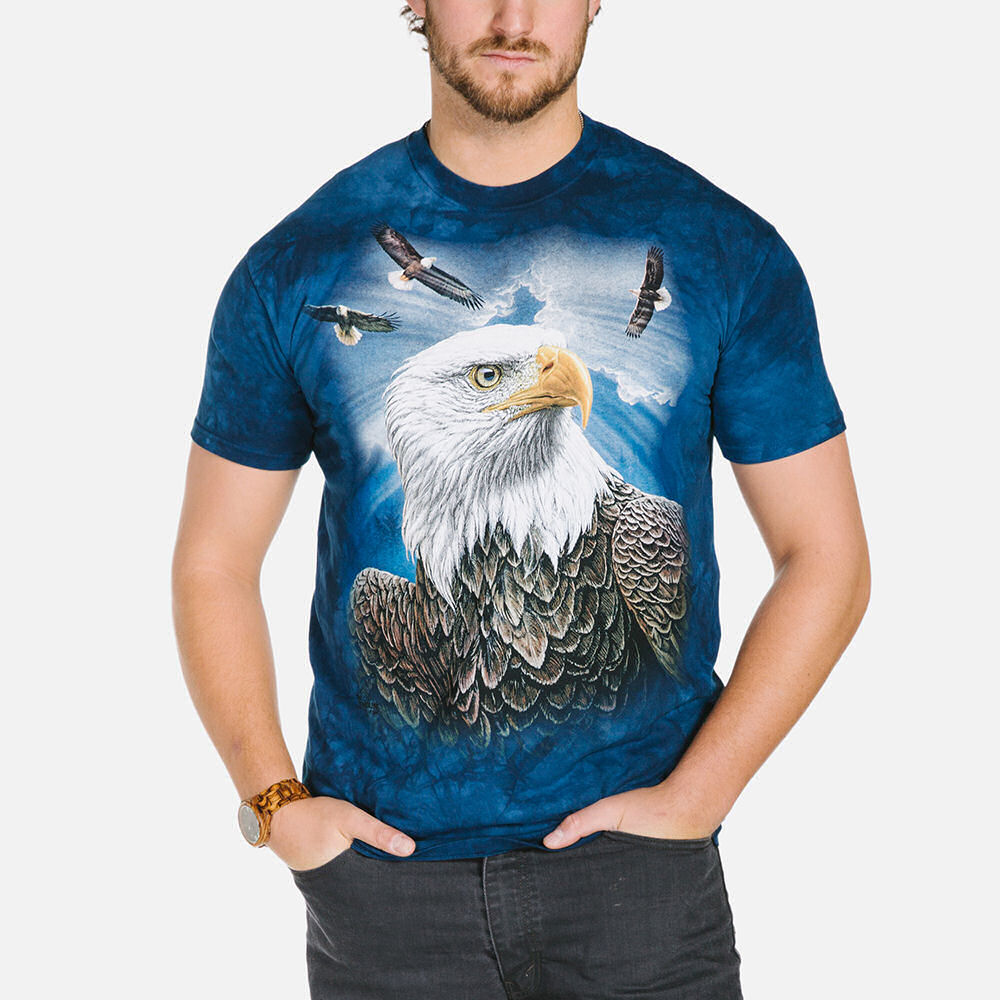
Purchasing bald eagle shirts is a simple yet impactful way to support conservation efforts. Many organizations dedicated to protecting bald eagles offer merchandise, including shirts, that help raise funds for their initiatives. By buying these items, you contribute financially to habitat restoration projects, rehabilitation of injured eagles, and educational programs. Wearing a bald eagle shirt also serves as a conversation starter, allowing you to spread awareness about the importance of bald eagle conservation. It provides an opportunity to educate others on the success stories and ongoing challenges faced by these majestic birds. Additionally, proceeds from the sale of these shirts often go directly back into conservation programs, ensuring that your purchase makes a tangible difference. Supporting these efforts through merchandise not only showcases your commitment to wildlife preservation but also helps sustain the organizations working tirelessly to protect bald eagles for future generations.

Enjoy some interesting animal facts below!

Best Animal T-Shirts for Men Who Love Wildlife
Best Animal T-Shirts for Men Who Love Wildlife Most animal t-shirts blend into the background, leaving your love for wildlife unnoticed. You want shirts that speak louder than words, showcasing majestic lions, soaring eagles, and vibrant marine life with style. This guide highlights the best animal t-shirts for men, combining bold graphics with comfort and […]

Best Tiger Shirts for Tiger Lovers
Best Tiger Shirts for Tiger Lovers Tiger shirts often miss the mark, leaving fans with dull prints that don’t capture the wild spirit of these majestic cats. If you’ve been hunting for the best tiger apparel that blends bold artistry with comfort, your search ends here. This post highlights tiger print t-shirts and stylish tiger […]
Best Bird Shirts for Bird Lovers
Best Bird Shirts for Bird Lovers Bird shirts aren’t just for casual wear anymore—they’ve become a statement for anyone who loves the colors and charm of feathered friends. If you want bird lover apparel that stands out, you’ll want to see the styles blending art and nature in fresh ways. This post highlights bird-themed t-shirts […]

Best Eagle Shirts for Eagle Lovers
Best Eagle Shirts for Eagle Lovers Eagle shirts don’t have to be ordinary. If you want to wear your passion for these powerful birds with style, the options out there can surprise you. From bold graphic eagle tees to subtle nature inspired clothing, the right eagle apparel makes a statement without sacrificing comfort. Keep reading […]

Best Bear Shirts for Wildlife Lovers
Best Bear Shirts for Wildlife Lovers Most bear shirts out there miss the mark between style and comfort. You want wildlife clothing that feels as good as it looks and truly captures the spirit of these powerful creatures. In this post, you’ll find bear graphic tees that balance charming artwork with bold designs, perfect for […]

Best Animal Shirts for Nature Lovers
Best Animal Shirts for Nature Lovers Forget plain tees that don’t say much about who you are. If you love the wild, your wardrobe should shout it loud and clear with the best animal shirts out there. These nature lover apparel pieces mix eye-catching wildlife graphic tees with comfort and style, perfect for anyone who […]
Follow us on Social Media
Instagram – YouTube – Pinterest – Twitter – Facebook
Alligators – Aquatic – Bears – Big Cats – Birds – Buffalo – Cats – Deer – Dinosaurs – Dogs – Dragons – Eagles – Elephants – Elk – Frogs – Gecko – Giraffes – Horses – Kittens – Moose – Pandas – Snakes – Tigers – Unicorns – Wolves – Cat Shirts – Celtic – Dog Shirts – Dolphins – Dragons – Eagles – Fairies – Horse Shirts – Misc – Native American Indians – Patriotic – Peace – Primates – Religion – Scary – Sci Fi – Skeletons – Tie Dye – Tigers – Wolf Shirts
Interesting Animal Facts and Information
Bald Eagles – Cheetahs – Dolphins – Dinosaurs – Tigers – Lions – Cats – Dogs



Leave A Comment
You must be logged in to post a comment.