

Harnessing the Wild: Teamwork Lessons from Wolves for Modern Leaders
In the intricate dance of survival, wolves have honed their skills as masters of teamwork, offering profound insights into human collaboration. Unlike the solitary hunters we often imagine, wolves thrive through a sophisticated social structure and a deep-rooted commitment to cooperation within their packs. These natural leaders exemplify the power of collective effort, where each member plays a vital role, echoing the dynamics essential for successful human teams. By examining the teamwork lessons from wolves, modern leaders can draw valuable parallels, enhancing their approach to leadership, fostering stronger communities, and nurturing effective collaboration in any environment. Join us as we delve into the fascinating world of wolves and uncover the secrets of their pack mentality, which can transform our understanding of leadership and teamwork. For more insights, check out what wolves can teach us about leadership and teamwork.
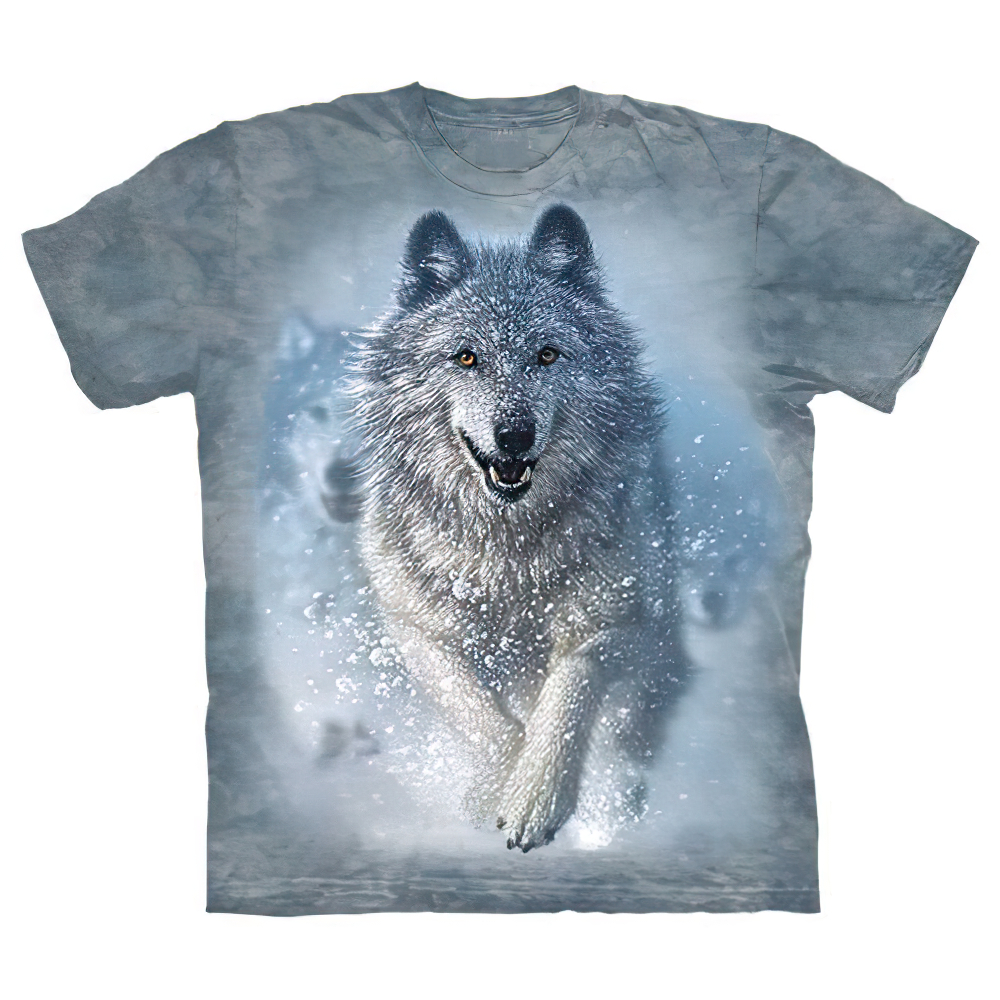
Understanding Wolves’ Social Structure
The social structure of a wolf pack is a sophisticated system that ensures survival and efficiency. This section explores the intricacies of their hierarchy and communication methods, providing insights that can be translated into effective human teamwork dynamics.
Hierarchy and Roles in Wolf Packs
Wolf packs have a well-defined hierarchy. At the top are the alpha wolves, typically one male and one female, who lead the pack. They make critical decisions, such as when to hunt and where to settle. Below them are the betas, who act as second-in-command, supporting the alphas and maintaining order. The other members are usually the subordinates and pups, who learn and grow within the pack structure.
A wolf’s role isn’t just about dominance; it’s about balance. Each member contributes uniquely, ensuring the pack’s success. This delegation of roles can be a model for human teams, promoting inclusivity and efficiency.
In human teams, adopting a similar structure can enhance productivity. By assigning roles based on strengths and ensuring everyone knows their place within the team, leaders can foster a collaborative environment that mirrors the wolf pack’s effectiveness.
Communication and Coordination Among Wolves
Wolves rely on effective communication to maintain their social structure. They use vocalizations like howls and barks, as well as body language and scent marking, to convey information and coordinate activities. This non-verbal communication is crucial for hunting and territory management.
Body language among wolves includes tail positions, ear movements, and facial expressions. These subtle cues convey emotions and intentions, helping to avoid conflicts and strengthen bonds.
For human teams, understanding and improving non-verbal communication can enhance collaboration. Encouraging team members to be aware of their body language and to read others’ cues can lead to more harmonious interactions and improved outcomes.
Wolves Social Structure and Human Teams
The wolves’ social structure offers a blueprint for human team dynamics. Just as wolves rely on each member to play their part, human teams can benefit from a clear division of roles and responsibilities. This ensures that strengths are maximized and weaknesses are mitigated.
Incorporating these lessons into a corporate setting involves establishing a hierarchy based on skills and experience. Leaders should delegate tasks, allowing each team member to contribute effectively. Such an approach fosters a sense of belonging and motivates individuals to perform at their best.
In summary:
-
Establish clear roles
-
Encourage open communication
-
Promote trust and respect
These principles, derived from wolves, can lead to stronger, more cohesive human teams.
Leadership Lessons from Wolves
Leadership in wolf packs is about guidance and unity. Wolves demonstrate remarkable leadership skills that can inspire modern leaders. This section delves into how wolves lead by example, their decision-making processes, and how these can be applied in the workplace.
Leading by Example in the Pack
Wolves lead by example, not by force. Alpha wolves exhibit confidence and strength, guiding the pack through their actions. They prioritize the pack’s well-being, ensuring everyone is fed and protected. This leadership style builds trust and loyalty among pack members.
Leading by example is a powerful tool for human leaders. By demonstrating commitment and integrity, leaders can inspire their teams to follow suit. This approach fosters a positive work culture, where team members are motivated to contribute and collaborate.
Modern leaders can learn from wolves by prioritizing transparency and accountability. By doing so, they create an environment where team members feel valued and willing to work towards common goals.
Decision-Making in Wolf Packs
Wolves’ decision-making is a collective process. While alphas make the final call, they often consider the pack’s needs and conditions. Decisions like where to hunt or when to travel are made based on shared experiences and each member’s input.
Collaboration in decision-making ensures that all perspectives are considered, leading to well-rounded choices. This inclusive approach minimizes risks and maximizes the chances of success.
Human teams can adopt this by encouraging participation in decision-making processes. By valuing each team member’s input, leaders can foster innovation and create solutions that benefit the entire group.
Leadership from Wolves in the Workplace
Leadership insights from wolves can transform the workplace. By emulating wolves, leaders can create a supportive environment that encourages growth and collaboration. Wolves demonstrate adaptability, patience, and resilience—traits essential for effective leadership.
In practice, this means:
-
Prioritizing team development
-
Encouraging open dialogue
-
Leading with empathy and understanding
These strategies can improve team dynamics and productivity. For more insights, explore team-building lessons from wolves.
Cooperation in Wolf Packs
Cooperation is a cornerstone of wolf pack survival. This section examines how wolves collaborate in hunting and resolve conflicts, offering valuable lessons for fostering human collaboration.
Hunting Strategies and Collaboration
Wolves exhibit remarkable cooperation during hunts. They use strategic planning and coordination to take down prey, relying on each member to fulfill specific roles. This teamwork increases their hunting success rate, highlighting the power of collaboration.
Successful hunts require precise timing and communication. Wolves position themselves strategically, using their strengths to corner and capture prey. This collaborative effort ensures that all pack members benefit from the hunt.
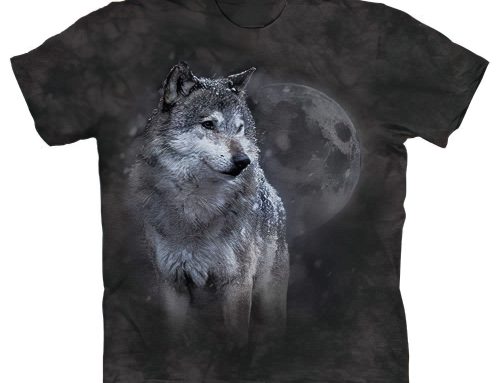
Human teams can learn from wolves by embracing collaboration. By assigning roles based on strengths and communicating effectively, teams can achieve their objectives efficiently. Explore these concepts further with the adventure wolf shirt inspired by teamwork.
Conflict Resolution Among Wolves
Wolves handle conflict with remarkable efficiency. Disputes within the pack are resolved through non-violent means, such as posturing and vocalization. This approach maintains harmony and ensures that the pack functions smoothly.
Social hierarchy plays a vital role in conflict resolution. Wolves respect the established order, which helps prevent escalations. By adhering to this structure, wolves maintain a peaceful coexistence.
For human teams, adopting similar conflict resolution strategies can enhance relationships. Encouraging open communication and respecting hierarchical structures can prevent misunderstandings and foster a cohesive team environment.
Fostering Human Collaboration Insights
Human collaboration can be enhanced by drawing insights from wolves. By observing their social dynamics and teamwork, we can learn to build more effective and harmonious teams.
Key insights include:
-
Value each team member’s contribution
-
Foster open communication and trust
-
Encourage collaborative problem-solving
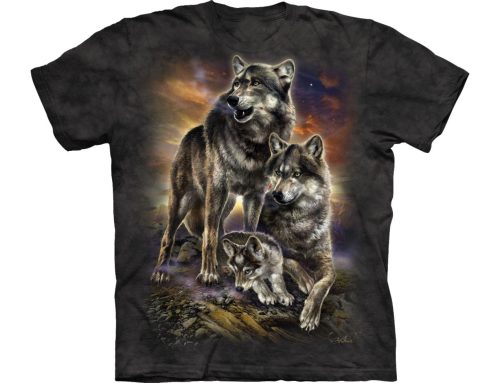
These practices, inspired by wolf behavior, can transform team dynamics and lead to greater innovation and success. Discover more about how wolves inspire collaboration with these unique wolf shirts.
Applying Wolf Wisdom to Teams
Wolf wisdom can be directly applied to human teams to build strong communities and encourage effective teamwork. This section explores how to implement these lessons in real-world scenarios.
Building Strong Community Bonds
Wolves excel at building strong community bonds within their packs. These relationships are based on mutual respect, trust, and cooperation. By fostering such bonds, wolves ensure the survival and prosperity of the pack.
Human teams can benefit from similar strategies. Building a strong community involves creating a supportive environment where everyone feels valued. Encouraging social interactions and team-building exercises can strengthen relationships.
To build effective teams, focus on:
-
Encouraging open communication
-
Supporting personal and professional growth
-
Celebrating achievements together
These efforts lay the foundation for a cohesive and resilient team.
Encouraging Teamwork and Trust
Teamwork and trust are integral to the success of any group. Wolves rely heavily on teamwork to hunt, raise young, and protect their territory. Trust is built through consistent collaboration and shared experiences.
In human teams, trust can be developed through transparency and accountability. Leaders should encourage team members to rely on each other and work towards common objectives.
By fostering a culture of trust, teams can improve collaboration and achieve greater success. For more ideas on encouraging teamwork, check out these team-building resources.
Implementing Teamwork Lessons from Wolves
Implementing wolf-inspired teamwork lessons involves practical steps. By adopting strategies that emphasize cooperation and mutual support, teams can enhance their effectiveness.
Actionable steps include:
-
Assigning roles based on individual strengths
-
Encouraging collaborative problem-solving
-
Prioritizing open and honest communication
By integrating these lessons into daily operations, teams can create a supportive and dynamic work environment. Discover more about teamwork with these wolf-themed products.
Challenges and Opportunities
While wolves offer valuable insights into teamwork, challenges exist in applying these lessons to human teams. This section addresses potential barriers and opportunities for adaptation.
Overcoming Human Collaboration Barriers
Human collaboration faces several barriers, such as communication breakdowns and conflicting interests. However, by understanding these challenges, teams can develop strategies to overcome them.
Key barriers include:
-
Lack of trust
-
Poor communication
-
Misaligned goals
By addressing these issues, teams can foster a more collaborative environment. Solutions involve building trust, improving communication skills, and aligning team objectives.
Adapting Wolf Strategies to Modern Teams
Adapting wolf strategies to modern teams involves understanding the nuances of human dynamics. While wolves operate in close-knit packs, human teams often face diverse challenges.
Strategies for adaptation include:
-
Flexible role assignments
-
Encouraging diverse perspectives
-
Prioritizing team cohesion
These adaptations can help teams navigate complex situations while drawing on the strengths of wolf-inspired teamwork.
Future Insights from Wolves for Leaders
As we continue to explore wolves’ social dynamics, future insights can inform leadership practices. By studying wolves, leaders can gain a deeper understanding of effective teamwork and collaboration.
Looking ahead:
-
Emphasizing adaptability and resilience
-
Encouraging continuous learning and development
-
Fostering inclusive and supportive environments
These insights can inspire leaders to create thriving teams that excel in ever-changing landscapes. Discover more about leadership from wolves at https://wildspiritwolfsanctuary.org/peek-into-the-pack/what-wolves-can-teach-us-about-leadership-teamwork/.

Leave A Comment
You must be logged in to post a comment.