

Are Wolves Dangerous? Debunking Myths and Embracing the Wild
Wolves, majestic creatures of the wild, often spark a mix of awe and apprehension, leading many to wonder: Are wolves dangerous to humans? While myths and stories have painted wolves as fearsome predators, the reality of wolf behavior and human-wolf interaction is far more complex and fascinating. Dive into the world of wolves, where understanding these enigmatic animals can debunk common misconceptions and reveal their true nature. As we explore the intricacies of wolf attacks and the dynamics of wolf behavior, we’ll also touch on how embracing the wild can inspire a deeper connection to nature. So, whether you’re an animal lover looking to sport eco-friendly, animal-themed t-shirts or a nature enthusiast eager to learn, this journey promises to be as enlightening as it is engaging.

Understanding Wolves: Nature’s Misunderstood Predators
Are Wolves Dangerous?
When people ask, “Are wolves dangerous?”, they’re often influenced by age-old tales and exaggerated reports of wolf attacks. In truth, wolves are generally shy and avoid human contact. They are predators, yes, but their preferred prey includes deer and other wildlife, not humans. Documented cases of unprovoked wolf attacks on humans are exceedingly rare. Wolves tend to fear humans and will keep their distance unless threatened or provoked. By understanding wolves, we can appreciate their complex social structures and role in ecosystems. This knowledge helps dispel fears and misconceptions, allowing us to see wolves as vital components of the natural world rather than threats. Thus, while wolves have the potential to be dangerous, their actual risk to humans is minimal when we respect their space and habitat. Embracing the wild, including the majestic wolf, fosters a harmonious coexistence and enriches our connection with nature.
Debunking Common Myths
The image of wolves as ruthless predators has been fueled by myths and folklore. One common myth is that wolves are aggressive pack hunters that target humans. This myth oversimplifies wolf behavior and ignores their complex social dynamics. In reality, wolves are social animals that rely on teamwork and cooperation within their packs to hunt and survive. Another misconception is that wolves are constantly on the prowl for livestock. While conflicts can occur, they are rare and often due to habitat encroachment. Wolves typically prefer wild prey over livestock. Understanding wolves requires looking beyond these myths to see them as ecologically significant predators that help maintain balance in nature. By debunking these myths, we can foster a more informed perspective. This helps promote coexistence and conservation efforts, ensuring wolves thrive in their natural habitats while reducing unnecessary fear in humans, allowing a more harmonious relationship with these misunderstood creatures.
Wolf Behavior Explained
To truly appreciate wolves, it’s crucial to delve into their behavior. Wolves are highly social creatures, living in structured packs led by an alpha pair. This social structure is vital for coordinating hunting strategies and caring for young. Communication within a pack is sophisticated, involving vocalizations such as howls, as well as body language and scent marking. Wolves are territorial and cover vast territories, which helps avoid conflicts with other packs. Their hunting methods are strategic, often involving teamwork to encircle and isolate prey. Unlike the solitary predator stereotype, wolves rely heavily on cooperation and intelligence. Understanding wolf behavior reveals their adaptability and role in maintaining ecological balance. As apex predators, they control prey populations, which in turn affects vegetation and other wildlife. Recognizing these behaviors not only dispels fear but also highlights the importance of conserving their natural habitats, ensuring these magnificent creatures continue to thrive in the wild.
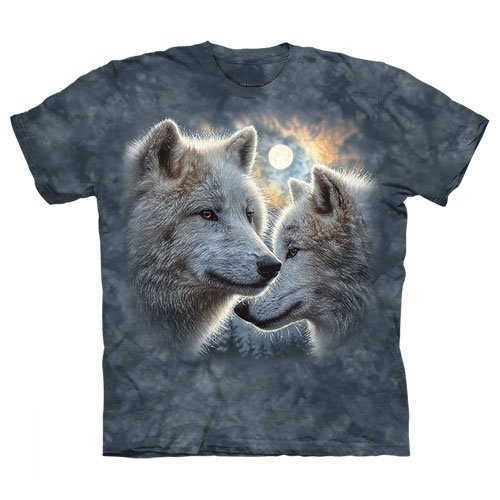
Human-Wolf Interaction: A Symbiotic Relationship
The Reality of Wolf Attacks
The notion of wolf attacks often instills fear, but examining the reality paints a different picture. Wolf attacks on humans are exceptionally rare, especially when compared to other wildlife encounters. Wolves typically avoid humans, and most documented cases of aggression arise from provocation or when wolves are conditioned to human presence through feeding. Wolves are naturally skittish around people and prefer flight over confrontation. The fear of wolf attacks often stems from sensationalized stories rather than factual accounts. In areas where wolves and humans coexist, understanding wolves and respecting their habitat can minimize risks. Simple measures, such as securing food sources and maintaining respectful distances, significantly reduce the potential for conflict. By focusing on coexistence strategies, we can foster a more balanced relationship with wolves. This approach not only ensures human safety but also promotes the conservation of these vital predators, allowing both humans and wolves to thrive in shared environments.
Coexisting Peacefully with Wolves
Living alongside wolves requires understanding and respect for these incredible animals. Coexistence begins with education—learning about wolf behavior helps dispel fears and fosters a balanced relationship. Protecting livestock, a common concern, can be effectively managed with non-lethal measures like guardian animals, secure enclosures, and deterrents. Communities can implement practices that reduce encounters, such as proper waste management and respecting natural habitats. Increasing awareness of wolves’ ecological roles emphasizes their importance in maintaining biodiversity and ecosystem health. Public policies that encourage habitat conservation further support peaceful coexistence. Individuals can also contribute by advocating for wildlife protection and supporting organizations that promote sustainable cohabitation. When we embrace coexistence, we protect not just wolves but the entire ecosystem they support. This symbiotic relationship highlights our responsibility to live harmoniously with nature, ensuring future generations enjoy the presence of wolves and the wild landscapes they call home.
Embracing the Wild: Wolves and Humans
Embracing the wild involves acknowledging the interconnectedness of wolves and humans. Wolves symbolize the untamed spirit of nature, reminding us of the beauty and complexity of the natural world. By understanding wolves and their habitats, we gain insights into broader ecological processes and our place within them. This connection inspires a deeper appreciation for wildlife and fuels conservation efforts. Engaging with the wild can be as simple as observing wolves in their natural settings or supporting conservation projects. For animal lovers, sporting eco-friendly, animal-themed apparel can also express a commitment to wildlife protection. Such actions contribute to a cultural shift toward valuing and safeguarding natural environments. As we embrace the wild, we build a symbiotic relationship that respects both human needs and wildlife preservation. This approach ensures that wolves and humans can share the landscape, celebrating nature’s diversity and fostering a more sustainable future for all living creatures.
Wolves and Eco-friendly Fashion
Promoting Animal-themed Apparel
Animal-themed apparel offers a unique way to combine fashion with conservation. Sporting clothing that features wolves or other wildlife not only makes a style statement but also raises awareness about these animals and their habitats. Eco-friendly fashion brands are increasingly using sustainable materials like organic cotton, bamboo fibers, and recycled polyester. These materials reduce environmental impact and promote ethical production practices. By choosing such apparel, consumers support brands that prioritize the planet and its inhabitants. Additionally, a portion of sales from these clothing lines often goes to wildlife conservation efforts, directly benefiting organizations that protect species like wolves. Wearing animal-themed apparel becomes more than a fashion choice—it’s a declaration of support for wildlife conservation and sustainable practices. This trend encourages environmentally conscious shopping habits and fosters a community of individuals passionate about preserving nature. As more people embrace this fashion, the impact grows, contributing to a healthier planet and thriving ecosystems.
Choosing Sustainable Materials
Selecting sustainable materials is crucial in making eco-friendly fashion choices. Sustainable materials like organic cotton, hemp, and Tencel are gaining popularity due to their minimal environmental impact. Organic cotton is grown without harmful pesticides, reducing pollution and conserving biodiversity. Hemp, known for its durability, requires less water and fewer chemical inputs than conventional cotton. Tencel, derived from wood pulp, is produced through an eco-friendly process that minimizes waste and energy use. These materials not only benefit the environment but also offer comfort and longevity in clothing. When choosing apparel, looking for certifications like Global Organic Textile Standard (GOTS) can assure consumers of sustainable practices. By opting for clothing made from these materials, individuals support ethical production and contribute to reducing the fashion industry’s carbon footprint. This conscious decision-making in fashion aligns personal values with global sustainability goals, fostering a more harmonious relationship between consumer habits and environmental preservation.
Connecting with Animal Lovers Through Fashion
Fashion can be a powerful medium for connecting with like-minded individuals who share a love for animals. Animal-themed apparel provides a platform for expressing one’s passion for wildlife and conservation. By wearing clothes that feature wolves or other beloved creatures, individuals signal their commitment to protecting these animals and their habitats. This shared interest can spark conversations and foster a sense of community among animal lovers. Additionally, purchasing from brands that focus on wildlife conservation extends this connection further, as it supports collective efforts to preserve endangered species. Fashion becomes a tool for advocacy, raising awareness and generating funds for conservation initiatives. When consumers choose eco-friendly fashion, they align their personal style with their values, promoting sustainable practices. This creates a ripple effect, encouraging others to make conscious fashion choices. Ultimately, fashion not only reflects personal identity but also connects people, driving positive change for animals and the environment.
Enjoy some interesting animal facts below!
Best Animal T-Shirts for Men Who Love Wildlife
Best Animal T-Shirts for Men Who Love Wildlife Most animal t-shirts blend into the background, leaving your love for wildlife unnoticed. You want shirts that speak louder than words, showcasing majestic lions, soaring eagles, and vibrant marine life with style. This guide highlights the best animal t-shirts for men, combining bold graphics with comfort and […]
Best Tiger Shirts for Tiger Lovers
Best Tiger Shirts for Tiger Lovers Tiger shirts often miss the mark, leaving fans with dull prints that don’t capture the wild spirit of these majestic cats. If you’ve been hunting for the best tiger apparel that blends bold artistry with comfort, your search ends here. This post highlights tiger print t-shirts and stylish tiger […]
Best Bird Shirts for Bird Lovers
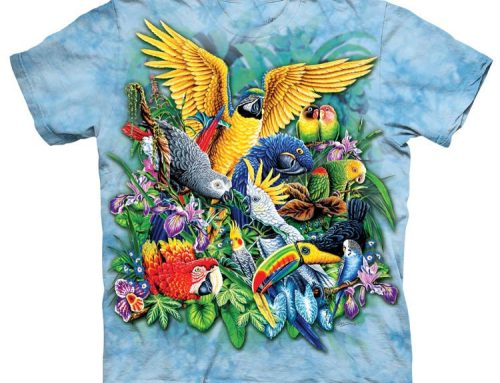
Best Bird Shirts for Bird Lovers Bird shirts aren’t just for casual wear anymore—they’ve become a statement for anyone who loves the colors and charm of feathered friends. If you want bird lover apparel that stands out, you’ll want to see the styles blending art and nature in fresh ways. This post highlights bird-themed t-shirts […]

Best Eagle Shirts for Eagle Lovers
Best Eagle Shirts for Eagle Lovers Eagle shirts don’t have to be ordinary. If you want to wear your passion for these powerful birds with style, the options out there can surprise you. From bold graphic eagle tees to subtle nature inspired clothing, the right eagle apparel makes a statement without sacrificing comfort. Keep reading […]

Best Bear Shirts for Wildlife Lovers
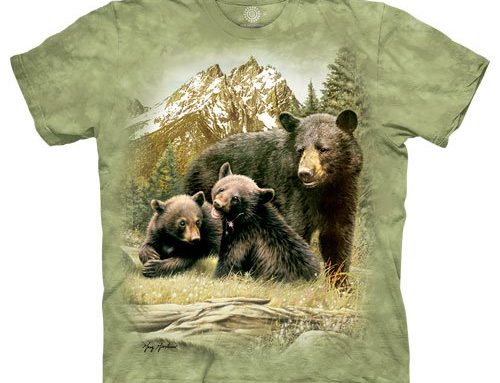
Best Bear Shirts for Wildlife Lovers Most bear shirts out there miss the mark between style and comfort. You want wildlife clothing that feels as good as it looks and truly captures the spirit of these powerful creatures. In this post, you’ll find bear graphic tees that balance charming artwork with bold designs, perfect for […]

Best Animal Shirts for Nature Lovers
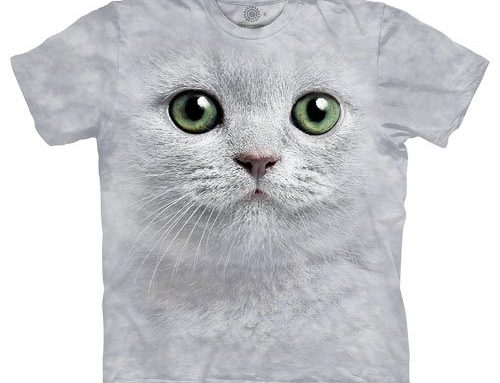
Best Animal Shirts for Nature Lovers Forget plain tees that don’t say much about who you are. If you love the wild, your wardrobe should shout it loud and clear with the best animal shirts out there. These nature lover apparel pieces mix eye-catching wildlife graphic tees with comfort and style, perfect for anyone who […]
Follow us on Social Media
Instagram – YouTube – Pinterest – Twitter – Facebook
Alligators – Aquatic – Bears – Big Cats – Birds – Buffalo – Cats – Deer – Dinosaurs – Dogs – Dragons – Eagles – Elephants – Elk – Frogs – Gecko – Giraffes – Horses – Kittens – Moose – Pandas – Snakes – Tigers – Unicorns – Wolves – Cat Shirts – Celtic – Dog Shirts – Dolphins – Dragons – Eagles – Fairies – Horse Shirts – Misc – Native American Indians – Patriotic – Peace – Primates – Religion – Scary – Sci Fi – Skeletons – Tie Dye – Tigers – Wolf Shirts
Interesting Animal Facts and Information
Bald Eagles – Cheetahs – Dolphins – Dinosaurs – Tigers – Lions – Cats – Dogs


Leave A Comment
You must be logged in to post a comment.