

How Wolves Hunt: Lessons in Teamwork and Strategy from Nature’s Finest Predators
In the captivating world of wildlife, wolves stand out as majestic symbols of teamwork and intelligence, embodying nature’s most refined predatory skills. How wolves hunt is a fascinating blend of strategy, communication, and cooperation—a true testament to wolf pack dynamics. With their keen instincts and synchronized efforts, wolves and their prey engage in an age-old dance that showcases the extraordinary wolf hunting techniques. This article will delve into the intricate predatory behavior of wolves, shedding light on their remarkable ability to thrive in diverse environments. As we explore these incredible creatures, let’s also consider how we can channel this awe into supporting sustainable practices, like eco-friendly fashion, that honor and protect the natural world they inhabit.
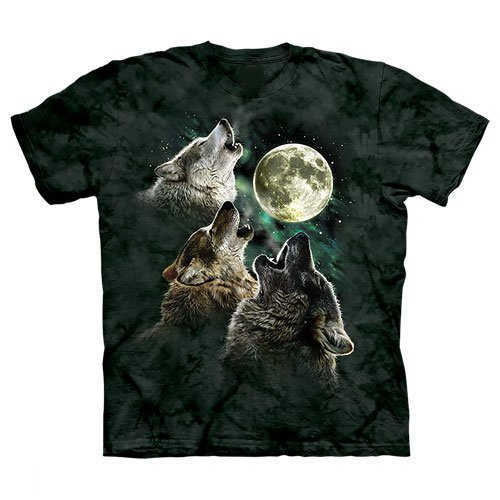
Wolf Pack Dynamics
Understanding Pack Hierarchy
In the world of wolves, the pack hierarchy is central to their success as hunters. At the top stands the alpha pair, usually consisting of the most experienced and strongest wolves. They lead the pack and make crucial decisions during hunts. Beneath them are the beta wolves, who act as second-in-command and often enforce pack rules. The rest of the pack, including the juveniles, follow their lead, each wolf having a role that fits their abilities. This structure ensures that every member contributes effectively, maximizing the success of their hunting endeavors. It’s fascinating how this hierarchy mirrors our own leadership dynamics, emphasizing the importance of clear roles and teamwork. By learning from wolves, we can appreciate the value of structured collaboration, whether in the wild or our own environments. Understanding pack hierarchy not only reveals the intricacy of wolf pack dynamics but also inspires us to create harmony within our teams.
Roles Within the Pack
Each wolf in a pack has a distinct role that contributes to the group’s hunting success. The alpha wolves lead the charge, often directing the pack during the hunt. They exhibit decisive behavior and set the pace for others to follow. Beta wolves support the alphas by maintaining order and stepping up when needed. They are crucial for passing down knowledge and training younger members. The pack’s younger wolves, often called juveniles, learn by observing and participating in hunts, refining their skills over time. Even the omega wolves, sometimes seen as the lowest in rank, play a role by diffusing tension and keeping harmony within the pack. This division of labor ensures that each hunt is a coordinated effort, showcasing the efficiency of wolf hunting techniques. By understanding these roles, we see how wolves and their prey engage in a sophisticated game of survival, with every pack member playing a part in their collective success.
Communication and Coordination
Communication is vital for the seamless operation of a wolf pack during hunts. Wolves utilize a range of vocalizations, body language, and even eye contact to coordinate their actions. How wolves hunt involves a sophisticated exchange of signals that ensure each member is in sync with the others. Vocal calls, such as howls, can rally the pack or alert them to potential prey. Subtle body gestures help maintain formation and direct movements without alerting their quarry. This silent communication is crucial when wolves and their prey are in close proximity. By efficiently coordinating their efforts, wolves can execute complex hunting strategies that increase their likelihood of success. Such coordination isn’t just impressive; it’s a necessary adaptation that allows wolves to thrive in a variety of environments. Observing these interactions offers us insights into effective teamwork and the power of non-verbal communication, lessons that extend beyond the natural world into our own collaborative endeavors.
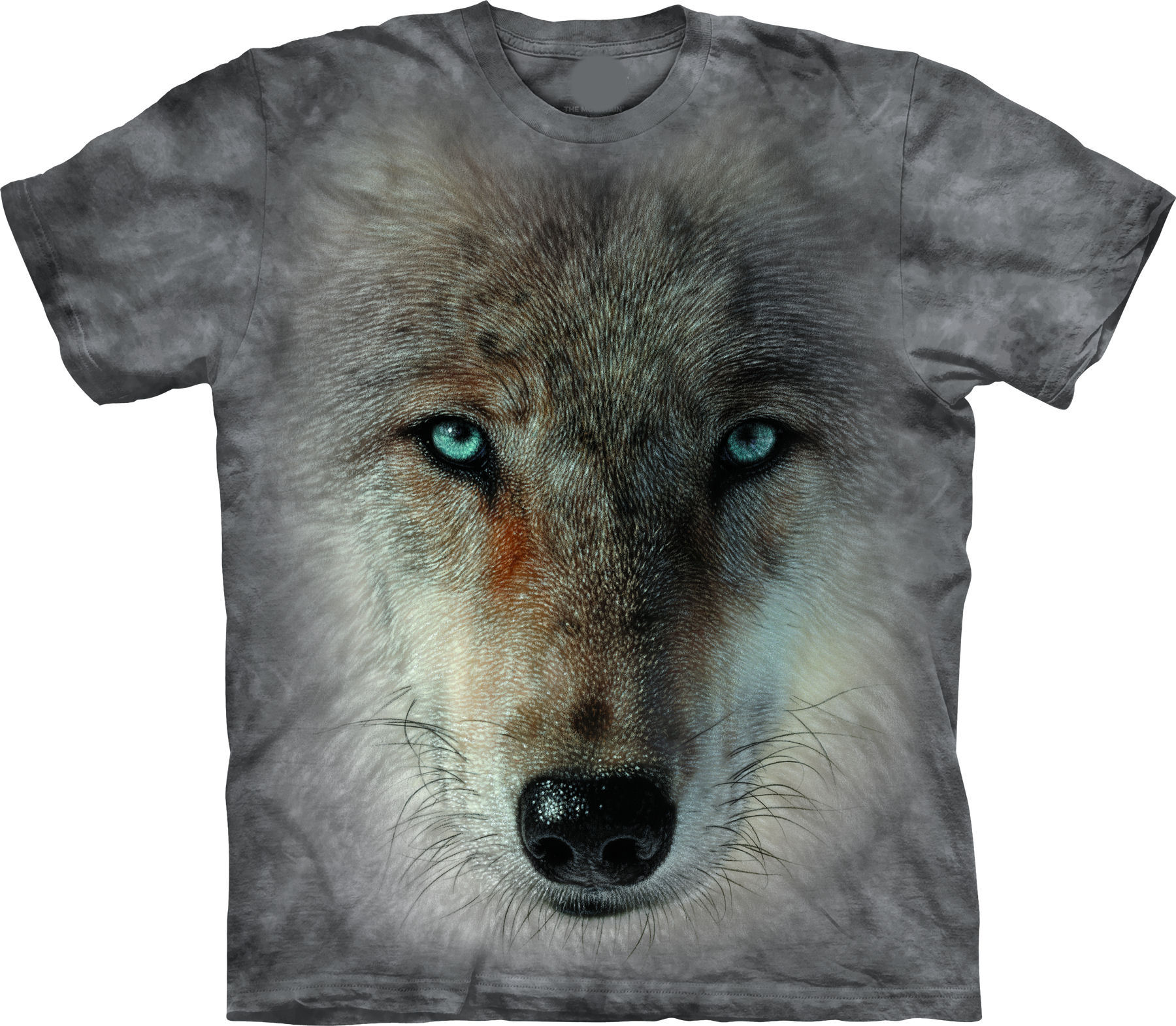
Wolf Hunting Techniques
The Art of Stalking Prey
The art of stalking prey is a critical component of how wolves hunt. It requires patience, precision, and an acute understanding of their environment. Wolves begin by identifying suitable prey, often targeting the weak or isolated individuals within a herd. This initial stage is crucial, as it sets the tone for the rest of the hunt. Once a target is selected, wolves employ stealth and strategy to close the distance without being detected. Their keen senses and knowledge of the terrain aid them in navigating quietly through forests, grasslands, or snow-covered landscapes. This stage of the hunt demonstrates their remarkable adaptability and cunning. By carefully coordinating their movements, the pack can surround the prey, cutting off escape routes and optimizing their chances of a successful hunt. Observing this process reveals the intricate balance of patience and aggression in the predatory behavior of wolves, a dance of nature that underscores their role as apex predators.
Strategic Chase and Capture
Once wolves have closed in on their prey, the strategic chase and capture phase begins. This phase of how wolves hunt is characterized by speed, precision, and teamwork. Wolves use their endurance and agility to pursue prey over long distances, often driving it towards waiting pack members. This technique demonstrates the calculated nature of wolf hunting techniques, as they anticipate and respond to the prey’s movements. Each wolf plays a specific role during the chase, with some focusing on driving the prey while others position themselves for the capture. This level of coordination exemplifies the pack’s sophisticated predatory behavior. As the chase reaches its climax, wolves utilize their sharp reflexes and powerful jaws to bring down the prey. This final effort is a testament to their strength and strategic prowess. The success of such hunts not only sustains the pack but also maintains the balance within their ecosystem, highlighting the critical role wolves play in their natural habitats.
Working as a Cohesive Unit
Wolves are the epitome of teamwork in the animal kingdom, illustrating that working as a cohesive unit is fundamental to successful hunting. Each member of the pack knows their role, from the leaders to the learners, and collaborates seamlessly to achieve a common goal. This unity is a cornerstone of wolf hunting techniques, ensuring that every hunt is a collective effort. By synchronizing their movements and communicating effectively, wolves can adapt quickly to the dynamics of the chase, compensating for any unexpected changes. This adaptability is crucial when wolves and their prey engage in the unpredictable theater of the wild. The pack’s cohesiveness reduces individual energy expenditure and increases the success rate, which is vital for their survival in harsh conditions. Observing wolves work as a cohesive unit not only provides insights into their social structure but also offers valuable lessons in collaboration and teamwork applicable to human endeavors in various fields.
Wolves and Their Prey
Selection of Targets
The selection of targets is a crucial step in how wolves hunt, reflecting their strategic acumen and understanding of prey dynamics. Wolves typically focus on the weak, sick, or young members of a herd, making careful assessments to maximize their chances of a successful hunt while minimizing risk. This selective behavior is crucial because it helps maintain the health of prey populations by culling the weakest individuals, thereby ensuring the survival of the fittest. Observing wolves and their prey in this context reveals a natural cycle of life and death that plays a vital role in ecosystem balance. By choosing targets wisely, wolves optimize their energy expenditure, a critical consideration given the demanding nature of their predatory lifestyle. This decision-making process showcases the intelligence inherent in wolf hunting techniques, as they balance immediate needs with long-term survival. Understanding this selection process provides insights into the delicate interplay between predator and prey in the wild.
Adapting to Different Environments
Wolves are remarkable for their ability to adapt to a wide range of environments, from dense forests to arid deserts. This adaptability is a key factor in how wolves hunt and interact with their prey. In forested areas, wolves rely on cover to stalk their prey, using dense vegetation to conceal their approach. In open terrains, such as tundras or grasslands, they depend on speed and endurance to tire out prey over long distances. This environmental flexibility highlights the versatility of wolf hunting techniques, ensuring that wolves can exploit various habitats effectively. Moreover, their diet varies with the environment, showcasing their ability to adjust prey selection based on availability. This adaptability not only supports their survival but also underscores their role in maintaining ecological balance across diverse regions. Understanding how wolves adapt to different environments offers insights into the resilience and ingenuity of these predators, as well as the intricate connections within natural ecosystems.
Impact on Ecosystem Balance
Wolves play a pivotal role in maintaining ecosystem balance, acting as apex predators that influence the abundance and behavior of prey species. This top-down regulation is a crucial aspect of how wolves hunt, as it helps control the populations of herbivores such as deer and elk. By culling weaker individuals, wolves ensure that prey populations remain healthy and robust, preventing overgrazing and promoting biodiversity. This natural control mechanism supports the growth of vegetation, which in turn benefits other species, including birds and small mammals. The ripple effect of wolf predation demonstrates their importance in maintaining the structure and function of ecosystems. Moreover, the presence of wolves can lead to a phenomenon known as a trophic cascade, where their influence trickles down to affect multiple trophic levels. Understanding the impact of wolves and their prey on ecosystem balance highlights the intricate interdependencies in nature and underscores the importance of conserving these remarkable predators for ecological health.
Enjoy some interesting animal facts below!

Best Animal T-Shirts for Men Who Love Wildlife
Best Animal T-Shirts for Men Who Love Wildlife Most animal t-shirts blend into the background, leaving your love for wildlife unnoticed. You want shirts that speak louder than words, showcasing majestic lions, soaring eagles, and vibrant marine life with style. This guide highlights the best animal t-shirts for men, combining bold graphics with comfort and […]

Best Tiger Shirts for Tiger Lovers
Best Tiger Shirts for Tiger Lovers Tiger shirts often miss the mark, leaving fans with dull prints that don’t capture the wild spirit of these majestic cats. If you’ve been hunting for the best tiger apparel that blends bold artistry with comfort, your search ends here. This post highlights tiger print t-shirts and stylish tiger […]

Best Bird Shirts for Bird Lovers
Best Bird Shirts for Bird Lovers Bird shirts aren’t just for casual wear anymore—they’ve become a statement for anyone who loves the colors and charm of feathered friends. If you want bird lover apparel that stands out, you’ll want to see the styles blending art and nature in fresh ways. This post highlights bird-themed t-shirts […]

Best Eagle Shirts for Eagle Lovers
Best Eagle Shirts for Eagle Lovers Eagle shirts don’t have to be ordinary. If you want to wear your passion for these powerful birds with style, the options out there can surprise you. From bold graphic eagle tees to subtle nature inspired clothing, the right eagle apparel makes a statement without sacrificing comfort. Keep reading […]

Best Bear Shirts for Wildlife Lovers
Best Bear Shirts for Wildlife Lovers Most bear shirts out there miss the mark between style and comfort. You want wildlife clothing that feels as good as it looks and truly captures the spirit of these powerful creatures. In this post, you’ll find bear graphic tees that balance charming artwork with bold designs, perfect for […]
Best Animal Shirts for Nature Lovers
Best Animal Shirts for Nature Lovers Forget plain tees that don’t say much about who you are. If you love the wild, your wardrobe should shout it loud and clear with the best animal shirts out there. These nature lover apparel pieces mix eye-catching wildlife graphic tees with comfort and style, perfect for anyone who […]
Follow us on Social Media
Instagram – YouTube – Pinterest – Twitter – Facebook
Alligators – Aquatic – Bears – Big Cats – Birds – Buffalo – Cats – Deer – Dinosaurs – Dogs – Dragons – Eagles – Elephants – Elk – Frogs – Gecko – Giraffes – Horses – Kittens – Moose – Pandas – Snakes – Tigers – Unicorns – Wolves – Cat Shirts – Celtic – Dog Shirts – Dolphins – Dragons – Eagles – Fairies – Horse Shirts – Misc – Native American Indians – Patriotic – Peace – Primates – Religion – Scary – Sci Fi – Skeletons – Tie Dye – Tigers – Wolf Shirts
Interesting Animal Facts and Information
Bald Eagles – Cheetahs – Dolphins – Dinosaurs – Tigers – Lions – Cats – Dogs




Leave A Comment
You must be logged in to post a comment.