

How Dangerous Are Bears? Separating Fact from Fear for Wildlife Lovers
Bears often evoke a mix of awe and apprehension, especially for wildlife lovers who cherish hiking through bear territories. But just how dangerous are bears to humans, and should we let fear overshadow our outdoor adventures? Understanding bear behavior and safety measures is key to enjoying nature responsibly and minimizing risk. This guide will help separate fact from fear, providing essential bear safety tips and insights into how to handle potential bear encounters. With a focus on wildlife safety, we’ll explore what to do when hiking with bears and the importance of respecting these majestic creatures in their natural habitat.
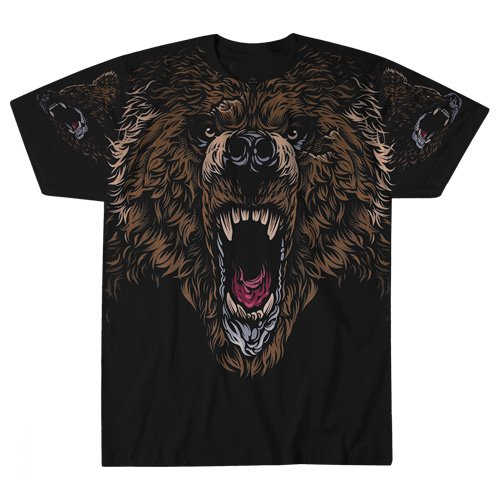
Understanding Bear Behavior
How Dangerous Are Bears?
Bears, while powerful and sometimes unpredictable, aren’t naturally inclined to attack humans. Most bear encounters result from the animal feeling threatened or surprised. Generally, bears prefer to avoid humans. Though bear attacks do happen, they’re infrequent. In fact, you’re more likely to be struck by lightning than be harmed by a bear. Understanding bear behavior can reduce the risk even further. Bears communicate through body language and vocalizations. Recognizing these signals can help in distinguishing between a curious bear and one that’s agitated or defensive. Additionally, bears are often attracted to food smells, so managing food and waste properly while hiking or camping is crucial. By respecting their space and understanding these magnificent creatures, we can safely coexist with them in the wild. This awareness is a fundamental aspect of wildlife safety, ensuring that both bears and humans remain unharmed during outdoor adventures.
Bear Attacks: Separating Fact from Myth
Bear attacks are often sensationalized, contributing to a skewed perception of these animals. In reality, bear attacks are rare, and many common beliefs about them are myths. For instance, not all bear species are equally dangerous. Grizzlies are generally more aggressive than black bears, but even grizzlies usually attack only when they feel threatened or are protecting their cubs. Another myth is that playing dead will always save you. While this can be effective with grizzlies, it might not work with black bears, which could see it as an opportunity. Instead, with black bears, making yourself appear larger and more intimidating can deter them. Understanding these nuances helps manage the fear around bear encounters. By debunking myths, we can focus on practical bear safety strategies that promote a harmonious relationship between humans and bears, ensuring that our time in the wild remains both thrilling and safe.
The Role of Bear Safety
Bear safety is crucial in preventing encounters from escalating into dangerous situations. Understanding and implementing bear safety measures can significantly reduce risks when exploring bear habitats. Firstly, traveling in groups is recommended, as bears are less likely to approach multiple people. Making noise while hiking can also alert bears to your presence, giving them a chance to avoid you. Carrying bear spray and knowing how to use it effectively is another essential precaution. It’s a non-lethal deterrent that can stop an aggressive bear from advancing. Additionally, being mindful of your surroundings, especially in areas with limited visibility, is vital. Avoiding scented products and properly storing food in bear-proof containers can prevent attracting bears to your campsite. Bear safety isn’t just about protecting yourself; it’s also about respecting the bears’ natural behaviors and habitats. By prioritizing safety, we foster a safer environment for both humans and bears, allowing for peaceful coexistence.

Tips for Safe Bear Encounters
Essential Bear Encounter Tips
When encountering a bear, staying calm is your first line of defense. Avoid sudden movements and never run, as this could trigger a chase response. Instead, slowly back away while keeping the bear in your sight. Speaking in a calm, assertive voice can help the bear recognize you as a human rather than a threat. If the bear approaches, stand your ground. Use bear spray if necessary, aiming it at the bear’s face. In a rare aggressive situation, prepare to defend yourself by using any available objects. With black bears, making loud noises and appearing larger can often deter them. Remember, the goal is to de-escalate any potential threat. Leave the area promptly once the bear retreats to reduce the chance of further encounters. These bear encounter tips not only ensure your safety but also help maintain the natural peace of the wilderness, allowing bears to continue thriving in their habitats.
Hiking with Bears: What to Know
Hiking in bear country can be a thrilling yet safe experience if you’re prepared. First, research the area before you go. Learn which bear species inhabit the region and understand their behaviors. Stick to marked trails and hike during daylight hours when bears are less active. Travel in groups, as bears are more likely to avoid larger numbers. Always carry bear spray and know how to use it—practice makes perfect. Keep your food and trash securely stored to prevent attracting bears. If you come across fresh bear signs, such as scat or tracks, consider changing your route. Keeping your senses alert and being aware of your surroundings can help you notice signs of a nearby bear. Educate yourself on how to respond to different types of bear encounters. By following these guidelines, hiking with bears becomes a safer endeavor, allowing you to enjoy the beauty of nature while respecting its wild inhabitants.
Wildlife Safety for Nature Lovers
Nature lovers play a crucial role in promoting wildlife safety, ensuring that encounters with animals like bears remain non-confrontational. Educating yourself on local wildlife and their behaviors is the first step. This knowledge helps you make informed decisions while exploring natural habitats. Respecting wildlife means maintaining a safe distance and using binoculars or cameras with zoom lenses for a closer look, rather than approaching animals. Leave no trace by packing out all trash and following campsite regulations to protect wildlife from human food. Engage with local conservation efforts to support habitat preservation, ensuring that bears and other wildlife have the space they need to thrive. Share your knowledge with fellow hikers and adventurers, fostering a community that values safety and respect for nature. By prioritizing wildlife safety, nature lovers help create a harmonious balance between enjoying the outdoors and preserving it for future generations, enriching the experience for both humans and wildlife.
Enjoy some interesting animal facts below!

Best Animal T-Shirts for Men Who Love Wildlife
Best Animal T-Shirts for Men Who Love Wildlife Most animal t-shirts blend into the background, leaving your love for wildlife unnoticed. You want shirts that speak louder than words, showcasing majestic lions, soaring eagles, and vibrant marine life with style. This guide highlights the best animal t-shirts for men, combining bold graphics with comfort and […]

Best Tiger Shirts for Tiger Lovers
Best Tiger Shirts for Tiger Lovers Tiger shirts often miss the mark, leaving fans with dull prints that don’t capture the wild spirit of these majestic cats. If you’ve been hunting for the best tiger apparel that blends bold artistry with comfort, your search ends here. This post highlights tiger print t-shirts and stylish tiger […]

Best Bird Shirts for Bird Lovers
Best Bird Shirts for Bird Lovers Bird shirts aren’t just for casual wear anymore—they’ve become a statement for anyone who loves the colors and charm of feathered friends. If you want bird lover apparel that stands out, you’ll want to see the styles blending art and nature in fresh ways. This post highlights bird-themed t-shirts […]

Best Eagle Shirts for Eagle Lovers
Best Eagle Shirts for Eagle Lovers Eagle shirts don’t have to be ordinary. If you want to wear your passion for these powerful birds with style, the options out there can surprise you. From bold graphic eagle tees to subtle nature inspired clothing, the right eagle apparel makes a statement without sacrificing comfort. Keep reading […]

Best Bear Shirts for Wildlife Lovers
Best Bear Shirts for Wildlife Lovers Most bear shirts out there miss the mark between style and comfort. You want wildlife clothing that feels as good as it looks and truly captures the spirit of these powerful creatures. In this post, you’ll find bear graphic tees that balance charming artwork with bold designs, perfect for […]

Best Animal Shirts for Nature Lovers
Best Animal Shirts for Nature Lovers Forget plain tees that don’t say much about who you are. If you love the wild, your wardrobe should shout it loud and clear with the best animal shirts out there. These nature lover apparel pieces mix eye-catching wildlife graphic tees with comfort and style, perfect for anyone who […]
Follow us on Social Media
Instagram – YouTube – Pinterest – Twitter – Facebook
Alligators – Aquatic – Bears – Big Cats – Birds – Buffalo – Cats – Deer – Dinosaurs – Dogs – Dragons – Eagles – Elephants – Elk – Frogs – Gecko – Giraffes – Horses – Kittens – Moose – Pandas – Snakes – Tigers – Unicorns – Wolves – Cat Shirts – Celtic – Dog Shirts – Dolphins – Dragons – Eagles – Fairies – Horse Shirts – Misc – Native American Indians – Patriotic – Peace – Primates – Religion – Scary – Sci Fi – Skeletons – Tie Dye – Tigers – Wolf Shirts
Interesting Animal Facts and Information
Bald Eagles – Cheetahs – Dolphins – Dinosaurs – Tigers – Lions – Cats – Dogs

Leave A Comment
You must be logged in to post a comment.