
What Do Bears Eat? Exploring the Delicious Diversity of Bear Diets
Bears are fascinating creatures with a diet as diverse as their habitats! So, what do bears eat, you ask? Well, from succulent berries and crunchy nuts to tender fish and the occasional honey-laden beehive, bear food habits are a delightful exploration of nature’s pantry. Depending on the types of bears and their environment, their nutrition varies, showcasing their adaptability as omnivorous animals. Join us on this wild journey as we dive into the delicious variety of a wildlife diet that keeps these majestic creatures thriving. Plus, discover how our eco-friendly and animal-themed t-shirts, crafted from sustainable materials, let you wear your love for nature proudly!
Understanding Bears’ Diet
What Do Bears Eat?
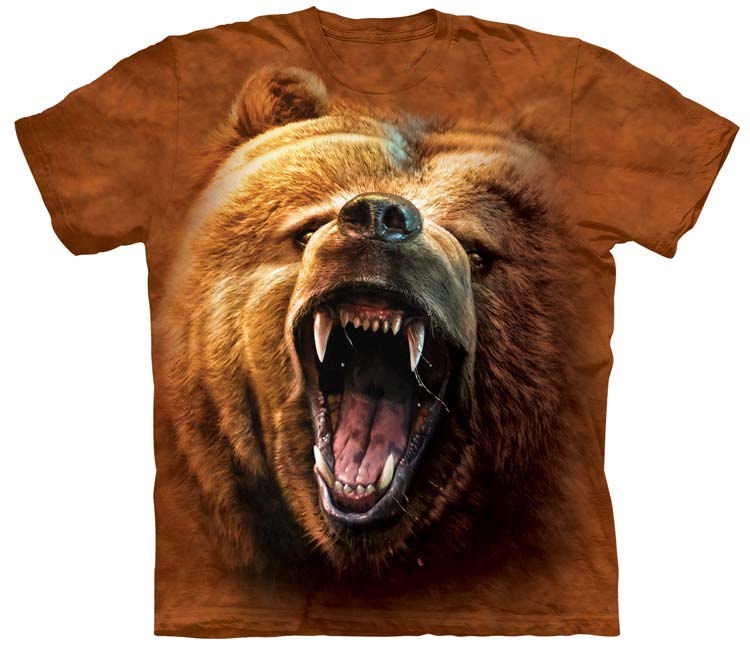
Bears are true connoisseurs of the forest, enjoying a diet that can shift with the seasons and availability. So, what do bears eat? Their meals are a medley of what nature offers. During the spring, bears often feast on fresh grass, roots, and insects, which help them regain energy after hibernation. Come summer, they’re avid berry pickers, relishing the abundance of fruits and nuts. In the fall, bears bulk up for the winter, feasting on anything from fish to small mammals, and yes, even the occasional beehive dripping with honey! This varied diet not only highlights the adaptability of bears as omnivorous animals but also underscores their role in maintaining the balance of the wildlife diet. Understanding bear food habits helps us appreciate the intricate dance of nature that sustains these incredible creatures.
Bear Food Habits
Bear food habits are as fascinating as the bears themselves. These majestic creatures are opportunistic feeders, meaning they eat whatever is available and nutritious. Their diet varies significantly depending on the season and their habitat. For instance, black bears in North America might rely heavily on acorns and nuts in the fall, while polar bears primarily hunt seals on ice-covered waters. Meanwhile, grizzly bears are known for their love of salmon during the spawning season. This flexibility in their diet not only supports their survival but also illustrates their role as omnivorous animals in the ecosystem. Bears help control prey populations and disperse seeds through their droppings, contributing to forest regeneration. By understanding these habits, we gain insight into the delicate balance of nature and the vital part bears play in it. This knowledge also fosters a deeper appreciation for their adaptability and the rich tapestry of life they are a part of.
Types of Bears and Their Nutrition
Omnivorous Animals in the Wild
Bears are quintessential examples of omnivorous animals, showcasing a remarkable ability to thrive in diverse environments. As omnivores, bears consume both plant and animal matter, allowing them to adapt to varying food availability throughout different seasons. This adaptability is crucial for their survival, especially in regions where food supply can be unpredictable. In the wild, bears balance their diet between vegetation—like fruits, nuts, and roots—and animal sources, including fish, insects, and small mammals. This broad dietary range not only supports their nutritional needs but also positions them as key players in the ecosystem. By feeding on a mix of food sources, bears help control animal populations and aid in seed dispersal, contributing to forest health. Understanding the nutrition of these versatile creatures gives us insight into their resilience and the complex ecological webs they help sustain. Observing bears in their natural habitats reveals the dynamics of survival and the interconnectedness of wildlife diets.
Unique Bear Nutrition
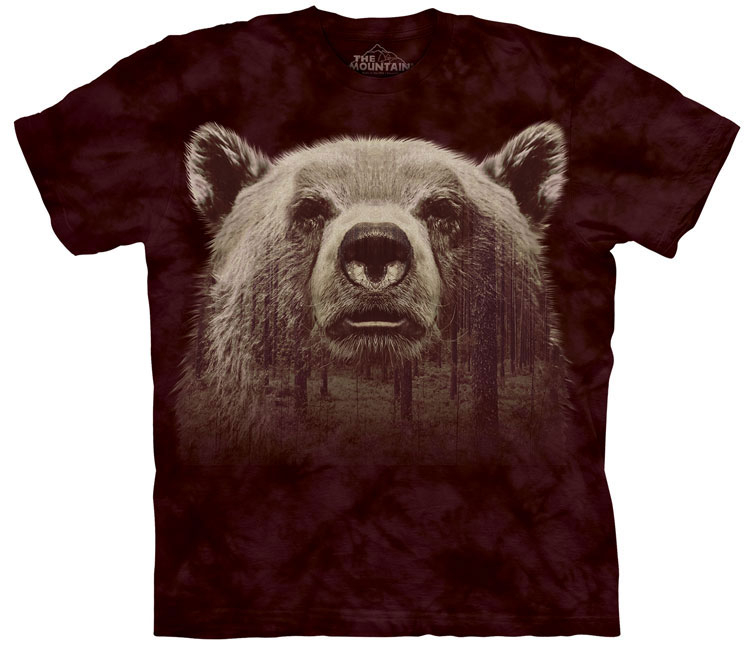
Each bear species exhibits unique nutritional habits that reflect their environment and evolutionary adaptations. For instance, polar bears have a diet primarily composed of seals, providing them with the high-fat content needed to sustain energy in cold climates. This contrasts sharply with the diet of the giant panda, which consists almost entirely of bamboo. Despite being a bear, the panda has adapted to a herbivorous lifestyle, relying on bamboo’s plentiful availability in its native habitat. Meanwhile, the grizzly bear showcases a more balanced omnivorous diet, feasting on everything from berries to salmon and small mammals, depending on seasonal availability. These variations in bear nutrition highlight the incredible adaptability of these creatures and their capacity to thrive in diverse ecosystems. By examining these dietary differences, we gain a deeper understanding of how each species fits into its ecological niche and the specific nutritional strategies they employ to maintain health and vigor in the wild.
Exploring Wildlife Diet
Bears’ Diet Across Seasons
Bears’ diets change dramatically with the seasons, a testament to their adaptability and survival instincts. In spring, as they emerge from hibernation, bears focus on calorie-rich foods like fresh vegetation, insects, and small mammals to replenish lost energy. Summer offers an abundance of fruits, nuts, and berries, allowing bears to indulge and build up their fat reserves. This season is particularly important for grizzly bears, who also capitalize on salmon runs for protein. As fall approaches, bears enter hyperphagia, a phase where they consume large quantities of food to prepare for the upcoming winter. During this time, they scavenge for anything edible, including carcasses and human food waste, in areas close to human settlements. Winter is a time of scarcity, and bears in colder climates rely on stored fat to survive the hibernation period. Understanding this seasonal dietary cycle offers insights into bears’ food habits and their critical role in wildlife ecosystems.
Comparing Bear Food Habits
Comparing bear food habits across species reveals intriguing variations that highlight their adaptability. For instance, the diet of a brown bear in Alaska, rich in salmon and coastal vegetation, contrasts with that of the American black bear, which might favor nuts and berries in the Appalachian forests. Polar bears focus almost exclusively on marine life, particularly seals, due to their arctic habitat. In contrast, pandas, residing in bamboo forests, have shifted to a highly specialized diet that revolves around bamboo, despite their carnivorous ancestry. These dietary preferences not only reflect the geographical and ecological niches each species occupies but also their evolutionary paths. Observing these differences provides valuable insights into how bears interact with their environment and adapt to seasonal and regional changes. These comparisons underline the importance of understanding bear nutrition in conservation efforts, ensuring that these majestic creatures continue to thrive in their natural habitats.
Enjoy some interesting animal facts below!
Best Animal T-Shirts for Men Who Love Wildlife
Best Animal T-Shirts for Men Who Love Wildlife Most animal t-shirts blend into the background, leaving your love for wildlife unnoticed. You want shirts that speak louder than words, showcasing majestic lions, soaring eagles, and vibrant marine life with style. This guide highlights the best animal t-shirts for men, combining bold graphics with comfort and […]
Best Tiger Shirts for Tiger Lovers
Best Tiger Shirts for Tiger Lovers Tiger shirts often miss the mark, leaving fans with dull prints that don’t capture the wild spirit of these majestic cats. If you’ve been hunting for the best tiger apparel that blends bold artistry with comfort, your search ends here. This post highlights tiger print t-shirts and stylish tiger […]
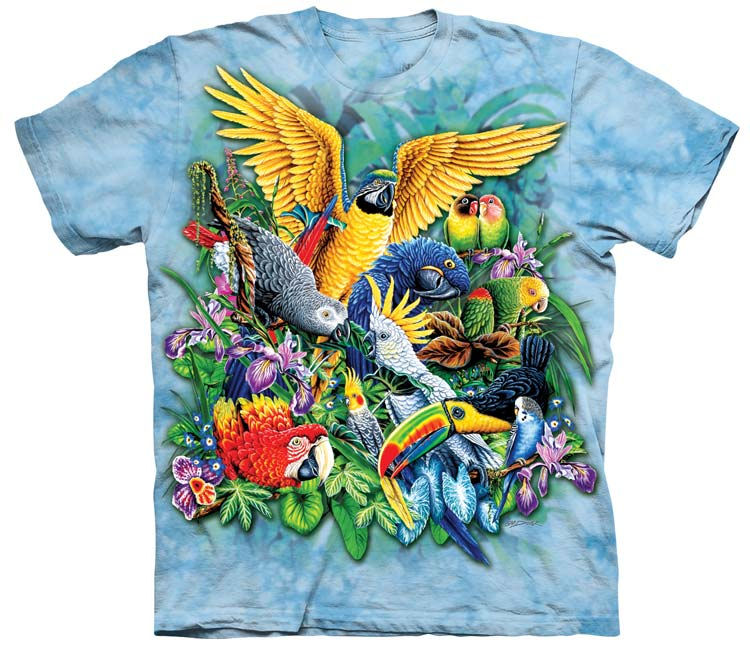
Best Bird Shirts for Bird Lovers
Best Bird Shirts for Bird Lovers Bird shirts aren’t just for casual wear anymore—they’ve become a statement for anyone who loves the colors and charm of feathered friends. If you want bird lover apparel that stands out, you’ll want to see the styles blending art and nature in fresh ways. This post highlights bird-themed t-shirts […]

Best Eagle Shirts for Eagle Lovers
Best Eagle Shirts for Eagle Lovers Eagle shirts don’t have to be ordinary. If you want to wear your passion for these powerful birds with style, the options out there can surprise you. From bold graphic eagle tees to subtle nature inspired clothing, the right eagle apparel makes a statement without sacrificing comfort. Keep reading […]

Best Bear Shirts for Wildlife Lovers
Best Bear Shirts for Wildlife Lovers Most bear shirts out there miss the mark between style and comfort. You want wildlife clothing that feels as good as it looks and truly captures the spirit of these powerful creatures. In this post, you’ll find bear graphic tees that balance charming artwork with bold designs, perfect for […]

Best Animal Shirts for Nature Lovers
Best Animal Shirts for Nature Lovers Forget plain tees that don’t say much about who you are. If you love the wild, your wardrobe should shout it loud and clear with the best animal shirts out there. These nature lover apparel pieces mix eye-catching wildlife graphic tees with comfort and style, perfect for anyone who […]
Follow us on Social Media
Instagram – YouTube – Pinterest – Twitter – Facebook
Alligators – Aquatic – Bears – Big Cats – Birds – Buffalo – Cats – Deer – Dinosaurs – Dogs – Dragons – Eagles – Elephants – Elk – Frogs – Gecko – Giraffes – Horses – Kittens – Moose – Pandas – Snakes – Tigers – Unicorns – Wolves – Cat Shirts – Celtic – Dog Shirts – Dolphins – Dragons – Eagles – Fairies – Horse Shirts – Misc – Native American Indians – Patriotic – Peace – Primates – Religion – Scary – Sci Fi – Skeletons – Tie Dye – Tigers – Wolf Shirts
Interesting Animal Facts and Information
Bald Eagles – Cheetahs – Dolphins – Dinosaurs – Tigers – Lions – Cats – Dogs


Leave A Comment
You must be logged in to post a comment.