

How Long Do Bears Hibernate? Dive Into the Cozy World of Bear Hibernation Habits
When it comes to the fascinating world of wildlife, bear hibernation is one of the most intriguing phenomena nature has to offer. Ever wondered just how long do bears hibernate? Well, you’re in for a treat as we dive into the cozy, sleepy habits of these incredible creatures. From the way their bodies prepare for months of rest to the surprising impact of climate on bear hibernation, there’s so much to explore. Whether you’re a nature enthusiast, a wildlife biologist, or a student studying animal behavior, understanding the hibernation habits of bears gives us a deeper appreciation of nature’s wonders. Plus, if you’re an animal lover with a penchant for eco-friendly fashion, we’ve got some amazing animal-themed t-shirts crafted from sustainable materials that celebrate these majestic creatures while keeping our planet in mind.

Understanding Bear Hibernation
What is Bear Hibernation?
Bear hibernation is a unique survival strategy that allows bears to conserve energy during the cold, food-scarce months of winter. Unlike smaller mammals that enter a deep torpor, bears experience a lighter form of hibernation known as a “winter sleep.” During this period, their metabolic rate drops, and their heart rate slows significantly, yet they can awaken more easily if disturbed. Bears rely on stored body fat to sustain them, often spending the months prior to hibernation in a feeding frenzy called hyperphagia. This adaptation is crucial, as it ensures bears have enough resources to endure the duration of their hibernation. Interestingly, the bears’ sleeping patterns during hibernation are not as deep as other hibernating animals, allowing them to respond to potential threats. Understanding these hibernation habits of bears helps us appreciate their incredible adaptability and resilience in the face of harsh environmental conditions.
Factors Influencing Hibernation Duration
The duration of bear hibernation isn’t set in stone; several factors come into play. Primarily, the availability of food and the climate are key determinants. In colder regions, bears tend to hibernate for longer periods, sometimes up to seven months, because of the extended winter conditions and limited food supply. Conversely, in milder climates where food remains accessible, they might hibernate for a mere few weeks or months. The impact of climate on bear hibernation is significant, as warmer winters may lead to shorter hibernation periods. Additionally, the bear’s age, health, and fat reserves play a crucial role. Younger bears or those that haven’t accumulated sufficient fat might wake earlier, driven by hunger. Understanding how long bears hibernate based on these variables provides a clearer picture of their adaptability and the dynamic nature of their survival strategies. This knowledge helps us preserve these remarkable creatures and their habitats.
Bears Sleeping Patterns Explained
During hibernation, bears exhibit a fascinating range of sleeping patterns distinct from true hibernators. Instead of entering a deep physiological torpor, bears experience a form of prolonged sleep where their body temperature remains relatively stable. Their metabolic processes slow down, yet they maintain a level of alertness that allows them to react to disturbances. This semi-conscious state is crucial for protecting themselves and their offspring from predators or environmental changes. Bears may briefly awaken and adjust their positions without fully emerging from hibernation. These adaptive sleeping patterns ensure bears conserve energy while being ready to respond if necessary. This contrasts with smaller mammals whose body temperature and heart rate plummet to near-death levels. Observing bears’ sleeping patterns gives insight into their remarkable evolutionary strategies for survival. Understanding these patterns highlights the complexity of bear hibernation and underscores the importance of conserving their natural habitats to support their unique life cycles.
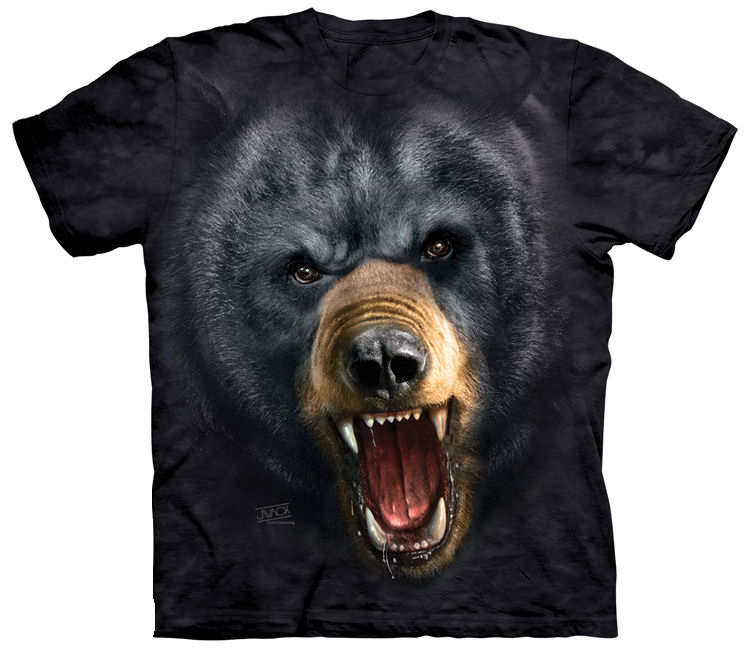
Impact of Environment on Hibernation
Climate Change and Bear Hibernation
Climate change poses a significant threat to the delicate balance of bear hibernation cycles. As global temperatures rise, the impact of climate on bear hibernation becomes increasingly evident. Warmer winters can lead to shorter hibernation periods, as bears may wake earlier due to milder conditions and the premature availability of food sources. This disruption can affect their energy reserves, as they might not have accumulated enough fat to sustain them through the winter. Additionally, changes in precipitation patterns can alter the availability of food in the months leading up to hibernation, further complicating their ability to prepare adequately. These changes not only threaten the survival of individual bears but also impact the broader ecosystems in which they play a critical role. Understanding how climate change affects the hibernation habits of bears is crucial for developing conservation strategies that support these majestic creatures in adapting to an ever-changing environment.
Regional Differences in Hibernation Habits
Bear hibernation habits can vary significantly depending on geographic location. In northern regions, such as Alaska and Canada, where winter is harsh and lengthy, bears typically hibernate for extended periods—sometimes lasting up to seven months. In contrast, bears residing in more temperate climates, like those in the southern United States, might experience shorter hibernation durations due to milder winters and greater food availability. These regional differences illustrate how bears adapt their hibernation strategies to local environmental conditions. For instance, black bears in the southeastern U.S. may only hibernate for a few weeks if temperatures remain mild and food is readily available. Such adaptability showcases the remarkable resilience of bears to diverse habitats. Understanding these regional variations in hibernation habits is essential for wildlife management and conservation efforts. It underscores the importance of preserving diverse habitats to ensure that bears can continue to thrive despite changing environmental conditions.
Uncovering Bear Behavior
Preparing for the Long Sleep
As bears gear up for hibernation, they undergo a period known as hyperphagia, where they consume large amounts of food to accumulate fat reserves vital for survival during the long, foodless winter months. This phase typically begins in late summer and extends into the fall, driven by the bear’s instinct to store energy. They focus on calorie-rich foods, such as berries, nuts, and fish, to maximize fat gain. Bears can increase their body weight by up to 30% during this time. Beyond feeding, bears also seek out and prepare their dens, selecting locations that provide insulation and protection from harsh winter elements. These dens can be caves, hollowed-out trees, or even self-dug holes. The meticulous preparation for hibernation reflects the bears’ innate ability to balance their energy needs with environmental demands. Understanding this preparation process highlights the intricate behaviors that enable bears to endure prolonged periods of inactivity during hibernation.
Hibernation Myths vs. Realities
Bear hibernation is often surrounded by misconceptions that blur the lines between myth and reality. A common myth is that bears sleep soundly throughout the winter, completely oblivious to the outside world. In reality, while bears do enter a state of reduced metabolic activity, they remain somewhat alert and can awaken if disturbed. This light hibernation is critical for responding to threats or environmental changes. Another myth is that bears do not eat or drink at all during hibernation. While they do not actively seek food or water, they metabolize fat reserves to sustain themselves, and they may consume snow for moisture if needed. Additionally, contrary to the belief that all bears hibernate, not every species does so uniformly. Some bears, like polar bears, may remain active if food sources are available. Dispelling these myths reveals the complexity of bear hibernation and underscores the adaptability of these remarkable creatures to their environments.
Enjoy some interesting animal facts below!

Best Animal T-Shirts for Men Who Love Wildlife
Best Animal T-Shirts for Men Who Love Wildlife Most animal t-shirts blend into the background, leaving your love for wildlife unnoticed. You want shirts that speak louder than words, showcasing majestic lions, soaring eagles, and vibrant marine life with style. This guide highlights the best animal t-shirts for men, combining bold graphics with comfort and […]
Best Tiger Shirts for Tiger Lovers
Best Tiger Shirts for Tiger Lovers Tiger shirts often miss the mark, leaving fans with dull prints that don’t capture the wild spirit of these majestic cats. If you’ve been hunting for the best tiger apparel that blends bold artistry with comfort, your search ends here. This post highlights tiger print t-shirts and stylish tiger […]

Best Bird Shirts for Bird Lovers
Best Bird Shirts for Bird Lovers Bird shirts aren’t just for casual wear anymore—they’ve become a statement for anyone who loves the colors and charm of feathered friends. If you want bird lover apparel that stands out, you’ll want to see the styles blending art and nature in fresh ways. This post highlights bird-themed t-shirts […]

Best Eagle Shirts for Eagle Lovers
Best Eagle Shirts for Eagle Lovers Eagle shirts don’t have to be ordinary. If you want to wear your passion for these powerful birds with style, the options out there can surprise you. From bold graphic eagle tees to subtle nature inspired clothing, the right eagle apparel makes a statement without sacrificing comfort. Keep reading […]

Best Bear Shirts for Wildlife Lovers
Best Bear Shirts for Wildlife Lovers Most bear shirts out there miss the mark between style and comfort. You want wildlife clothing that feels as good as it looks and truly captures the spirit of these powerful creatures. In this post, you’ll find bear graphic tees that balance charming artwork with bold designs, perfect for […]

Best Animal Shirts for Nature Lovers
Best Animal Shirts for Nature Lovers Forget plain tees that don’t say much about who you are. If you love the wild, your wardrobe should shout it loud and clear with the best animal shirts out there. These nature lover apparel pieces mix eye-catching wildlife graphic tees with comfort and style, perfect for anyone who […]
Follow us on Social Media
Instagram – YouTube – Pinterest – Twitter – Facebook
Alligators – Aquatic – Bears – Big Cats – Birds – Buffalo – Cats – Deer – Dinosaurs – Dogs – Dragons – Eagles – Elephants – Elk – Frogs – Gecko – Giraffes – Horses – Kittens – Moose – Pandas – Snakes – Tigers – Unicorns – Wolves – Cat Shirts – Celtic – Dog Shirts – Dolphins – Dragons – Eagles – Fairies – Horse Shirts – Misc – Native American Indians – Patriotic – Peace – Primates – Religion – Scary – Sci Fi – Skeletons – Tie Dye – Tigers – Wolf Shirts
Interesting Animal Facts and Information
Bald Eagles – Cheetahs – Dolphins – Dinosaurs – Tigers – Lions – Cats – Dogs




Leave A Comment
You must be logged in to post a comment.