
Are Lions Endangered? The Truth Behind the Declining Lion Population
Are lions endangered? This question has been increasingly on the minds of lion lovers around the globe. With their majestic presence and iconic status, these magnificent creatures have long captured our hearts and imaginations. However, the reality of the situation is far more sobering as the lion population continues to decline due to various threats. In this piece, we will delve into the factors contributing to the endangerment of lions, explore current conservation efforts, and discuss how you can make a difference—even by wearing a lion t-shirt to raise awareness.
Current Status of Lions
Are Lions Endangered?
Yes, lions are indeed endangered. Over the past few decades, the African lion population has plummeted by nearly 50%, with fewer than 20,000 remaining in the wild today. This sharp decline is alarming and raises significant concerns about the future of these majestic animals. Several factors contribute to this decline, including habitat loss, human-wildlife conflict, and illegal hunting. Habitat fragmentation due to agricultural expansion and urban development has reduced the lions’ natural range, making it difficult for them to find prey and reproduce. Additionally, conflicts with humans often result in lions being killed to protect livestock and communities. Poaching and illegal trade of lion parts further exacerbate the situation. The International Union for Conservation of Nature (IUCN) lists lions as vulnerable, highlighting the urgent need for conservation efforts to prevent further decline.
Population Trends and Statistics
Lion populations have experienced a drastic decline over the past century. In the early 1900s, it is estimated that there were over 200,000 lions roaming across Africa. Today, that number has dwindled to fewer than 20,000. This stark decrease represents an approximate 90% reduction in their population. The most significant declines have been observed in West and Central Africa, where lions are now critically endangered. In contrast, Southern and East Africa have seen more stable populations, although they are still under threat. Data from recent studies indicate that the remaining lion populations are fragmented into isolated groups, which makes genetic diversity a concern. This fragmentation makes it harder for lions to find mates outside their immediate gene pool, leading to inbreeding and weaker offspring. These alarming trends and statistics underscore the urgent need for comprehensive conservation strategies to safeguard the future of lions.

Factors Affecting Lion Numbers
Several critical factors are contributing to the decline in lion numbers. Habitat loss is one of the primary threats, as increasing human populations encroach on lion territories for agriculture and urban development. This results in fragmented habitats that make it difficult for lions to hunt and breed effectively. Human-wildlife conflict also plays a significant role; as lions come into closer contact with human settlements, they often prey on livestock, leading to retaliatory killings by farmers. Additionally, the illegal wildlife trade poses a severe threat, with lions being hunted for their bones, claws, and other body parts, which are sold on the black market. Disease outbreaks, such as canine distemper virus, can also devastate lion populations. Lastly, climate change is altering the ecosystems that lions depend on, affecting the availability of prey and water resources. These factors combined create a challenging environment for lion survival, necessitating urgent conservation efforts.
Major Threats to Lions
Habitat Loss and Fragmentation
Habitat loss and fragmentation are among the most significant threats facing lion populations today. As human populations expand, natural landscapes are increasingly converted for agricultural use, urban development, and infrastructure projects. These changes drastically reduce the available habitat for lions, confining them to smaller, isolated patches. Such fragmentation disrupts the natural behavior of lions, making it harder for them to find prey and establish territories. Additionally, isolated habitats can lead to inbreeding, reducing genetic diversity and making lions more susceptible to diseases and other health issues. The loss of habitat also brings lions into closer contact with humans, increasing the likelihood of conflict and retaliatory killings. Efforts to protect and restore lion habitats are essential for their survival, involving the creation of wildlife corridors, protected areas, and sustainable land-use practices that balance human needs with conservation goals.
Human-Wildlife Conflict
Human-wildlife conflict is a significant threat to lion populations. As human settlements expand into lion habitats, encounters between lions and humans become more frequent. Lions often prey on livestock, which can devastate local communities that rely on these animals for their livelihood. In retaliation, farmers and herders may resort to killing lions to protect their livestock and ensure their economic survival. This conflict can lead to a substantial decline in local lion populations, as well as creating a negative perception of lions among affected communities. Efforts to mitigate human-wildlife conflict include the implementation of better livestock management practices, such as building stronger enclosures and using guard animals. Additionally, community education and involvement in conservation efforts can help reduce animosity towards lions. By fostering coexistence through these measures, it is possible to protect both human interests and the survival of lions.
Illegal Hunting and Poaching
Illegal hunting and poaching are critical threats to the survival of lions. Despite international laws and regulations, poaching persists, driven by the lucrative black market for lion parts. Lions are hunted for their bones, teeth, claws, and skins, which are used in traditional medicine, as trophies, or sold as status symbols. This illegal trade not only reduces the lion population but also disrupts social structures within prides, affecting breeding and cub survival rates. Trophy hunting, although sometimes legal, can further exacerbate the problem when not properly managed. Additionally, snares and traps set for other wildlife often unintentionally capture and kill lions. Combatting illegal hunting and poaching requires a multifaceted approach, including stronger law enforcement, community involvement in conservation, and reducing demand for lion products through education and awareness campaigns. Protecting lions from illegal hunting is crucial to ensuring their long-term survival and maintaining biodiversity.

Enjoy some interesting animal facts below!
Best Animal T-Shirts for Men Who Love Wildlife
Best Animal T-Shirts for Men Who Love Wildlife Most animal t-shirts blend into the background, leaving your love for wildlife unnoticed. You want shirts that speak louder than words, showcasing majestic lions, soaring eagles, and vibrant marine life with style. This guide highlights the best animal t-shirts for men, combining bold graphics with comfort and […]
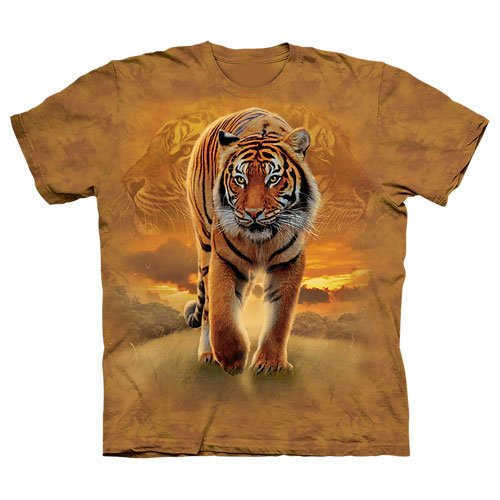
Best Tiger Shirts for Tiger Lovers
Best Tiger Shirts for Tiger Lovers Tiger shirts often miss the mark, leaving fans with dull prints that don’t capture the wild spirit of these majestic cats. If you’ve been hunting for the best tiger apparel that blends bold artistry with comfort, your search ends here. This post highlights tiger print t-shirts and stylish tiger […]
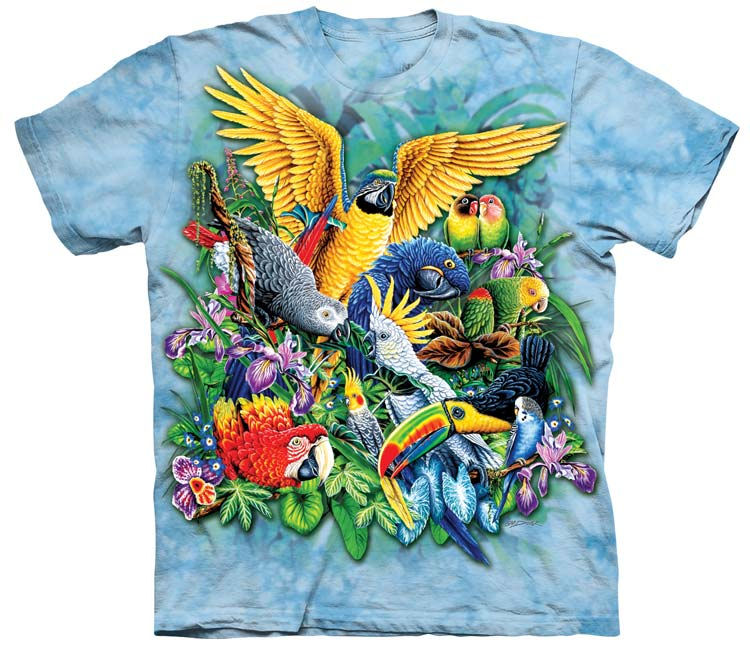
Best Bird Shirts for Bird Lovers
Best Bird Shirts for Bird Lovers Bird shirts aren’t just for casual wear anymore—they’ve become a statement for anyone who loves the colors and charm of feathered friends. If you want bird lover apparel that stands out, you’ll want to see the styles blending art and nature in fresh ways. This post highlights bird-themed t-shirts […]

Best Eagle Shirts for Eagle Lovers
Best Eagle Shirts for Eagle Lovers Eagle shirts don’t have to be ordinary. If you want to wear your passion for these powerful birds with style, the options out there can surprise you. From bold graphic eagle tees to subtle nature inspired clothing, the right eagle apparel makes a statement without sacrificing comfort. Keep reading […]

Best Bear Shirts for Wildlife Lovers
Best Bear Shirts for Wildlife Lovers Most bear shirts out there miss the mark between style and comfort. You want wildlife clothing that feels as good as it looks and truly captures the spirit of these powerful creatures. In this post, you’ll find bear graphic tees that balance charming artwork with bold designs, perfect for […]

Best Animal Shirts for Nature Lovers
Best Animal Shirts for Nature Lovers Forget plain tees that don’t say much about who you are. If you love the wild, your wardrobe should shout it loud and clear with the best animal shirts out there. These nature lover apparel pieces mix eye-catching wildlife graphic tees with comfort and style, perfect for anyone who […]
Follow us on Social Media
Instagram – YouTube – Pinterest – Twitter – Facebook
Alligators – Aquatic – Bears – Big Cats – Birds – Buffalo – Cats – Deer – Dinosaurs – Dogs – Dragons – Eagles – Elephants – Elk – Frogs – Gecko – Giraffes – Horses – Kittens – Moose – Pandas – Snakes – Tigers – Unicorns – Wolves – Cat Shirts – Celtic – Dog Shirts – Dolphins – Dragons – Eagles – Fairies – Horse Shirts – Misc – Native American Indians – Patriotic – Peace – Primates – Religion – Scary – Sci Fi – Skeletons – Tie Dye – Tigers – Wolf Shirts
Interesting Animal Facts and Information
Bald Eagles – Cheetahs – Dolphins – Dinosaurs – Tigers – Lions – Cats – Dogs


Leave A Comment
You must be logged in to post a comment.