
What Do Lions Eat? Unveiling the Lion Diet
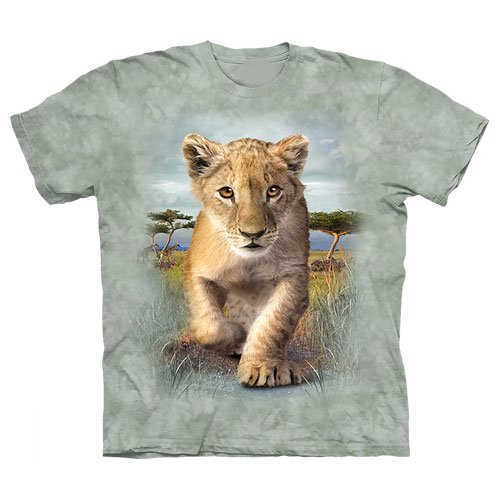
Lions, often dubbed the “kings of the jungle,” have a diet as majestic as their regal status. But what do lions eat? Understanding the lion diet not only reveals fascinating details about these powerful predators but also highlights the intricate balance of their ecosystems. From wildebeest and zebras to smaller animals and even carrion, lions have diverse dietary habits that sustain their strength and social structures. In this article, we will delve into the specifics of what makes up a lion’s menu, providing lion lovers with an in-depth look at the natural eating habits of these magnificent creatures.
Introduction to Lion Diet
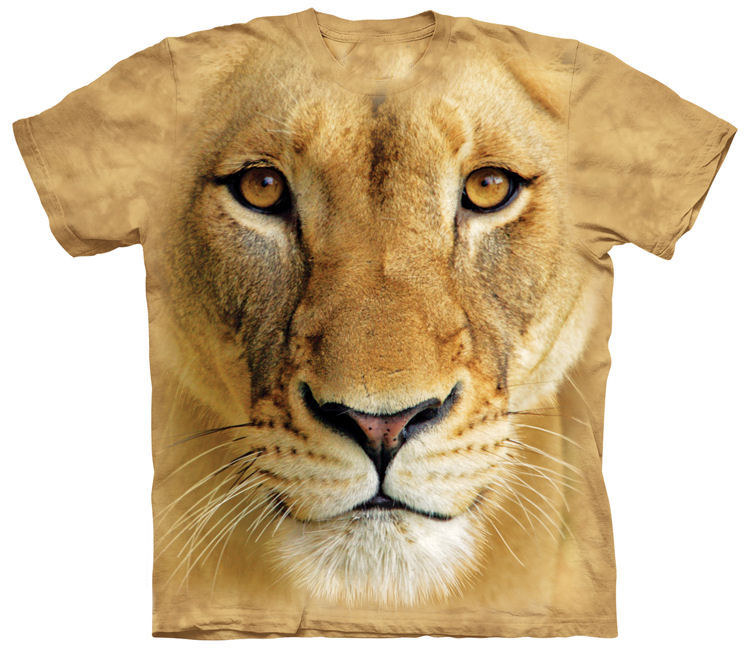
What Do Lions Eat?
Lions primarily prey on large herbivores, which provide the bulk of their diet. The most common prey includes wildebeest, zebras, and buffaloes. These animals are often found in the grasslands and savannas where lions reside. However, the lion diet is not limited to these larger animals. Lions also hunt smaller mammals such as hares and birds when larger prey is scarce. Additionally, lions are opportunistic feeders and will not hesitate to scavenge from the kills of other predators like hyenas or leopards. This diverse diet ensures that lions can maintain their energy levels and social structures, essential for their survival. Understanding what lions eat gives us insight into their hunting strategies and their role in maintaining the ecological balance of their habitats.
Importance of Understanding Lion Diet
Understanding the lion diet is crucial for several reasons. Firstly, it helps conservationists develop effective strategies to protect these magnificent creatures. By knowing what lions eat, conservationists can ensure that the prey populations are healthy and abundant, which in turn supports the lion population. Secondly, studying the lion diet offers insights into their behavior and social structures. For instance, the way lions share their prey can reveal a lot about their hierarchy and bonding within the pride. Lastly, understanding what lions eat helps us comprehend their role in the ecosystem. Lions help control the populations of herbivores, preventing overgrazing and maintaining the balance of their habitats. Thus, knowledge about the lion diet not only fascinates lion lovers but also plays a vital role in their conservation and the health of their ecosystems.
Carnivorous Nature of Lions
Primary Prey of Lions
The primary prey of lions consists mainly of large herbivores residing in the African savannas and grasslands. Among these, wildebeest and zebras are the most frequently hunted due to their abundance and availability. These animals often move in large herds, making them easier targets for lion prides that hunt cooperatively. Buffaloes also form a significant part of the lion diet, although hunting them can be more dangerous due to their size and defensive behavior. Antelopes, such as impalas and gazelles, are also common prey, especially when larger animals are scarce. The choice of prey can vary depending on the region and availability of different species. By primarily targeting these herbivores, lions play a crucial role in regulating their populations, which helps maintain the ecological balance of their habitats. Understanding the primary prey of lions is essential for appreciating their hunting strategies and the dynamics of their ecosystems.
Hunting Techniques and Strategies
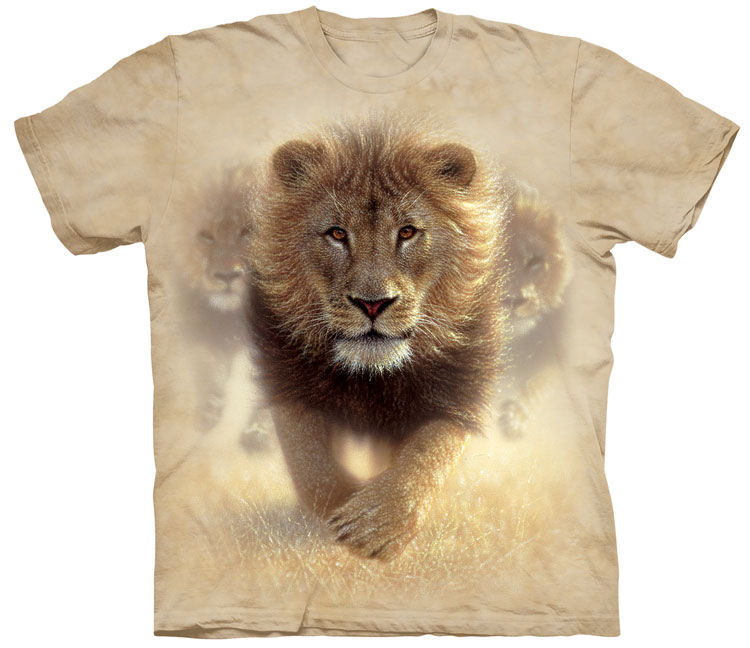
Lions are known for their cooperative hunting techniques and strategies, which increase their chances of a successful kill. Typically, lionesses do most of the hunting while male lions protect the territory and the pride. The hunting process usually involves a combination of stalking and ambushing. Lions use the cover of tall grass and their natural camouflage to get as close as possible to their prey without being detected. Once in range, they use sudden bursts of speed to close the distance rapidly. Coordination among pride members is crucial; they often position themselves strategically to encircle and trap the prey.
During a hunt, lions target vulnerable individuals, such as the young, old, or injured, reducing the risk of injury to themselves. Understanding these hunting techniques and strategies provides valuable insights into the social behavior and survival mechanisms of lions, highlighting their role as apex predators in their ecosystems.

Seasonal Variations in Lion Diet
Dry Season vs Wet Season
The lion diet can vary significantly between the dry and wet seasons, primarily due to changes in prey availability. During the dry season, water sources become scarce, and herbivores congregate around the remaining waterholes. This concentration of prey makes hunting easier for lions, as they can ambush animals coming to drink. However, the dry season also means that prey animals are often weaker and more dehydrated, making them easier targets but providing less nutritional value.
In contrast, the wet season brings an abundance of water and food, leading to a dispersal of herbivores across the landscape. This dispersion makes hunting more challenging for lions, as they need to cover larger areas to find prey. Additionally, the abundance of food during the wet season means that prey animals are healthier and more robust, making them harder to catch. Understanding these seasonal variations helps in comprehending the adaptability and resilience of lions in different environmental conditions.
Impact on Lion Nutrition
The seasonal variations in prey availability significantly impact lion nutrition. During the dry season, although prey is more accessible around waterholes, the nutritional value of these animals is often lower. Dehydrated and weakened herbivores provide less meat and poorer quality nutrition, which can affect the health and energy levels of lions. This period may lead to increased competition among pride members and necessitate more frequent hunting to meet their nutritional needs.
Conversely, the wet season, while more challenging for hunting, offers prey in better nutritional condition. The abundance of water and food leads to healthier, more robust herbivores, which, although harder to catch, provide higher nutritional value once captured. This period allows lions to build up their strength and store energy for the harsher dry season. Understanding the impact of these seasonal changes on lion nutrition is crucial for conservation efforts, as it highlights the importance of maintaining a balanced ecosystem to support the lion population year-round.

Enjoy some interesting animal facts below!

Best Animal T-Shirts for Men Who Love Wildlife
Best Animal T-Shirts for Men Who Love Wildlife Most animal t-shirts blend into the background, leaving your love for wildlife unnoticed. You want shirts that speak louder than words, showcasing majestic lions, soaring eagles, and vibrant marine life with style. This guide highlights the best animal t-shirts for men, combining bold graphics with comfort and […]
Best Tiger Shirts for Tiger Lovers
Best Tiger Shirts for Tiger Lovers Tiger shirts often miss the mark, leaving fans with dull prints that don’t capture the wild spirit of these majestic cats. If you’ve been hunting for the best tiger apparel that blends bold artistry with comfort, your search ends here. This post highlights tiger print t-shirts and stylish tiger […]
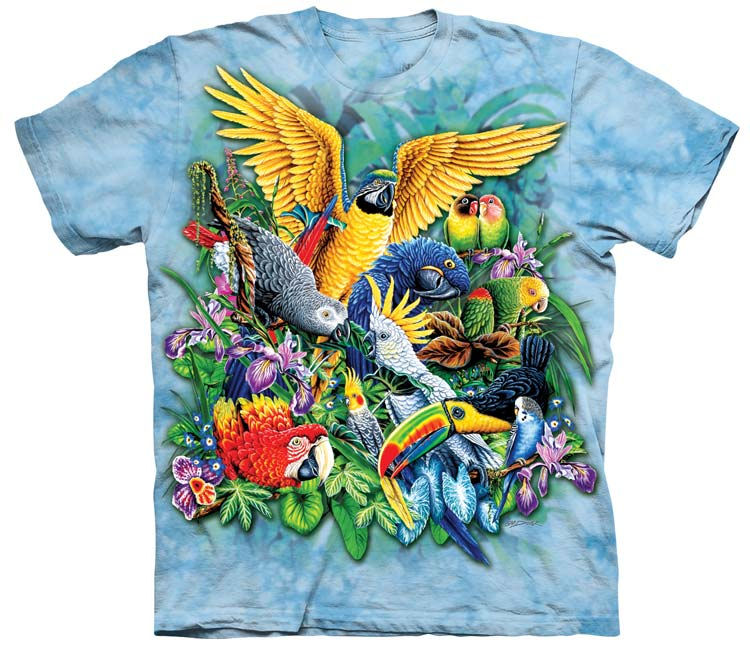
Best Bird Shirts for Bird Lovers
Best Bird Shirts for Bird Lovers Bird shirts aren’t just for casual wear anymore—they’ve become a statement for anyone who loves the colors and charm of feathered friends. If you want bird lover apparel that stands out, you’ll want to see the styles blending art and nature in fresh ways. This post highlights bird-themed t-shirts […]

Best Eagle Shirts for Eagle Lovers
Best Eagle Shirts for Eagle Lovers Eagle shirts don’t have to be ordinary. If you want to wear your passion for these powerful birds with style, the options out there can surprise you. From bold graphic eagle tees to subtle nature inspired clothing, the right eagle apparel makes a statement without sacrificing comfort. Keep reading […]

Best Bear Shirts for Wildlife Lovers
Best Bear Shirts for Wildlife Lovers Most bear shirts out there miss the mark between style and comfort. You want wildlife clothing that feels as good as it looks and truly captures the spirit of these powerful creatures. In this post, you’ll find bear graphic tees that balance charming artwork with bold designs, perfect for […]

Best Animal Shirts for Nature Lovers
Best Animal Shirts for Nature Lovers Forget plain tees that don’t say much about who you are. If you love the wild, your wardrobe should shout it loud and clear with the best animal shirts out there. These nature lover apparel pieces mix eye-catching wildlife graphic tees with comfort and style, perfect for anyone who […]
Follow us on Social Media
Instagram – YouTube – Pinterest – Twitter – Facebook
Alligators – Aquatic – Bears – Big Cats – Birds – Buffalo – Cats – Deer – Dinosaurs – Dogs – Dragons – Eagles – Elephants – Elk – Frogs – Gecko – Giraffes – Horses – Kittens – Moose – Pandas – Snakes – Tigers – Unicorns – Wolves – Cat Shirts – Celtic – Dog Shirts – Dolphins – Dragons – Eagles – Fairies – Horse Shirts – Misc – Native American Indians – Patriotic – Peace – Primates – Religion – Scary – Sci Fi – Skeletons – Tie Dye – Tigers – Wolf Shirts
Interesting Animal Facts and Information
Bald Eagles – Cheetahs – Dolphins – Dinosaurs – Tigers – Lions – Cats – Dogs



Leave A Comment
You must be logged in to post a comment.