
Wolves vs. Dogs: Unleashing the Wild Differences and How They Shape Our Favorite Canine Companions
Wolves and dogs may share a common ancestry, but their journeys through evolution have unleashed some fascinating differences that shape our beloved canine companions today. While wolves embody the untamed spirit of the wild, dogs have been our loyal partners, adapting to human companionship and lifestyles over thousands of years. From their physical traits to their distinctive canine behavior, understanding the difference between wolves and dogs offers insights into the diverse dog breeds that bring joy to our lives. In this piece, we’ll explore how the wolf’s majestic traits contrast with the endearing qualities of dogs, connecting with fellow animal lovers while sharing some eco-friendly and animal-themed fashion tips to celebrate these magnificent creatures.
Origins and Evolution
Ancestral Roots of Wolves and Dogs
The ancestral roots of wolves and dogs trace back to a shared lineage that diverged around 20,000 to 40,000 years ago. This split led to the emergence of the modern-day wolf and the ancestor of all dogs. Wolves, with their pack-oriented and survival-driven behaviors, continued to roam the wild. In contrast, the early ancestors of dogs began forming symbiotic relationships with humans. This bond was mutually beneficial, as humans provided food and protection while early dogs offered companionship and assistance in hunting. Over time, selective breeding by humans emphasized traits like loyalty, trainability, and friendliness in dogs, setting them apart from their wild relatives. Today, this evolutionary journey is evident in the vast array of dog breeds, each with unique characteristics derived from their ancient wolf forebears. Understanding these roots helps us appreciate the unique paths both wolves and dogs have taken through history.
Divergence in Habitats and Roles
The divergence between wolves and dogs is strikingly evident in their habitats and roles. Wolves thrive in a variety of wild environments, from arctic tundras to dense forests, showcasing their adaptability and survival skills. Pack dynamics play a crucial role in their lives, where social structures and hunting strategies are meticulously coordinated. In contrast, dogs have adapted to life alongside humans, filling diverse roles in domestic settings. From being loyal companions and guardians to working as service animals and hunters, dogs have integrated into human society in countless ways. This shift from wild to domestic life has influenced their behaviors and physical traits, as different dog breeds have been developed to suit specific tasks and lifestyles. While wolves continue to embody the untamed spirit of the wild, dogs have become integral to human communities, highlighting the profound impact of their divergent evolutionary paths. Understanding these differences enriches our appreciation for both species.
Physical and Behavioral Traits
Distinctive Physical Features
Wolves and dogs exhibit notable differences in their physical features, largely due to their divergent evolutionary paths. Wolves are generally larger, with long legs, narrow chests, and broad heads. Their fur is dense, providing insulation against harsh climates, and their tails are bushy, often carried straight or slightly curved. These characteristics are tailored for survival in the wild, aiding in endurance and camouflage.
Dogs, on the other hand, come in a staggering array of shapes and sizes, thanks to selective breeding by humans. From the tiny Chihuahua to the towering Great Dane, dog breeds exhibit a wide variety of physical traits. These variations reflect the specific roles dogs have been bred for, such as herding, hunting, or companionship. While some dogs retain wolf-like features, others have distinct characteristics like floppy ears or curled tails. This diversity in dog breeds underscores the adaptability and versatility that have allowed dogs to thrive alongside humans.
Comparing Canine and Wolf Behavior
The behavior of dogs and wolves reveals fascinating contrasts shaped by their environments and relationships with humans. Wolves exhibit highly structured social behaviors within their packs, where every member has a role, from the dominant alpha to subordinate members. Their communication relies heavily on vocalizations like howls, which coordinate hunting and reinforce social bonds. Wolves’ keenness for independence and survival skills are paramount in their wild habitats.
Conversely, dogs have adapted behaviors that align with human companionship. Their social structure is less rigid, often shaped by interactions with humans rather than pack dynamics. Dogs are generally more dependent on humans for affection, guidance, and sustenance, showcasing a wide range of personalities from playful to protective. Training and domestication have fostered their ability to communicate with humans through barks, whines, and body language. This behavioral divergence highlights the profound impact of domestication and the unique bond that has developed between dogs and humans over millennia.
Human Interaction and Domestication
The Journey from Wolf to Dog
The transition from wolf to dog is a remarkable journey of adaptation and mutual benefit. It began when humans and wolves first crossed paths, likely drawn together by shared interests in hunting and survival. Over time, certain wolves exhibited traits that made them more amenable to human interaction, such as reduced aggression and increased curiosity. These wolves found advantages in associating with human groups, gaining access to food and shelter.
As humans recognized these benefits, they began to encourage the presence of wolves that displayed these favorable traits. Selective breeding helped reinforce traits like friendliness, obedience, and decreased fear of humans, gradually transforming wolves into the domestic dogs we know today. This process of domestication resulted in dogs becoming deeply integrated into human societies, serving roles from protectors to companions. The journey from wolf to dog highlights the power of adaptation and the deep, enduring bond that has formed between humans and their canine companions.
Influence on Modern Dog Breeds
The domestication journey from wolf to dog has profoundly influenced the variety of modern dog breeds we see today. As humans traveled and settled in different environments, they bred dogs for specific tasks and traits, resulting in the diverse breeds we cherish. From herding sheep in rugged landscapes to retrieving game from water, each breed was developed with purpose and precision.
Selective breeding emphasized traits that suited human needs, such as intelligence, size, temperament, and coat type. This resulted in the creation of breeds like the Border Collie for herding, the Labrador Retriever for hunting, and the Chihuahua for companionship. Each breed reflects a unique combination of physical and behavioral traits honed over generations.
The influence of domestication and human interaction is evident in the adaptability and versatility of modern dog breeds. This intricate selective breeding process celebrates the enduring partnership between humans and dogs, showcasing the remarkable evolution from wild wolves to beloved family members.
Enjoy some interesting animal facts below!
Best Animal T-Shirts for Men Who Love Wildlife
Best Animal T-Shirts for Men Who Love Wildlife Most animal t-shirts blend into the background, leaving your love for wildlife unnoticed. You want shirts that speak louder than words, showcasing majestic lions, soaring eagles, and vibrant marine life with style. This guide highlights the best animal t-shirts for men, combining bold graphics with comfort and […]
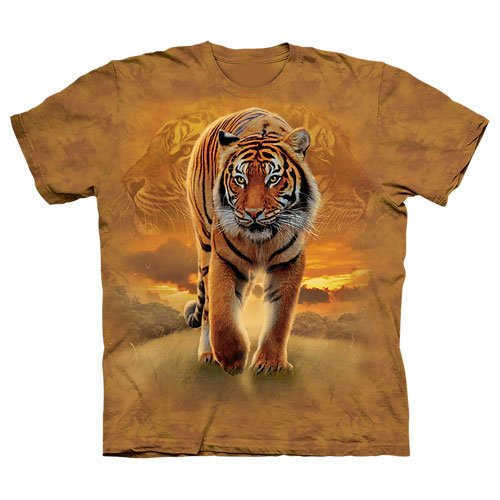
Best Tiger Shirts for Tiger Lovers
Best Tiger Shirts for Tiger Lovers Tiger shirts often miss the mark, leaving fans with dull prints that don’t capture the wild spirit of these majestic cats. If you’ve been hunting for the best tiger apparel that blends bold artistry with comfort, your search ends here. This post highlights tiger print t-shirts and stylish tiger […]
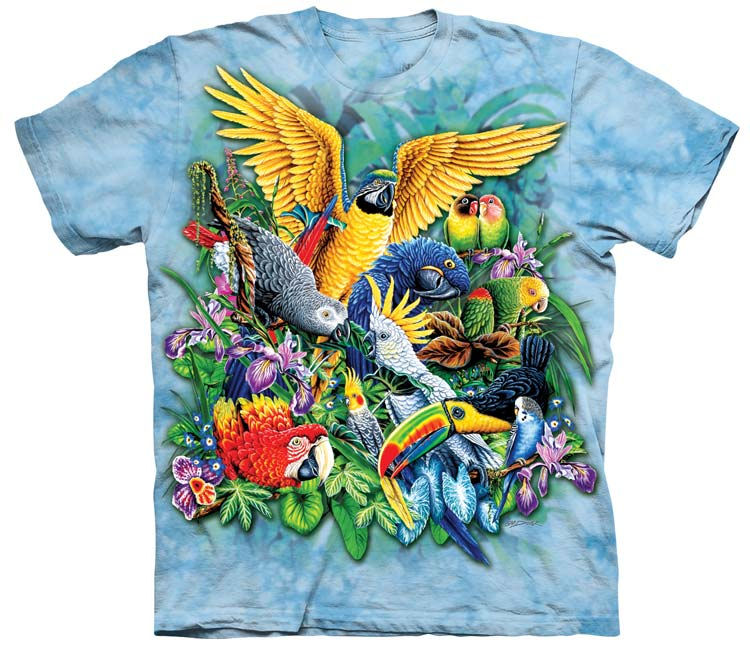
Best Bird Shirts for Bird Lovers
Best Bird Shirts for Bird Lovers Bird shirts aren’t just for casual wear anymore—they’ve become a statement for anyone who loves the colors and charm of feathered friends. If you want bird lover apparel that stands out, you’ll want to see the styles blending art and nature in fresh ways. This post highlights bird-themed t-shirts […]

Best Eagle Shirts for Eagle Lovers
Best Eagle Shirts for Eagle Lovers Eagle shirts don’t have to be ordinary. If you want to wear your passion for these powerful birds with style, the options out there can surprise you. From bold graphic eagle tees to subtle nature inspired clothing, the right eagle apparel makes a statement without sacrificing comfort. Keep reading […]

Best Bear Shirts for Wildlife Lovers
Best Bear Shirts for Wildlife Lovers Most bear shirts out there miss the mark between style and comfort. You want wildlife clothing that feels as good as it looks and truly captures the spirit of these powerful creatures. In this post, you’ll find bear graphic tees that balance charming artwork with bold designs, perfect for […]

Best Animal Shirts for Nature Lovers
Best Animal Shirts for Nature Lovers Forget plain tees that don’t say much about who you are. If you love the wild, your wardrobe should shout it loud and clear with the best animal shirts out there. These nature lover apparel pieces mix eye-catching wildlife graphic tees with comfort and style, perfect for anyone who […]
Follow us on Social Media
Instagram – YouTube – Pinterest – Twitter – Facebook
Alligators – Aquatic – Bears – Big Cats – Birds – Buffalo – Cats – Deer – Dinosaurs – Dogs – Dragons – Eagles – Elephants – Elk – Frogs – Gecko – Giraffes – Horses – Kittens – Moose – Pandas – Snakes – Tigers – Unicorns – Wolves – Cat Shirts – Celtic – Dog Shirts – Dolphins – Dragons – Eagles – Fairies – Horse Shirts – Misc – Native American Indians – Patriotic – Peace – Primates – Religion – Scary – Sci Fi – Skeletons – Tie Dye – Tigers – Wolf Shirts
Interesting Animal Facts and Information
Bald Eagles – Cheetahs – Dolphins – Dinosaurs – Tigers – Lions – Cats – Dogs


Leave A Comment
You must be logged in to post a comment.