
Why Horses Sleep Standing Up: Unraveling the Mystery of Equine Behavior
Have you ever wondered why horses sleep standing up? It seems like a quirky bit of equine behavior, but there’s more to it than meets the eye. Just like our eco-friendly and animal-themed tees, which are designed to keep both you and the planet comfy, horses have adapted their sleeping habits to ensure their safety and comfort. Understanding horse sleep patterns can be as fascinating as choosing the perfect sustainable t-shirt for your next adventure. So, saddle up for a fun ride into the world of horse sleeping habits and discover why these majestic creatures have adopted such a unique way of catching their Z’s.
The Science Behind Standing Sleep
Evolutionary Advantages for Horses
Horses sleeping standing up isn’t just a quirky trait—it’s a smart evolutionary advantage. In the wild, horses are prey animals, and being able to spring into action at a moment’s notice is crucial for survival. Standing sleep allows horses to rest while staying on high alert. Unlike humans, horses have a unique adaptation called the “stay apparatus.” This is a system of tendons and ligaments that lock their legs in place, enabling them to relax without collapsing. This nifty feature means they can catch some Z’s without being vulnerable to predators. Over time, this adaptation has become ingrained in horse sleeping habits, ensuring they can stay safe while getting the rest they need. Understanding horse sleep patterns gives us insight into how these majestic animals have thrived in the wild. It’s a fascinating glimpse into equine behavior and the natural world, much like the unique designs of our animal-themed tees.
How Sleep Patterns Affect Equine Behavior
Understanding horse sleep patterns offers a window into equine behavior and how it impacts their daily lives. Horses have a unique sleep cycle divided into short bouts of light sleep while standing and deeper sleep when lying down. This balance allows them to stay alert yet rested. When horses don’t get enough sleep, it can affect their mood and behavior. They might become irritable, less cooperative, or even exhibit signs of stress. Just like us, a good night’s sleep is crucial for a horse’s well-being and performance. Moreover, their social environment can influence their sleep. Horses in a stable, secure setting with a trusted herd tend to rest better. Observing and understanding these patterns helps horse owners ensure their equine companions have an optimal living environment. Much like choosing the right materials for eco-friendly clothing, understanding these nuances ensures that horses thrive, both physically and behaviorally.
The Anatomy of a Standing Nap
The Role of the Stay Apparatus
The stay apparatus is a remarkable feature of equine anatomy that makes standing sleep possible. It’s like a built-in hammock for horses, allowing them to rest without lying down completely. This mechanism involves a complex interplay of tendons and ligaments that lock the major joints of the horse’s legs. This locking system provides support without muscular effort, meaning horses can relax while standing. It’s an energy-efficient way to rest, reducing fatigue in their leg muscles. This adaptation is crucial for maintaining alertness and readiness to flee from predators. The stay apparatus also ensures that horses can conserve energy when needed, an essential trait for survival in the wild. This fascinating aspect of their physiology sheds light on why horses sleep this way, offering insights into their natural behaviors. It’s a perfect example of how nature tailors creatures to their environments, much like how our eco-friendly tees are designed with sustainability in mind.
Comparing Horse Sleeping Habits
When comparing horse sleeping habits to those of other animals, the uniqueness of equine behavior becomes apparent. Unlike most mammals, horses spend a significant portion of their rest periods standing. This trait sets them apart from other large herbivores like cattle or deer, which lie down more frequently for rest. Horses typically lie down for only short periods to achieve REM sleep, the deepest sleep stage essential for their mental health. In contrast, many predators, like lions or domestic cats, lie down for extended periods to rest, as they’re less vulnerable during sleep. For horses, lying down for too long can be risky due to their size, which can put pressure on their internal organs and legs. This comparison emphasizes the importance of the stay apparatus in horse sleeping habits, showcasing an adaptation that balances rest with survival needs. Understanding these differences helps us appreciate the diverse ways animals have evolved to suit their environments.
Debunking Myths About Horse Sleep
Understanding Horse Sleep Patterns
Understanding horse sleep patterns is key to debunking common myths about these majestic animals. A prevalent misconception is that horses never lie down to sleep. In reality, while they do spend a lot of time resting on their feet, they still need to lie down for a portion of their sleep to enter REM sleep. This deep sleep stage is crucial for their overall health and cognitive function. Horses usually lie down for short periods—about two to three hours a day—to achieve this. It’s also a myth that horses can sleep indefinitely while standing. They require a mix of both standing and lying down to meet their rest needs fully. These patterns highlight the adaptability of horse sleeping habits, designed to balance safety with physiological rest needs. Dispel these myths, and you’ll get a clearer view of equine behavior. It’s much like understanding the benefits of sustainable fashion, where knowledge leads to better choices.
Why Do Horses Sleep This Way?
Why do horses sleep this way—standing up and occasionally lying down? The answer lies in a mix of evolution and necessity. Standing sleep allows horses to remain vigilant in their natural habitat, providing a quick escape from potential predators. This is crucial for survival, as their large size and social nature make them vulnerable when lying down. The stay apparatus plays a pivotal role, enabling them to rest efficiently without risking collapse. However, horses also need to lie down to enter REM sleep, the deep sleep necessary for processing memories and restoring their bodies. This balance ensures that horses meet their rest needs while staying safe. Their sleeping habits reflect an evolutionary balance between rest and readiness. Understanding these behaviors not only deepens our appreciation of equine behavior but also highlights the intricate ways animals adapt to their environments. It’s as enlightening as learning the benefits of choosing eco-friendly materials in fashion.
Enjoy some interesting animal facts below!
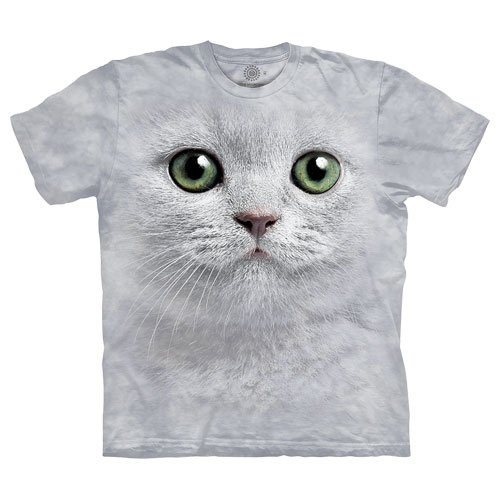
Best Animal T-Shirts for Men Who Love Wildlife
Best Animal T-Shirts for Men Who Love Wildlife Most animal t-shirts blend into the background, leaving your love for wildlife unnoticed. You want shirts that speak louder than words, showcasing majestic lions, soaring eagles, and vibrant marine life with style. This guide highlights the best animal t-shirts for men, combining bold graphics with comfort and […]
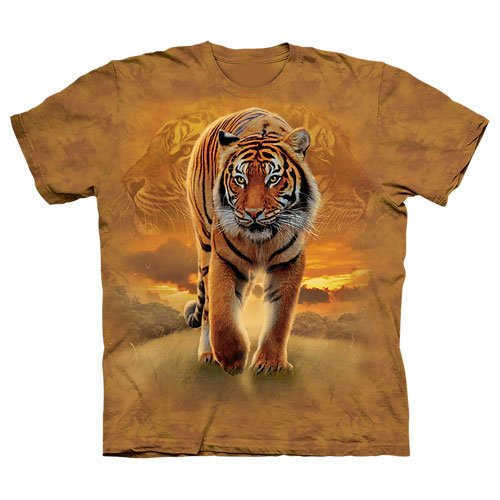
Best Tiger Shirts for Tiger Lovers
Best Tiger Shirts for Tiger Lovers Tiger shirts often miss the mark, leaving fans with dull prints that don’t capture the wild spirit of these majestic cats. If you’ve been hunting for the best tiger apparel that blends bold artistry with comfort, your search ends here. This post highlights tiger print t-shirts and stylish tiger […]
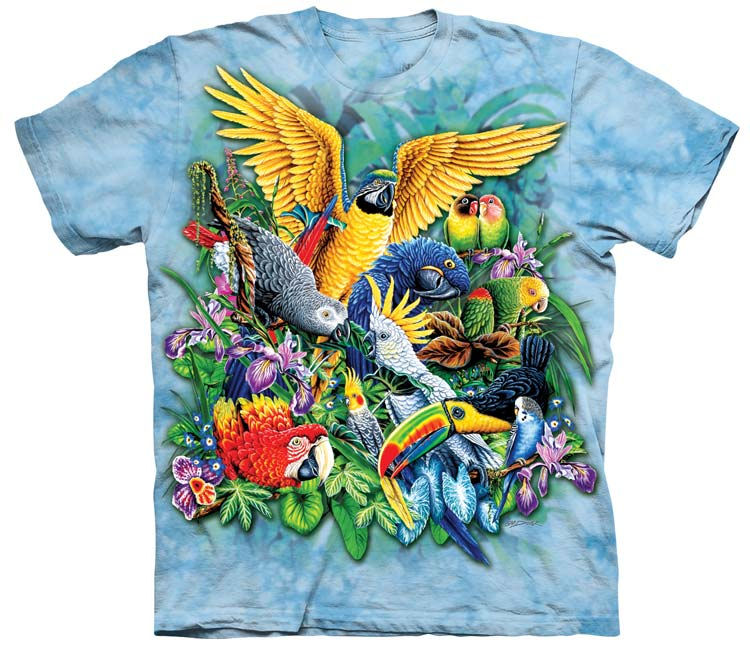
Best Bird Shirts for Bird Lovers
Best Bird Shirts for Bird Lovers Bird shirts aren’t just for casual wear anymore—they’ve become a statement for anyone who loves the colors and charm of feathered friends. If you want bird lover apparel that stands out, you’ll want to see the styles blending art and nature in fresh ways. This post highlights bird-themed t-shirts […]

Best Eagle Shirts for Eagle Lovers
Best Eagle Shirts for Eagle Lovers Eagle shirts don’t have to be ordinary. If you want to wear your passion for these powerful birds with style, the options out there can surprise you. From bold graphic eagle tees to subtle nature inspired clothing, the right eagle apparel makes a statement without sacrificing comfort. Keep reading […]

Best Bear Shirts for Wildlife Lovers
Best Bear Shirts for Wildlife Lovers Most bear shirts out there miss the mark between style and comfort. You want wildlife clothing that feels as good as it looks and truly captures the spirit of these powerful creatures. In this post, you’ll find bear graphic tees that balance charming artwork with bold designs, perfect for […]

Best Animal Shirts for Nature Lovers
Best Animal Shirts for Nature Lovers Forget plain tees that don’t say much about who you are. If you love the wild, your wardrobe should shout it loud and clear with the best animal shirts out there. These nature lover apparel pieces mix eye-catching wildlife graphic tees with comfort and style, perfect for anyone who […]
Follow us on Social Media
Instagram – YouTube – Pinterest – Twitter – Facebook
Alligators – Aquatic – Bears – Big Cats – Birds – Buffalo – Cats – Deer – Dinosaurs – Dogs – Dragons – Eagles – Elephants – Elk – Frogs – Gecko – Giraffes – Horses – Kittens – Moose – Pandas – Snakes – Tigers – Unicorns – Wolves – Cat Shirts – Celtic – Dog Shirts – Dolphins – Dragons – Eagles – Fairies – Horse Shirts – Misc – Native American Indians – Patriotic – Peace – Primates – Religion – Scary – Sci Fi – Skeletons – Tie Dye – Tigers – Wolf Shirts
Interesting Animal Facts and Information
Bald Eagles – Cheetahs – Dolphins – Dinosaurs – Tigers – Lions – Cats – Dogs


Leave A Comment
You must be logged in to post a comment.