
The Science Behind Why Cats Land on Their Feet
Cats are known for their incredible agility and grace, often mesmerizing us with their ability to land on their feet after a fall. But why do cats land on their feet? This seemingly magical feat is actually the result of a complex combination of anatomical and physiological traits that have evolved over millions of years. From their flexible spine and lack of a collarbone to their highly developed vestibular system, cats possess a unique set of characteristics that enable them to right themselves mid-air. In this article, we will delve into the science behind this fascinating phenomenon, uncovering the secrets that explain why cats land on their feet.
The Cat Righting Reflex
Evolutionary Adaptation
Cats have evolved over millions of years to develop the righting reflex, a critical survival mechanism. This reflex allows cats to land on their feet, minimizing injuries from falls. Early feline ancestors, who lived in trees and other high places, needed to navigate their environments with agility and precision. Those with a more developed righting reflex were more likely to survive and reproduce, passing this trait on to their descendants.
Over time, natural selection favored cats with enhanced balance and coordination, leading to the sophisticated righting reflex seen in modern cats. This evolutionary adaptation is not just about landing on their feet but also about ensuring their survival in a variety of environments. The righting reflex has thus become an essential trait that distinguishes cats from many other animals, showcasing their unique evolutionary journey.
Physics of the Fall
The physics behind why cats land on their feet involves a fascinating interplay of motion and balance. When a cat begins to fall, it first determines its orientation using its vestibular system. This inner ear mechanism helps the cat understand which way is up or down. Next, the cat’s body undergoes a series of rapid twists and turns.
Initially, the cat bends its body in the middle, allowing its front and back halves to rotate independently. By twisting its front half in one direction and its back half in the opposite direction, the cat starts to right itself. This motion is known as angular momentum, which helps the cat rotate without needing an external force.
Finally, the cat extends its legs to increase air resistance, slowing its descent and preparing for a soft landing. Altogether, these actions enable cats to land on their feet, demonstrating an extraordinary application of physical principles.
Role of the Cat Spine
The cat’s spine plays a crucial role in the righting reflex, allowing them to land on their feet with remarkable agility. Unlike in humans, the cat’s spine is incredibly flexible, composed of more vertebrae and specialized joints that enable a wide range of motion. This flexibility allows cats to twist and contort their bodies mid-air, facilitating the rapid adjustments needed to right themselves during a fall.
Moreover, the lack of a collarbone in cats provides an additional range of motion for their front limbs. This anatomical feature allows them to stretch their front legs forward and backward more freely, aiding in their ability to control their orientation while falling.
The combination of a highly flexible spine and the absence of a collarbone means that cats can execute the complex movements required to land on their feet. This extraordinary spinal adaptability is a key factor in why cats land on their feet so effortlessly.
How Cats Learn to Land
Kitten Development Stages
Kittens are not born with the innate ability to land on their feet; rather, they develop this skill through various stages of growth. In the first few weeks of life, kittens rely heavily on their mothers for movement and protection. As they begin to explore their surroundings, usually around three to four weeks old, they start to develop coordination and balance.
Around six to seven weeks, kittens engage in playful activities like jumping, climbing, and mock hunting. These activities are crucial for honing their righting reflex. During this time, their vestibular system matures, allowing them to better understand their body orientation in space.
By the age of eight to ten weeks, most kittens have developed a reliable righting reflex. They can adjust their bodies mid-air to ensure they land on their feet. This developmental process highlights the importance of play and exploration in teaching young cats how to navigate their environment safely.
Instinct vs. Learned Behavior
While the righting reflex in cats is often considered an instinct, it also involves a significant amount of learned behavior. Instinctively, cats have the physical attributes necessary for landing on their feet—such as a flexible spine and a keen sense of balance. However, the refinement of this ability often comes through practice and experience.
Young kittens, during their developmental stages, engage in play that mimics the actions required for the righting reflex. Activities like jumping, climbing, and falling from low heights help them practice and perfect their ability to land on their feet. These experiences teach them how to coordinate their movements and fine-tune their balance.
Therefore, while the foundational aspects of the righting reflex are ingrained, the skill is honed over time through trial and error. This combination of instinct and learned behavior ensures that adult cats are adept at landing on their feet in various situations.

Impact of Environment
The environment in which a cat grows up plays a significant role in how effectively it learns to land on its feet. Cats that are exposed to varied and stimulating surroundings tend to develop their righting reflex more efficiently. These environments provide the necessary challenges that require cats to practice their balancing and coordination skills.
For instance, a home with multiple levels, furniture, and climbing structures offers ample opportunities for kittens to jump, fall, and learn how to right themselves. Outdoor cats, who encounter trees, fences, and uneven terrain, are also likely to develop a more refined righting reflex due to their need to navigate complex environments.
Conversely, cats raised in less stimulating environments may not have the same opportunities to practice and perfect their righting abilities. Therefore, providing a dynamic environment is crucial for helping cats develop the skills they need to land on their feet, ensuring their safety and agility as they grow.
Enjoy some interesting animal facts below!
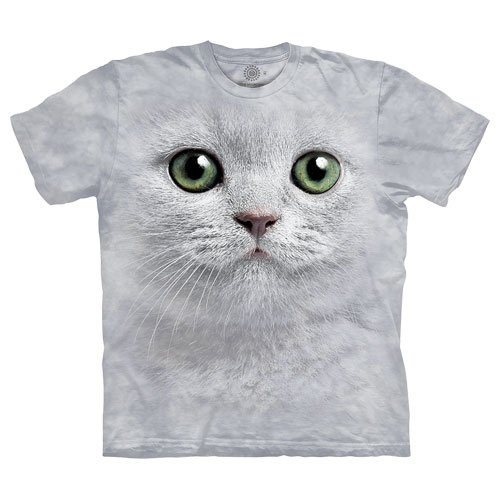
Best Animal T-Shirts for Men Who Love Wildlife
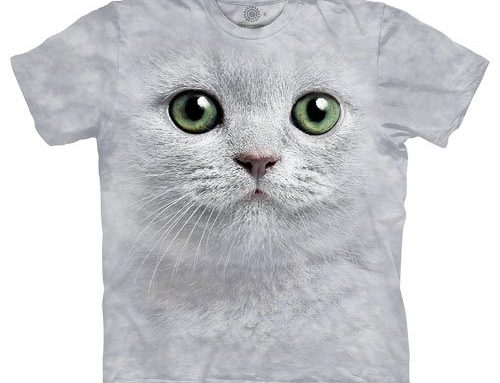
Best Animal T-Shirts for Men Who Love Wildlife Most animal t-shirts blend into the background, leaving your love for wildlife unnoticed. You want shirts that speak louder than words, showcasing majestic lions, soaring eagles, and vibrant marine life with style. This guide highlights the best animal t-shirts for men, combining bold graphics with comfort and […]
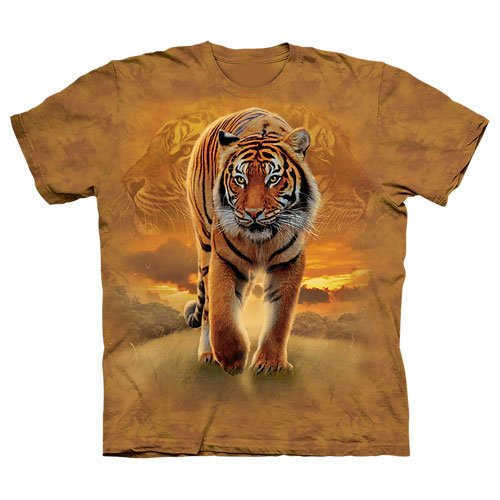
Best Tiger Shirts for Tiger Lovers
Best Tiger Shirts for Tiger Lovers Tiger shirts often miss the mark, leaving fans with dull prints that don’t capture the wild spirit of these majestic cats. If you’ve been hunting for the best tiger apparel that blends bold artistry with comfort, your search ends here. This post highlights tiger print t-shirts and stylish tiger […]
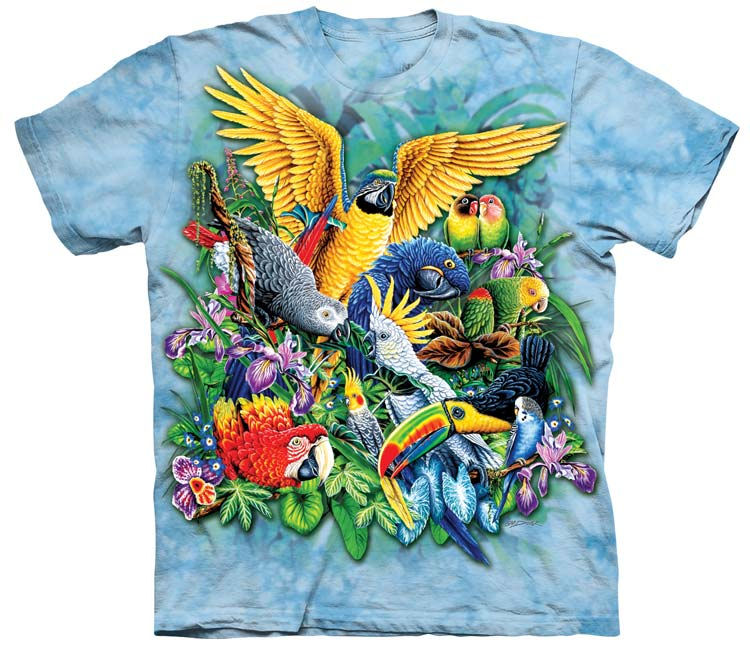
Best Bird Shirts for Bird Lovers
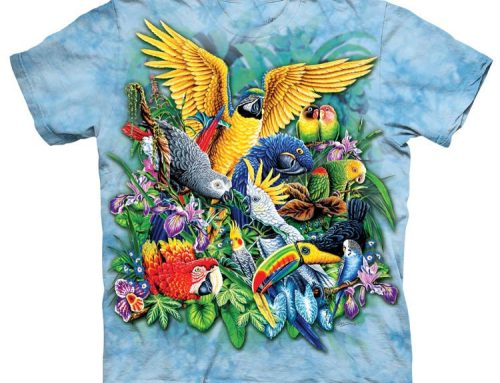
Best Bird Shirts for Bird Lovers Bird shirts aren’t just for casual wear anymore—they’ve become a statement for anyone who loves the colors and charm of feathered friends. If you want bird lover apparel that stands out, you’ll want to see the styles blending art and nature in fresh ways. This post highlights bird-themed t-shirts […]

Best Eagle Shirts for Eagle Lovers
Best Eagle Shirts for Eagle Lovers Eagle shirts don’t have to be ordinary. If you want to wear your passion for these powerful birds with style, the options out there can surprise you. From bold graphic eagle tees to subtle nature inspired clothing, the right eagle apparel makes a statement without sacrificing comfort. Keep reading […]

Best Bear Shirts for Wildlife Lovers
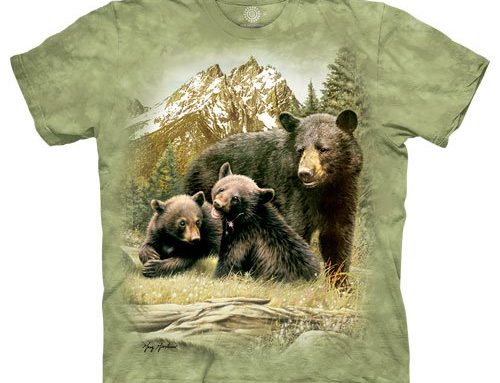
Best Bear Shirts for Wildlife Lovers Most bear shirts out there miss the mark between style and comfort. You want wildlife clothing that feels as good as it looks and truly captures the spirit of these powerful creatures. In this post, you’ll find bear graphic tees that balance charming artwork with bold designs, perfect for […]
Best Animal Shirts for Nature Lovers
Best Animal Shirts for Nature Lovers Forget plain tees that don’t say much about who you are. If you love the wild, your wardrobe should shout it loud and clear with the best animal shirts out there. These nature lover apparel pieces mix eye-catching wildlife graphic tees with comfort and style, perfect for anyone who […]
Follow us on Social Media
Instagram – YouTube – Pinterest – Twitter – Facebook
Alligators – Aquatic – Bears – Big Cats – Birds – Buffalo – Cats – Deer – Dinosaurs – Dogs – Dragons – Eagles – Elephants – Elk – Frogs – Gecko – Giraffes – Horses – Kittens – Moose – Pandas – Snakes – Tigers – Unicorns – Wolves – Cat Shirts – Celtic – Dog Shirts – Dolphins – Dragons – Eagles – Fairies – Horse Shirts – Misc – Native American Indians – Patriotic – Peace – Primates – Religion – Scary – Sci Fi – Skeletons – Tie Dye – Tigers – Wolf Shirts
Interesting Animal Facts and Information
Bald Eagles – Cheetahs – Dolphins – Dinosaurs – Tigers – Lions – Cats – Dogs


Leave A Comment
You must be logged in to post a comment.