
Why are Cheetahs Endangered?
Cheetah conservation is an urgent and pivotal issue for wildlife enthusiasts, conservationists, and anyone passionate about preserving endangered species. With cheetah populations experiencing alarming declines due to habitat loss, poaching, and human-wildlife conflict, innovative approaches to wildlife protection have become crucial. This piece will explore the threats to cheetahs, focusing on creative conservation efforts that aim to save the cheetah and restore its natural habitat. By understanding and addressing these challenges, we can work together to protect this majestic species for future generations. Join us as we delve into the strategies and initiatives making a difference in cheetah conservation today.
Understanding Cheetah Conservation
Importance of Cheetah Conservation
Cheetah conservation is vital for maintaining biodiversity and ecological balance. As apex predators, cheetahs play a crucial role in controlling prey populations, which in turn supports the health of grasslands and savannas. Protecting cheetahs helps preserve these ecosystems that many other species depend on. Moreover, cheetahs are iconic symbols of the wild, representing the need to protect endangered species. Conservation efforts not only aim to save the cheetah but also promote broader wildlife protection initiatives. By focusing on cheetah habitat restoration and addressing threats to cheetahs, we contribute to safeguarding their future. Additionally, cheetah conservation can enhance local economies through eco-tourism, providing sustainable livelihoods for communities. Understanding why these efforts matter encourages more people to engage in initiatives to halt cheetah population decline and ensure their survival for future generations.
Cheetah Habitat Challenges
Cheetah habitats face numerous challenges that threaten their survival. Habitat loss, primarily due to human expansion for agriculture and infrastructure, has drastically reduced the areas where cheetahs can thrive. Fragmented landscapes isolate cheetah populations, making it difficult for them to find mates and sustain genetic diversity. Additionally, human-wildlife conflict arises as cheetahs encroach on farmland, often resulting in retaliatory killings to protect livestock. This further exacerbates cheetah population decline. Diminished prey availability, due to overhunting by humans, also impacts their ability to survive in the wild. Addressing these habitat challenges is essential for effective cheetah conservation. Efforts to restore and connect fragmented habitats, along with community engagement, are vital to creating a coexistence strategy. By focusing on these issues, conservationists aim to improve cheetah habitat conditions, ultimately contributing to the broader goal of wildlife protection and the preservation of endangered species.
Threats to Cheetah Populations
Cheetah populations are under severe threat from a combination of factors. Poaching for their skins and illegal pet trade significantly contribute to their decline. Moreover, cheetahs face intense competition from larger predators like lions and hyenas, which can result in loss of prey and territory. Human-wildlife conflict also poses a significant threat, as farmers often kill cheetahs to protect their livestock. In addition, climate change alters their habitats, affecting the availability of water and prey. These collective threats exacerbate the vulnerability of cheetahs, contributing to their endangered status. Addressing these issues is essential for effective wildlife protection. Conservation efforts focus on anti-poaching measures, legal protections, and community-based solutions to mitigate human-cheetah conflicts. By tackling these threats, we can work towards stabilizing and eventually increasing cheetah populations, ensuring that these majestic creatures continue to roam their natural habitats for generations to come.
Innovative Conservation Efforts
Modern Wildlife Protection Strategies
Modern wildlife protection strategies for cheetah conservation leverage technology and community involvement to address threats effectively. One approach includes using GPS collars to track cheetah movements, providing data that helps conservationists understand their range and habitat needs. This information is crucial for habitat restoration and planning protected corridors. Furthermore, conservationists employ drones for surveillance, monitoring poaching activities and ensuring the safety of cheetahs in the wild. Community engagement is another key strategy, focusing on education and creating incentives for locals to protect cheetahs. Programs that offer compensation for livestock losses and promote eco-tourism create economic benefits for communities, reducing human-wildlife conflict. Additionally, breeding programs and genetic research contribute to maintaining healthy cheetah populations. By integrating these modern approaches, conservation efforts aim to create sustainable solutions that not only save the cheetah but also promote broader wildlife protection and habitat restoration.
Community Involvement in Conservation
Community involvement is crucial for the success of cheetah conservation efforts. Local communities are often at the frontline of human-wildlife conflict, making their engagement essential for creating effective solutions. Conservation programs that educate residents about the importance of cheetahs and provide training on conflict mitigation techniques can foster a sense of stewardship. Incentives such as compensation schemes for livestock losses and support for sustainable agricultural practices help reduce hostility towards cheetahs. Furthermore, eco-tourism initiatives can offer financial benefits, encouraging communities to protect their natural environment and cheetah populations. By involving local people in decision-making processes, conservationists ensure that strategies are culturally sensitive and sustainable. This participatory approach not only aids in wildlife protection but also promotes social and economic development. Ultimately, fostering a collaborative relationship between conservationists and communities is key to achieving long-term success in cheetah conservation and the broader goal of preserving endangered species.
Technology in Cheetah Conservation
Technology plays a pivotal role in advancing cheetah conservation efforts. The use of GPS collars is instrumental in tracking cheetah movements and collecting data on their behavior and habitat preferences. This real-time information allows conservationists to identify critical areas for habitat protection and to establish wildlife corridors that facilitate safe passage. Additionally, drones are increasingly used for monitoring cheetah populations and detecting poaching activities. These aerial technologies provide a cost-effective way to survey large and remote areas, enhancing surveillance capabilities. Advances in genetic research also contribute to conservation efforts by helping maintain genetic diversity within cheetah populations, which is crucial for long-term species survival. Camera traps and remote sensing technologies offer further insights into cheetah ecology and the effectiveness of conservation strategies. By integrating these technological tools, conservationists can implement more targeted and efficient measures to save the cheetah, ensuring this endangered species continues to thrive in its natural habitat.
Future of Endangered Species
Reversing Cheetah Population Decline
Reversing the decline in cheetah populations requires a multifaceted approach that addresses the various threats they face. Conservationists focus on enhancing habitat protection by safeguarding existing natural areas and restoring degraded lands. Establishing wildlife corridors is essential for connecting fragmented habitats, allowing cheetahs to roam freely and maintain genetic diversity. Anti-poaching measures, including increased patrolling and community-led initiatives, are crucial for reducing illegal hunting and trade. Breeding programs in captivity also contribute by bolstering population numbers and potentially reintroducing cheetahs into the wild. Additionally, addressing human-wildlife conflict through community education and sustainable land-use practices can significantly reduce retaliatory killings. Collaborative efforts between governments, NGOs, and local communities are vital for implementing effective conservation strategies. By integrating these approaches, the goal is to not only halt but reverse the cheetah population decline, ultimately ensuring their survival and the preservation of biodiversity in their natural ecosystems.
Global Initiatives to Save the Cheetah
Global initiatives play a crucial role in efforts to save the cheetah and ensure its future survival. International collaborations among governments, conservation organizations, and research institutions aim to address the complex challenges facing cheetah populations. One such initiative is the formation of transboundary conservation areas, which promote cross-border cooperation in habitat management and protection. Additionally, global awareness campaigns raise the profile of cheetah conservation, encouraging public support and funding. The Cheetah Conservation Fund, for instance, works with partners worldwide to implement science-based strategies and share best practices. These efforts include research on cheetah genetics, health, and ecology, which inform conservation policies and actions. Moreover, international trade regulations, such as those enforced by CITES, help curb illegal trade in cheetah parts and live animals. By leveraging global resources and expertise, these initiatives aim to enhance wildlife protection and secure cheetah habitats, ultimately contributing to the recovery and stability of cheetah populations worldwide.
Sustainable Conservation Practices
Sustainable conservation practices are essential for ensuring the long-term survival of cheetahs and other endangered species. These practices focus on balancing ecological needs with human development to create harmonious coexistence. Community-based conservation is a key component, empowering local populations to manage and benefit from wildlife resources. By involving communities in decision-making and providing economic incentives, such as eco-tourism or sustainable agriculture, these practices foster positive relationships between humans and cheetahs. Another aspect is integrated land-use planning, which involves aligning conservation goals with agricultural and infrastructural development to minimize habitat loss. Sustainable practices also include promoting biodiversity-friendly farming techniques that reduce the impact on cheetah habitats. Additionally, education and awareness programs are crucial for instilling conservation values across generations. By adopting such sustainable approaches, conservation efforts not only aim to save the cheetah but also ensure the health of entire ecosystems, supporting the broader goal of preserving biodiversity for future generations.
Enjoy some interesting animal facts below!

Best Animal T-Shirts for Men Who Love Wildlife
Best Animal T-Shirts for Men Who Love Wildlife Most animal t-shirts blend into the background, leaving your love for wildlife unnoticed. You want shirts that speak louder than words, showcasing majestic lions, soaring eagles, and vibrant marine life with style. This guide highlights the best animal t-shirts for men, combining bold graphics with comfort and […]

Best Tiger Shirts for Tiger Lovers
Best Tiger Shirts for Tiger Lovers Tiger shirts often miss the mark, leaving fans with dull prints that don’t capture the wild spirit of these majestic cats. If you’ve been hunting for the best tiger apparel that blends bold artistry with comfort, your search ends here. This post highlights tiger print t-shirts and stylish tiger […]
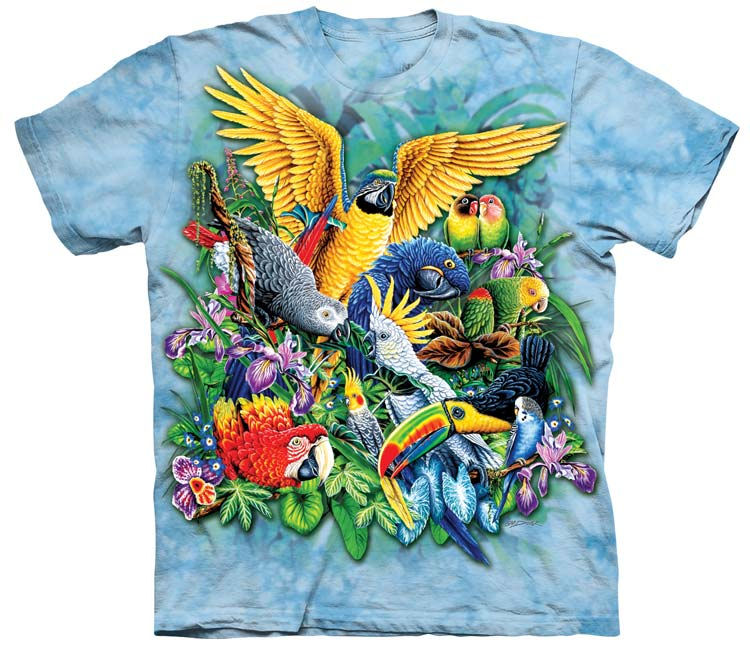
Best Bird Shirts for Bird Lovers
Best Bird Shirts for Bird Lovers Bird shirts aren’t just for casual wear anymore—they’ve become a statement for anyone who loves the colors and charm of feathered friends. If you want bird lover apparel that stands out, you’ll want to see the styles blending art and nature in fresh ways. This post highlights bird-themed t-shirts […]

Best Eagle Shirts for Eagle Lovers
Best Eagle Shirts for Eagle Lovers Eagle shirts don’t have to be ordinary. If you want to wear your passion for these powerful birds with style, the options out there can surprise you. From bold graphic eagle tees to subtle nature inspired clothing, the right eagle apparel makes a statement without sacrificing comfort. Keep reading […]

Best Bear Shirts for Wildlife Lovers
Best Bear Shirts for Wildlife Lovers Most bear shirts out there miss the mark between style and comfort. You want wildlife clothing that feels as good as it looks and truly captures the spirit of these powerful creatures. In this post, you’ll find bear graphic tees that balance charming artwork with bold designs, perfect for […]

Best Animal Shirts for Nature Lovers
Best Animal Shirts for Nature Lovers Forget plain tees that don’t say much about who you are. If you love the wild, your wardrobe should shout it loud and clear with the best animal shirts out there. These nature lover apparel pieces mix eye-catching wildlife graphic tees with comfort and style, perfect for anyone who […]
Follow us on Social Media
Instagram – YouTube – Pinterest – Twitter – Facebook
Alligators – Aquatic – Bears – Big Cats – Birds – Buffalo – Cats – Deer – Dinosaurs – Dogs – Dragons – Eagles – Elephants – Elk – Frogs – Gecko – Giraffes – Horses – Kittens – Moose – Pandas – Snakes – Tigers – Unicorns – Wolves – Cat Shirts – Celtic – Dog Shirts – Dolphins – Dragons – Eagles – Fairies – Horse Shirts – Misc – Native American Indians – Patriotic – Peace – Primates – Religion – Scary – Sci Fi – Skeletons – Tie Dye – Tigers – Wolf Shirts
Interesting Animal Facts and Information
Bald Eagles – Cheetahs – Dolphins – Dinosaurs – Tigers – Lions – Cats – Dogs



Leave A Comment
You must be logged in to post a comment.