
What was the most Dangerous Dinosaur?
The Jurassic period was a time when some of the most dangerous dinosaurs roamed the Earth, captivating imaginations and sparking curiosity about these prehistoric titans. For dinosaur enthusiasts, students, and educators alike, understanding which of these creatures were the deadliest offers both thrilling insights and valuable dinosaur facts. From the formidable Tyrannosaurus Rex to the cunning Velociraptor, these apex predators dominated their environments with unparalleled ferocity and skill. As we delve into the world of these ancient giants, we will uncover what made them the most dangerous dinosaurs of their time and explore the factors that led to their eventual extinction. Join us in a journey through the Jurassic period to uncover the secrets of these legendary predators.
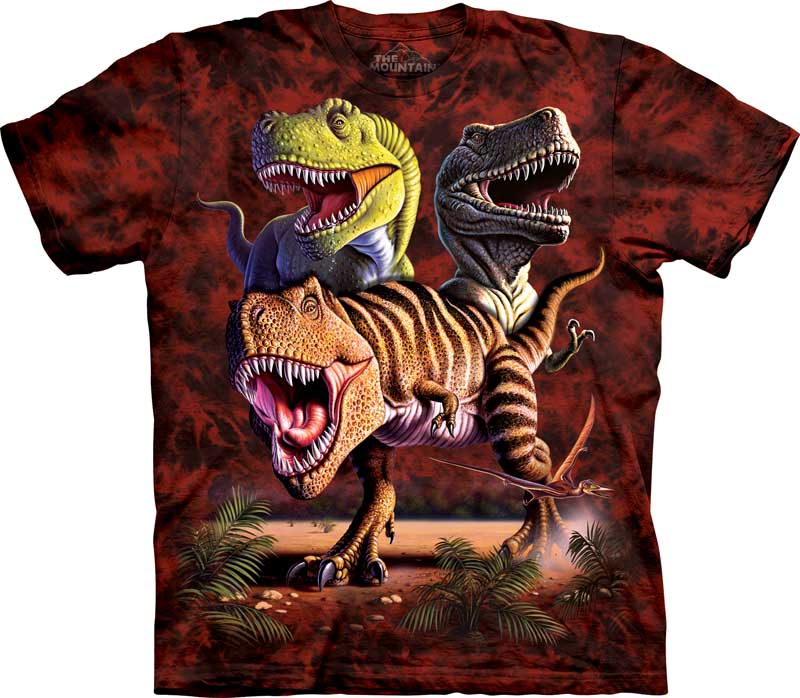
The Jurassic Period: A Dangerous Time
Understanding Dinosaur Extinction
The extinction of dinosaurs, including the most dangerous ones like the Tyrannosaurus Rex and Velociraptor, marks one of the most significant events in Earth’s history. Scientists believe a combination of catastrophic events led to their demise. The prevailing theory revolves around a massive asteroid impact that created drastic environmental changes. This event, compounded by volcanic eruptions and climate shifts, disrupted the ecosystems dinosaurs depended on for survival. With food sources dwindling and habitats destroyed, even the deadliest dinosaurs couldn’t withstand the harsh new reality. Understanding dinosaur extinction provides valuable context about the resilience and vulnerability of even the most formidable creatures. It also offers key lessons on how sudden environmental changes can impact life on Earth, a topic that remains incredibly relevant today.
A Glimpse into the Jurassic
The Jurassic period, spanning approximately 56 million years, was a pivotal era for dinosaur evolution. This time frame witnessed the rise of some of the most dangerous dinosaurs, roaming lush landscapes dominated by vast forests and diverse ecosystems. The climate was warmer, supporting an abundance of plant life that provided ample food for herbivorous dinosaurs. In turn, these plant-eaters became prey for the era’s apex predators. Dinosaurs such as the fearsome Allosaurus and the swift Velociraptor thrived, showcasing unique adaptations that made them formidable hunters. The Jurassic was not only a time of great biodiversity but also of dramatic geological changes, including the breakup of the supercontinent Pangaea. This shifting landscape created new habitats and environmental pressures, driving the evolution of these fearsome creatures. Understanding the Jurassic period provides critical insights into the lives of dinosaurs and the dynamic world they inhabited.
The Deadliest Dinosaurs: Top Contenders
Tyrannosaurus Rex: The Apex Predator
The Tyrannosaurus Rex, often hailed as the king of the dinosaurs, exemplifies what it means to be an apex predator. This colossal creature, with its massive size and powerful jaws, dominated its environment during the late Cretaceous period. Standing about 12 feet tall and stretching up to 40 feet in length, the T. Rex was built for power and intimidation. Its teeth, some exceeding nine inches in length, were designed to crush bone and tear flesh, making it one of the most dangerous dinosaurs to ever exist. Besides its physical prowess, the Tyrannosaurus Rex had a keen sense of smell, aiding in tracking prey over vast distances. Despite its fearsome reputation, recent studies suggest that the T. Rex might have also been a scavenger, utilizing its skills to claim carcasses as well. Understanding the Tyrannosaurus Rex offers invaluable dinosaur facts about predator behavior and ecological niches.
Velociraptor: Speed and Intelligence
The Velociraptor, despite its relatively small size, was one of the deadliest dinosaurs, known for its incredible speed and intelligence. This agile predator, part of the Dromaeosaurid family, was roughly the size of a modern-day turkey, yet it possessed attributes that made it a formidable hunter. Velociraptors had long, curved claws on each foot, which they used effectively to capture and subdue prey. Their lightweight build and strong hind limbs allowed for rapid movement, enabling them to swiftly ambush unsuspecting victims. Beyond their physical traits, Velociraptors are believed to have been highly intelligent for dinosaurs, possibly hunting in packs to take down larger prey. Their keen senses and problem-solving abilities would have given them an edge in the competitive ecosystems of the Jurassic period. Understanding the Velociraptor provides crucial dinosaur facts about the diverse strategies employed by predators to thrive in their environments.
Other Fierce Predators
Beyond the renowned Tyrannosaurus Rex and Velociraptor, the Jurassic period was home to several other fierce predators that ranked among the deadliest dinosaurs. One such contender was the Allosaurus, a large theropod with sharp teeth and claws, capable of taking down sizeable herbivores. Known for its robust build and powerful bite, the Allosaurus was an apex predator in its own right. Another formidable dinosaur was the Spinosaurus, notable for its distinctive sail-like spine and semi-aquatic lifestyle. Its long snout and conical teeth were adapted for catching fish, but it could also prey on terrestrial animals. The Carnotaurus, with its distinctive horned head and swift running ability, was another predator that excelled in its environment. These predators, each with unique adaptations, exemplify the diverse evolutionary strategies that allowed them to thrive as some of the most dangerous dinosaurs of their time. Understanding these dinosaurs expands our knowledge of prehistoric predator dynamics.
Fascinating Dinosaur Facts
Behavioral Insights
Dinosaur behavior remains a captivating subject, as paleontologists piece together clues from fossils to understand how these creatures lived and interacted. Recent findings suggest that some dinosaurs, particularly the more dangerous dinosaurs like the Velociraptor, might have exhibited complex social behaviors. Evidence of pack dynamics in predators indicates a level of cooperation and communication that would have been advantageous for hunting. Additionally, nesting sites and fossilized eggs provide insights into parental care, suggesting that many dinosaurs may have been attentive parents, guarding and nurturing their young. Some herbivorous dinosaurs, such as Hadrosaurs, likely traveled in herds, using their numbers as a defense mechanism against predators. The study of dinosaur tracks and footprints further supports these theories, offering a glimpse into their movement patterns and interactions. These behavioral insights not only enrich our understanding of dinosaur ecology but also highlight the diversity of survival strategies among the deadliest dinosaurs.
Physical Adaptations
The physical adaptations of the most dangerous dinosaurs were key to their survival and dominance. Each apex predator developed unique traits that enhanced their hunting capabilities. For instance, the Tyrannosaurus Rex had an exceptionally powerful bite force, capable of crushing bones, supported by robust jaw muscles and serrated teeth. Velociraptors, though smaller, possessed a deadly combination of speed and agility, facilitated by their lightweight skeletons and large, sickle-shaped claws designed for gripping and slashing prey. The Spinosaurus, with its elongated snout and conical teeth, was adept at catching fish, while its semi-aquatic adaptations allowed it to thrive in both terrestrial and aquatic environments. Even the Allosaurus showcased notable adaptations, such as its flexible neck and sharp claws, which were crucial for taking down large prey. These physical adaptations highlight the diverse evolutionary paths that enabled these dinosaurs to become some of the deadliest creatures of the Jurassic period.
Survival Strategies
During the Jurassic period, dinosaurs developed a range of survival strategies to thrive in diverse environments. Predators like the Tyrannosaurus Rex and Velociraptor employed stealth and ambush tactics to capture prey, using the element of surprise to their advantage. Their keen senses, such as acute vision and smell, were instrumental in detecting food sources and avoiding threats. Herbivorous dinosaurs, on the other hand, relied on their size and herding behaviors for protection. By traveling in groups, they reduced the risk of predation and increased their chances of detecting predators early. Some dinosaurs, such as the armored Ankylosaurus, developed physical defenses, like thick skin and bony plates, to deter attackers. Additionally, certain species adapted to specific niches, like the Spinosaurus, which exploited aquatic environments to minimize competition for food. These varied strategies underline the adaptability and resourcefulness that allowed dinosaurs to maintain their status as dominant species during the Jurassic period.
Enjoy some interesting animal facts below!
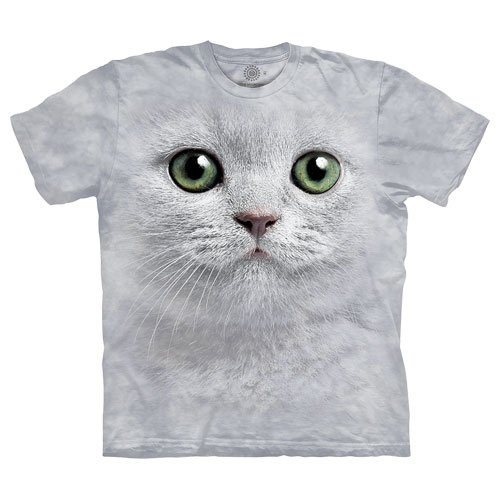
Best Animal T-Shirts for Men Who Love Wildlife
Best Animal T-Shirts for Men Who Love Wildlife Most animal t-shirts blend into the background, leaving your love for wildlife unnoticed. You want shirts that speak louder than words, showcasing majestic lions, soaring eagles, and vibrant marine life with style. This guide highlights the best animal t-shirts for men, combining bold graphics with comfort and […]
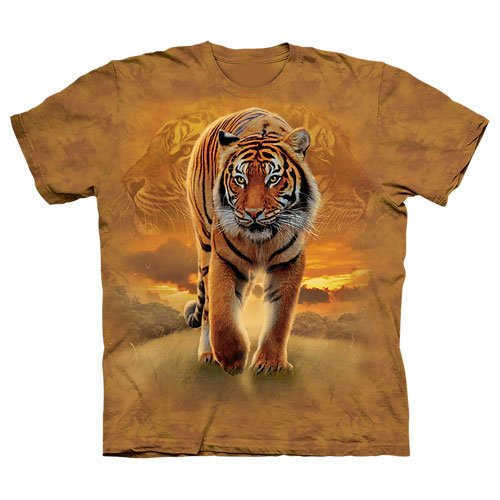
Best Tiger Shirts for Tiger Lovers
Best Tiger Shirts for Tiger Lovers Tiger shirts often miss the mark, leaving fans with dull prints that don’t capture the wild spirit of these majestic cats. If you’ve been hunting for the best tiger apparel that blends bold artistry with comfort, your search ends here. This post highlights tiger print t-shirts and stylish tiger […]
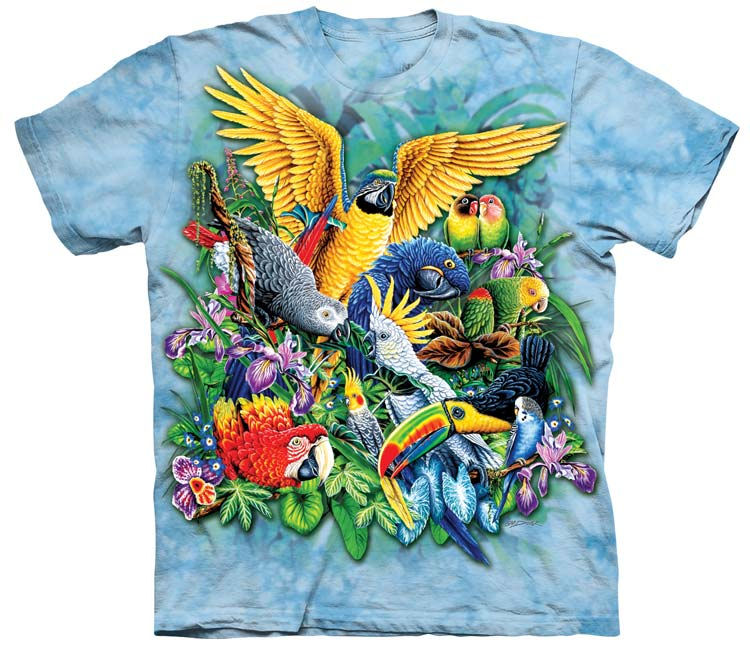
Best Bird Shirts for Bird Lovers
Best Bird Shirts for Bird Lovers Bird shirts aren’t just for casual wear anymore—they’ve become a statement for anyone who loves the colors and charm of feathered friends. If you want bird lover apparel that stands out, you’ll want to see the styles blending art and nature in fresh ways. This post highlights bird-themed t-shirts […]

Best Eagle Shirts for Eagle Lovers
Best Eagle Shirts for Eagle Lovers Eagle shirts don’t have to be ordinary. If you want to wear your passion for these powerful birds with style, the options out there can surprise you. From bold graphic eagle tees to subtle nature inspired clothing, the right eagle apparel makes a statement without sacrificing comfort. Keep reading […]

Best Bear Shirts for Wildlife Lovers
Best Bear Shirts for Wildlife Lovers Most bear shirts out there miss the mark between style and comfort. You want wildlife clothing that feels as good as it looks and truly captures the spirit of these powerful creatures. In this post, you’ll find bear graphic tees that balance charming artwork with bold designs, perfect for […]
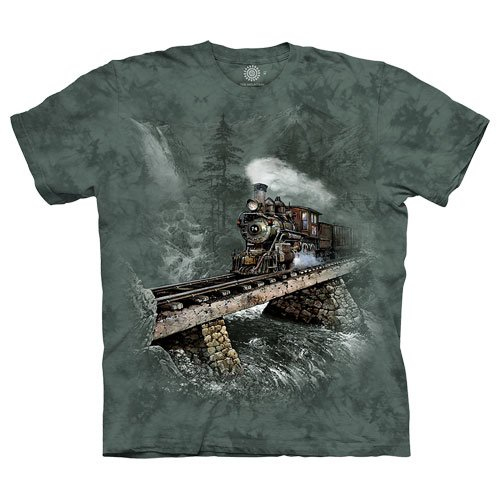
Best Animal Shirts for Nature Lovers
Best Animal Shirts for Nature Lovers Forget plain tees that don’t say much about who you are. If you love the wild, your wardrobe should shout it loud and clear with the best animal shirts out there. These nature lover apparel pieces mix eye-catching wildlife graphic tees with comfort and style, perfect for anyone who […]
Follow us on Social Media
Instagram – YouTube – Pinterest – Twitter – Facebook
Alligators – Aquatic – Bears – Big Cats – Birds – Buffalo – Cats – Deer – Dinosaurs – Dogs – Dragons – Eagles – Elephants – Elk – Frogs – Gecko – Giraffes – Horses – Kittens – Moose – Pandas – Snakes – Tigers – Unicorns – Wolves – Cat Shirts – Celtic – Dog Shirts – Dolphins – Dragons – Eagles – Fairies – Horse Shirts – Misc – Native American Indians – Patriotic – Peace – Primates – Religion – Scary – Sci Fi – Skeletons – Tie Dye – Tigers – Wolf Shirts
Interesting Animal Facts and Information
Bald Eagles – Cheetahs – Dolphins – Dinosaurs – Tigers – Lions – Cats – Dogs


Leave A Comment
You must be logged in to post a comment.