
What Do Horses Eat? A Fun Dive into the World of Equine Diets and Horse Nutrition
Have you ever wondered what fuels those majestic creatures galloping across fields with their manes flowing in the wind? Horses, the gentle giants of the animal kingdom, have a diet as fascinating as their personalities. Understanding what horses eat is crucial for ensuring their health and vitality, much like knowing what goes into your own favorite eco-friendly t-shirts. From hay that serves as the staple of any equine diet to grains and special vitamins for horses, feeding horses requires a balanced approach that keeps their health in top condition. In this guide, we’ll gallop through the essentials of horse nutrition, explore the best food for horses, and share some fun tips on how to keep your four-hooved friend happy and healthy. So saddle up and join us on this joyful journey into the world of equine diets!

Understanding Equine Diets
Basics of Horse Nutrition
When it comes to horse nutrition, it’s about more than just throwing some hay in a stall. Horses are herbivores with a digestive system uniquely suited to a diet rich in fiber. The foundation of an equine diet is hay for horses—think of it as the bread and butter of their meals. Quality hay provides essential nutrients and helps maintain proper digestion. Besides hay, grains for horses can supplement their diet, offering additional energy, especially for active or working horses. However, not all horses need grains, so it’s vital to tailor their diet to their specific needs. Don’t forget those vitamins for horses! Just like us, they require a range of vitamins and minerals to support their overall health. Balancing these elements ensures that feeding horses is more than just sustenance—it’s a recipe for optimal horse health and happiness.
What Do Horses Eat Daily?
On a daily basis, horses primarily feast on hay and pasture, making up the bulk of their diet. This high-fiber food is crucial for their digestive health and should be available to them consistently. Think of hay as the main course, with pasture being a delightful side dish when available. Depending on the horse’s activity level and health status, grains for horses, like oats or barley, might be added as a supplementary energy boost. However, it’s essential to regulate grain intake to prevent digestive issues. Fresh water is another daily necessity, ensuring they stay hydrated and healthy. Furthermore, vitamins for horses might be required to fill any nutritional gaps. These are often provided through specially formulated supplements. By understanding what horses eat daily, owners can maintain a balanced diet that supports their horse’s wellbeing and keeps them galloping happily.
Best Food for Horses
Finding the best food for horses requires an understanding of their nutritional needs and lifestyle. Hay is undoubtedly the cornerstone of any equine diet, providing the necessary fiber and nutrients. For those looking to treat their horses to something special, alfalfa hay can be a nutritious option, packed with protein and calcium. Some horses, especially those with higher energy demands, benefit from grains like oats or corn. These grains for horses supply extra energy but should be given in moderation to avoid weight gain or digestive issues. Additionally, consider adding a balanced feed that includes essential vitamins for horses to support their immune system and overall wellbeing. Lastly, fresh fruits and vegetables can be delightful snacks, adding variety and nutrients. Carrots and apples are popular choices, but always in moderation. By selecting the best food for horses, owners can ensure their equine friends are healthy, happy, and ready for life’s adventures.

Essential Components of Feeding Horses
Hay for Horses: The Staple
Hay is the cornerstone of any equine diet, serving as the primary source of nutrients for horses. This fibrous food mimics the grazing patterns horses would naturally follow in the wild, making it an essential part of their daily intake. Hay for horses comes in various types, with timothy, orchard, and alfalfa being the most common options. Each type offers different nutritional benefits, so the choice depends on the horse’s specific needs and activity level. For instance, alfalfa hay is rich in protein and calcium, making it ideal for growing horses or those with higher nutritional demands. It’s essential to ensure the hay is of good quality—free from mold and dust—to prevent respiratory issues and digestive upsets. By prioritizing quality hay, horse owners can provide a solid foundation for their horse’s diet, supporting their health and vitality while keeping their digestive systems running smoothly.
Grains for Horses: A Balanced Addition
While hay forms the foundation of a horse’s diet, grains can offer a valuable energy boost, especially for performance or working horses. Oats, corn, and barley are the most common grains for horses, each providing distinct nutritional benefits. Oats are often favored due to their high fiber content and digestibility. Corn delivers more calories per pound, making it suitable for horses needing additional energy. However, feeding grains requires careful consideration of the horse’s activity level, age, and health status, as excessive grain intake can lead to digestive problems like colic or founder. It’s crucial to introduce grains gradually and in moderation, always balancing them with ample hay and fresh water. For some horses, grain may not even be necessary if their energy needs are met through hay and pasture alone. By ensuring grains are a balanced addition, horse owners can support their equine companion’s nutritional needs effectively.
Importance of Vitamins for Horses
Vitamins play a crucial role in maintaining a horse’s overall health, supporting everything from vision and bone growth to immune function and energy metabolism. While a well-balanced diet of hay and grains provides many essential nutrients, some vitamins for horses might still be lacking. Vitamins A, D, E, and the B-complex group are particularly important. For instance, Vitamin A is vital for vision and skin health, while Vitamin E acts as an antioxidant, protecting cells from damage. Horses primarily obtain these vitamins through fresh forage and quality hay, but during the winter months or when access to pasture is limited, supplementation might be necessary. Additionally, older horses or those with specific health conditions may require tailored vitamin support. It’s essential to consult with a veterinarian to determine the appropriate vitamin regimen, ensuring that the additional nutrients effectively promote optimal horse health without over-supplementation.
Enhancing Horse Health Through Diet
Tailoring Diets for Horse Health
Creating a diet tailored to a horse’s unique needs is key to ensuring optimal health and performance. Factors such as age, breed, activity level, and health condition all influence dietary requirements. For younger horses, a diet rich in protein and calcium supports growth and development, while senior horses may benefit from feeds designed for easier digestion. Active or performance horses often require additional calories and nutrients to meet their energy demands, which can be provided through carefully measured grains and supplements. On the other hand, leisure horses might thrive on high-quality hay and minimal grain. Health conditions like metabolic disorders or laminitis also necessitate specific dietary adjustments, such as low-sugar feeds. Regularly consulting with a veterinarian or equine nutritionist is crucial in crafting a personalized feeding plan. By tailoring diets to individual needs, horse owners can promote long-term health, vitality, and happiness in their equine companions.
Eco-Friendly Feeding Practices
Adopting eco-friendly feeding practices not only benefits the environment but also supports sustainable horse care. Start by sourcing locally grown hay and grains, which reduces the carbon footprint associated with transportation and supports local agriculture. Consider organic feed options that avoid the use of synthetic pesticides and fertilizers, promoting a healthier ecosystem. Composting manure enriches the soil and minimizes waste, forming a natural cycle that benefits both the earth and the horse. Water conservation is also essential; ensure water troughs are regularly checked for leaks and cleaned to prevent wastage. Additionally, using feed bags made from recycled materials or opting for bulk purchases can significantly reduce plastic waste. By integrating these eco-friendly practices into horse care, owners can contribute to a more sustainable environment while maintaining a high standard of horse nutrition and health. This mindful approach aligns with the values of environmentally conscious horse enthusiasts, ensuring a greener future for all.
Tips for Optimal Equine Diet
Crafting an optimal equine diet involves more than just providing hay and grains. Start by ensuring constant access to clean, fresh water, as hydration is vital for digestion and overall health. Monitor your horse’s weight and adjust their feed accordingly to prevent obesity or malnutrition. Regularly assess the quality of hay since moldy or dusty hay can lead to respiratory issues. Introduce any dietary changes gradually to avoid digestive disturbances, giving the horse’s system time to adapt. Pay attention to portion control, especially when feeding grains, to prevent colic or founder. Incorporate a variety of feeds, including fresh fruits and vegetables, as treats to provide additional nutrients and enrichment. Finally, regular consultations with a veterinarian or equine nutritionist can offer valuable insights into specific dietary needs or adjustments. By following these tips, horse owners can ensure their equine companions maintain a balanced, healthy diet that supports their overall wellbeing.
Enjoy some interesting animal facts below!
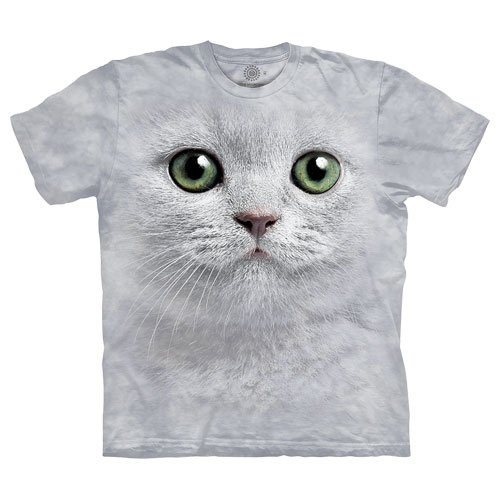
Best Animal T-Shirts for Men Who Love Wildlife
Best Animal T-Shirts for Men Who Love Wildlife Most animal t-shirts blend into the background, leaving your love for wildlife unnoticed. You want shirts that speak louder than words, showcasing majestic lions, soaring eagles, and vibrant marine life with style. This guide highlights the best animal t-shirts for men, combining bold graphics with comfort and […]
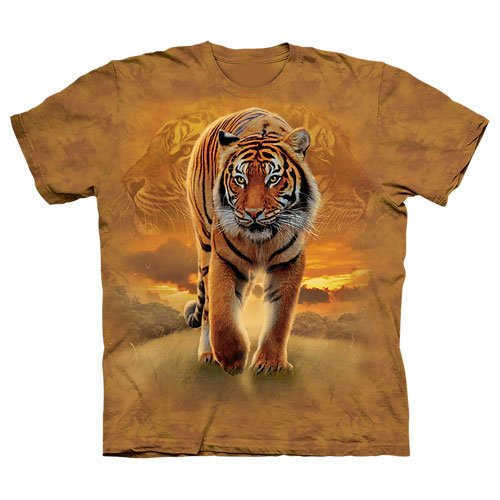
Best Tiger Shirts for Tiger Lovers
Best Tiger Shirts for Tiger Lovers Tiger shirts often miss the mark, leaving fans with dull prints that don’t capture the wild spirit of these majestic cats. If you’ve been hunting for the best tiger apparel that blends bold artistry with comfort, your search ends here. This post highlights tiger print t-shirts and stylish tiger […]
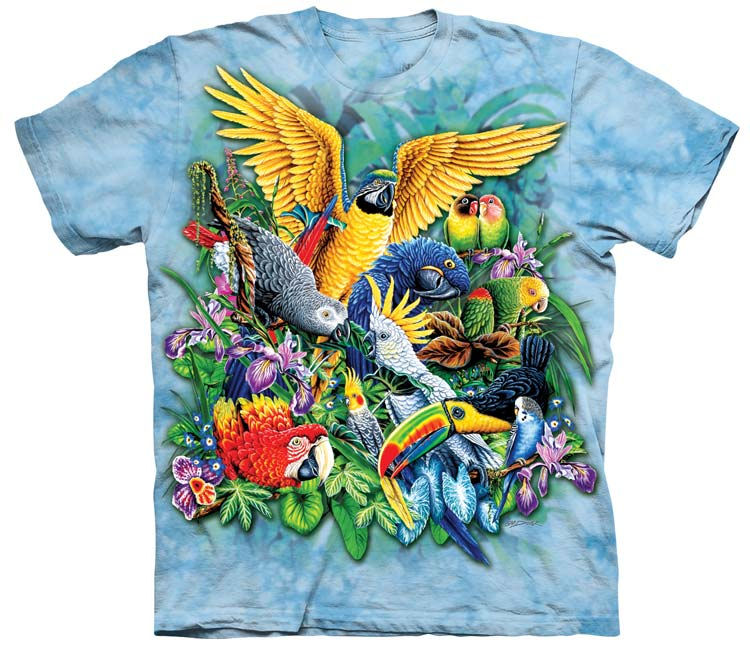
Best Bird Shirts for Bird Lovers
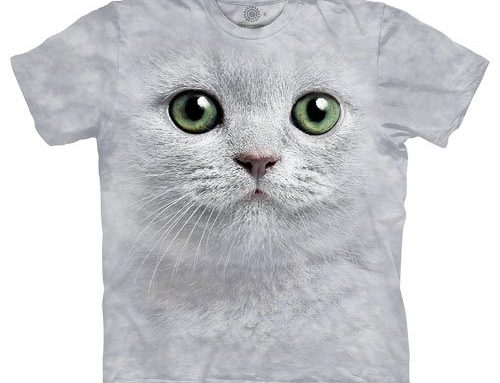
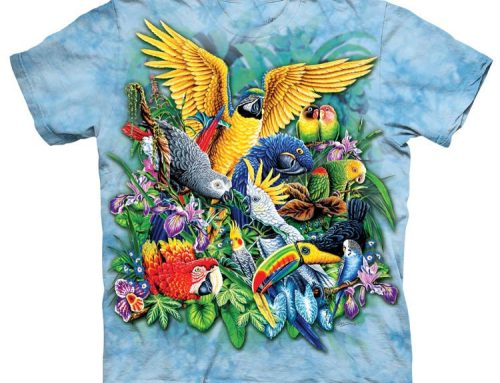
Best Bird Shirts for Bird Lovers Bird shirts aren’t just for casual wear anymore—they’ve become a statement for anyone who loves the colors and charm of feathered friends. If you want bird lover apparel that stands out, you’ll want to see the styles blending art and nature in fresh ways. This post highlights bird-themed t-shirts […]

Best Eagle Shirts for Eagle Lovers
Best Eagle Shirts for Eagle Lovers Eagle shirts don’t have to be ordinary. If you want to wear your passion for these powerful birds with style, the options out there can surprise you. From bold graphic eagle tees to subtle nature inspired clothing, the right eagle apparel makes a statement without sacrificing comfort. Keep reading […]

Best Bear Shirts for Wildlife Lovers
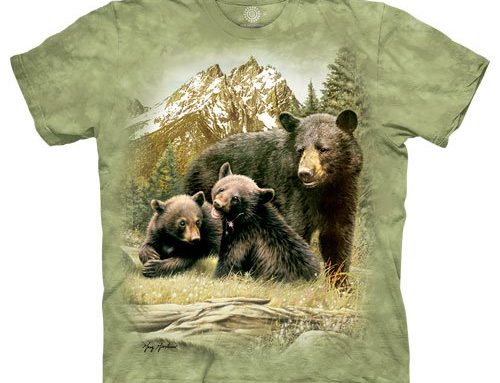
Best Bear Shirts for Wildlife Lovers Most bear shirts out there miss the mark between style and comfort. You want wildlife clothing that feels as good as it looks and truly captures the spirit of these powerful creatures. In this post, you’ll find bear graphic tees that balance charming artwork with bold designs, perfect for […]
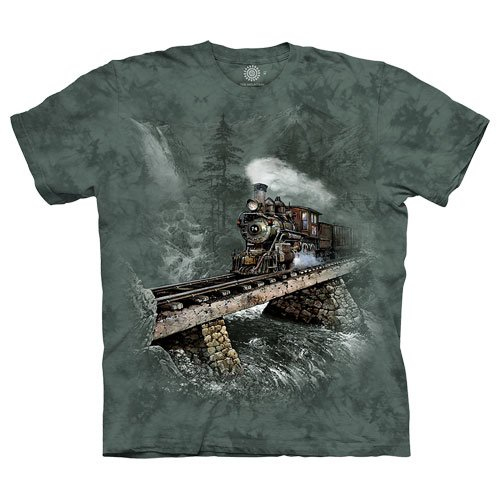
Best Animal Shirts for Nature Lovers
Best Animal Shirts for Nature Lovers Forget plain tees that don’t say much about who you are. If you love the wild, your wardrobe should shout it loud and clear with the best animal shirts out there. These nature lover apparel pieces mix eye-catching wildlife graphic tees with comfort and style, perfect for anyone who […]
Follow us on Social Media
Instagram – YouTube – Pinterest – Twitter – Facebook
Alligators – Aquatic – Bears – Big Cats – Birds – Buffalo – Cats – Deer – Dinosaurs – Dogs – Dragons – Eagles – Elephants – Elk – Frogs – Gecko – Giraffes – Horses – Kittens – Moose – Pandas – Snakes – Tigers – Unicorns – Wolves – Cat Shirts – Celtic – Dog Shirts – Dolphins – Dragons – Eagles – Fairies – Horse Shirts – Misc – Native American Indians – Patriotic – Peace – Primates – Religion – Scary – Sci Fi – Skeletons – Tie Dye – Tigers – Wolf Shirts
Interesting Animal Facts and Information
Bald Eagles – Cheetahs – Dolphins – Dinosaurs – Tigers – Lions – Cats – Dogs


Leave A Comment
You must be logged in to post a comment.