
The Secrets of Monogamous Animals and Their Enduring Relationships
Most animals don’t stick with one partner, but a surprising number of species do. If you’ve ever wondered how faithful animal species build lasting bonds, you’re about to find out. This post reveals the secrets behind animals that mate for life and what keeps their long-term partnerships strong. Get ready to see love in the animal kingdom from a whole new angle. Learn more here.

Have you seen our selection of Animal Shirts?
Understanding Monogamous Animals
Some animals choose just one partner for life. This section explores why these animals form lifelong relationships, breaking down the concept of monogamy in the wild.
The Concept of Mating for Life
Monogamous animals are fascinating. They form strong bonds with a single partner. This behavior is common in birds and some mammals. For these animals, staying with one mate can mean better protection and care for their young. Picture a pair of swans gliding gracefully across a lake. They are often seen together, working as a team.
Many species stick with one partner because it increases their chances of survival. By sharing responsibilities, like building nests or finding food, these animals ensure their offspring thrive. Such partnerships can last for the entire lifespan of the animals. These committed relationships are not just about romance; they are crucial for the survival of the species. You can explore more about different species here.
Reasons Behind Long-Term Partnerships
Why do some animals mate for life? One reason is the need for teamwork. When two parents work together, their young have a better chance of surviving. This collaboration is evident in penguins that take turns keeping eggs warm.
Another reason is the stability it brings. Monogamous animals often have a reliable food source and a safe environment for their offspring. This stability is especially important in harsh climates. Studies show that having a dedicated partner can lead to better care for the young. Monogamy also reduces the time spent searching for a new mate, allowing animals to focus on survival. For more insights, check this article.
Fascinating Examples of Faithful Species
Dive deeper into the world of faithful animal species. Discover how these animals maintain their long-term partnerships and the benefits they gain from them.
Birds with Lifelong Bonds
Birds are champions of monogamy. From albatrosses to penguins, many bird species mate for life. The albatross, for example, is known for its long journeys across oceans. Despite spending months apart, they reunite with the same partner year after year. This bond is built on trust and loyalty.
Penguins also exhibit monogamous behavior. They are famous for their dedication to their partners. During breeding season, penguins work together to keep their eggs safe. This teamwork is crucial in the harsh conditions of Antarctica. These bird couples often stay together for many years, showcasing the power of partnership. Learn more about these amazing birds here.
Mammals and Their Enduring Relationships
Some mammals also form lifelong bonds. Beavers, for instance, mate for life. They are known for building intricate dams, which are essential for their survival. By working together, beaver pairs ensure a stable environment for their young.
Wolves are another example of monogamous mammals. They live in packs led by a dominant pair. This pair mates for life, setting an example for the rest of the pack. The stability of their relationship helps maintain order and ensures the survival of the pack. Check out more about loyal mammals here.
The Science of Animal Bonding Behavior
What drives animals to be loyal? This section uncovers the science behind animal bonding behavior and why monogamy might benefit them.
Factors Driving Loyalty in the Animal Kingdom
Loyalty in animals can be driven by necessity. For instance, in some species, raising offspring requires two dedicated parents. This is especially true in environments where resources are scarce.
Another factor is genetic diversity. By staying with one partner, animals can ensure their offspring inherit a strong genetic lineage. This can lead to healthier young and a higher chance of survival. Hormones also play a part in bonding. For example, the hormone oxytocin is known to promote bonding in many species, fostering a sense of attachment. Learn more about these factors here.
Benefits of Monogamy for Animals
Monogamy can offer several benefits to animals. One significant advantage is the safety it provides. A dedicated partner can help ward off predators and protect young.
Additionally, monogamous pairs can share resources efficiently. This partnership can lead to a more stable and secure environment for their family. Furthermore, staying with one partner reduces the risk of diseases that can spread through multiple mating partners. For animals that live in challenging environments, monogamy can be a key survival strategy. Explore this topic further here.
Understanding the world of monogamous animals offers a glimpse into the intricate relationships of the animal kingdom. These partnerships are not just about companionship; they are vital for the survival and success of many species.
Check out our huge selection of animal t-shirts
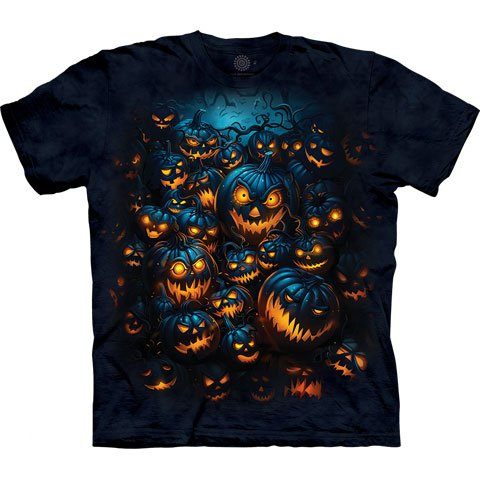
The Ultimate Halloween Animal Shirt Gift Guide
The Ultimate Halloween Animal Shirt Gift Guide Halloween is just around the corner, and finding the perfect gift for animal lovers can feel like a challenge. You want something that captures spooky fun without losing that adorable animal charm. This Halloween animal shirt gift guide offers a handpicked selection of cute Halloween shirts featuring playful […]
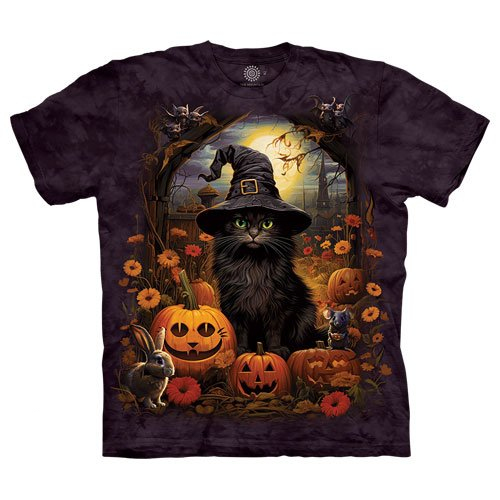
30 Funny Halloween Animal T-Shirts You’ll Want to Wear This October
30 Funny Halloween Animal T-Shirts You’ll Want to Wear This October Funny Halloween T-shirts rarely get the spotlight they deserve. Most Halloween outfits stick to the usual spooky clichés, leaving little room for personality. This collection of quirky T-shirt designs combines spooky animal apparel with a playful twist, perfect for your October fashion lineup. From […]
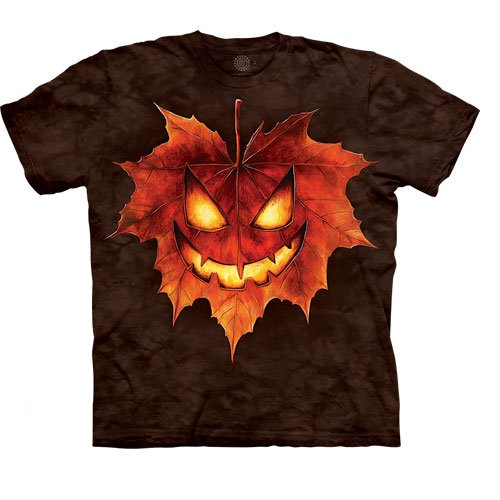
25 Spooky Animal T-Shirt Ideas for Halloween
25 Spooky Animal T-Shirt Ideas for Halloween Most Halloween t-shirts blend spooky and silly, but finding spooky animal shirts that truly stand out can be tricky. If you’re an animal lover who wants to show off your passion while capturing the Halloween vibe, these pet costume t-shirts offer the perfect mix. Keep reading to see […]
What to Wear to a Halloween Party: Animal-Themed T-Shirt Ideas
What to Wear to a Halloween Party: Animal-Themed T-Shirt Ideas Forget everything you know about Halloween costumes. You don’t need a full outfit to stand out at your next party. With the right Halloween animal t-shirts, you can mix comfort and style while showing off your love for animals. Let’s explore some clever costume shirt […]
The Best Halloween Shirts for Dog Moms and Dog Dads
The Best Halloween Shirts for Dog Moms and Dog Dads Halloween is the perfect time to show off your love for your furry friend, but finding the right Halloween dog shirts can be tricky. You want something that blends spooky fun with your role as a proud dog mom or dad. This post lines up […]
20 Halloween Animal Shirts That Are Perfect for Trick-or-Treating
20 Halloween Animal Shirts That Are Perfect for Trick-or-Treating Trick-or-treating outfits don’t have to be scary or complicated to stand out. These 20 Halloween animal shirts mix playful charm with just the right spooky touch, perfect for kids and adults ready to celebrate. From cartoon animal shirts to cozy Halloween shirts for trick or treating, […]
Leave A Comment
You must be logged in to post a comment.