
The Science Behind Reindeer Eye Adaptations in Extreme Environments
Reindeer eyes don’t just change color for show—they shift from gold in summer to blue in winter to help them see when light is scarce. This reindeer eye color change is a clever Arctic adaptation that adjusts their vision to survive harsh, dim conditions. You’ll learn how these physiological changes fine-tune animal vision and why they matter for survival in extreme environments. Learn more about this fascinating adaptation here.
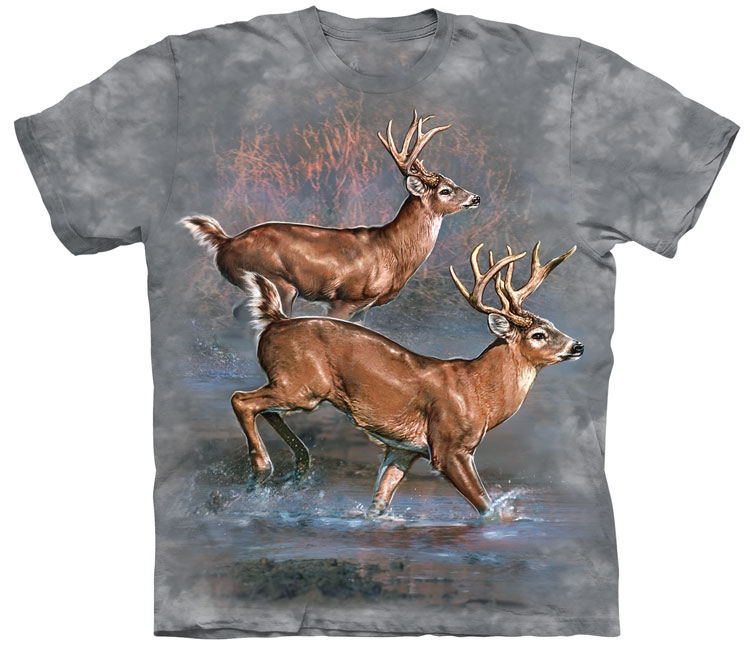
Check out our huge selection of Animal Shirts
Seasonal Eye Color Changes
Have you ever wondered how reindeer manage during the long, dark Arctic winters? Their eyes hold the key. By shifting from gold in summer to blue in winter, they tackle the challenge of limited light.
Gold to Blue Transition
In the brighter months, reindeer eyes are golden. This hue helps reflect intense summer light, much like sunglasses for humans. But as winter approaches and light diminishes, their eyes turn a striking blue. This blue tint plays a critical role in capturing scarce light. It allows reindeer to see better in twilight conditions, essential for spotting predators and finding food. Imagine having built-in night vision goggles that switch on automatically when needed. This transformation isn’t just cosmetic—it’s a lifesaving adaptation.
The gold-to-blue change isn’t just about seeing better. It’s about survival. Reindeer thrive in harsh conditions where many other creatures struggle. Their eye color adaptation is a perfect example of nature’s ingenuity, allowing them to navigate the Arctic’s darkest months with ease.
Impact on Vision Clarity
Winter in the Arctic brings prolonged periods of near-darkness. Reindeer need to make the most of any available light to survive. The blue eyes come into play here, enhancing their vision clarity. This adaptation helps them detect subtle movements in the snow—like a wolf on the hunt or a hidden food source. Such clarity is vital for their survival.
Interestingly, this change affects their depth perception too. A blue-tinted eye allows more ultraviolet light to enter, helping them see through the snow glare. This is crucial in identifying food sources buried under snow or ice. It’s this ability that sets them apart, ensuring they manage through the toughest of conditions. For more information on how this works, check out this article.
Physiological Eye Adaptations
The science behind reindeer eye color changes is as fascinating as the change itself. These adaptations go beyond simple color shifts, impacting the structure and function of their eyes.
Mechanisms Behind Color Change
The transition from gold to blue involves a change in the tapetum lucidum, a layer of tissue in the eye. In summer, this layer reflects golden light to reduce glare. But in winter, it becomes blue, scattering more light to improve visibility in low-light conditions. This color shift is driven by increased eye pressure and collagen changes in the tapetum.
This mechanism is a remarkable example of physiological changes in animals. By altering eye pressure, reindeer can adapt their vision to extreme environments. Such changes are not just about comfort—they are crucial for finding food and avoiding predators in winter. Interested in the science behind this? Check out this source.
Light Conditions in Winter
Winter light in the Arctic is limited and diffuse. Reindeer have adapted to these conditions in remarkable ways. Their blue eyes make the most of available light, helping them see when the sun barely rises above the horizon. This adaptation is crucial for their survival in extreme environments.
By increasing sensitivity to ultraviolet light, reindeer can see better in snowy landscapes. This unique ability helps them spot predators and locate food under a blanket of snow. Such physiological changes are a testament to their resilience in the face of harsh light conditions in winter.
Survival in Extreme Environments
The Arctic is one of the most challenging habitats on Earth. Yet, reindeer thrive here, thanks in part to their eye adaptations. Let’s explore how these changes support their survival.
Navigating Harsh Arctic Habitats
Reindeer have mastered the art of surviving in the Arctic. Their blue eyes are just one part of their survival toolkit. By adapting to extreme environments, they can navigate vast, icy landscapes with ease. These adaptations ensure they find food and evade predators, even in the harshest conditions.
Think of their blue eyes as a survival tool that helps them see clearly across icy expanses. This ability is essential for identifying threats and locating food sources. Their eye adaptations are a prime example of nature’s brilliance in action. Discover more about their survival strategies here.
Broader Implications for Other Species
Reindeer aren’t the only species with such remarkable adaptations. Their eye color change offers insights into how other animals survive in extreme environments. These physiological changes can inspire new ways of thinking about animal vision and survival strategies.
Many animals have evolved unique adaptations to thrive in challenging habitats. By studying reindeer, scientists gain insights into broader nature adaptations. Understanding these changes can lead to new discoveries about how species evolve and adapt to their environments.
Reindeer eye adaptations offer a glimpse into the wonders of nature and the brilliance of evolutionary design. Each change, from gold to blue, tells a story of survival, resilience, and the power of adaptation.

Best Animal T-Shirts for Men Who Love Wildlife
Best Animal T-Shirts for Men Who Love Wildlife Most animal t-shirts blend into the background, leaving your love for wildlife unnoticed. You want shirts that speak louder than words, showcasing majestic lions, soaring eagles, and vibrant marine life with style. This guide highlights the best animal t-shirts for men, combining bold graphics with comfort and […]
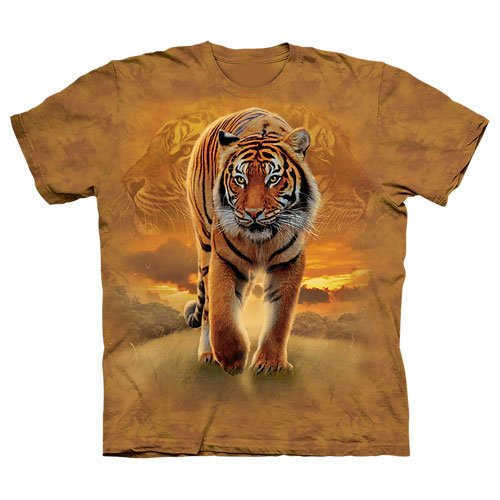
Best Tiger Shirts for Tiger Lovers
Best Tiger Shirts for Tiger Lovers Tiger shirts often miss the mark, leaving fans with dull prints that don’t capture the wild spirit of these majestic cats. If you’ve been hunting for the best tiger apparel that blends bold artistry with comfort, your search ends here. This post highlights tiger print t-shirts and stylish tiger […]
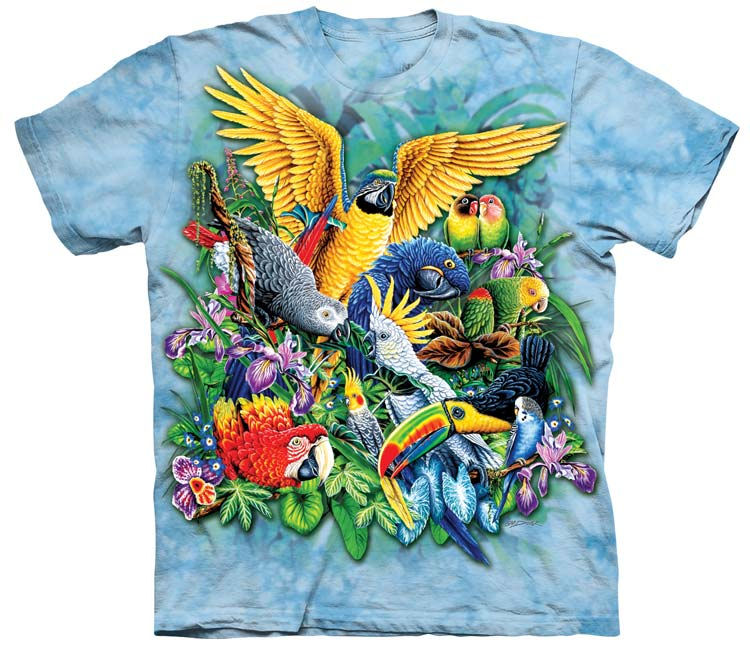
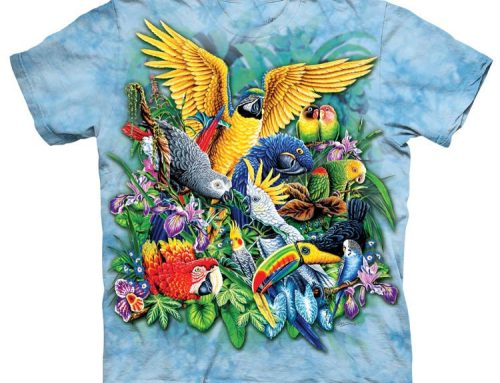
Best Bird Shirts for Bird Lovers
Best Bird Shirts for Bird Lovers Bird shirts aren’t just for casual wear anymore—they’ve become a statement for anyone who loves the colors and charm of feathered friends. If you want bird lover apparel that stands out, you’ll want to see the styles blending art and nature in fresh ways. This post highlights bird-themed t-shirts […]

Best Eagle Shirts for Eagle Lovers
Best Eagle Shirts for Eagle Lovers Eagle shirts don’t have to be ordinary. If you want to wear your passion for these powerful birds with style, the options out there can surprise you. From bold graphic eagle tees to subtle nature inspired clothing, the right eagle apparel makes a statement without sacrificing comfort. Keep reading […]

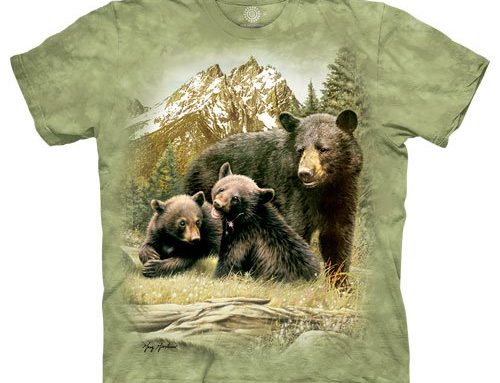
Best Bear Shirts for Wildlife Lovers
Best Bear Shirts for Wildlife Lovers Most bear shirts out there miss the mark between style and comfort. You want wildlife clothing that feels as good as it looks and truly captures the spirit of these powerful creatures. In this post, you’ll find bear graphic tees that balance charming artwork with bold designs, perfect for […]
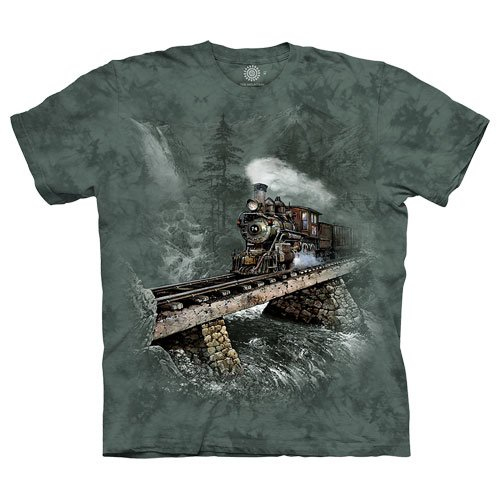
Best Animal Shirts for Nature Lovers
Best Animal Shirts for Nature Lovers Forget plain tees that don’t say much about who you are. If you love the wild, your wardrobe should shout it loud and clear with the best animal shirts out there. These nature lover apparel pieces mix eye-catching wildlife graphic tees with comfort and style, perfect for anyone who […]



Leave A Comment
You must be logged in to post a comment.