

The Majestic Journey: How Do Bald Eagles Raise Their Young?
The majestic journey of how bald eagles raise their young is a captivating and intricate process that showcases the resilience and dedication of these iconic birds. Nestled high in the treetops, bald eagle nests serve as the birthplace and nurturing grounds for their young, providing a safe haven from predators and the elements. From the moment bald eagle eggs are laid until the fledglings take their first flight, both parents play crucial roles in feeding, protecting, and teaching their offspring essential survival skills. In this informative piece, we will delve into the fascinating stages of how bald eagles raise their young, offering bald eagle lovers an in-depth look at the life cycle of these regal raptors.

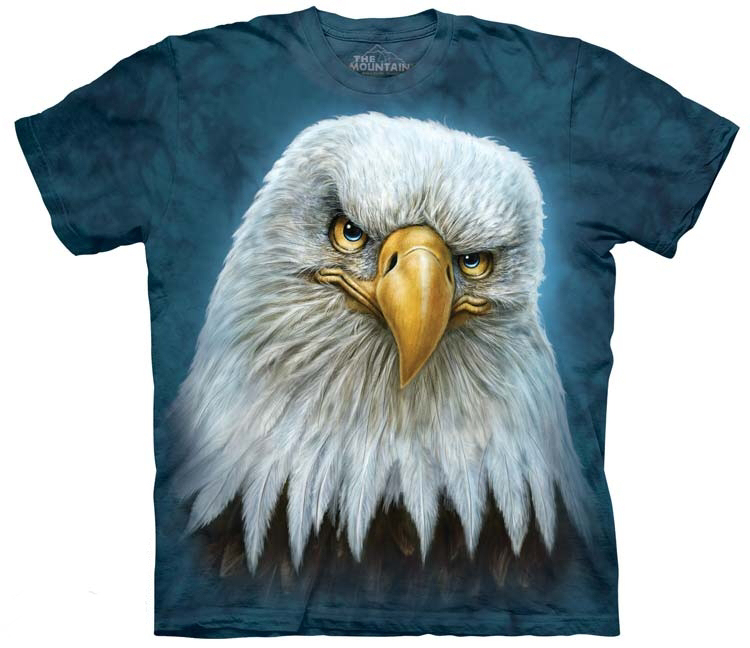
Click here for Bald Eagle Shirts
Nest Building Process
Selecting the Perfect Location
Selecting the perfect location for their nest is a critical first step in how bald eagles raise their young. Typically, bald eagles opt for towering trees near large bodies of water. These locations provide easy access to food sources like fish and small mammals. The height of the nest offers protection from ground-based predators and human disturbances. Additionally, the vantage point allows adult eagles to spot potential threats and food opportunities from afar. These nests, or eyries, are often reused and refurbished each year, growing larger and more robust over time. The strategic location plays a crucial role in the survival and healthy development of bald eagle babies, ensuring they have a secure environment to grow. Thus, the selection process is a testament to the bald eagles’ instinctual knowledge and care in raising their young.
Constructing the Nest
Once the perfect location is selected, the actual process of constructing the nest begins. Both male and female bald eagles participate in this labor-intensive task. Using their strong beaks and talons, they gather sticks, twigs, and other plant materials to build the base structure. The interior is lined with softer materials such as grass, moss, and feathers to create a comfortable and insulated environment for their eggs and, eventually, their young. This construction process can take up to three months, resulting in a massive nest that can measure up to 13 feet deep and 8 feet wide. These nests are among the largest of any bird species and can weigh up to a ton. The robust construction ensures that the nest can withstand harsh weather conditions and provide a stable home for raising bald eagle babies. In essence, the nest is a fortified sanctuary crucial for the early stages of the bald eagles’ life cycle.

Click here for Bald Eagle Shirts
Maintenance and Upkeep
After constructing their impressive nests, bald eagles invest significant effort in maintenance and upkeep. Both parents contribute to this ongoing task, ensuring the nest remains a safe and sturdy home for their young. Throughout the breeding season, the eagles continually add new materials to reinforce the nest structure. They replace worn or damaged sticks and refresh the lining with softer elements to maintain comfort and insulation. This upkeep is crucial as it helps protect the bald eagle babies from the elements and predators. Additionally, maintaining a clean nest is essential for the health of the young eagles, as it minimizes the risk of disease and parasites. The commitment to nest upkeep reflects the eagles’ dedication to providing a secure environment, facilitating the growth and development of their offspring. This meticulous care ensures that the nest remains a reliable and safe haven year after year, supporting the ongoing cycle of raising bald eagles young.
Caring for Bald Eagle Babies
Incubation Period
The incubation period is a critical phase in how bald eagles raise their young. After the female lays one to three eggs, both parents share the responsibility of keeping them warm. This period lasts about 35 days, during which the parents take turns incubating the eggs, ensuring they are consistently kept at a temperature of around 99 degrees Fahrenheit. The parent not incubating will hunt and gather food, while the other remains vigilant on the nest. This constant attention is crucial for the development of the embryos inside the eggs. The eggs must be turned regularly to ensure even heat distribution and prevent the embryos from sticking to the shell. The dedication shown by both parents during the incubation period sets the stage for the successful hatching of healthy bald eagle babies, highlighting their commitment to the survival and growth of their offspring.
Feeding the Young
Feeding the young is a vital aspect of how bald eagles raise their young. Once the eggs hatch, the parents immediately begin providing food for the tiny, helpless bald eagle babies. Both parents share this duty, with one hunting for fish, birds, and small mammals while the other stays at the nest to protect the chicks. The adult eagles tear the prey into small, manageable pieces before feeding them directly to the chicks. This process continues several times a day, ensuring the young receive adequate nutrition for rapid growth. As the babies grow stronger, the parents gradually introduce larger pieces of food, encouraging the young eagles to start tearing the prey themselves. This feeding routine not only nourishes the chicks but also teaches them essential hunting and feeding skills. The attentive care and consistent feeding underscore the dedication of bald eagles in raising their young, ensuring the chicks develop into strong, independent raptors.
Click here for Bald Eagle Shirts
Protecting the Nest
Protecting the nest is a paramount duty for bald eagle parents as they raise their young. The nest, housing vulnerable bald eagle babies, must be safeguarded against a range of threats, including predators like raccoons, owls, and even other eagles. Both parents remain highly vigilant, often taking turns to keep watch over their territory. They use their keen eyesight to spot potential dangers from afar and are quick to respond with loud calls and aggressive displays to ward off intruders. Additionally, the strategic placement of the nest high in the trees provides a natural line of defense against ground-based threats. The parents’ continuous presence and proactive defense efforts create a secure environment for their young to grow and thrive. This unwavering commitment to nest protection is a testament to the bald eagles’ dedication, ensuring their offspring have the best possible chance of reaching maturity and eventually taking flight.
Growth and Independence
First Flight
The first flight, or fledging, marks a significant milestone in the lives of bald eagle young. Typically occurring around 10 to 12 weeks after hatching, this event signifies the beginning of their journey towards independence. Leading up to this moment, the young eagles spend considerable time flapping their wings and hopping around the nest to build strength and coordination. Parents often encourage these activities by flying around the nest and calling to the chicks, motivating them to take the leap. The initial flights are usually short and clumsy, often resulting in awkward landings. However, with each attempt, the fledglings gain confidence and improve their flying skills. Parents continue to provide food and guidance during this transitional period, ensuring the young eagles develop the essential skills needed for hunting and survival. The first flight represents a critical step in the bald eagle’s lifecycle, bridging the gap between dependence and self-sufficiency.

Click here for Bald Eagle Shirts
Learning to Hunt
Learning to hunt is a crucial phase in the development of bald eagle young as they move toward independence. After mastering the basics of flight, the young eagles must now acquire the skills necessary to catch their own food. This learning process is both challenging and essential, as it determines their ability to survive on their own. Parents play a vital role in this stage by demonstrating hunting techniques and providing opportunities for the fledglings to practice. They often drop prey from the air, allowing the young eagles to chase and attempt to catch it. This hands-on experience helps the fledglings refine their coordination, timing, and precision. Over time, the young eagles become proficient hunters, capable of capturing fish, small mammals, and birds. This period of learning and practice is a testament to the bald eagles’ commitment to ensuring their offspring are well-equipped for a life of self-sufficiency and survival in the wild.
Leaving the Nest
Leaving the nest is the final step in the journey of bald eagle young towards full independence. This milestone typically occurs several weeks after the first flight when the fledglings have become proficient flyers and hunters. During this period, the young eagles gradually spend more time away from the nest, honing their survival skills. Parents continue to support their offspring by providing food and guidance, but they also encourage independence by reducing the frequency of feedings, prompting the fledglings to become more self-reliant. Eventually, the young eagles gain the confidence and capability to leave the nest area permanently. This transition marks the beginning of their solo journeys, where they will establish their own territories and, in time, start families of their own. The process of leaving the nest is a critical culmination of months of care, teaching, and preparation by the parents, ensuring the young bald eagles are well-equipped to thrive in the wild.

Enjoy some interesting animal facts below!

Best Animal T-Shirts for Men Who Love Wildlife
Best Animal T-Shirts for Men Who Love Wildlife Most animal t-shirts blend into the background, leaving your love for wildlife unnoticed. You want shirts that speak louder than words, showcasing majestic lions, soaring eagles, and vibrant marine life with style. This guide highlights the best animal t-shirts for men, combining bold graphics with comfort and […]

Best Tiger Shirts for Tiger Lovers
Best Tiger Shirts for Tiger Lovers Tiger shirts often miss the mark, leaving fans with dull prints that don’t capture the wild spirit of these majestic cats. If you’ve been hunting for the best tiger apparel that blends bold artistry with comfort, your search ends here. This post highlights tiger print t-shirts and stylish tiger […]
Best Bird Shirts for Bird Lovers
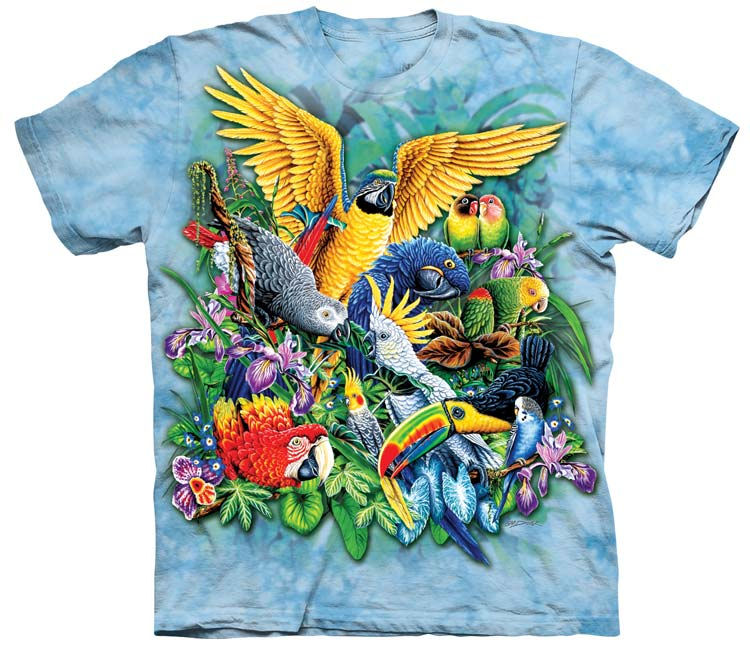
Best Bird Shirts for Bird Lovers Bird shirts aren’t just for casual wear anymore—they’ve become a statement for anyone who loves the colors and charm of feathered friends. If you want bird lover apparel that stands out, you’ll want to see the styles blending art and nature in fresh ways. This post highlights bird-themed t-shirts […]

Best Eagle Shirts for Eagle Lovers
Best Eagle Shirts for Eagle Lovers Eagle shirts don’t have to be ordinary. If you want to wear your passion for these powerful birds with style, the options out there can surprise you. From bold graphic eagle tees to subtle nature inspired clothing, the right eagle apparel makes a statement without sacrificing comfort. Keep reading […]

Best Bear Shirts for Wildlife Lovers
Best Bear Shirts for Wildlife Lovers Most bear shirts out there miss the mark between style and comfort. You want wildlife clothing that feels as good as it looks and truly captures the spirit of these powerful creatures. In this post, you’ll find bear graphic tees that balance charming artwork with bold designs, perfect for […]

Best Animal Shirts for Nature Lovers
Best Animal Shirts for Nature Lovers Forget plain tees that don’t say much about who you are. If you love the wild, your wardrobe should shout it loud and clear with the best animal shirts out there. These nature lover apparel pieces mix eye-catching wildlife graphic tees with comfort and style, perfect for anyone who […]
Follow us on Social Media
Instagram – YouTube – Pinterest – Twitter – Facebook
Alligators – Aquatic – Bears – Big Cats – Birds – Buffalo – Cats – Deer – Dinosaurs – Dogs – Dragons – Eagles – Elephants – Elk – Frogs – Gecko – Giraffes – Horses – Kittens – Moose – Pandas – Snakes – Tigers – Unicorns – Wolves – Cat Shirts – Celtic – Dog Shirts – Dolphins – Dragons – Eagles – Fairies – Horse Shirts – Misc – Native American Indians – Patriotic – Peace – Primates – Religion – Scary – Sci Fi – Skeletons – Tie Dye – Tigers – Wolf Shirts
Interesting Animal Facts and Information
Bald Eagles – Cheetahs – Dolphins – Dinosaurs – Tigers – Lions – Cats – Dogs



Leave A Comment
You must be logged in to post a comment.