
Beyond the Fur: The Impact of Breeding Practices on White Tiger Conservation
White tigers capture our imagination with their striking appearance and mysterious allure. These blue-eyed tigers are not just a genetic marvel but also the center of a complex conservation challenge. The genetic traits of tigers, specifically those leading to their unique fur and eye color, reveal a deeper story about the impact of breeding practices on their health and behavior quirks. Understanding the vision of white tigers and their distinct tiger behavior quirks provides insights into the consequences of selective breeding. This exploration into breeding practices in tigers calls attention to the urgent need for thoughtful conservation of white tigers, ensuring their survival and well-being in the wild. For more information on tiger genetics and their conservation, visit Animal Shirts.
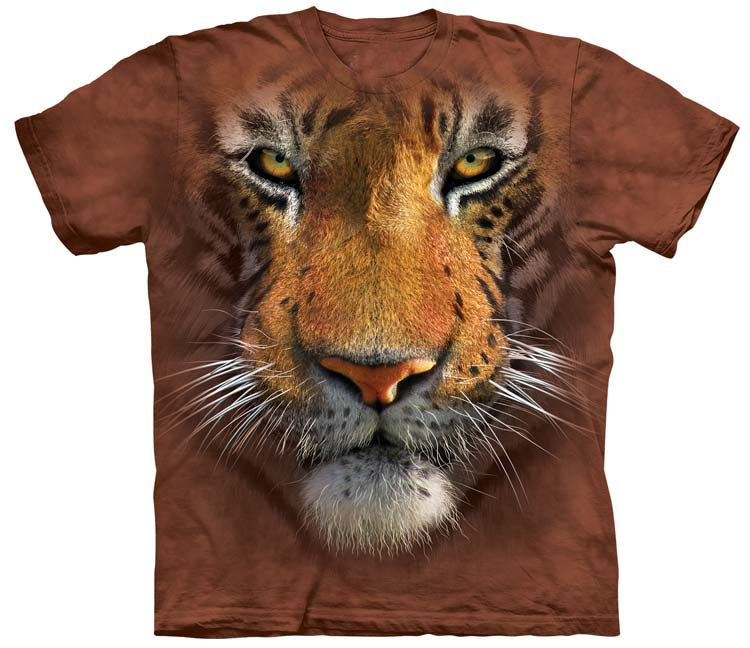
Check out all our beautiful Tiger shirts!
The Mystique of White Tigers
White tigers stand out with their unique beauty and mysterious charm. They attract attention not only for their looks but also for the intriguing science behind their existence. From their blue eyes to their genetic makeup, every aspect of these tigers tells a story. This section delves into the captivating traits of white tigers and what makes them special.
Blue-Eyed Tigers Explained
White tigers often have mesmerizing blue eyes, which is a result of a genetic mutation. This mutation affects the pigment-producing cells, leading to a lack of color in their fur and the striking blue hue in their eyes. Interestingly, these blue-eyed tigers can sometimes be cross-eyed due to this mutation.
The blue eyes of white tigers are not just a visual trait; they affect their perception. These tigers may experience vision issues, impacting their behavior and interactions. This genetic trait is one of many that set them apart from their orange counterparts.
The allure of blue-eyed tigers raises questions about the ethical implications of breeding for specific traits. Understanding these genetic components is crucial for responsible conservation efforts and ensuring the well-being of these majestic animals. For more information on tiger genetics, visit Animal Shirts.
Genetic Traits of Tigers
Genetic traits in tigers are varied and complex, dictating everything from fur color to behavior. White tigers are a prime example of how genetics can create distinct visual differences. Their unique appearance results from a recessive gene that needs to be inherited from both parents.
Tigers, in general, possess genetic diversity that allows them to adapt to different habitats. However, selective breeding practices can limit this diversity, leading to potential health issues. White tigers, while beautiful, often face challenges due to their limited gene pool.
Understanding the genetic traits of tigers helps conservationists make informed decisions. It’s crucial to balance the aesthetic appeal of these creatures with the need to maintain a healthy, genetically diverse population. This knowledge is vital for planning effective conservation strategies.
Breeding Practices in Tigers
Breeding practices for tigers, especially white tigers, have a significant impact on their conservation. Focusing on producing visually appealing tigers can lead to genetic bottlenecks and health issues. This section discusses the consequences of breeding practices and their effect on tiger conservation.
Impact on Conservation of White Tigers
The breeding of white tigers has often been driven by their allure, but such practices can threaten conservation goals. By prioritizing specific traits, breeders may unintentionally reduce genetic diversity, making these tigers more susceptible to diseases and health problems.
Conservationists aim to preserve not just the beauty of white tigers but also their genetic health. Maintaining a diverse gene pool is crucial for the survival of the species. Breeding practices that focus solely on appearance can undermine these efforts.
A balanced approach that considers both aesthetic traits and genetic health is essential. This ensures the long-term survival and well-being of white tigers, aligning with broader conservation objectives.
Challenges in Tiger Genetics
Tiger genetics pose several challenges, particularly in maintaining a healthy population. The focus on breeding for specific traits, like the white coat, can exacerbate these challenges. Understanding the genetic intricacies is vital for effective tiger conservation.
Inbreeding is a common issue due to a limited gene pool, especially among white tigers. This can lead to various health problems and reduce the overall vitality of the population. Addressing these genetic challenges is crucial for their survival.
Efforts to enhance genetic diversity can help mitigate these issues. Conservationists work to introduce new genetic lines to strengthen the population. This requires careful planning and collaboration with breeding facilities to ensure the long-term health of tigers.
Check out all our beautiful Tiger shirts!
Quirky Tiger Behavior
Tigers exhibit a range of behaviors, some of which are influenced by their genetics and physical traits. White tigers, in particular, display unique behaviors due to their vision and other genetic factors. This section explores these quirks and their causes.
Vision of White Tigers
The vision of white tigers is distinct from their orange counterparts, often due to the genetic mutation that gives them their striking appearance. This mutation can lead to vision issues, affecting their depth perception and coordination.
White tigers might rely more on other senses to compensate for their visual limitations. This adaptation influences their hunting techniques and interactions with their environment. Understanding these differences is key to appreciating their behavior.
Conservation efforts need to consider these quirks to ensure the well-being of white tigers. Providing environments that cater to their unique needs can enhance their quality of life and contribute to successful breeding and conservation programs.
Behavioral Quirks and Causes
The behavioral quirks of white tigers can be fascinating to observe. These quirks often stem from their genetic makeup and the unique challenges they face due to their vision and other traits.
White tigers might display unusual hunting strategies or social interactions. These behaviors can be attributed to their need to adapt to their genetic limitations, leading to innovative solutions to everyday challenges.
Understanding the causes of these quirks can inform conservation strategies. By recognizing the unique needs of white tigers, conservationists can create environments that support their natural behaviors and contribute to their overall well-being.
Conservation of White Tigers
Efforts to conserve white tigers focus on maintaining genetic diversity and ensuring their survival in the wild. This section highlights the importance of genetic diversity and the strategies employed to conserve these majestic creatures.
Genetic Diversity Importance
Genetic diversity is crucial for the survival and adaptability of any species, including white tigers. A diverse gene pool provides resilience against diseases and environmental changes, enabling populations to thrive.
In white tigers, limited genetic diversity can lead to various health issues and reduce their ability to adapt. Conservation efforts emphasize the need to increase genetic variation to ensure the long-term survival of these tigers.
Strategies to enhance genetic diversity involve introducing new genetic lines and minimizing inbreeding. These efforts require careful planning and international collaboration to be effective. The goal is to create a sustainable future for white tigers.
Efforts and Strategies
Conservationists employ various strategies to protect white tigers and ensure their populations remain healthy. These efforts focus on enhancing genetic diversity and creating environments that cater to their unique needs.
-
Breeding programs aim to introduce new genetic lines to strengthen tiger populations.
-
Habitat preservation ensures that tigers have the space and resources they need to thrive.
-
Public awareness campaigns educate the public about the importance of tiger conservation and the challenges they face.
By combining these strategies, conservationists hope to create a sustainable future for white tigers. These efforts require ongoing support from governments, NGOs, and the public to be successful.
Ethical Considerations in Breeding
Breeding practices for white tigers raise ethical questions about balancing beauty and health. This section discusses the ethical considerations involved in breeding and the future of tiger conservation.
Balancing Beauty and Health
The pursuit of beauty in breeding practices can often come at the expense of health. White tigers, bred primarily for their appearance, can suffer from health issues due to a lack of genetic diversity.
Ethical breeding practices should prioritize the well-being of the animals. This involves considering the health implications of breeding for specific traits and ensuring that tigers have the genetic diversity needed for a healthy life.
Balancing these factors is crucial for the ethical treatment of white tigers. Conservation efforts must take into account both the aesthetic appeal and the long-term health of the species.
Future of Tiger Conservation
The future of tiger conservation hinges on finding sustainable solutions that balance aesthetics with genetic health. This involves rethinking breeding practices and focusing on strategies that ensure the survival of tigers in the wild.
-
Promote genetic diversity through responsible breeding programs.
-
Enhance habitat protection to support tiger populations.
-
Increase public engagement to raise awareness and support for conservation efforts.
The goal is to create a future where white tigers can thrive, free from the constraints of selective breeding. By prioritizing health and sustainability, conservationists can ensure these majestic creatures continue to captivate future generations. For more information on tiger conservation, visit Animal Shirts.
Check out all our beautiful Tiger shirts!

Best Animal T-Shirts for Men Who Love Wildlife
Best Animal T-Shirts for Men Who Love Wildlife Most animal t-shirts blend into the background, leaving your love for wildlife unnoticed. You want shirts that speak louder than words, showcasing majestic lions, soaring eagles, and vibrant marine life with style. This guide highlights the best animal t-shirts for men, combining bold graphics with comfort and […]

Best Tiger Shirts for Tiger Lovers
Best Tiger Shirts for Tiger Lovers Tiger shirts often miss the mark, leaving fans with dull prints that don’t capture the wild spirit of these majestic cats. If you’ve been hunting for the best tiger apparel that blends bold artistry with comfort, your search ends here. This post highlights tiger print t-shirts and stylish tiger […]

Best Bird Shirts for Bird Lovers
Best Bird Shirts for Bird Lovers Bird shirts aren’t just for casual wear anymore—they’ve become a statement for anyone who loves the colors and charm of feathered friends. If you want bird lover apparel that stands out, you’ll want to see the styles blending art and nature in fresh ways. This post highlights bird-themed t-shirts […]

Best Eagle Shirts for Eagle Lovers
Best Eagle Shirts for Eagle Lovers Eagle shirts don’t have to be ordinary. If you want to wear your passion for these powerful birds with style, the options out there can surprise you. From bold graphic eagle tees to subtle nature inspired clothing, the right eagle apparel makes a statement without sacrificing comfort. Keep reading […]

Best Bear Shirts for Wildlife Lovers
Best Bear Shirts for Wildlife Lovers Most bear shirts out there miss the mark between style and comfort. You want wildlife clothing that feels as good as it looks and truly captures the spirit of these powerful creatures. In this post, you’ll find bear graphic tees that balance charming artwork with bold designs, perfect for […]

Best Animal Shirts for Nature Lovers
Best Animal Shirts for Nature Lovers Forget plain tees that don’t say much about who you are. If you love the wild, your wardrobe should shout it loud and clear with the best animal shirts out there. These nature lover apparel pieces mix eye-catching wildlife graphic tees with comfort and style, perfect for anyone who […]
Leave A Comment
You must be logged in to post a comment.