
Exploring Tiger Behavior: The Fascinating Purpose of Sandpaper Tongues
Tigers, with their majestic presence and powerful instincts, captivate our imagination and curiosity. One of the most intriguing aspects of these magnificent creatures is their sandpaper tongues, a unique adaptation that serves multiple essential functions. These rough tongues, covered in tiny bristles, not only aid in grooming by efficiently removing dirt and parasites but also play a vital role in maintaining the animal’s hygiene and temperature regulation. This fascinating feature highlights the complexity of tiger behavior and its significance in their daily lives, offering insights into the intricate social bonds and survival strategies within the wild. Join us as we explore the wonders of tiger grooming and the remarkable purpose behind these sandpaper tongues, shedding light on a crucial aspect of wildlife adaptation. For more insights on wildlife, you can visit this link.## The Anatomy of a Sandpaper Tongue
Understanding the anatomy of a tiger’s sandpaper tongue provides insight into its essential functions. This section explores the structural elements, how these contribute to grooming, and the evolutionary backdrop that shaped this feature.
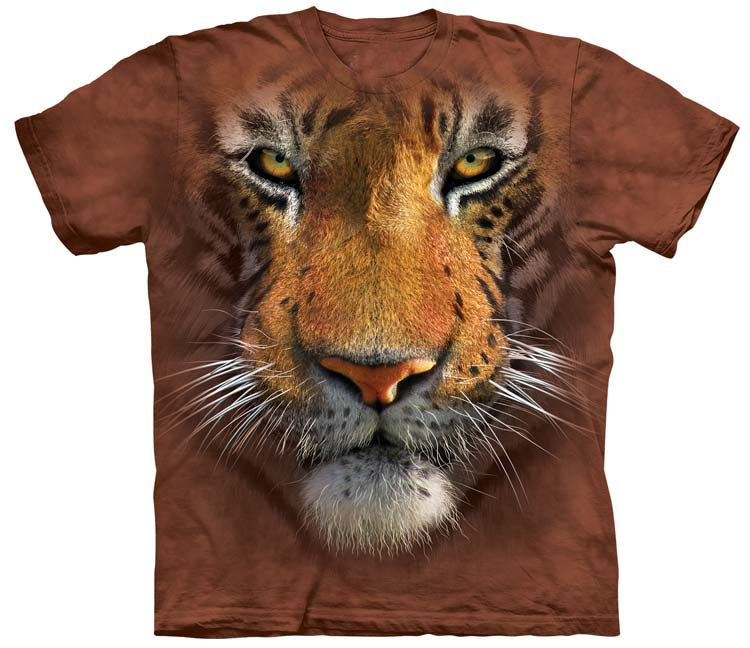
Check out all our beautiful Tiger shirts!
Structure and Composition
The tiger’s tongue is covered in papillae, which are tiny, hook-like structures. These papillae are made of keratin, the same material found in human fingernails. This gives the tongue its characteristic roughness.
-
Papillae: These are backward-facing, aiding in gripping fur and removing debris.
-
Keratin Composition: Ensures durability and effectiveness in grooming.
This composition makes the tongue perfect for combing through the tiger’s thick fur. The rough texture effectively captures loose hair, dirt, and parasites, highlighting its multifaceted utility.
Functionality in Grooming
Tigers use their tongues to groom their fur meticulously. Grooming serves multiple purposes:
-
Cleaning: Removes dirt and parasites.
-
Detangling: Reduces matting and knots in fur.
-
Distribution: Spreads natural oils, enhancing fur health.
This grooming behavior is critical for maintaining a tiger’s appearance and health, showing the tongue’s importance beyond basic hygiene.
Evolutionary Significance
The sandpaper texture of a tiger’s tongue is an evolutionary adaptation developed over millennia.
-
Survival Mechanism: Aids in cleaning wounds, reducing infection risk.
-
Natural Selection: Tigers with more effective grooming abilities likely had better survival odds, leading to this adaptation.
This evolutionary trait underscores the importance of grooming for survival in the wild.
Role in Tiger Grooming
Grooming is more than a cleanliness ritual for tigers; it plays a vital role in their survival and social structure. This section dives into how grooming affects cleanliness, temperature regulation, and social ties.
Maintaining Cleanliness
Tigers rely on their tongues to keep their coats clean, which is crucial in their natural habitat.
-
Debris Removal: Removes mud, leaves, and other environmental debris.
-
Odor Control: Helps mask their scent from prey and predators.
Regular grooming sessions keep tigers free from external irritants and help them blend into their environment.
Temperature Regulation
Grooming also plays a crucial role in temperature control.
-
Cooling: Wetting the fur with saliva helps evaporate heat.
-
Insulation: Fluffs up fur, enhancing its insulation properties.
This dual role allows tigers to manage their body temperature efficiently, crucial for survival in varying climates.
Strengthening Social Bonds
Grooming isn’t just about self-care; it’s a social activity.
-
Bonding: Mothers groom cubs to strengthen bonds.
-
Social Interaction: Siblings and mates groom each other, reinforcing social ties.
These interactions are vital for pack cohesion and teach young tigers essential grooming habits.
Impact on Tiger Behavior
The grooming process influences various aspects of tiger behavior, from communication to hunting efficiency. This section explores how these behaviors are interlinked with grooming.
Communication Through Grooming
Grooming serves as a non-verbal communication tool.
-
Scent Marking: Leaves scent cues on fur.
-
Behavioral Cues: Indicates mood or health status.
Tigers use these subtle cues to communicate with other tigers, enhancing their social dynamics.
Check out all our beautiful Tiger shirts!
Social Hierarchies and Interaction
Grooming reinforces social hierarchies among tigers.
-
Dominance Display: Dominant tigers might groom subordinates.
-
Mutual Grooming: Indicates equality or strong bonds.
This behavior helps maintain order and harmony within groups, crucial for their social structure.
Influence on Hunting Efficiency
Grooming impacts a tiger’s hunting capabilities in several ways.
-
Stealth: Clean, scent-free fur aids in approaching prey undetected.
-
Agility: Well-maintained fur reduces drag, allowing swift movements.
These factors contribute significantly to their hunting success, showcasing the importance of grooming beyond aesthetics.
Importance in Animal Hygiene
Animal hygiene is essential for a tiger’s health and wellbeing. This section breaks down the impact of grooming on hygiene, health, and overall wellbeing.
Parasite and Dirt Removal
Regular grooming is crucial for removing parasites and dirt.
-
Parasite Control: Papillae help dislodge ticks and fleas.
-
Dirt Elimination: Prevents skin irritation and infections.
This process is vital for maintaining a tiger’s health and comfort in the wild.
Influence on Health
Grooming directly influences a tiger’s health.
-
Infection Prevention: Clean fur reduces infection risk.
-
Skin Health: Promotes healthy skin by removing dead cells.
This highlights grooming as a critical component of a tiger’s health regimen.
Connection to Overall Wellbeing
Grooming contributes to a tiger’s emotional and physical wellbeing.
-
Stress Relief: Calms and soothes the tiger.
-
Confidence: A clean coat boosts a tiger’s confidence in social settings.
This connection shows that grooming is integral to a tiger’s quality of life.
Wildlife Adaptation and Survival
The sandpaper tongue is a prime example of wildlife adaptation. This section explores survival strategies, environmental adaptation, and lessons for conservation.
Survival Strategies in the Wild
Tigers have adapted effective survival strategies using their tongues.
-
Camouflage: Clean fur blends with the surroundings.
-
Energy Conservation: Efficient grooming conserves energy for hunting.
These strategies are essential for thriving in the wild.
Adaptation to Environment
The tiger’s tongue is a perfect example of environmental adaptation.
-
Climate Adaptation: Helps manage heat in warm climates.
-
Terrain Adaptation: Removes more debris in rugged terrains.
This adaptability is crucial for survival across diverse habitats.
Lessons for Conservation Efforts
Understanding these adaptations offers insights for conservation.
-
Habitat Management: Ensure environments support natural grooming.
-
Health Monitoring: Grooming habits can indicate health issues.
These lessons are vital for developing effective conservation strategies.
For more insights on wildlife, you can visit this link.
Check out all our beautiful Tiger shirts!

Best Animal T-Shirts for Men Who Love Wildlife
Best Animal T-Shirts for Men Who Love Wildlife Most animal t-shirts blend into the background, leaving your love for wildlife unnoticed. You want shirts that speak louder than words, showcasing majestic lions, soaring eagles, and vibrant marine life with style. This guide highlights the best animal t-shirts for men, combining bold graphics with comfort and […]
Best Tiger Shirts for Tiger Lovers
Best Tiger Shirts for Tiger Lovers Tiger shirts often miss the mark, leaving fans with dull prints that don’t capture the wild spirit of these majestic cats. If you’ve been hunting for the best tiger apparel that blends bold artistry with comfort, your search ends here. This post highlights tiger print t-shirts and stylish tiger […]
Best Bird Shirts for Bird Lovers
Best Bird Shirts for Bird Lovers Bird shirts aren’t just for casual wear anymore—they’ve become a statement for anyone who loves the colors and charm of feathered friends. If you want bird lover apparel that stands out, you’ll want to see the styles blending art and nature in fresh ways. This post highlights bird-themed t-shirts […]

Best Eagle Shirts for Eagle Lovers
Best Eagle Shirts for Eagle Lovers Eagle shirts don’t have to be ordinary. If you want to wear your passion for these powerful birds with style, the options out there can surprise you. From bold graphic eagle tees to subtle nature inspired clothing, the right eagle apparel makes a statement without sacrificing comfort. Keep reading […]

Best Bear Shirts for Wildlife Lovers
Best Bear Shirts for Wildlife Lovers Most bear shirts out there miss the mark between style and comfort. You want wildlife clothing that feels as good as it looks and truly captures the spirit of these powerful creatures. In this post, you’ll find bear graphic tees that balance charming artwork with bold designs, perfect for […]

Best Animal Shirts for Nature Lovers
Best Animal Shirts for Nature Lovers Forget plain tees that don’t say much about who you are. If you love the wild, your wardrobe should shout it loud and clear with the best animal shirts out there. These nature lover apparel pieces mix eye-catching wildlife graphic tees with comfort and style, perfect for anyone who […]
Leave A Comment
You must be logged in to post a comment.