
Ancient Giants: The Anatomy and Behavior of the Sabre-Toothed Tiger
The sabre-toothed tiger, or Smilodon, captures our imagination with its iconic fangs and mysterious past. These prehistoric predators, often mistaken for true tigers, roamed the vast landscapes of North and South America, preying on large herbivores with their formidable canines. Despite their fearsome reputation, the extinction of sabre-toothed tigers remains a topic of intrigue and debate, fueled by myths and fossil evidence. In this post, we will explore the anatomy of Smilodon, unravel its behavior, and examine the environmental challenges that led to its disappearance. Join us as we piece together the fascinating story of these ancient giants to better understand their place in history. For more prehistoric-inspired content, visit this site.
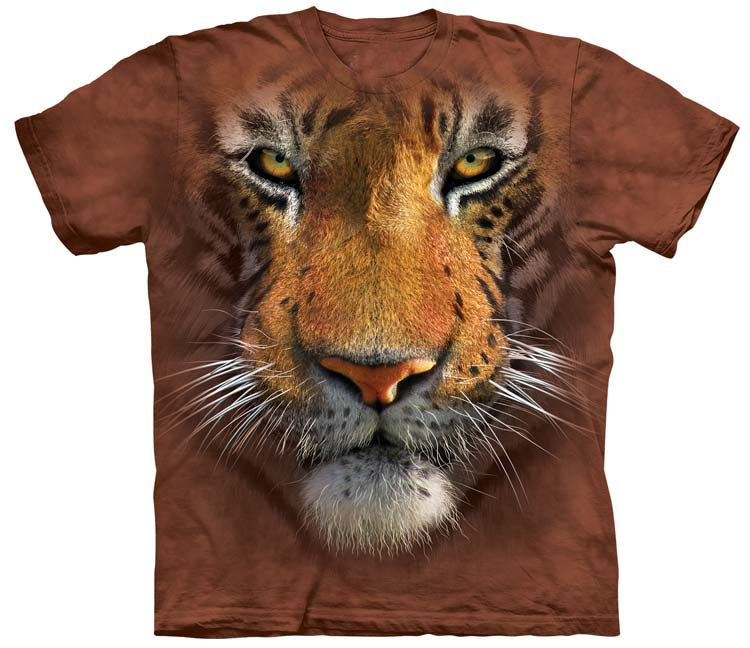
Check out all our beautiful Tiger shirts!
Introduction to Sabre-Toothed Tigers
The sabre-toothed tiger, often misunderstood, holds a prominent place in discussions about prehistoric wildlife. Known scientifically as Smilodon, these creatures were part of a different family from modern tigers. To understand them better, we must explore their origins, classification, and unravel the myths that surround them.
Origins and Classification
Sabre-toothed tigers, or Smilodon, belonged to the subfamily Machairodontinae. Unlike true tigers, they were more closely related to other feliforms. These prehistoric predators were native to the Americas, with fossil evidence pointing to their existence from the Pleistocene epoch.
Understanding their classification helps debunk the notion that Smilodon were mere oversized tigers. Instead, their evolutionary path was unique, adapted to the prehistoric herbivores they preyed upon. Fossils suggest they thrived in regions with a rich variety of prey.
The differences between Smilodon and modern big cats highlight the distinct evolutionary pressures they faced. This categorization aids paleontologists in piecing together the ecological puzzle of ancient landscapes and their inhabitants.
Popular Myths Dispelled
Popular culture often depicts sabre-toothed tigers as formidable killers always on the prowl. However, several myths have overshadowed their true nature. One such myth is their portrayal as solitary hunters.
Contrary to this belief, some fossil evidence suggests a more complex social structure. Injuries found on some Smilodon fossils indicate they lived in groups, where individuals were cared for by others. This social interaction challenges the notion of them being purely solitary.
The idea that sabre-toothed tigers were unbeatable is also misleading. Their extinction around 10,000 years ago was not due to their prowess but rather changing environmental conditions. By dispelling these myths, we gain a clearer understanding of their existence.
Anatomy of Smilodon
The anatomy of Smilodon is key to understanding how these prehistoric predators lived and hunted. Their physical features were uniquely suited to their environment, offering insights into their lifestyle and survival strategies.
Impressive Dentition Explained
Smilodon’s most striking feature was its elongated canines, measuring up to 8 inches. These fangs were not just for show; they were vital tools for hunting large prey. The canines were fragile, suggesting they were used for precise killing blows rather than gripping.
The dental structure of Smilodon included a robust jaw and sharp incisors, supporting the canines in subduing prey. This combination allowed them to inflict deep, fatal wounds quickly.
Their teeth were supported by strong neck muscles that helped drive the canines into prey. These adaptations were not just for hunting but also a reflection of their specialized role in the ecosystem.
Muscular Build and Function
Smilodon boasted a muscular build, with powerful forelimbs and a stocky frame. This anatomy suggests they were ambush predators, relying on strength rather than speed to catch prey.
-
Forelimbs: Their strong, muscular forelimbs were essential for grappling with large prey.
-
Neck Muscles: Supported the large canines, providing the necessary force for a killing bite.
-
Stocky Build: Enabled them to tackle and subdue prey, using their weight to their advantage.
The muscular structure of Smilodon was a testament to their adaptation to the prehistoric world. These features highlight their role as dominant predators in their time.
Hunting and Behavioral Patterns
Understanding the hunting and behavior of Smilodon sheds light on their interactions with the environment and each other. Their techniques and social behaviors were pivotal to their survival.
Techniques of Prehistoric Predators
Smilodon employed ambush tactics to catch prey. Their robust build meant they were not built for speed but for stealth and surprise.
-
Ambush Strategy: Utilizing cover to get close to prey before launching a powerful attack.
-
Short-distance Sprint: Capable of quick, short bursts to close the distance.
-
Precision Bite: Aimed at quickly incapacitating prey with their canines.
This combination of tactics made them effective hunters. Their hunting style was adapted to the dense forests and open plains of their habitat.
Social Structure and Interaction
While often depicted as solitary, evidence suggests Smilodon may have lived in groups. This social structure might have provided advantages in hunting and survival.
-
Pack Behavior: Fossils indicate potential group living, with evidence of care for injured members.
-
Cooperative Hunting: Possible collaboration in taking down larger prey.
-
Social Bonds: Injury and healing evidence suggest social bonds and group dynamics.
These social interactions could have played a role in their success as hunters, offering insight into their daily lives.
Check out all our beautiful Tiger shirts!
Extinction of Sabre-Toothed Tigers
The extinction of sabre-toothed tigers remains a topic of scientific inquiry. Several factors contributed to their decline, offering lessons on survival and adaptation.
Environmental Changes and Impact
The extinction of sabre-toothed tigers was influenced significantly by environmental changes. As the Ice Age ended, climates warmed, and ecosystems transformed.
-
Loss of Habitat: Shrinking forests and changing landscapes reduced their hunting grounds.
-
Decline in Prey: Large herbivores they relied on began to disappear.
-
Competition: Increased competition with other predators for dwindling resources.
These environmental shifts created challenges that Smilodon struggled to overcome, leading to their decline and eventual extinction.
Human Interaction and Consequences
Human interaction with sabre-toothed tigers is a debated topic. While direct evidence of human impact is limited, indirect effects likely played a role.
-
Competition for Resources: Early humans and sabre-toothed tigers competed for similar prey.
-
Habitat Alteration: Human activities potentially altered landscapes, affecting prey availability.
-
Indirect Pressures: Human expansion might have increased stress on ecosystems.
While not a primary cause, these interactions likely compounded other pressures leading to their extinction.
Fossil Evidence and Discoveries
Fossil evidence provides crucial insights into the life and times of sabre-toothed tigers. Significant sites and recent discoveries continue to enhance our understanding.
Significant Fossil Sites
Several fossil sites have yielded important findings about Smilodon. These sites offer a glimpse into their habitat and lifestyle.
-
La Brea Tar Pits: Rich in Smilodon fossils, providing a wealth of information on their anatomy and diet.
-
Rancho La Brea: Offers insights into their interactions with other species.
-
Other Sites: Fossils found across the Americas highlight their widespread presence.
These locations are instrumental in reconstructing the story of these ancient giants.
Insights from Recent Excavations
Recent excavations have uncovered new information about Smilodon, enhancing our knowledge of their behavior and environment.
Excavations have revealed:
-
Dietary Habits: Analysis of bone isotopes gives clues about their diet.
-
Growth Patterns: Study of fossilized bones reveals growth rates and life stages.
-
Behavioral Insights: New findings suggest complex social behaviors.
These discoveries continue to shape our understanding of sabre-toothed tigers, highlighting the importance of ongoing research in paleontology.
For more on prehistoric giants, visit this site.
Check out all our beautiful Tiger shirts!
Best Animal T-Shirts for Men Who Love Wildlife
Best Animal T-Shirts for Men Who Love Wildlife Most animal t-shirts blend into the background, leaving your love for wildlife unnoticed. You want shirts that speak louder than words, showcasing majestic lions, soaring eagles, and vibrant marine life with style. This guide highlights the best animal t-shirts for men, combining bold graphics with comfort and […]
Best Tiger Shirts for Tiger Lovers
Best Tiger Shirts for Tiger Lovers Tiger shirts often miss the mark, leaving fans with dull prints that don’t capture the wild spirit of these majestic cats. If you’ve been hunting for the best tiger apparel that blends bold artistry with comfort, your search ends here. This post highlights tiger print t-shirts and stylish tiger […]
Best Bird Shirts for Bird Lovers
Best Bird Shirts for Bird Lovers Bird shirts aren’t just for casual wear anymore—they’ve become a statement for anyone who loves the colors and charm of feathered friends. If you want bird lover apparel that stands out, you’ll want to see the styles blending art and nature in fresh ways. This post highlights bird-themed t-shirts […]

Best Eagle Shirts for Eagle Lovers
Best Eagle Shirts for Eagle Lovers Eagle shirts don’t have to be ordinary. If you want to wear your passion for these powerful birds with style, the options out there can surprise you. From bold graphic eagle tees to subtle nature inspired clothing, the right eagle apparel makes a statement without sacrificing comfort. Keep reading […]

Best Bear Shirts for Wildlife Lovers
Best Bear Shirts for Wildlife Lovers Most bear shirts out there miss the mark between style and comfort. You want wildlife clothing that feels as good as it looks and truly captures the spirit of these powerful creatures. In this post, you’ll find bear graphic tees that balance charming artwork with bold designs, perfect for […]

Best Animal Shirts for Nature Lovers
Best Animal Shirts for Nature Lovers Forget plain tees that don’t say much about who you are. If you love the wild, your wardrobe should shout it loud and clear with the best animal shirts out there. These nature lover apparel pieces mix eye-catching wildlife graphic tees with comfort and style, perfect for anyone who […]
Leave A Comment
You must be logged in to post a comment.