
From Defense to Survival: How Slow Lorises Use Their Venom in the Wild
Forget everything you thought you knew about primates—slow lorises are the only venomous ones on the planet. Their secret weapon? A toxin from a gland on their arm mixed with saliva to deliver a powerful bite. You’ll learn how this rare venom shapes their defense, hunting skills, and survival in the wild, plus why protecting them matters in the fight against habitat loss and illegal pet trade. For more information, check out this source.
Have you seen our selection of Animal Shirts?
Slow Loris Venom Secrets
Unique Venomous Primate Biology
Step into the world of slow lorises, where venom is a surprising ally. These primates captivate with their wide eyes and slow movements, but their biology holds a secret. Unlike any other primate, slow lorises produce venom. This remarkable feature distinguishes them, serving both defense and sustenance needs.
Their venomous nature begins with a specialized gland located on their inner arms. They lick this gland to mix its secretions with saliva, creating a toxic cocktail. When a predator approaches or prey is in sight, slow lorises are ready. This unique blend offers a fascinating case of evolution in the primate world. Dive deeper into the biology of slow lorises on Wikipedia.
Toxin Production Mechanisms
The toxin production in slow lorises is a marvel. Their bodies have developed a way to create and deliver venom effectively. The inner arm gland produces a secretion that only becomes toxic when mixed with their saliva. This mechanism is both simple and ingenious.
Slow lorises use their mouths as a delivery system. They transfer the toxin through bites, causing allergic reactions in many predators. This method not only protects them from being an easy meal but also aids in their hunting tactics. By understanding this mechanism, we see the slow loris as a master of survival.
Defense and Hunting Strategies
In the dense jungles, survival is a daily challenge. Slow lorises utilize their venom in clever ways. When threatened, a bite can deter predators, giving them a fighting chance. This defensive strategy is crucial, given their slow-moving nature.
But the venom isn’t just for defense. Slow lorises also use it to hunt. Prey subdued by the bite’s toxin becomes an easier meal. This dual use of venom showcases the slow loris’ adaptability. It’s a strategy that balances risk and reward in the wild.
Survival in the Wild
Adaptations for Survival
Surviving in the wild takes more than just venom. Slow lorises have developed unique adaptations. Their nocturnal nature helps them avoid daytime predators. Large eyes provide excellent night vision, crucial for spotting threats and hunting.
Their slow movements are not a disadvantage. Instead, they help avoid detection. By blending into their surroundings, slow lorises reduce their chances of being prey. These adaptations are a testament to their resilience in the wild.
Ecological Significance of Venom
The role of venom extends beyond survival. In the ecosystem, venomous primates like slow lorises play a unique part. They help control insect populations, maintaining a balance in their habitat. This ecological role highlights their importance.
Preserving slow lorises means preserving their environment. Their presence indicates a healthy, balanced ecosystem. Understanding their ecological significance can inspire conservation efforts, emphasizing the need to protect these creatures.
Conservation Challenges
Threats from Habitat Loss
Despite their resilience, slow lorises face significant threats. Habitat loss is a major concern. Deforestation and land conversion for agriculture reduce their living space. This loss impacts their ability to find food and shelter.
Efforts to protect their habitat are crucial. Reforestation and sustainable land practices can help. By preserving their environment, we support their survival. Learn more about the slow loris’ plight on Earth.org.
Impact of the Illegal Pet Trade
The illegal pet trade is another looming threat. Slow lorises, with their cute appearance, are often targeted. Captured and sold, they face harsh conditions, far removed from their natural habitat. This trade not only endangers individual lorises but also affects wild populations.
Efforts to combat this trade are ongoing. Education and enforcement are key. By raising awareness, we can reduce demand and protect these animals. The longer we wait, the more they suffer, making prompt action essential. Discover more about their struggle in this engaging discussion.
Understanding slow lorises and their venom opens a window into a unique world. Their survival is a story of adaptability and resilience. By protecting them, we uphold the balance of nature itself.

20 Funny Cat Halloween Shirts for Cat Lovers
20 Funny Cat Halloween Shirts for Cat Lovers Halloween is the perfect time to show off your love for cats with a twist of humor. Funny cat shirts that combine witty puns and playful designs make celebrating spooky season even more fun. Whether you want to wear your affection for felines or find a gift […]
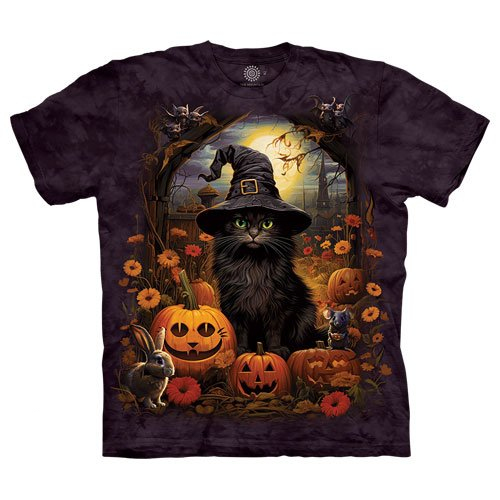
Best Halloween Shirts for Teachers Who Love Animals
Best Halloween Shirts for Teachers Who Love Animals Halloween shirts for teachers don’t have to be boring, especially if you love animals as much as you love your students. Finding the perfect blend of fun and furry friends in your teacher shirts can brighten up your classroom mood and get everyone smiling. This post highlights […]
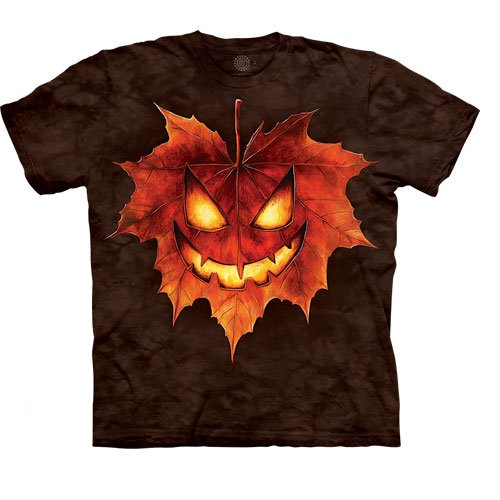
30 Halloween T-Shirt Ideas for People Who Love Animals
30 Halloween T-Shirt Ideas for People Who Love Animals Forget plain Halloween T-shirts that everyone else wears. You want something that shows your love for animals while stepping up your spooky season fashion. This collection of animal-themed Halloween shirts offers playful cat and dog costumes alongside quirky animal graphics that stand out. Keep reading to […]
What Should an Animal Lover Wear for Halloween? 25 Fun Ideas
What Should an Animal Lover Wear for Halloween? 25 Fun Ideas Most Halloween costumes for animal lovers stick to the usual cat ears or dog tails. If you want to stand out, your outfit should speak louder than the typical pet-themed accessories. This list of 25 fun ideas brings fresh, playful animal-themed outfits that let […]
25 Best Halloween Shirts for Dog Lovers
25 Best Halloween Shirts for Dog Lovers Halloween is the perfect time to show off your love for dogs in a way that’s fun and festive. If you’re searching for Halloween shirts for dog lovers, the options can be surprisingly playful and clever. From pups dressed as witches to clever slogans that celebrate your furry […]
Halloween Shirts for the Whole Family: Animal-Themed Ideas
Halloween Shirts for the Whole Family: Animal-Themed Ideas Halloween doesn’t have to mean hunting for separate costumes or last-minute outfit panic. Choosing family matching outfits with animal-themed shirts turns the chaos into fun, with everyone from toddlers to adults sporting playful designs. These Halloween shirts mix cute and clever, making it easy to bring the […]

Leave A Comment
You must be logged in to post a comment.